Why Can Learning Something New Feel Surprisingly Exhausting?

Learning something new can be exciting, but it can also leave you feeling more mentally tired than you expected.


Maybe you're learning a new program at work, picking up a hobby, trying a different exercise, or figuring out how to use something you've never encountered before. You may notice that you have to concentrate closely on each step, remember instructions, correct yourself along the way, and constantly think about what comes next.


That extra effort isn't necessarily a sign that you're struggling to learn. It may simply reflect how much work your brain is doing while the new skill is still unfamiliar.

Your Brain Doesn't Start With a Finished Pattern

Think about something you do every day, such as making coffee, typing on your keyboard, or driving a familiar route.

You probably don't have to consciously think through every part of the process because your brain has had plenty of opportunities to learn the pattern.


New skills are different.


When you're learning something unfamiliar, your brain has to pay closer attention to what you're seeing and hearing, remember new information, make decisions, and adjust when something doesn't go as planned. With repetition and experience, those processes can become more familiar and efficient.

In other words, learning can feel exhausting because your brain is actively working through the process rather than relying on an established pattern.

This ability to adapt based on experience is part of neuroplasticity, the brain's capacity to change and reorganize in response to learning and stimulation.

Why This Matters for Brain Rehabilitation

Neuroplasticity isn't only relevant when you're learning a new hobby or skill. It is also an important part of neurological rehabilitation.

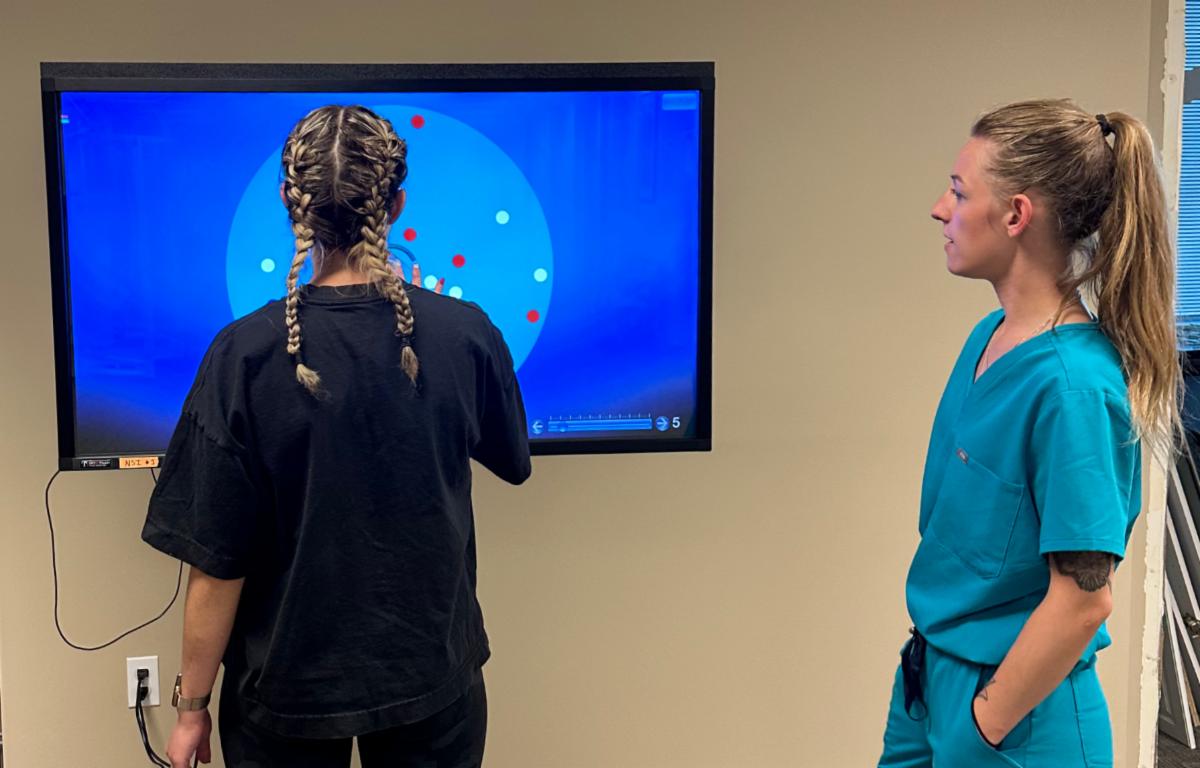
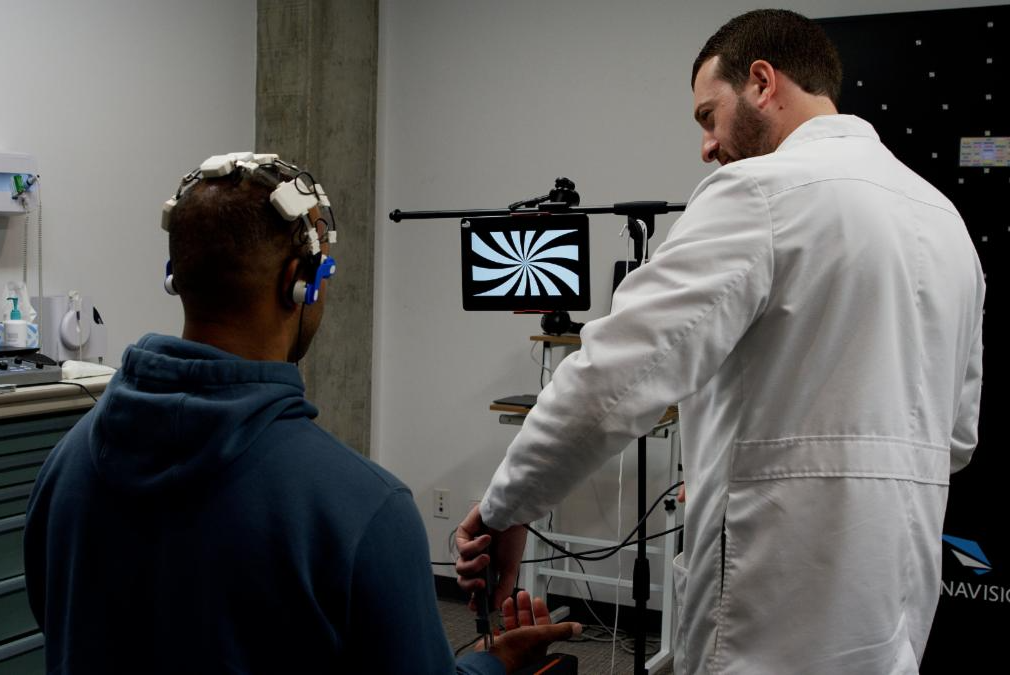
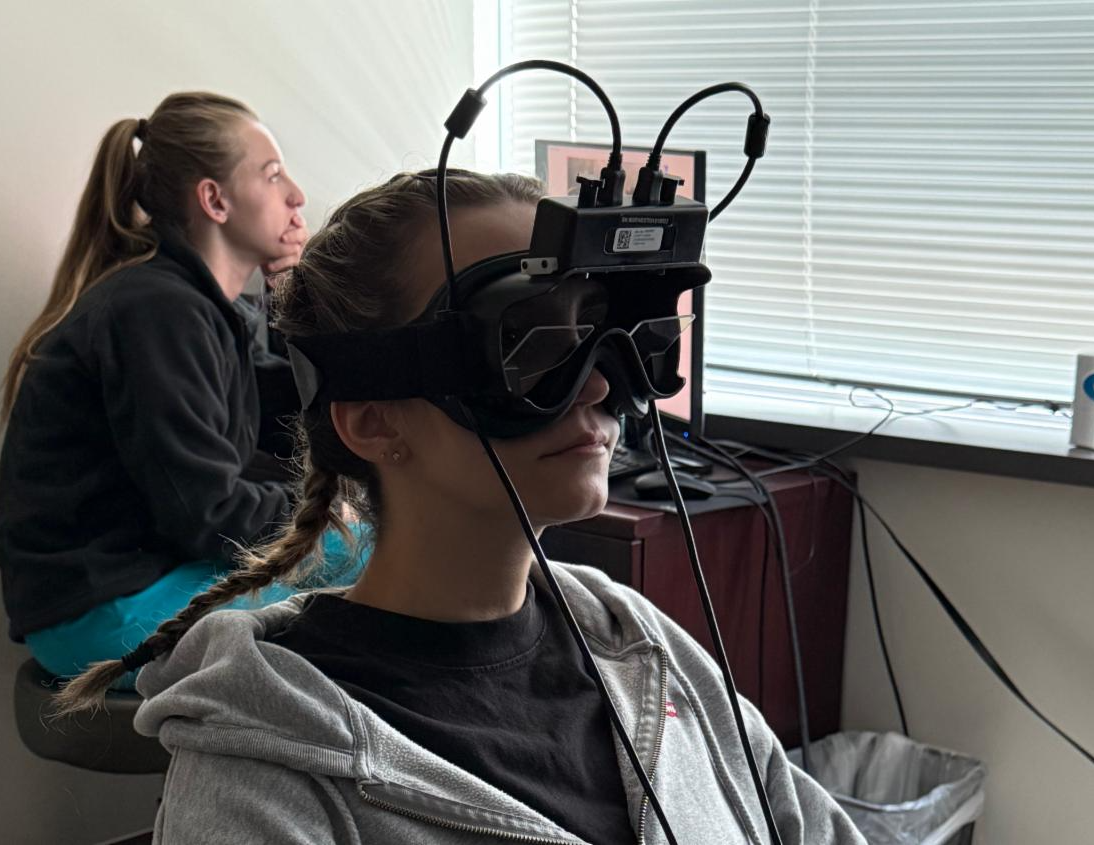
At Plasticity Brain Centers, treatment is built around neuroplasticity and individualized neurological care. Their programs use targeted therapies and exercises based on a patient's specific neurological findings, with the goal of helping the brain develop more efficient patterns of function.


Whether you're learning something completely new or working to regain an ability that once felt automatic, the process can require patience and repetition. Feeling mentally tired along the way doesn't necessarily mean you're moving backward. Sometimes, it is simply a reflection of how much your brain is being asked to process and adapt.


Have you checked out The Plasticity Method yet?


Explore the ideas and approach behind Plasticity Brain Centers in our new book.


PLASTICITY BRAIN CENTERS TREAT & IMPROVE:

- Vertigo - Concussion - Hypoxic Injuries - Stroke - Autism - ADHD & Dyslexia

- Cognitive Challenges - Parkinson’s Disease - Improved Brain Function - Headache & Migraine - Dysautonomia - Long Haul Covid - Dizziness 

 
We know that each person is unique and we tailor our treatments accordingly. Book your personal 15-minute phone consultation today!
Let's talk today to see if we can help.
Are you or a loved one prepared to embark on a transformative journey towards better brain health? Reach out to Katie via email at katie@plasticitycenters.com or give us a call at 855-955-9727. Discover firsthand the positive transformation that awaits you at Plasticity Centers!