|
Friends: OMG. The world seems to be going crazy---the kidnapping of the President of Venezuela, the murders of Renee Good and Alex Pretti in Minneapolis, the threats to 'take' Greenland, the middle of the night tantrum about the Nobel Prize, and on and on. In the big picture, the world is still mostly good, but it's the guy in the White House who has lost what little mind he once had. I worry about the damage being done to the world we are leaving our grandchildren by this narcissistic wrecking ball. Feeling powerless and a bit fearful, I have taken W. Somerset Maugham's advice "To acquire the habit of reading is to construct for yourself a refuge from the miseries of life."
Here are the books I read in January:
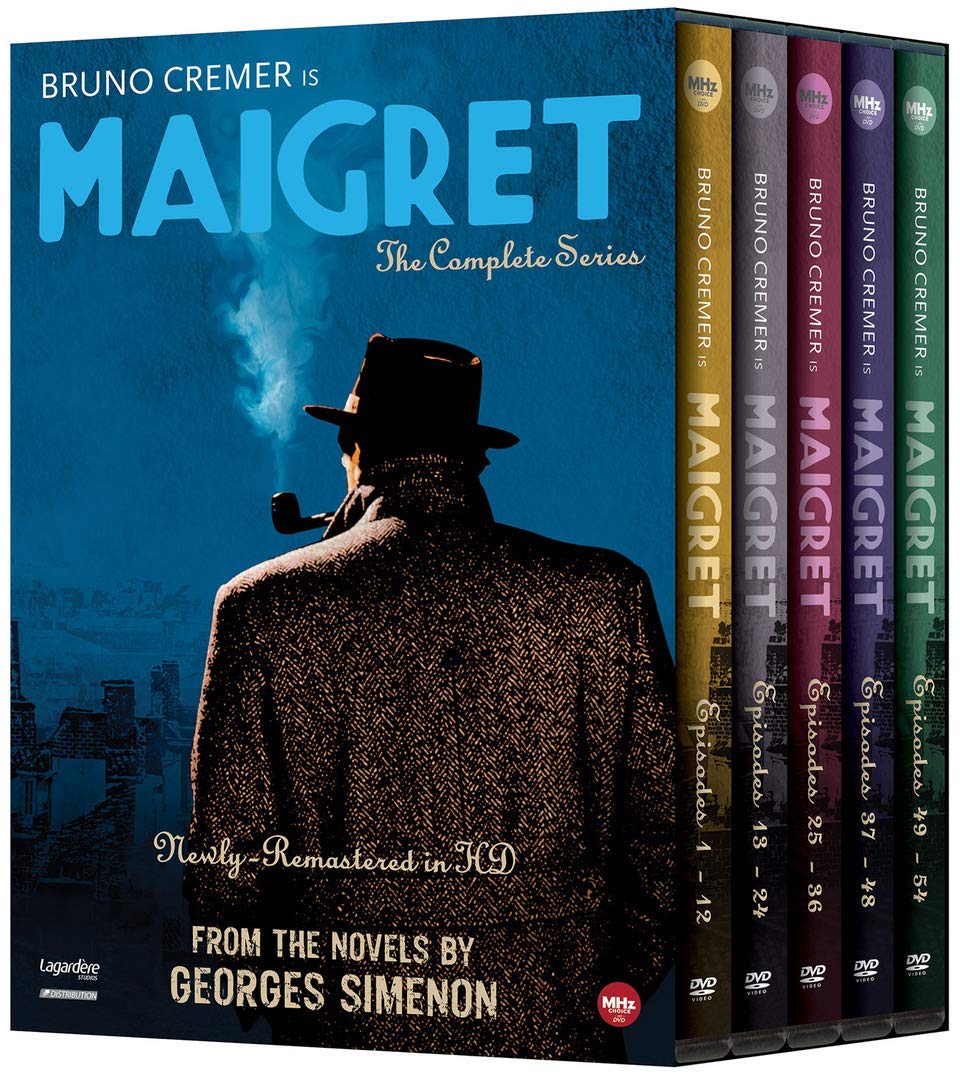
- Maigret's First Case, Georges Simenon
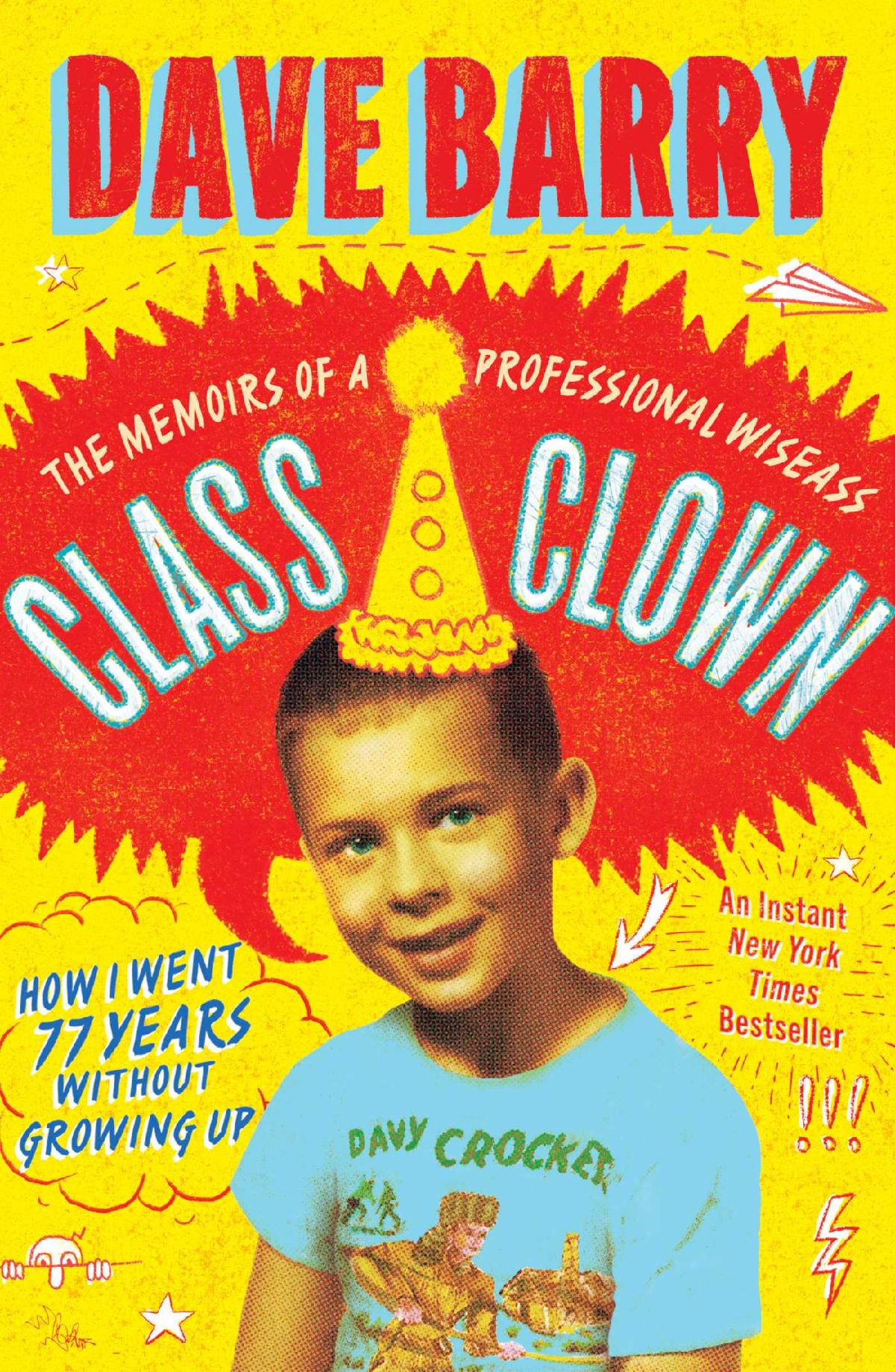
- Class Clown: Memoirs of a Professional Wise Ass, Dave Barry
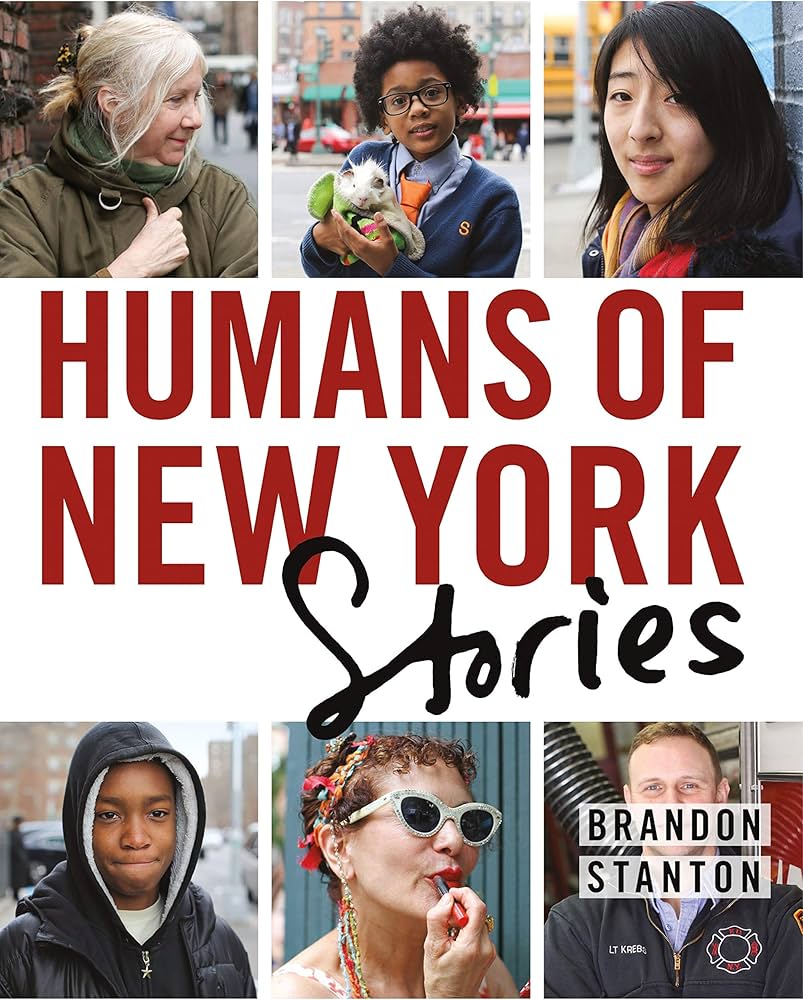
- Humans of New York, Brandon Stanton
- Dear New York, Brandon Stanton
- Table for Two: Fictions, Amor Towles
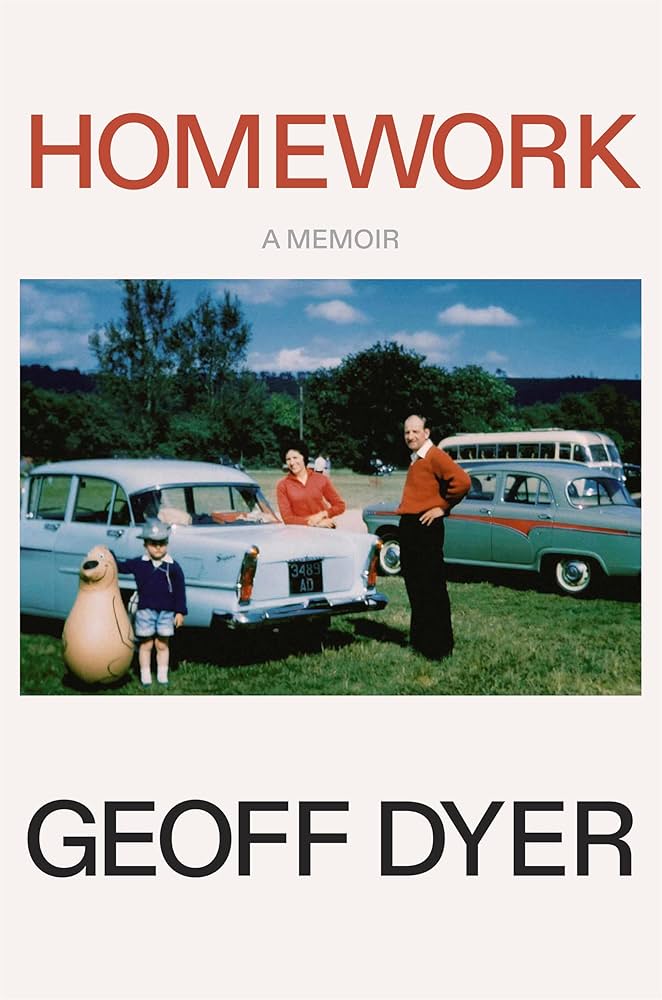
- Homework: A Memoir, Geoff Dyer
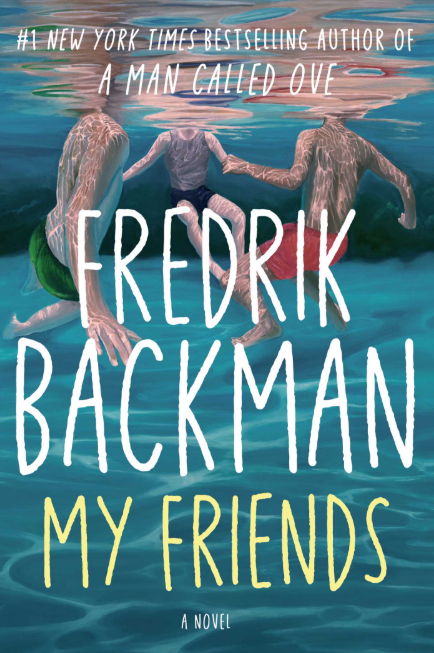
- My Friends, Fredrik Backman
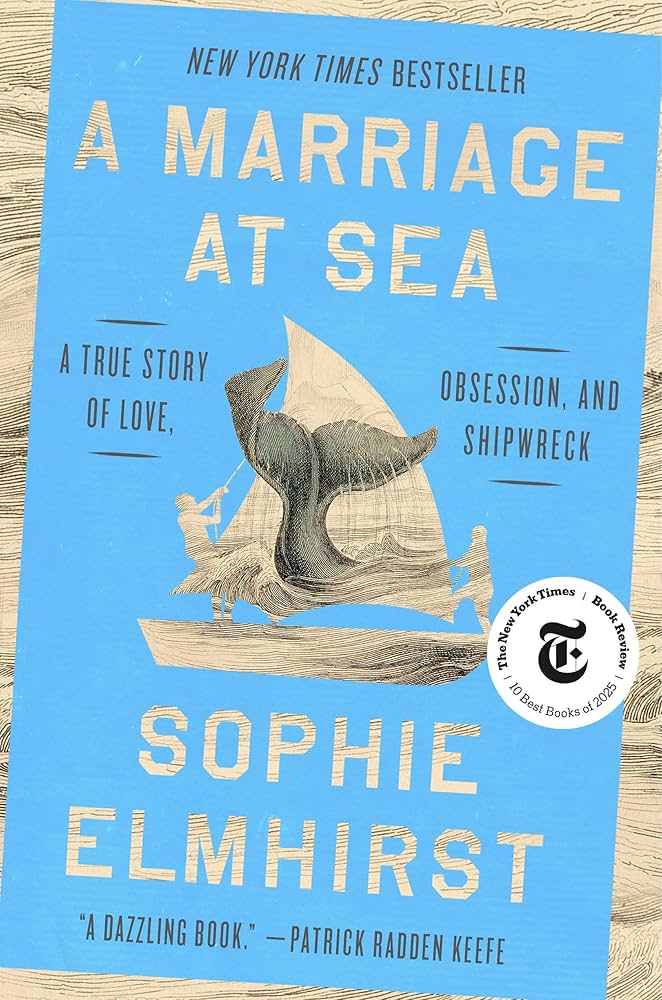
- A Marriage at Sea: The True Story of Love, Obsession, and Shipwreck, Sophie Elmhirst
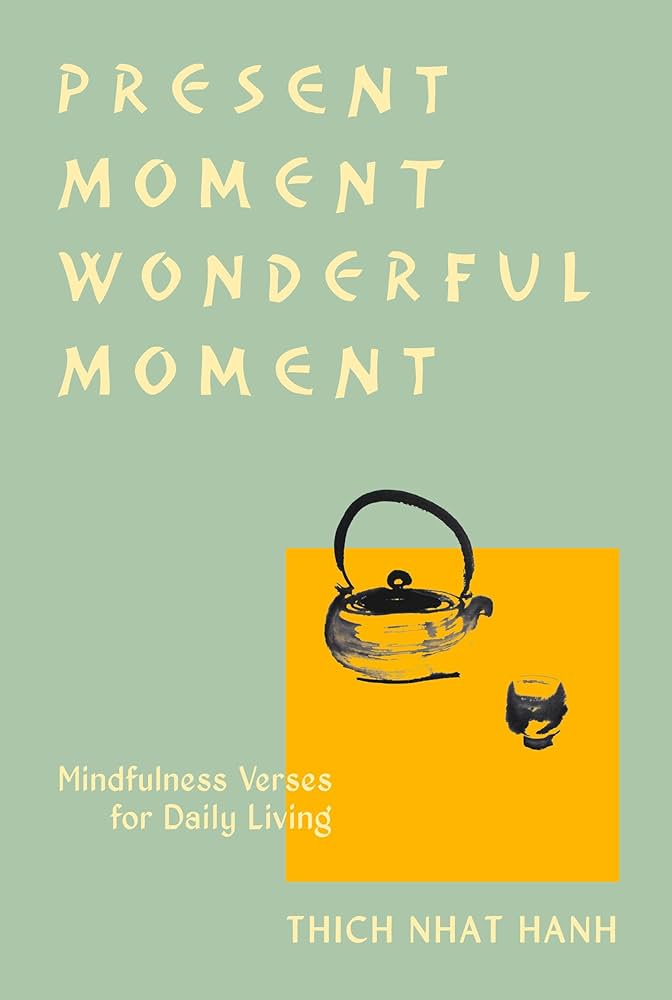
- Present Moment, Wonderful Moment, Thich Nhat Hanh
- Stone Yard Devotional, Charlotte Wood
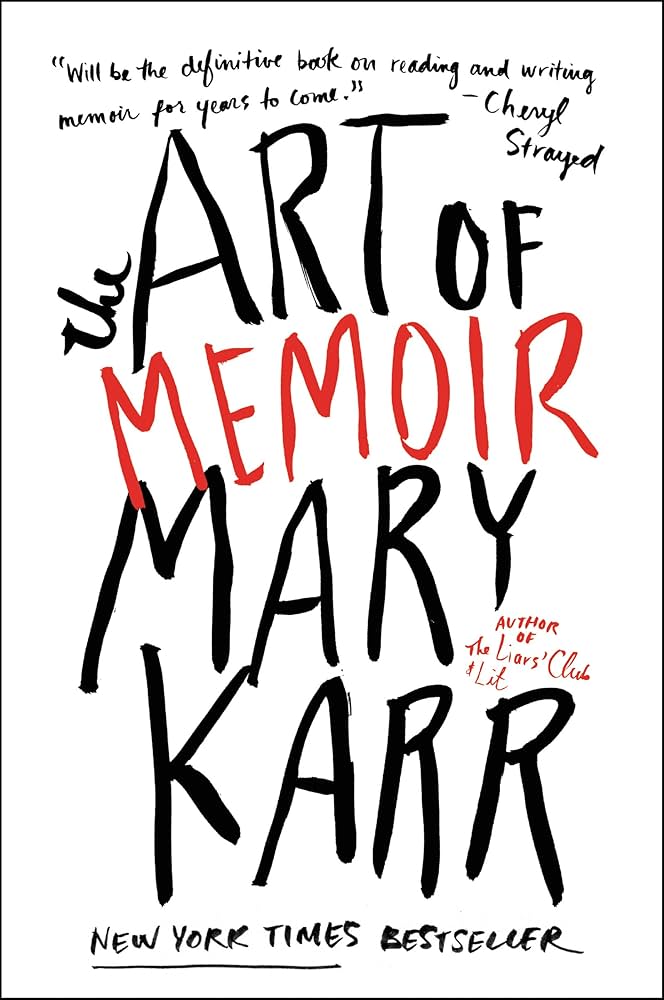
- The Art of Memoir, Mary Karr
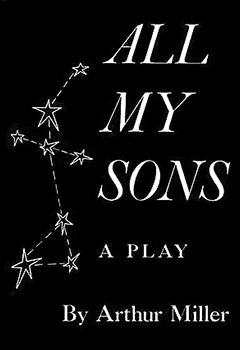
- All My Sons, Arthur Miller
When I began to read in earnest after I retired, one of my earliest guides was a book by the late Yale professor and literary critic, Harold Bloom. His book, "How to Read and Why" recommended an extensive list of novels, short stories, plays, and poems and also provided a rationale for extensive reading beyond Maugham's 'refuge'. In the Prologue, Bloom cites Francis Bacon ("read to weigh and consider"), Samuel Johnson (read 'what comes near to ourself, what we can put to use.") and Ralph Waldo Emerson ("the best books impress us with conviction, that one nature and the same reads."), as inspirations for his commitment to reading. He goes on to describe the feeling I have as I turned the corner at 80, when he wrote that "you can read merely to pass the time, or you can read with an overt urgency, but eventually you will read against the clock."
Bloom goes on to cite his canonical favorites, Shakespeare, Dante, Chaucer, Cervantes, Dickens, Proust, Dickinson, Mann before summarizing as follows: "We read deeply for varied reasons, most of them familiar: that we cannot know enough people profoundly enough; that we need to know ourselves better; that we require knowledge, not just of self and others but of the way things are. Yet the strongest, most authentic motive for reading of the now much-abused traditional canon is the search for a difficult pleasure...the reader's Sublime....what truly comes near to you, that can be used for weighing and considering....to learn to share in that one nature that writes and reads."
My reading this month initially lacked a theme, and I enjoyed the walk through my shelves, the public libraries, and used bookstores randomly choosing books that might lead to that 'pleasure' that Bloom described. By the end of the month, however, I had found that his 'sharing of one nature' had taken place as I experienced a widening of my circle of compassion in Brandon Stanton's street photography books, Geoff Dyer's and Mary Karr's memoirs, Charlotte Wood's novel, and Amor Towles' short fictions. The other books were just fun.
| |
Perhaps the best place to start is Thich Nhat Hanh's "Present Moment, Wonderful Moment" since the goal of 'widening my circle of compassion' springs largely from my meditation practice. Hanh, who died in 2015, was a Vietnamese Buddhist monk who wrote extensively about mindfulness and the beauty in the commonplace events of the every day. It was from Hanh's and others' writings that my four goals of living have emerged: act with kindness, live with equanimity, experience moments of joy, and widen my circle of compassion. This is not one of Hanh's best books, but it does show how one can find beauty and meaning in every action we take from rising to sleeping.
| |
The two books that were the most profound in widening my circle of compassion were Brandon Stanton's "Humans of New York" and "Dear New York", presenting hundreds of New Yorkers in photographs and in their own words. Stanton who arrived in NYC with his camera and an empty wallet in 2013 decided to explore the miracle that is New York while acknowledging that "This city cannot be captured. Not with a pen, not with a paintbrush, not with poetry, and not with a camera....There is no frame large enough. You can never say: "This is New York". There will always be one more thing, one more person, one more story that absolutely must be included." But he sure gives it a try! I found it impossible to read the words and see the faces of these New Yorkers without feeling rage at the way the richest nation in the world ignores the damage done to our children through poverty, drugs, alcohol, violence, and the endless grinding down of opportunity.
| |
I found myself time and again thinking back to the late Harvard philosopher John Rawls whose theory of justice challenged us to design a world as if we couldn't know on which side of a veil the lottery of life would land us. Would we bring up our children in a beautiful condo on the Upper West Side or in a roach and rat-infested dangerous public housing project in the Bronx? Rawls challenged us to work towards a world where we would be content on either side of that veil, and Stanton has starkly shown us how far from that ideal we are today. Read these books and then try to answer the question of how to design a just society. (Thanks to my friends Tony and Harriet who are seen on pp. 349-351 of "Dear New York" for bringing Stanton to my attention.)
| |
Further examples of Bloom's suggestion that we read to know people more profoundly were found in Mary Karr's "The Art of Memoir Writing" and Geoff Dyer's memoir, "Homework". Karr grew up poor in Texas in a house filled with alcohol, abuse, and anger while Dyer grew up in modest, mostly boring circumstances in the English Cotswolds. Yet despite these vastly different settings, both emerged with deep curiosity about their roots and with profound insights into how childhood shaped them as adults. Karr has addressed these issues in her two earlier best-selling memoirs, "Liar's Club" and "Lit". "The Art of Memoir" is less memoir and more 'how to write', intended for both the general reader as well as the aspiring memoir writer. It's entertaining for the former and useful for the latter.
| |
Dyer is one of my favorite writers whose non-fiction topics have varied from yoga to life on a U.S. aircraft carrier, from jazz to photography and whose novel "Jeff in Venice, Death in Varanasi" was terrific. So I was looking forward to this book only to find myself a bit disappointed. The book lacked his usual verve, irony, and humor and often failed to go beyond the surface. It was only in the final chapter where he addressed the source of his wide ranging reading that I found what I was hoping for. Read Dyer for sure, but perhaps not this book.
| |
Three works of fiction brightened my days and each met my three criteria for what makes a good novel: the desire tokeep turning the page despite the drooping of the eyelids at night; the wish to return to the book throughout the day despite being busy with other things; recurrent thoughts about the characters and their lives long after finishing the book. Fredrik Backman's "My Friends" did all of that and more. I loved his "Anxious People", and this book was just as good with its combination of the absurd and the delightful. Fascinating characters caught up in a brilliantly devised plot took me out of the quotidian and transported me to a different world populated with Louise, CJat, Joar, Ali, and Ted. They're still with me weeks later---high praise for any novel.
| |
Amor Towles' "Table for Two" was another superb piece of writing, comprising five short stories set in New York and a novella set in LA. I loved Towles earlier books, "A Gentleman from Moscow" and "The Lincoln Highway" so no surprise that I found this collection to be outstanding, as well. The five short stories made for an interesting and serendipitous addendum to Stanton's NYC portraits. The eponymous character in the novella, Evelyn Ross, is a superb creation---mysterious, clever, and endlessly creative. Evie is on a train from NYC to Chicago when she makes an abrupt decision to not disembark in the Windy City but to take the train all the way to LA. There she becomes embroiled in the movie industry and a murder, as Towles keeps the action moving at a rapid pace. Evie has stayed with me for a while. This is a great book to take with you if you find yourself on that cross country train. Who knows? You may decide to skip Chicago and to stay on until LA just to finish the book.
| |
Charlotte Wood's "Stone Yard Devotional" is set in a place that could not be more different from NYC or LA. The book opens with the first person narrator returning to the small town in the Australian outback where she grew up in order to spend time at an abbey. Her marriage is falling apart and she has lost faith in her work to save the environment, so she returns 'home' to find peace as a guest for a week in the abbey with its nine aging nuns. The second chapter finds her five years later living at the abbey. Not much happens beyond the arrival of a childhood nemesis accompanying the bones of a nun who had been murdered and the arrival of a plague of mice, but our narrator finds peace and quiet and a widening of her own circle of compassion. This is a quiet and beautiful novel which the New York Times listed as one of the year's Ten Best.
| |
In contrast, Sophie Elmhirst lands us on a small raft in the middle of the Pacific Ocean with Maralyn and Maurice Bailey in "A Marriage at Sea", a true story. In 1970, they sold their house, quit their jobs, bought a 31 foot yacht, and filled it with food, water, and navigation and seafaring equipment in order to find a new life of adventure on the high seas sailing from Southhampton, UK to New Zealand. Adventure they found, indeed. After a whale surfaced under their boat breaching the hull and sinking their boat 600 miles from the Galapagos, they embarked on an 118 day exercise in survival. Their hair-raising tale reinforced my strong belief that I was meant to keep both feet on solid ground and not be adrift on the sea. The book was one of the New York Times Best 10, but I found that it made me tense at a time when I needed no encouragement in that direction. If you're a sailor, you may love it. If you get seasick at the thought of any body of water larger than your bathtub, skip it.
|
| |  | As Susan and I plan our annual month in London coming up in March, we've bought our theater tickets and among the plays we will see is a revival of Arthur Miller's 1947 "All My Sons." I often try to read plays before seeing them in order to better follow the action and to better understand the themes and ideas unfolding on the stage. Miller's "Death of a Salesman" is one of the iconic works in my theater experience, and this play, which preceded it by two years, is a worthy partner. The action unfolds in one day in the backyard of a Midwest small town where the Keller family struggles to understand and deal with several threatening situations---- the disappearance of the older son, Larry three years earlier in WWiI, the father's brief prison time before his exoneration for selling faulty equipment that led to the death of 21 airmen, and the return of the adult children of the neighbor who continues to serve time in prison for that crime. Powerful throughout and wrenching at the end, Miller presents the audience and the reader with the ancient dilemmas of balancing the competing demands of family and community, money and honesty, character and responsibility. An earlier revival on Broadway earned several Tony nominations. Bryan Cranston's Joe Keller in the current London revival is likely to earn him an Olivier.
| |
It was a treat to return to my quest to read all 74 of Georges Simenon's Maigret books. In most of them Jules Maigret is the Chief Inspector of the Police Judiciare in Paris, a hulking, quiet, plodding detective who solves murders by getting deep into the psyche of the suspects, witnesses, and loved ones, but "Maigret's First Case" takes us back to his earliest years in the police. It provides some fascinating personal history as well as insight into his methods. Long hours on a stakeout, patient examination of the neighborhood, persistent dogging of potential suspects---all turn out to be the means by which Maigret solves this murder (though there's not even a body until the final pages of the book.) and foreshadows his later career. Though the 32nd in the series, "Maigret's First Case" is a good one to begin with as I hope you encounter Jules Maigret.
| |
Dave Barry's "Class Clown: Memoirs of a Professional Wise Ass" was a welcome distraction from the disaster that is the daily offering from D.C. In days gone by, Barry's column in the Sunday Boston Globe Magazine was where I started my week. Wrtitten for the Miami Herald, it was syndicated to more than 500 papers. Laugh out loud funny and sharing my own stupid, adolescent, bad taste sense of humor (lots of fart jokes), his column always brightened my weekend. This book, while providing some biographical information, is largely a reprise of some of his funnier columns, and I loved it. His adventures with his rock band, The Rock Bottom Remainders, and the Lawn Mower Marching Band from Illinois add to the frivolity. If you have a smart aleck streak yourself or simply enjoy stupid humor, read this book. If you're looking for profound insights, forget it.
| |
The poems in this month's Poetry Tree on the Charles are the work of Pulitzer Prize winning Mary Oliver (September 10, 1935-January 17, 2019), who in 2007 was declared the best-selling poet in the U.S. Despite that dumbing down label, her work is remarkably beautiful, describing the natural world with tenderness. She wrote ""When it's over, I want to say: all my life / I was a bride married to amazement. I was the bridegroom, taking the world into my arms." I came to Oliver this month via her best-known poem "The Summer Day" and its famous line, "Tell me,what is it you plan to do/with your one wild and precious life." which I read in Charlotte Wood's beautiful book. Here are several of Oliver's poems from "New and Selected Poems" which won the National Book Award in 1992.
- The Summer Day
- Lillies
- Some Herons
- The Ponds
Each year, the New York Times Book Review asks its editors to choose their favorite books among those they reviewed during the course of the year but which didn't make the Top Ten or Hundred Notable lists. Dwight Garner failed to follow these instructions and instead chose "some sentences from the past year" that he particularly loved. Among them were this one byThomas Pynchon: "Spend your whole day around ice cream, you can begin to grow philosophical.", and this from Edward St. Aubyn "Wondering as she always did, why olive oil was alone in having extra virginity." And this beauty from Keith McNally, "There are few feelings of relief comparable to the first gulp of night air after leaving a dinner party prematurely." And finally this line from Helen Garner which particularly struck home: "Spare me from old men's calm assumption that anything they say, no matter how dull, slow or perfunctory, deserves and will have an audience." Amen!
| |