Cornell K. Lisa Yang Center for Wildlife Health

July/August 2026

Addressing Wildlife Health in a Rapidly Changing World


Dear Friends of the Cornell K. Lisa Yang Center for Wildlife Health,


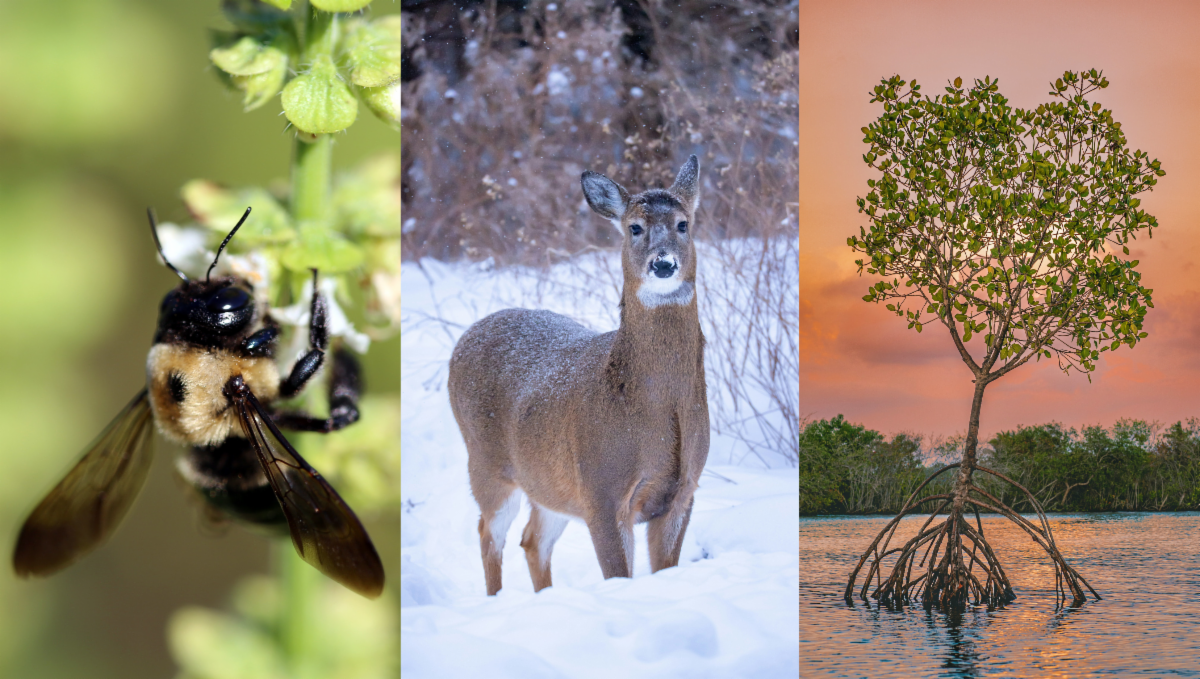
We are delighted to introduce the 2026 cohort of Cornell K. Lisa Yang Postdoctoral Fellows in Wildlife Health. From advising on mangrove restoration in the Galápagos to strengthening chronic wasting disease management in deer in the U.S. to safeguarding the pollinators that support biodiverse ecosystems and many of the food crops we depend upon, these Fellows are tackling complex challenges at the intersection of wildlife, environmental, and human health. Their work reflects the comparative advantages of the inherently interdisciplinary One Health approach, with these particular projects bringing together expertise in genetics, genomics, ecology, biostatistics, computer science, and other fields to develop science-based solutions focused on real-world impact.


The Cornell K. Lisa Yang Center for Wildlife Health is committed to supporting outstanding early-career colleagues as they advance innovative applied research supported by Cornell faculty and collaborators around the world—what we call progress through partnerships.

Yours in One Health,


Steve


Steve Osofsky, DVM

Director, K. Lisa Yang Center for Wildlife Health

Jay Hyman Professor of Wildlife Health & Health Policy

Cornell University College of Veterinary Medicine

We Have a New Advisory Council!

CYCWH Advisory Council 2026

We are honored to announce the inaugural members of our Advisory Council, who will advise, assist, and advocate for the Cornell K. Lisa Yang Center for Wildlife Health on our efforts to enhance and expand our applied research and policy impact, technological capabilities, capacity-building efforts, and resource base. Read more about these esteemed leaders in their fields.

Blogs from the Field

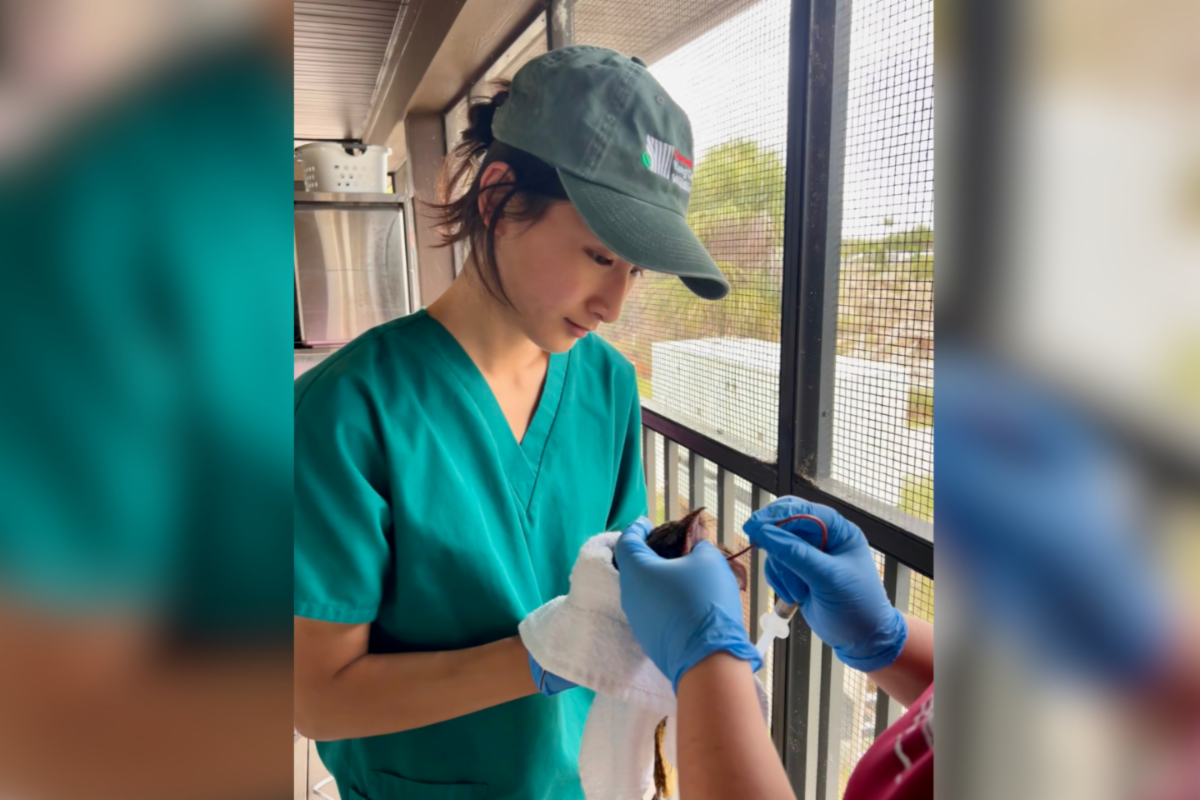
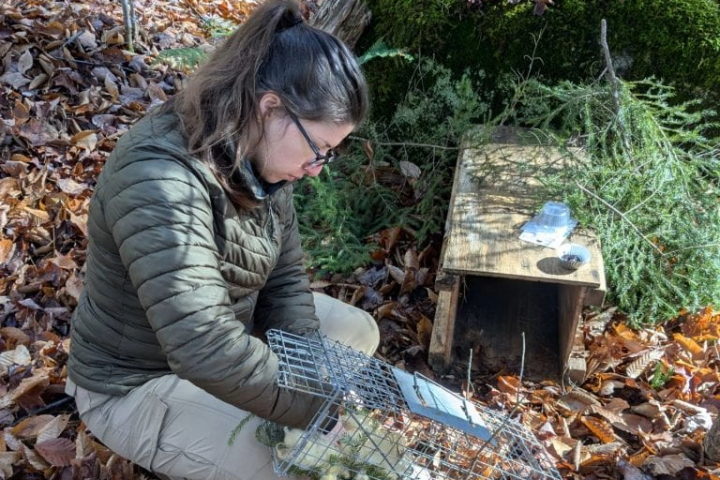
Student working on an animal

My Immersive Experience at the Clinic for the Rehabilitation of Wildlife (CROW)


I spent four incredible weeks externing at the Clinic for the Rehabilitation of Wildlife (CROW) in Sanibel, Florida. For a veterinary student focused on wildlife and zoological medicine, it was one of the most formative experiences of my training so far....

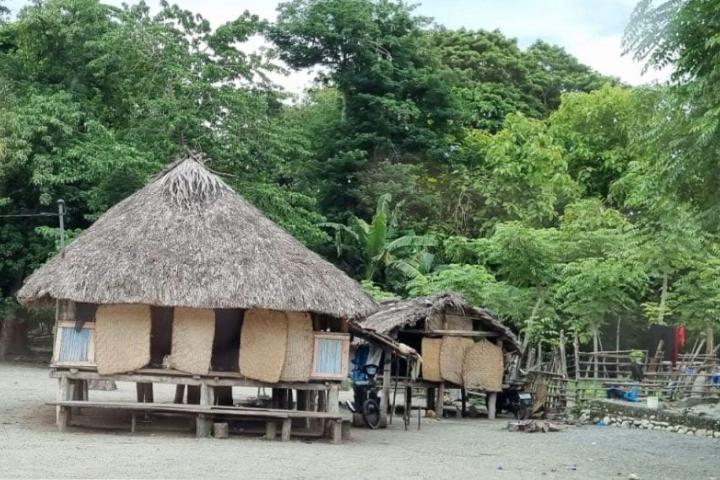
Suai-Loro, a remote fishing village on the coast of Timor-Leste, located a 7-9 hour drive from the capital city Dili

How a Low-Cost Mobile Phone Method Is Changing Dietary Monitoring for Hard-To-Reach Women

Dr. Taylor Haefs in the field

A Conversation with Cornell’s Wildlife Hospital House Officers

Faculty Feature

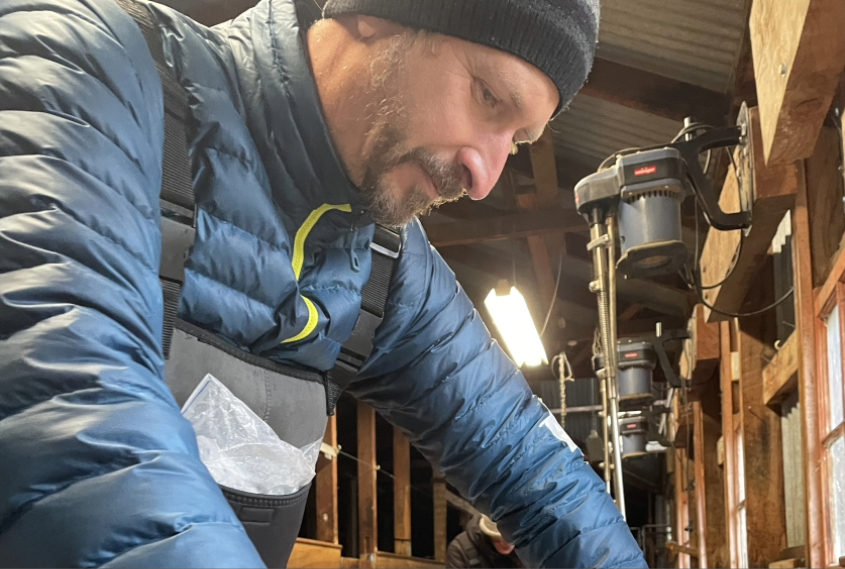
Jan Lovy

New Faculty Profile: Dr. Jan Lovy


Dr. Jan Lovy shares the journey that brought him to Cornell University's College of Veterinary Medicine, where he now serves as an associate professor focused on aquatic animal health.

Watch & Learn

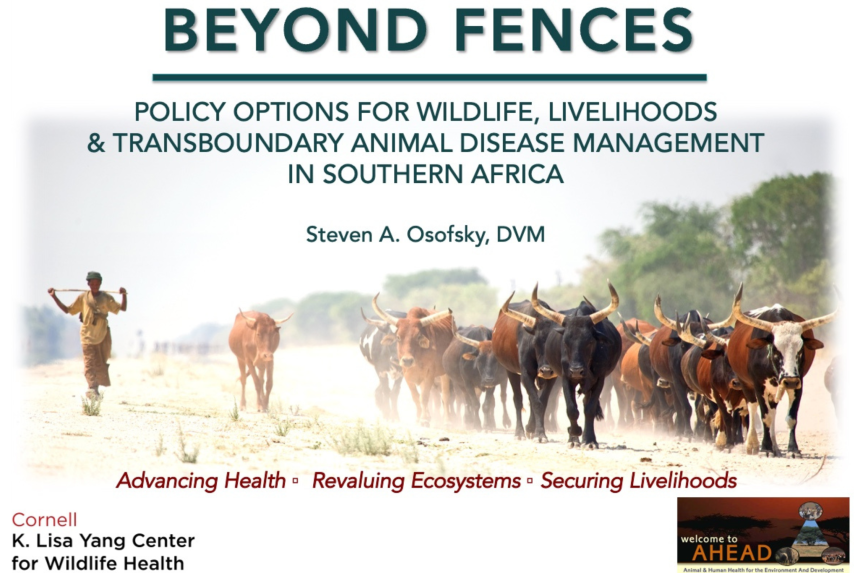
Beyond Fences preview card

Beyond Fences: Policy Options for Wildlife, Livelihoods and Transboundary Animal Disease Management in Southern Africa


Watch Dr. Steve's Osofsky's guest lecture at an African Parks 'Biodiversity and Science Support Research & Conservation Meetup' on June 24, 2026,

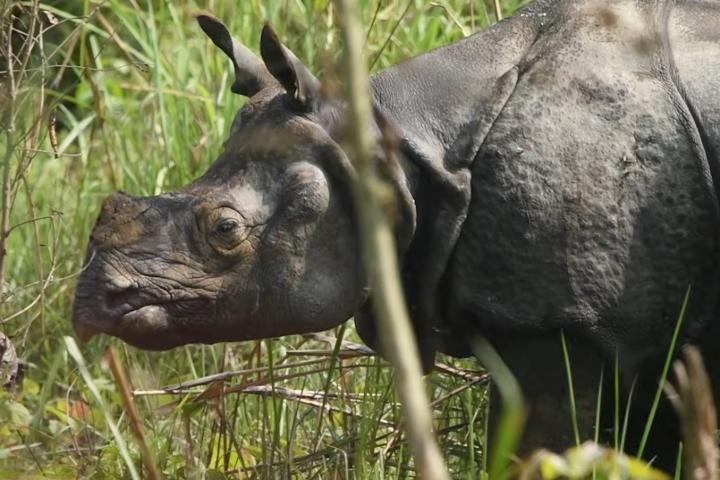
A rhino

Improving Rhino Health in Nepal


Free-Ranging Wildlife Pathology Fellow Dr. Carmen Smith is working in the lowland forests of Nepal—home to nearly a quarter of the world’s greater one-horned rhinos—to investigate why rhino mortality has been increasing despite major reductions in poaching.

For Your Information

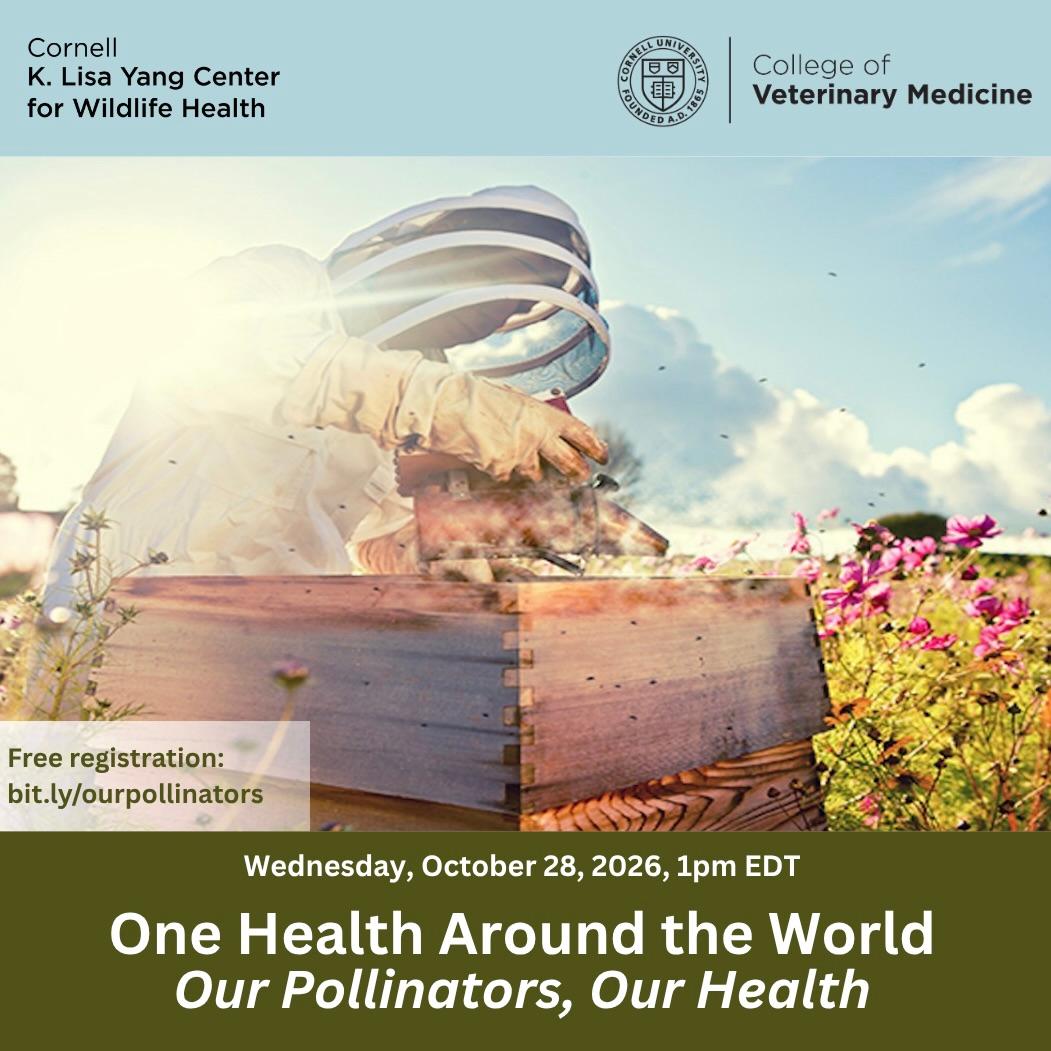
Save the Date for Our Pollinators, Our Health on Wednesday October 28 2026 1pm EDT

One Health Around the World

Our Pollinators, Our Health

October 28, 2026

1pm EDT


in partnership with eCornell


Register now for our next One Health Around the World webinar!

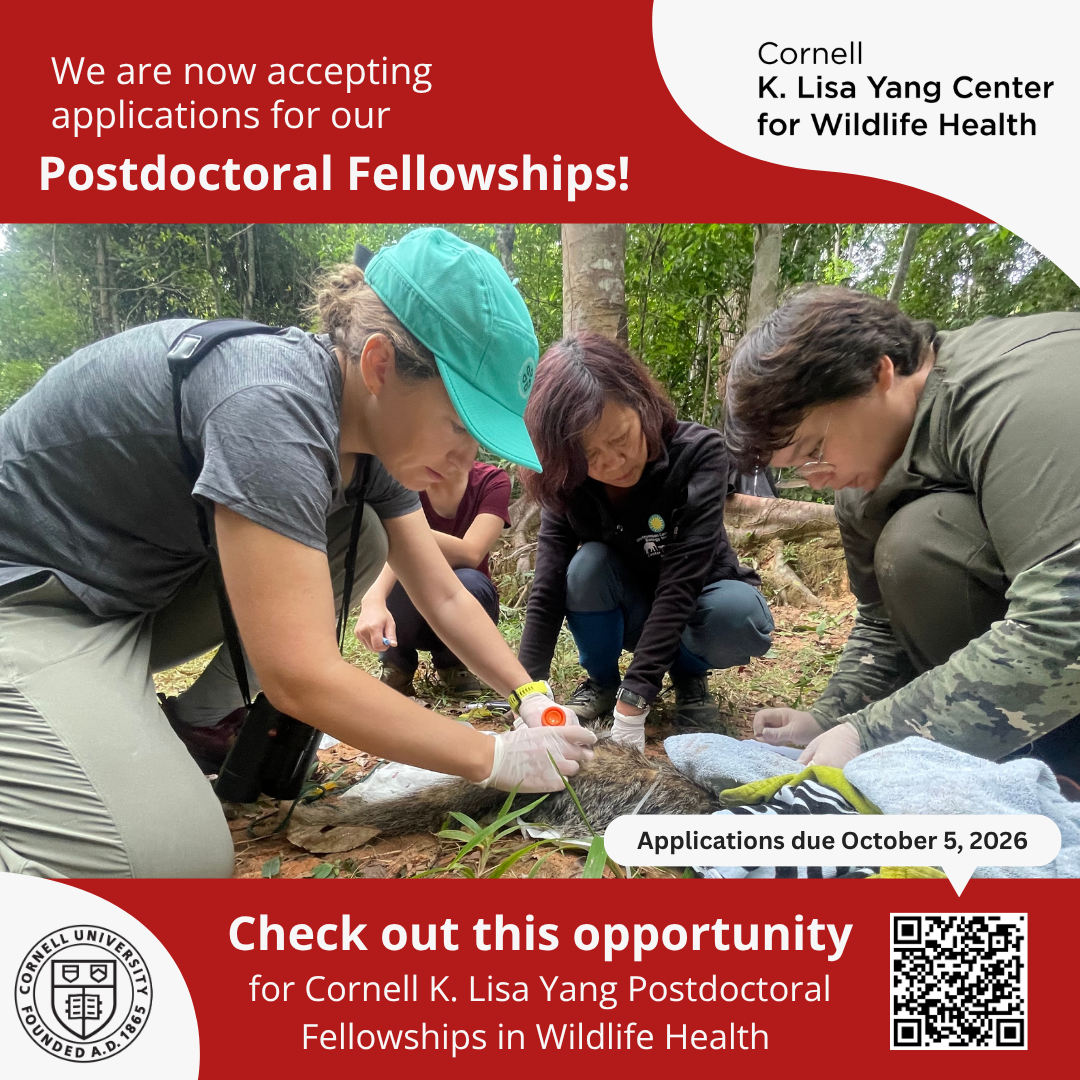
We are now accepting applications for our Postdoctoral Fellowships

Postdoctoral Fellowships Opportunity


Please help share our call for Postdoctoral Fellows far and wide!


Thank you in advance for anything you can do to help alert young up-and-comers interested in wildlife health and related One Health challenges to what we believe is an extraordinary opportunity.

More News & Science

A Mystery Virus Started Killing Horses. Then Humans. Was This the Moment Our Coronavirus Era Began?


Periodic Shifts in Viral Load Increase Risk of Hendra Virus Spillover from Pteropus Bats


Observation of Mange-like Skin Lesions in Snow Leopards (Panthera uncia) and Prey Species in Kyrgyzstan


Successive Disturbances Reveal Internal Strengths and External Barriers to Resilience Within Small-Scale Fishing Communities in the Bahamas

Nature Needs You Now

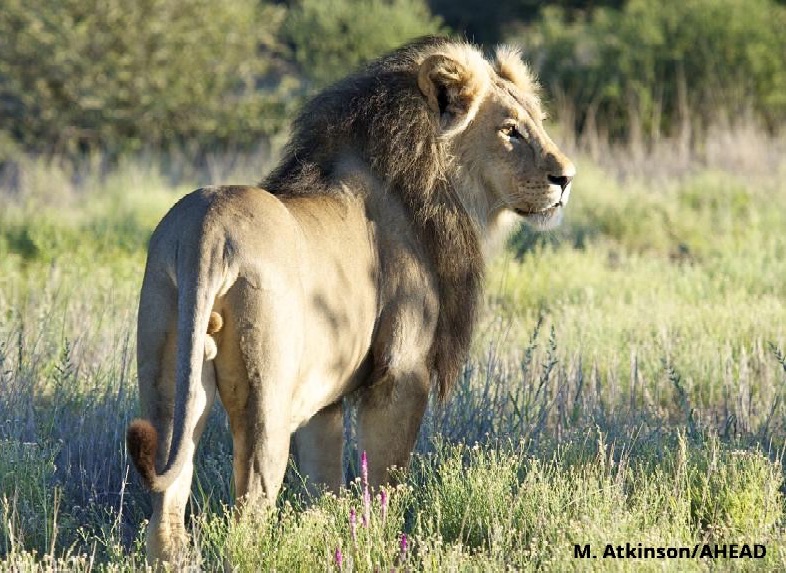
Male lion looking into the sunlight

Our critical wildlife conservation work

is completely dependent upon

the funding we're able to raise.


Will you consider making a gift to the Cornell Yang Center for Wildlife Health?


Your support literally

means the world to us.

Did you know there are many ways to give?

  • Make a gift of securities, including stocks, bonds, or mutual funds
  • Make a qualified charitable distribution from your IRA 
  • Name us as a beneficiary of your estate or trust
  • Donate through your donor-advised fund (DAF)
  • Set up a gift annuity


Please consider supporting the Cornell Yang Center for Wildlife Health by giving online or contacting Alison Smith at 607-254-6129 or ars1@cornell.edu. Thank you!

The Cornell Yang Center for Wildlife Health transforms science into impact through discovery, education, engagement, and policy to ensure a healthy future for wildlife and the environment that supports us all.


To learn more about the Cornell Yang Center for Wildlife Health,

please contact Dr. Steve Osofsky at s.osofsky@cornell.edu or visit our website.


Let us know if you have any comments on this e-newsletter, and forward to a friend if you find it useful! Thank you for your support.

X  Instagram  YouTube  Web

Cornell K. Lisa Yang Center for Wildlife Health | wildlife.cornell.edu | s.osofsky@cornell.edu