Cornell K. Lisa Yang Center for Wildlife Health

March/April 2026

Addressing Wildlife Health in a Rapidly Changing World

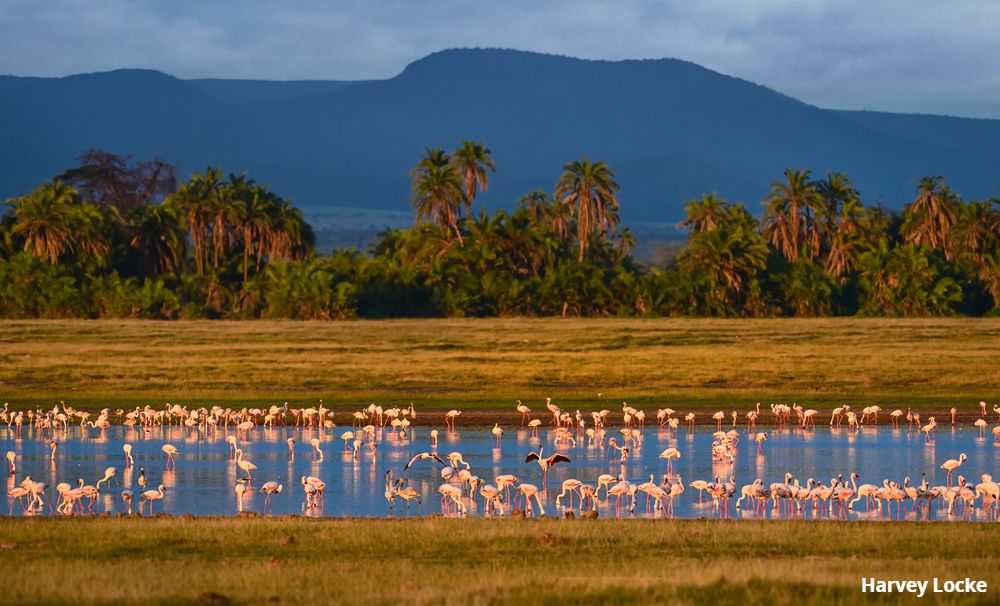
Flamingos in the wild

Dear Friends of the Cornell K. Lisa Yang Center for Wildlife Health,


I'd like to call your attention to an important "hot off the press" publication entitled Nature Positive: Halting and Reversing Biodiversity Loss toward Restoring Earth System Stability. Written by luminaries in their fields, including Cornell disease ecologist Dr. Raina Plowright, this important piece aligns with what our Center is all about. As per first author Harvey Locke, "Too often biodiversity is seen as a ‘nice-to-have’ luxury that takes second place to so-called ‘real world’ concerns about the economy and human development. We show that this is a fundamental misunderstanding of reality. Biodiversity at all scales is integral to the functioning of the planet (including the climate system and freshwater). It is therefore both vital to human well-being, and the context for all economic activity.”

I hope you find this timely paper of interest,


Steve


Steve Osofsky, DVM

Director, K. Lisa Yang Center for Wildlife Health

Jay Hyman Professor of Wildlife Health & Health Policy

Cornell University College of Veterinary Medicine


News Highlights

United Nations symbol

Elevating Spillover Prevention at the 2026 UN High-Level Meeting on Pandemic Prevention, Preparedness, and Response


Leading experts, including Cornell’s Dr. Raina Plowright, highlight the need to elevate spillover prevention to the heart of global pandemic governance via the 2026 UN High-Level Meeting on pandemic prevention. Members of the Lancet–PPATS Commission on Prevention of Viral Spillover and civil society partners lay out five priority areas to confront spillover and its systemic drivers.

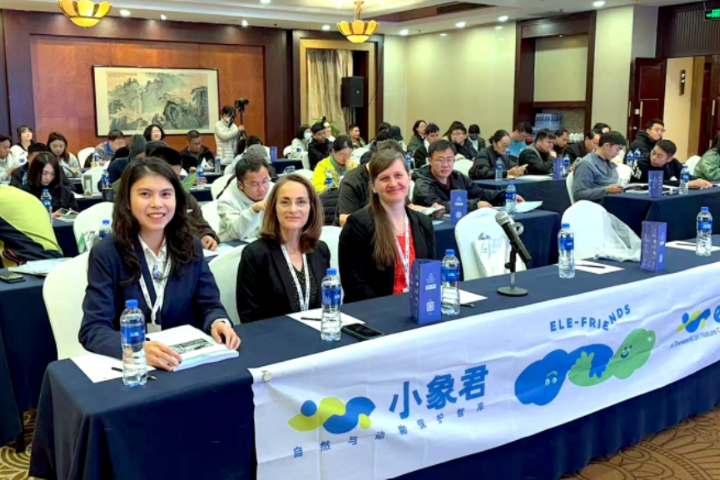
Cornell researchers sit at the table at a conference

Cornell Veterinarians Collaborate Internationally to Advance Wildlife Welfare in China

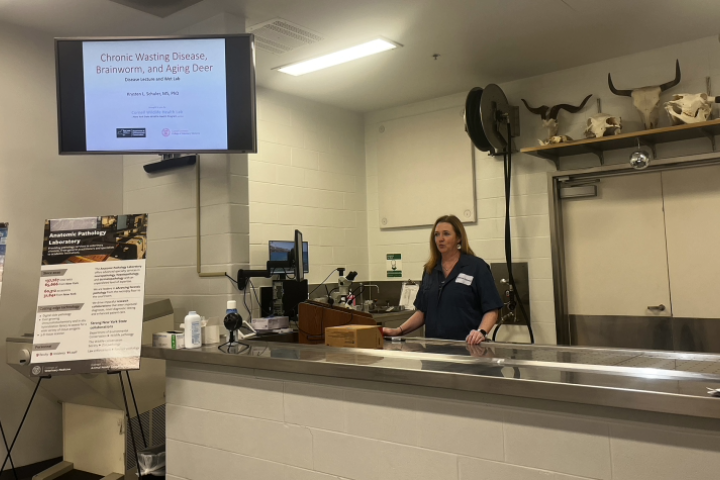
Dr. Krysten Schuler presenting at the head of the room

Wildlife Health Lab Hosts State Training on Chronic Wasting Disease

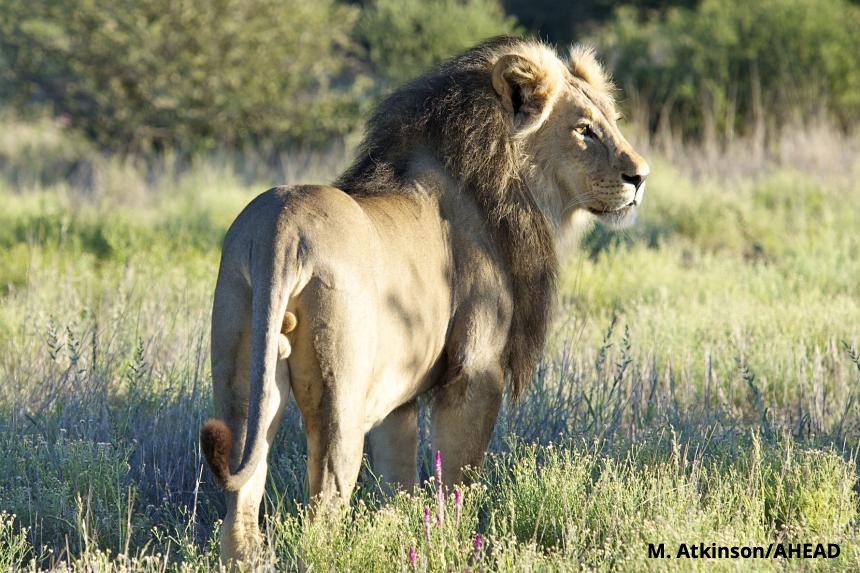
A male lion stands looking towards the sun

Botswana Shows How Smarter Cattle Herding Can Save Lions, Reopen Ancient Wildlife Pathways

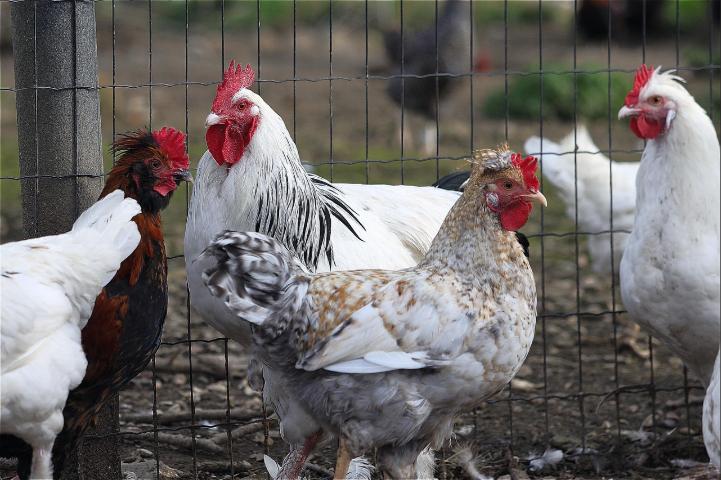
Chickens in a pen

It Could Save Your Life: Connecting the Dots Between Human and Wildlife Health


One World, One Health Features

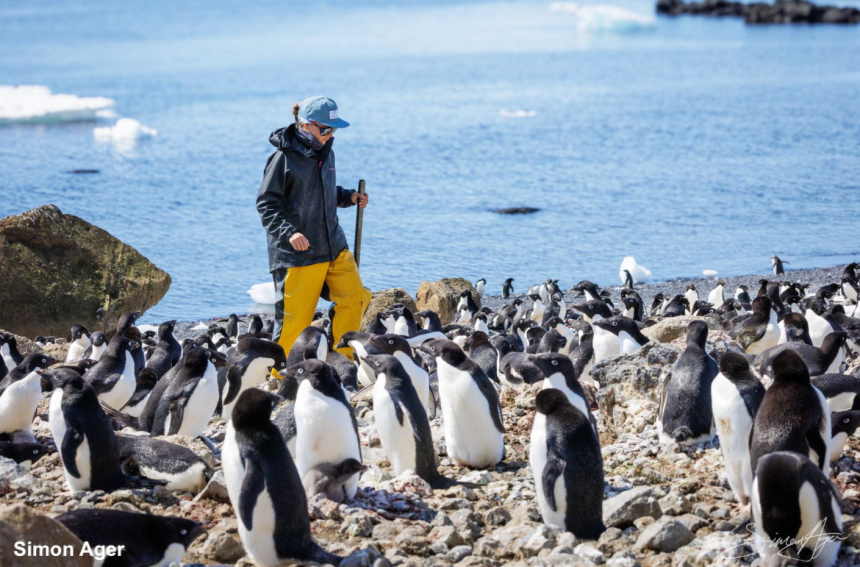
Amandine Gamble walks among penguins

Penguins, Pathogens, and Public Health: A Spotlight on Dr. Amandine Gamble


From the islands of the Subantarctic to the dairy farms of the northeastern U.S., Dr. Amandine Gamble is on a mission to learn how different wildlife species contribute to disease transmission networks.

River in Brazil with Ana Bento overlayed in the corner

Rural Brazil Faces Highest Outbreak Risk of Oropouche Virus


A once-neglected tropical virus is silently spreading across Brazil and putting rural communities at highest risk, according to a new study published in Nature Health led by the Cornell University College of Veterinary Medicine and the University of Kentucky.


Watch & Listen

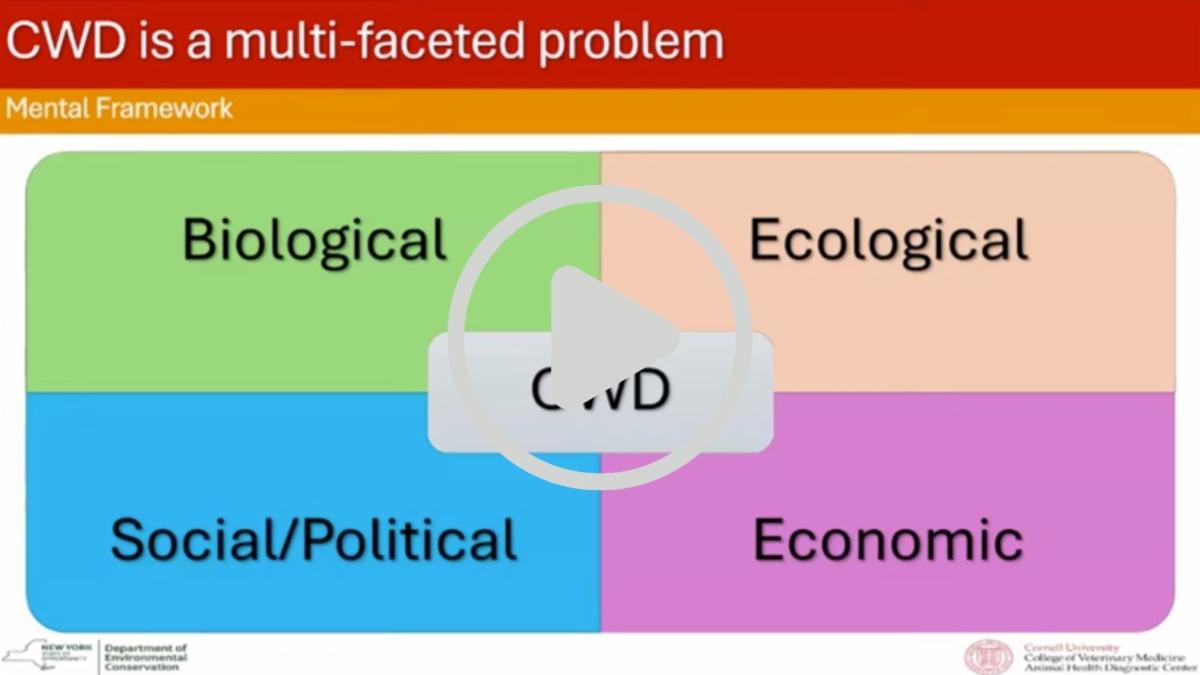
Slide preview on chronic wasting disease as a multifacted problem

Is Chronic Wasting Disease Inevitable? [video]

Wildlife Disease Association logo

Steve and Some Good Gnus in Southern Africa [podcast]


Student Blogs from the Field

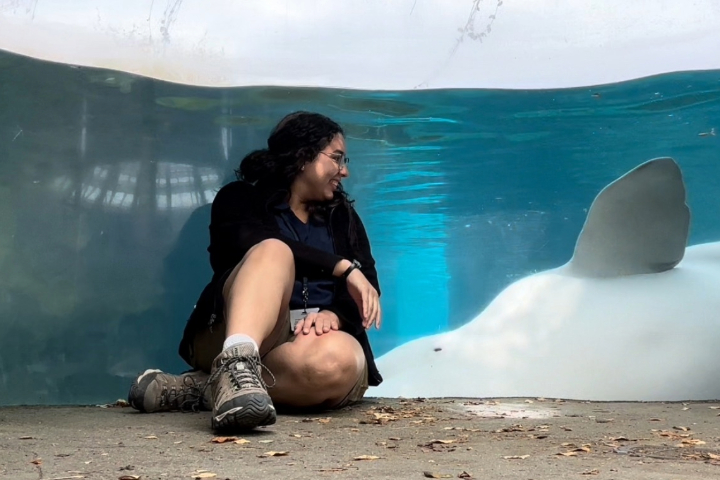
Natalia Antonsanti-Santana, DVM ’25 seated at a dolphin tank

Forging a Path Between Veterinary Medicine and the Ocean


Charting a Career Path in Zoological and Wildlife Medicine


Presenting, Collaborating, and Learning at the Wildlife Disease Association Conference


Wildlife Conservation Gets a Seal of Approval


Zoo and Wildlife Medicine in Australia


Becoming Veterinary A-“fish”-ionados in AQUAVET I


More Science & News

Health Status and Drivers of Endoparasite Infection in a Low-Density Moose (Alces alces) Population


Regional Pathogen Surveillance of Free-Ranging Wild Turkeys (Meleagris gallopavo) in North Carolina, USA


Hunting and Transnational Socio-Ecological Relations Among Myanmar Refugees in Upstate New York


Transmission Dynamics of Oropouche Virus in Latin America and the Caribbean


Culicoides (Diptera: Ceratopogonidae) in Extra-Amazonian Oropouche Outbreak Areas of Minas Gerais, Brazil: Ecological Insights into Virus Transmission


Avian Flu Suspected for Causing Bird Deaths in Orange County, Preliminary Tests Show


Avian Flu Strikes California’s Northern Elephant Seals; Area Quarantined

The Cornell Yang Center for Wildlife Health transforms science into impact through discovery, education, engagement, and policy to ensure a healthy future for wildlife and the environment that supports us all.


To learn more about the Cornell Yang Center for Wildlife Health,

please contact Dr. Steve Osofsky at s.osofsky@cornell.edu or visit our website.


Let us know if you have any comments on this e-newsletter, and forward to a friend if you find it useful! Thank you for your support.

 
X  Instagram  YouTube  Web

Cornell K. Lisa Yang Center for Wildlife Health | wildlife.cornell.edu | s.osofsky@cornell.edu