Cornell K. Lisa Yang Center for Wildlife Health

May/June 2026

Addressing Wildlife Health in a Rapidly Changing World

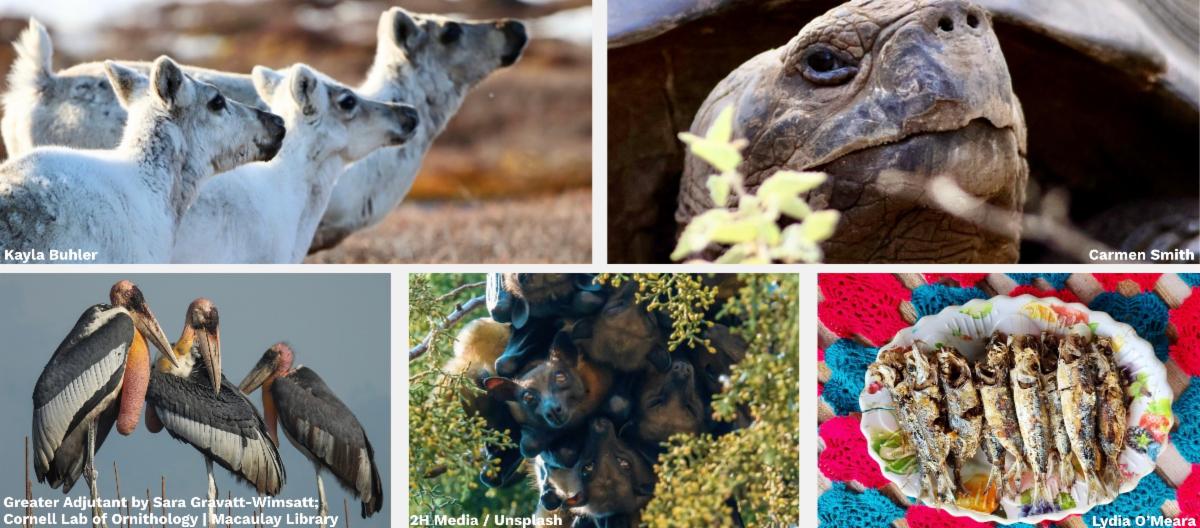
collage of project photos


Dear Friends of the Cornell K. Lisa Yang Center for Wildlife Health,


We are delighted to announce the latest round of Catalyzing Conservation Fund (CCF) grants. This year, five innovative projects have been selected to address urgent challenges wild species and local communities face across four continents and an array of marine and terrestrial ecosystems, from the tropical waters of the Indo-Pacific Coral Triangle to the frozen tundras of the circumpolar Arctic.


Across the globe, the natural world is under increasing pressure from a range of threats, including but not limited to emerging infectious diseases, climate change, habitat loss, and unsustainable use. Addressing these complex threats requires innovative approaches to monitoring wildlife health, strengthening partnerships with local communities, and implementing integrated strategies that advance environmental, animal, and human health and well-being.


Each project represents a strategic collaboration poised to translate research into conservation action. We hope you enjoy reading more about this work.

Yours in One Health,


Steve


Steve Osofsky, DVM

Director, K. Lisa Yang Center for Wildlife Health

Jay Hyman Professor of Wildlife Health & Health Policy

Cornell University College of Veterinary Medicine

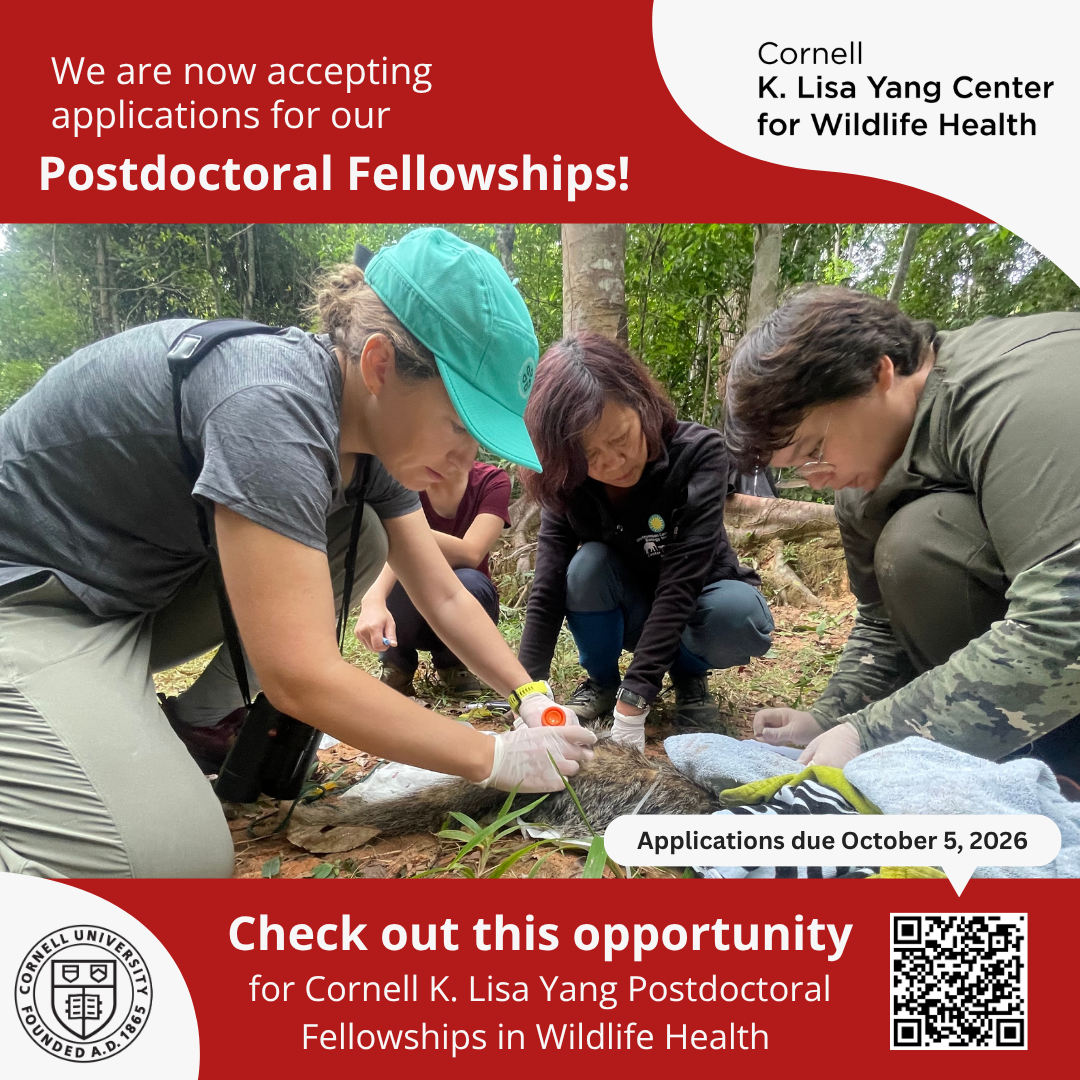
We are now accepting applications for our Postdoctoral Fellowships

Please help share this call for Postdoctoral Fellows far and wide!


Thank you in advance for anything you can do to help alert young up-and-comers interested in wildlife health and related One Health challenges to what we believe is an extraordinary opportunity.

PS- We’ll also soon be announcing our newest cohort of Cornell K. Lisa Yang Postdoctoral Fellows in Wildlife Health (who are starting this summer)!

News Highlights

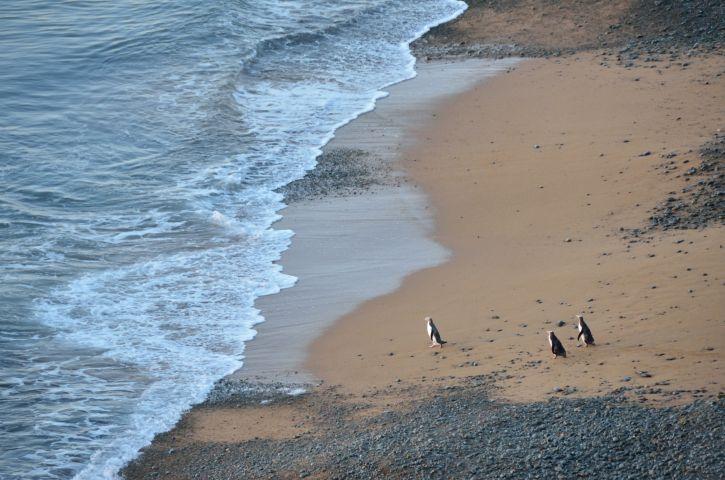
Penguins at a distant beach

Genetic Drivers of Disease Susceptibility in Endangered Penguin Populations


A genome-wide study of endangered penguins in the context of infectious disease outbreaks highlights the need for tailored conservation management for species with fragmented populations.

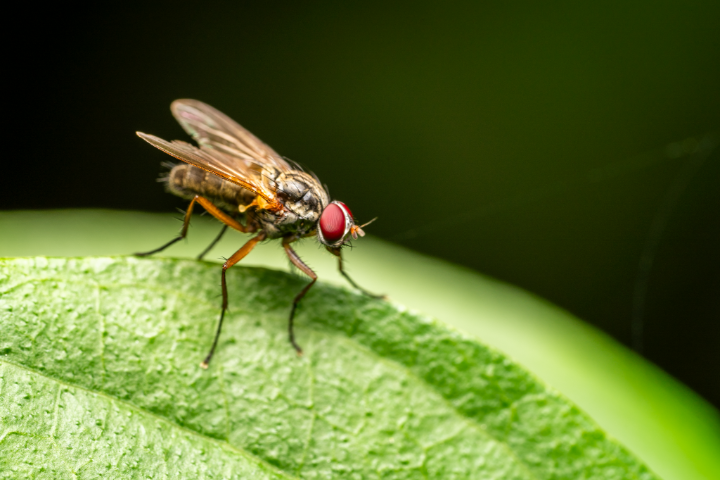
Screwworm fly

A Flesh-Eating Screwworm Is in the US. How Worried Should We Be?


A species of fly with flesh‑eating larvae thought eradicated decades ago has been found in Texas, its first return to the United States in generations.

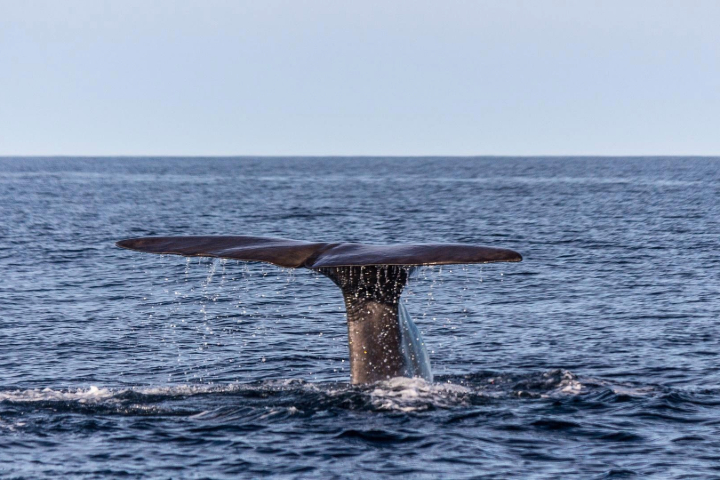
A whale tail poking out of the ocean water

Four Sperm Whale Strandings Point to Potential Human Causes


Sperm whales that stranded separately on southeastern U.S. coastlines between 2020-22 were emaciated and malnourished, with ingested fishing gear and marine debris found in two of them, according to a new study that compared the four cases.

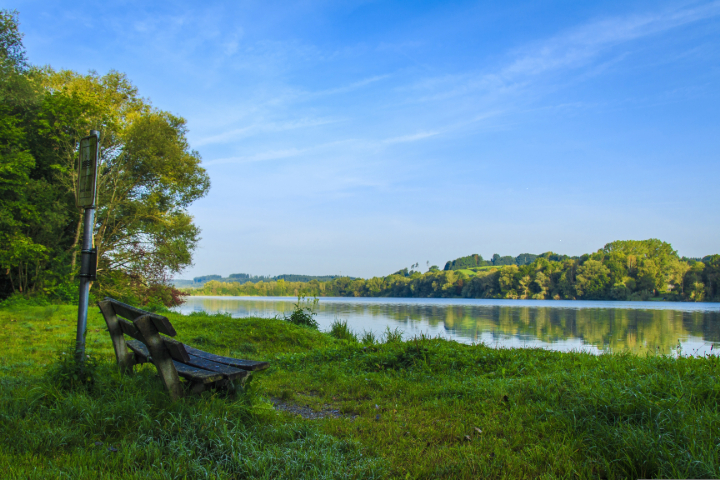
Grassy waters edge with a wooden bench

Early Harmful Algal Blooms in Cayuga Lake Shock Researchers


Cornell's Dr. Katie Fiorella weighs in as researchers find surprising pop-ups of harmful algal blooms in Cayuga Lake, even in cooler temperatures.

Student Blogs from the Field

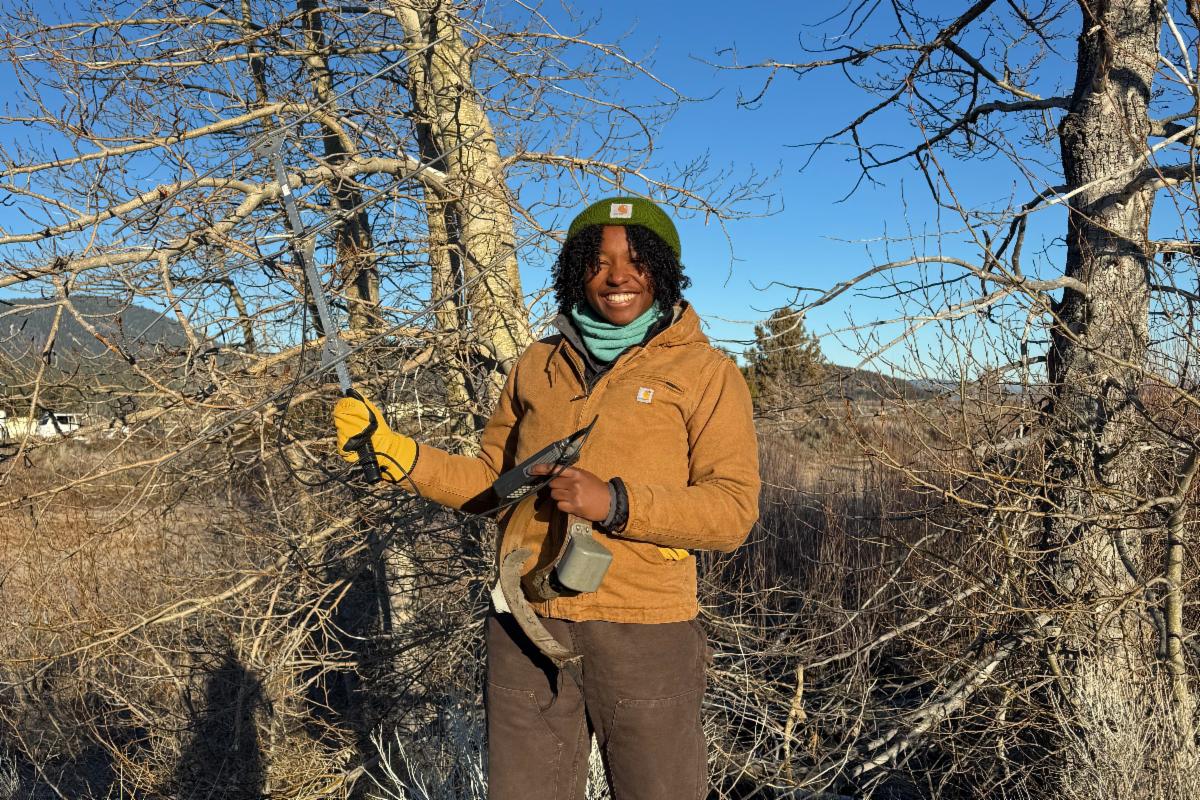
veterinary student in the field with tracking equipment

Collaborations Across Ecosystems Support Wildlife Population Health in California


California is home to an extensive array of landscapes and wildlife: deserts with bighorn sheep and kit foxes, coastlines home to marine mammals and shorebirds, dense mountain forests hiding prowling mountain lions, and mountain meadows where wolf packs run....

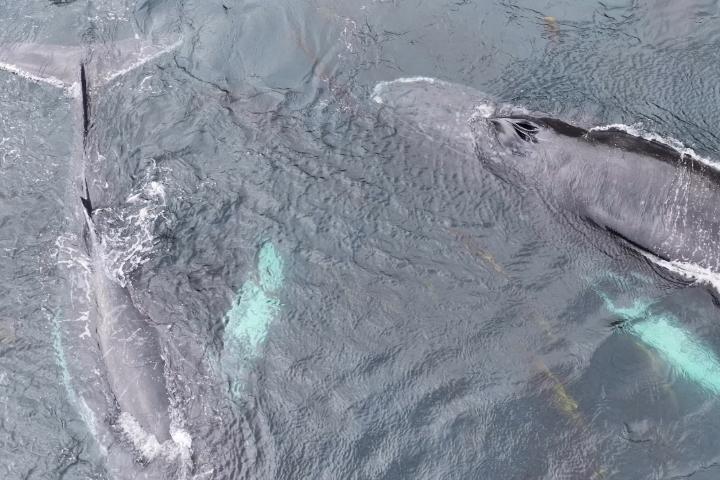
Two whales in the water from above

A Month in Chile and a Clearer Path Forward

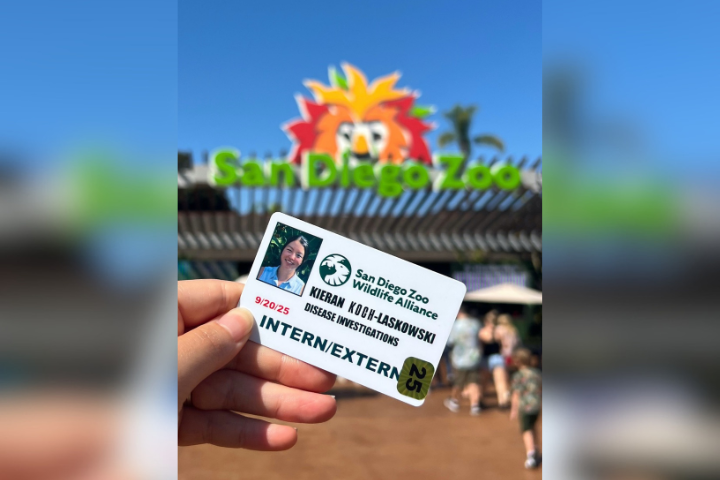
Student's ID card in front of the Zoo entrance

Wildlife Conservation Through a Pathologist’s Lens

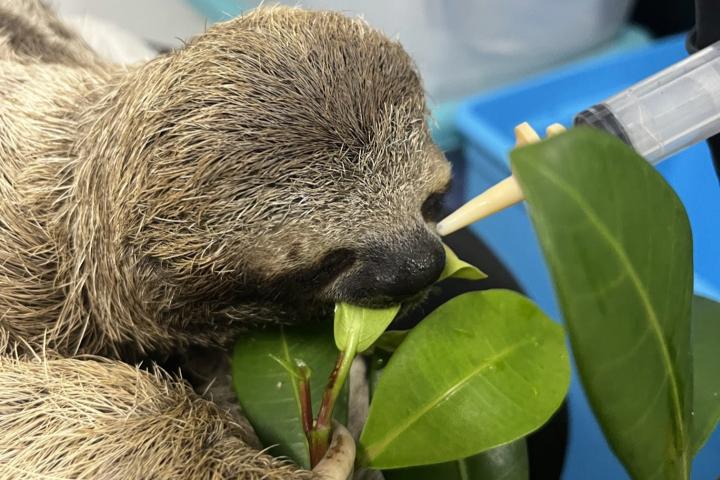
A sloth eating leaves while medicine is administered

Studying Sloths Through the Scope: A Summer of Conservation in Costa Rica

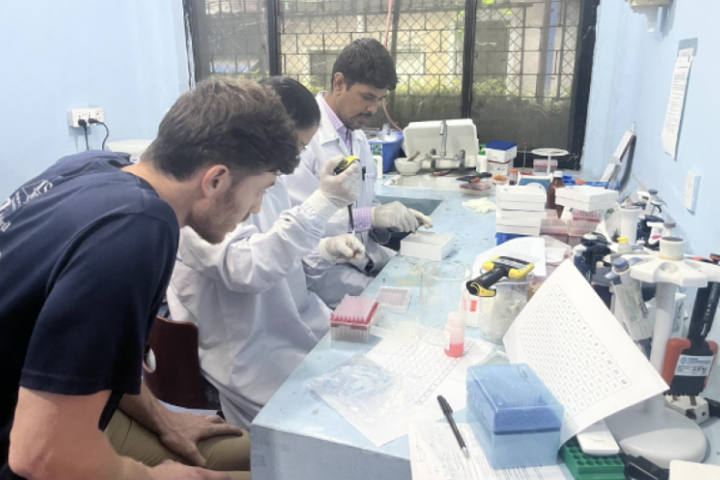
Three students working at a research lab bench

Beyond Blood Samples; Building Veterinary Trust in Remote Regions

Scientific Publications by Center Affiliates

Spatio-Temporal Dynamics of Hendra Virus in Australia Reveal Stable Maintenance of Diverse Viral Clades Among Pteropus Bats


Exploring Management Options for Moose at Their Southern Range Limits Considering Growing Disease Risk


Characterizing Tilapia Cage Aquaculture Biosecurity and Production Practices in Lake Victoria, Kenya


Leopard Occupancy and Habitat Use in the Multi-Use Chitwan-Annapurna Landscape, Nepal


Interested in exploring more primary literature? Check out our new annual compilation of Publications by Center Affiliates.

Nature Needs You Now

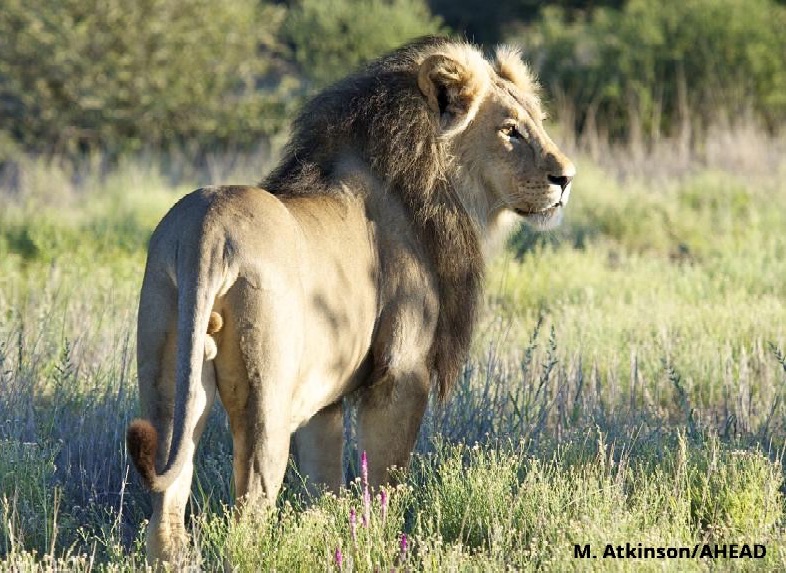
Male lion looking into the sunlight

Our critical wildlife conservation work

is completely dependent upon

the funding we're able to raise.


Will you consider making a gift to the Cornell Yang Center for Wildlife Health?


Your support literally

means the world to us.

Did you know there are many ways to give?

  • Make a gift of securities, including stocks, bonds, or mutual funds
  • Make a qualified charitable distribution from your IRA 
  • Name us as a beneficiary of your estate or trust
  • Donate through your donor-advised fund (DAF)
  • Set up a gift annuity


Please consider supporting the Cornell Yang Center for Wildlife Health by giving online or contacting Alison Smith at 607-254-6129 or ars1@cornell.edu. Thank you!

More in the News

It’s Already a Bad Tick Season. Here’s How to Protect Yourself. [The New York Times]


With Fears of Hantavirus Outbreak, Here’s the Real Pandemic Risk [USA Today]


Cornell Atkinson Awards Drive Progress In Tech, Ag, Sustainability

The Cornell Yang Center for Wildlife Health transforms science into impact through discovery, education, engagement, and policy to ensure a healthy future for wildlife and the environment that supports us all.


To learn more about the Cornell Yang Center for Wildlife Health,

please contact Dr. Steve Osofsky at s.osofsky@cornell.edu or visit our website.


Let us know if you have any comments on this e-newsletter, and forward to a friend if you find it useful! Thank you for your support.

X  Instagram  YouTube  Web

Cornell K. Lisa Yang Center for Wildlife Health | wildlife.cornell.edu | s.osofsky@cornell.edu