|
Please share this edition of Wildlife Highlights with other outdoor enthusiasts
and help our subscription list grow!
| |
Spring Has Arrived for Connecticut's Black Bears | |
|
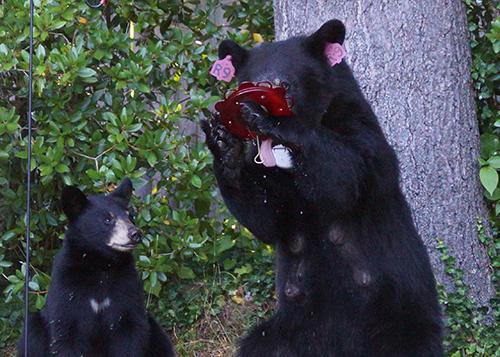
Black bears throughout the state are back to their normal activity patterns now that warmer weather is returning. The Wildlife Division advises residents to remove bird feeders no later than April 1st, even if you are in an area with less bear activity. Bird feeders and garbage continue to be the primary food attractants that lure bears into yards, which leads to increasing conflicts with people. These issues have led some towns to adopt feeding ordinances that put restrictions on food attractants. As the bear population continues to expand into existing good quality habitat around the state, it remains crucial that residents take steps to coexist responsibly. In towns where bears are relatively new, it is very important that residents are proactive and prevent issues related to food-conditioning.
Report a black bear sighting . . .
Learning to Live with Bears . . .
Tips for Living with Black Bears (video) . . .
| |
Connecticut's Bald Eagle Numbers Soar | |
|
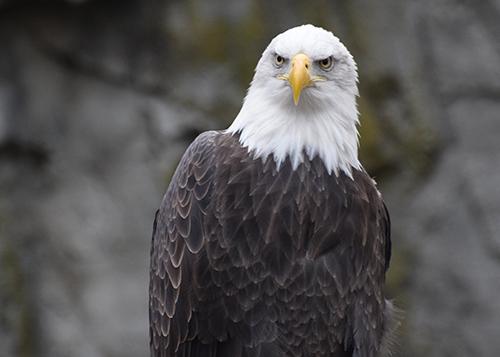
In the past decade, the number of bald eagle nesting territories in Connecticut has more than tripled! At this time of year, bald eagle chicks are beginning to hatch. Once the first egg in a nest hatches, the adult eagles will begin to bring food to the nest and continue to make regular food deliveries until the chicks are ready to fly. The adults will tear the food into small bits for the young chicks, and as the chicks grow older, they will learn to feed on their own. Connecticut Public Radio recently interviewed Supervising Wildlife Biologist Brian Hess to learn more about the remarkable success Connecticut's bald eagle population.
More on CT's bald eagles . . .
| |
In Search of Mallard Nests | |
|
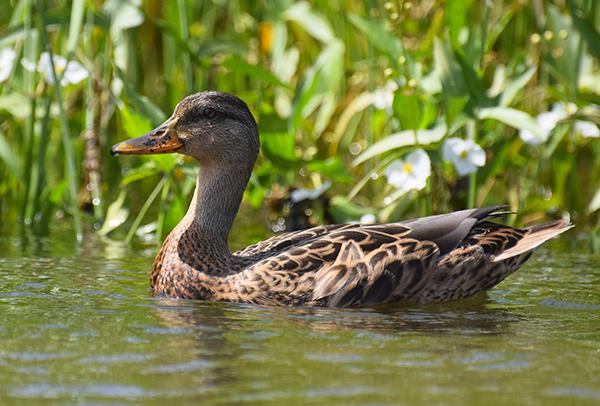
The Wildlife Division is beginning a large-scale project to assess nesting success, nest habitat selection, brood movement, and habitat selection in mallard ducks. Mallards are seemingly very adaptable, much more so than our native puddle duck, the iconic black duck. Our landscape has changed in the past 30 years with more development and wetland loss. At the same time, the suite of medium-sized mammals - potential predators of mallards or their nests, eggs or chicks - has increased. This study will allow the Wildlife Division to assess how mallards have adapted to these changes and how their productivity has been affected.
Division biologists are requesting assistance in finding nests. If you have mallards nesting on your property or find an active nest, please contact the Division's Migratory Bird Program at min.huang@ct.gov.
| |
If You Care, Leave It There | |
|
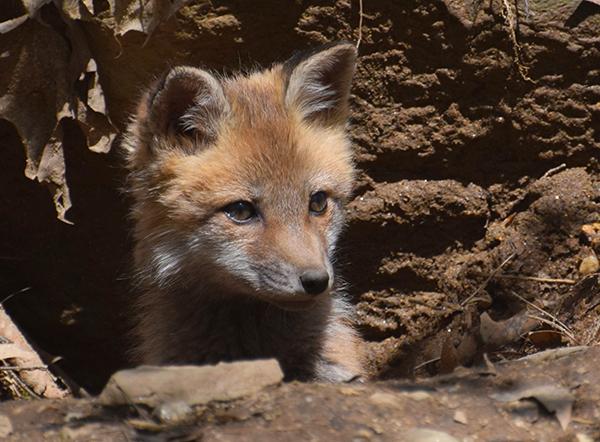
Every year, especially during spring, the lives of many wild animals are disturbed by well-intentioned people who take young animals from the wild in an attempt to "save" them. Unfortunately, these actions often have the opposite effect and can jeopardize the survival of the young. Young animals may appear to be "abandoned" but an adult is likely close by, waiting for you to leave. The best thing you can do for young wildlife is to leave them alone. If you are certain that a wild animal has been injured or orphaned, before touching it or moving it, please consult the DEEP website for a list of licensed wildlife rehabilitators. If you have any questions, please contact us at deep.wildlife@ct.gov.
More on dealing with distressed wildlife . . .
| |
Watching Spring Migration from Your Computer? | |
|
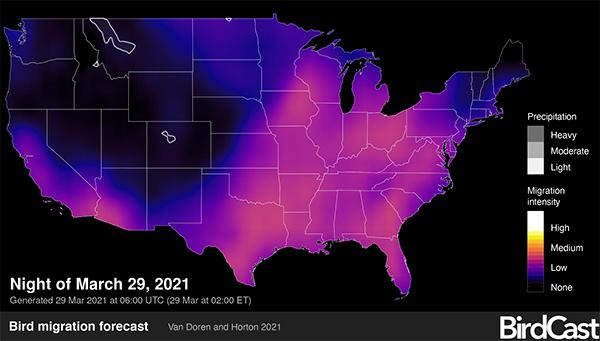
Large flocks of birds have started their annual migration north towards their breeding grounds. Across much of the country, migratory activity can actually be detected using weather radar. Large flocks of birds in the sky produce radar signatures similar to precipitation, and scientists have found ways to differentiate nocturnal bird migrations with typical weather radar data. Online tools like Birdcast.info can show migration forecasts and even real-time analysis of migration activity, showing the intensity of activity and direction of travel. These tools not only help us appreciate the scale of annual migration activity that passes through our state, but can also help you plan your next bird watching trip!
Check out migration activity HERE . . .
| |
How YOU Can Help Migrating Birds | |
|
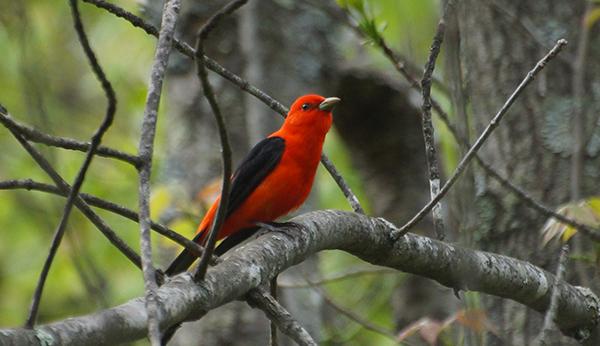
The best way to help during migration is also the best way to help throughout the entire year -- it centers on supporting native bird habitat in your own backyard. Most songbirds, including many migrants like this scarlet tanager, eat insects. Native plants support the healthy insect populations that birds seek for food. Many native plants also produce fruits or seeds, making them natural, sustainable, year-round bird feeders. In addition, native plants provide shelter for tired songbirds to recover between long migratory flights. Finally, providing a clean source of water will complete your songbird oasis, allowing birds to bathe and rehydrate before heading out for another night of migration.
Are you seeing and hearing new birds arriving already? Share your observations with others using a community science app like eBird and iNaturalist, or visit the Wildlife Division's community-science webpage to see how you can get involved.
More on our community science opportunities . . .
| |
Virtual Wild Turkey Hunting Clinic | |
|
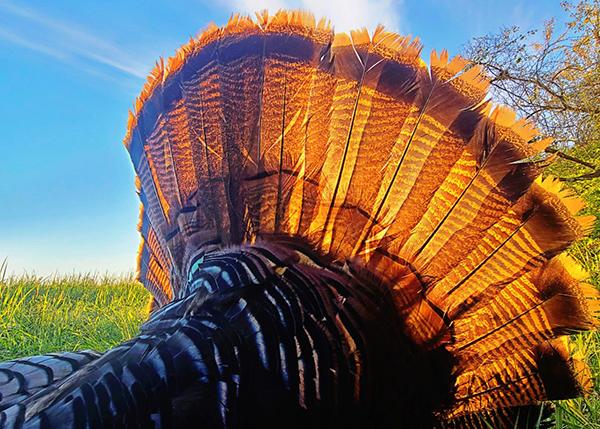
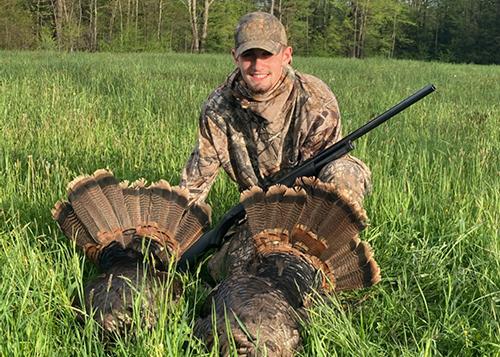
The Connecticut Conservation Education/Firearms Safety (CE/FS) Program is offering a virtual Wild Turkey Hunting Clinic on Saturday, April 10, 2021 from 9:00 am to 12:00 pm. Registration is now open for this FREE popular clinic. Both experienced and first-time turkey hunters stand to benefit from attending. You will learn about safe hunting practices, specialized equipment, calls and decoys, site setup, and other strategies for harvesting turkeys. Photo courtesy of Carl Ciarcia.
Register HERE
| |
2021 Spring Turkey Junior Hunter Training Days | |
|
Each year, Connecticut designates specific days when experienced adult hunters are encouraged to take a youth hunting. This helps them learn safe and effective hunting practices, develop observational skills, gain confidence, and build a comfort level needed to further their hunting skills. The 2021 Spring Turkey Junior Hunter Training Days take place Saturday, April 17 through Saturday, April 24 (excluding Sunday). Adult mentors may assist in calling turkeys during the legal hunting hours of 1/2 hour before sunrise to sunset. Harvested turkeys must be tagged and reported (more info).
More on Junior Hunter Training Days . . .
| |
This Year, Help #SharetheShore | |
|
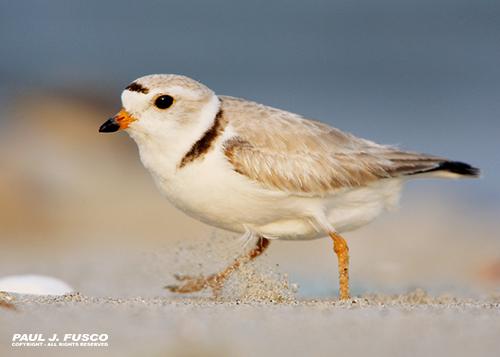
Piping plovers are back in Connecticut and hanging out on coastal beaches! Some of the plovers will continue their migration north, but many will stay here to establish their nesting territories. Pairs typically lay their eggs by late April in a shallow depression in the sand often lined with shells. With warm weather coming soon, remember to #SharetheShore with nesting birds when visiting our coastal beaches. Please #BeAGoodEgg by keeping your pets on a leash (although off the beach is best) when nesting season is underway.
More on how to #SharetheShore
| |
Species of the Month: Spotted Turtle | |
|
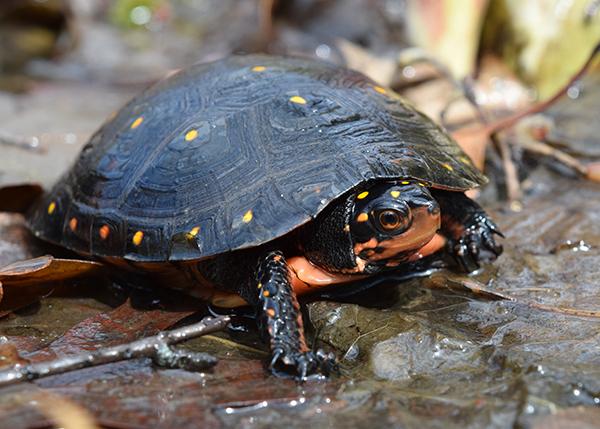
This small charismatic turtle is characterized by a smooth, bluish-black carapace (top shell) with yellow-orange spots. It uses shallow water bodies, including unpolluted bogs, pond edges, ditches, marshes, fens, vernal pools, red maple swamps, and slow-moving streams. The spotted turtle is a Species of Special Concern in Connecticut and cannot be collected from the wild. Spotted turtle populations are declining due to illegal collection and the loss and fragmentation of their habitat. You can help spotted turtles (and other turtle species) by leaving them in the wild. Wild turtles should never be kept as pets. Whether collected singly or for the pet trade, turtles that are removed from the wild are no longer able to be a reproducing member of a population.
More on the spotted turtle . . .
| |
|
Stay Connected!
Follow us on Social Media
| |
|
-- Quick Links --
Your Feedback Is Important to Us!
Send your comments or suggestions to deep.ctwildlife@ct.gov
|  | The Connecticut Department of Energy and Environmental Protection is an Affirmative Action/Equal Opportunity Employer that is committed to complying with the requirements of the Americans with Disabilities Act. Please contact Barbara Viadella or Cenit Mirabal, DEEP Office of Diversity and Equity at 860-418-5910 or by email at deep.accommodations@ct.gov if you are requesting a communication aid or service, have limited proficiency in English, need some other type of accommodation, or if you wish to file an ADA or Title VI discrimination complaint. In order to facilitate efforts to provide an accommodation, please request all accommodations as soon as possible following notice of any agency hearing, meeting, program or event. | | | | |