|
Please share this edition of Wildlife Highlights with other outdoor enthusiasts
and help our subscription list grow!
| |
Changes Coming to Hunting and Trapping Guide | |
|
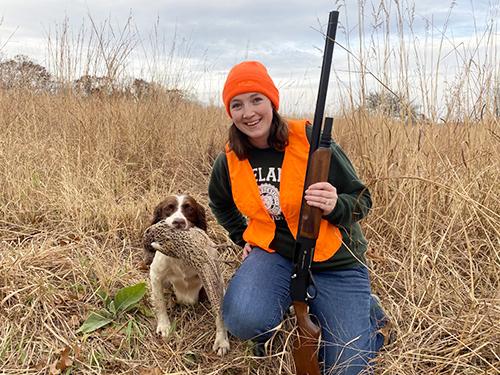
The 2022 Connecticut Hunting and Trapping Guide is now available online HERE. This digital format allows you to quickly check a law, confirm legal hunting hours, look up season dates, and more – from anywhere, anytime. A downloadable PDF will be available in the near future, which can be accessed on a mobile device while out in the field. A Spanish version will also be available in 2022.
The magazine style guides for hunting and fishing published in previous years are being replaced by limited copies of guides printed with text only and no color, images, or advertisements. Those who do not have access to the internet through a computer or mobile device will be able to get a printed copy if needed. By using digital guides in place of printed ones, you are helping save valuable dollars for fish and wildlife. Outdoor users are encouraged to find the guides (fishing, hunting and trapping, boating) on the DEEP website as e-books or downloadable PDFs, as well as related information, on our new webpage: Connecticut Outdoor Guide Books.
The downloadable PDFs of the guides can be saved to your mobile device for reference even if you do not have cell service. Hunters and trappers will also be able to download and print harvest tags, permission slips, and a listing of public hunting areas, as well as find out how to report harvests from the website. Any new updates or changes that occur during the year related to hunting and fishing can also be found readily on the website so that you can have the most recent information at your fingertips.
| |
Available NOW! Conservation of Amphibians and Reptiles in CT | |
|
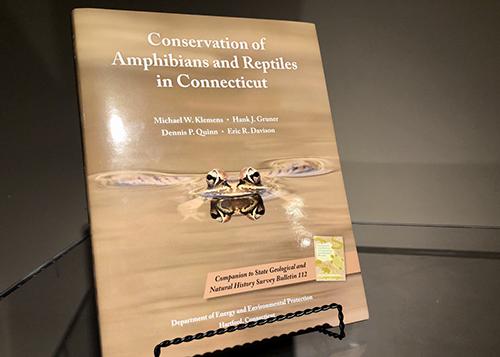
Looking for a great holiday gift for your wildlife enthusiast? Taking conservation efforts beyond the recovery of any one species, the new publication, Conservation of Amphibians and Reptiles in Connecticut, provides a broader understanding of key conservation challenges and explores ways we can begin to address – and hopefully resolve – the decline in many groups of reptiles and amphibians.
The 305-page, detailed text includes 131 color photos, species account maps, and conservation solutions for the complex challenges Connecticut’s amphibians and reptiles face. This book is currently available for purchase at the Sessions Woods Wildlife Management Area, 341 Milford Street (Route 69), in Burlington, Connecticut (by check or cash only) (directions). In the near future, purchases can also be made online at the CT DEEP Bookstore.
All proceeds from the sale of this publication go to the conservation of Connecticut’s reptiles and amphibians. Thank you for supporting Connecticut’s wildlife!
| |
Be Responsible When Viewing Wildlife | |
|
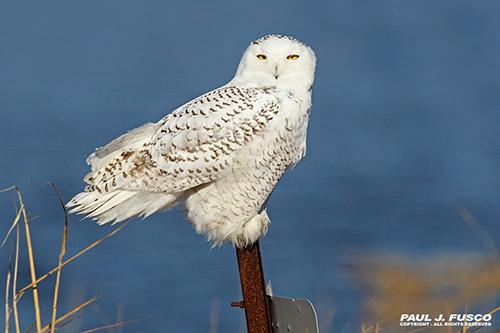
Winter can be a stressful time for wildlife, especially for migrating and overwintering birds, including the ever popular snowy owl. Many birds are either en route to their wintering grounds and passing through Connecticut to rest and refuel, or are here to forage and spend the winter if weather conditions are favorable. Following are some easy tips on how to view wildlife responsibly and ethically while enjoying the outdoors this season.
- Do not pursue wildlife or move closer to get a photograph or better view.
- Give wildlife plenty of space with a wide escape route.
- If wildlife changes its behavior (moves away from you or is looking at you), you are too close and should back away.
- Invest in optics, such as binoculars, spotting scopes, or upgrade your camera gear with a strong zoom lens to view wildlife up close.
- Be respectful to both the wildlife and other people who are also wildlife watching or participating in other outdoor activities nearby.
| |
Most Bears Will Be Denning Soon | |
|
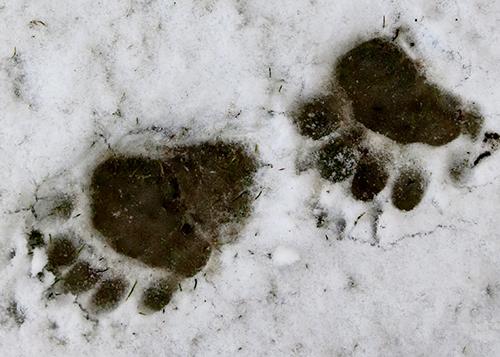
Black bears have been busy fattening up for what could be months of cold winter weather. As temperatures are dropping more each week, you can expect bear activity to decline as they begin to den. While denning straight through most of winter is necessary for pregnant female bears, all others can remain active, especially when temperatures are mild and food is available. Even if you do not live in an area with regular bear activity, you should continue to "Be Bear Aware" year-round. You may also want to secure open areas under decks, sheds, or other crawl spaces to prevent bears from using those sheltered areas for denning.
More on bears in winter . . .
| |
Providing Nesting Sites for an Iconic Species | |
|
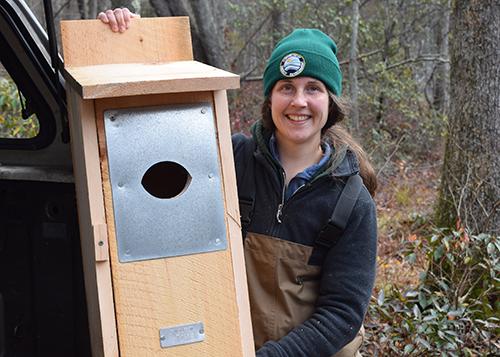
The recovery of the wood duck is an outstanding example of successful wildlife management. Unlike the more commonly seen mallard duck, wood ducks nest in tree cavities but cannot excavate their own nest holes. Hens are reliant on using pre-existing cavities wherever they can be found but will usually select ones located in close proximity to water. Nesting sites are provided by erecting specially-constructed nest boxes in suitable habitat. Throughout the year, DEEP Wildlife Division waterfowl biologists monitor and maintain wood duck nest boxes across state land. Damaged and worn boxes are replaced, and biologists conduct a productivity check at each box, closely examining the remnants of nesting material from this past season. Properly maintained wood nest boxes can help increase wood duck populations on a localized level. Today, the Division maintains nearly 400 nest boxes annually on state land!
More on the wood duck . . .
| |
Tips for Feeding Birds During Winter | |
|
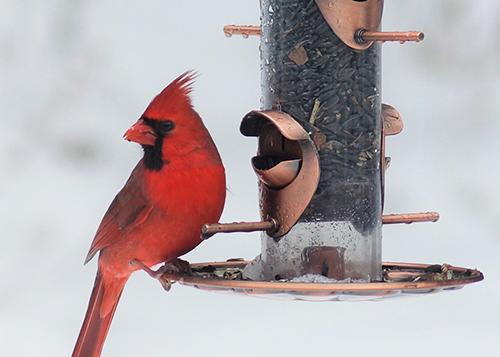
Beginning in December, many people will start putting bird feeders back up, as black bears are more likely to be in their winter dens. However, it is critical that bird feeders are removed if a bear gains access to them. In some areas of Connecticut, it is best to skip the bird feeders all together because black bears can still be active throughout winter, particularly during mild weather.
Bird feeders also attract more predators, like hawks and foxes, which can take advantage of congregating birds you have attracted. Other concerns for responsible bird feeding include window strikes and outdoor cats, which kill hundreds of millions of backyard birds each year!
Here are some helpful tips to avoid the negative impacts of feeding, while still giving the birds a nutritional bonus:
- Only put bird feeders out during the coldest winter days, when birds' calorie needs are highest and bears are least likely to be active.
- Only put out a small amount of feed - it is better to refill often than to tempt a bear with a free meal and teach it bad behavior.
- Use window screens or decals to cut down on the reflections that trick birds into window collisions.
- Provide a fresh source of water in a bird bath. You will be able to watch the many other species that are not seed-eaters.
- Leave flower seed heads and fall leaves around your yard for ground feeding birds to forage in.
- Consider providing some nearby "escape cover" as part of your landscaping to allow songbirds to quickly find shelter from would-be predators, such as hawks.
The most effective and natural way to support wild birds year-round is to promote their habitat needs in your yard. Late-season berries, wildflowers that have gone to seed, and tree mast (acorns, pinecones, fruits) all provide food for a far greater number of bird species than just the "feeder birds" you will attract with birdseed.
More on winter bird feeders . . .
| |
How You Can Provide Shelter for Wildlife | |
|
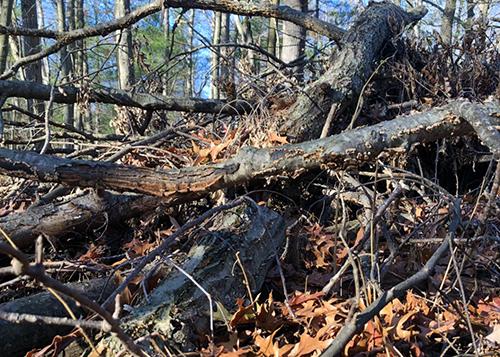
By now, nearly all of the leaves have fallen from the trees, and many residents have put away their rakes for the season. However, loose branches or logs may still be left on your property, and be even more apparent now with the lack of foliage. Rather than randomly scattering that woody material in the back corners of your property or hauling it off to the transfer station, consider creating your own brush pile for wildlife! Many of us have likely stacked loose brush on our property to help “tidy up” the backyard, but with the right approach and design, you can create brush piles that will create cover for many winter songbirds, small mammals, and reptiles and amphibians during the warmer months of the year. Brush piles provide areas for nesting, resting, escape from predators, and protection from harsh weather elements. So if you still haven’t finished your fall cleanup this year, consider putting that brush to good use. Take a look at our tips for creating great wildlife cover.
More on creating brush piles for wildlife . . .
| |
Species of the Month: White-breasted Nuthatch | |
|
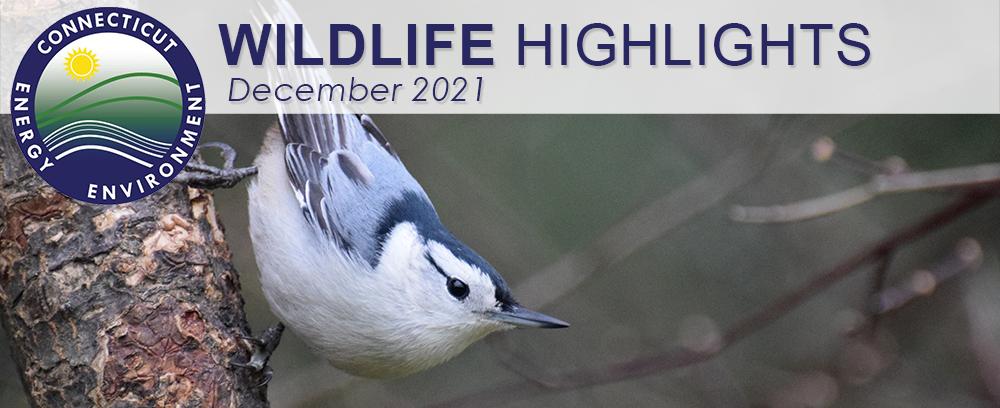
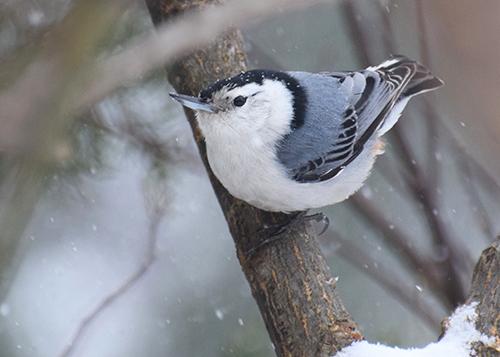
The white-breasted nuthatch is a small bird with a relatively large head and short tail. Its narrow bill is straight or slightly upturned. A frequent visitor to bird feeders, the white-breasted nuthatch is blue-gray in color with a white face and underparts. Nuthatches are known for their unique ability to travel down a standing tree head first. The nuthatch gets its common name from its habit of wedging large nuts and acorns into the bark of a tree and then whacking them with its sharp bill to “hatch” out the seed from the inside. During the colder months of the year, the nuthatch will also cache food items in bark crevices.
| |
|
Stay Connected!
Follow us on Social Media
| |
|
-- Quick Links --
Your Feedback Is Important to Us!
Send your comments or suggestions to deep.ctwildlife@ct.gov
|  | The Connecticut Department of Energy and Environmental Protection is an Affirmative Action/Equal Opportunity Employer that is committed to complying with the requirements of the Americans with Disabilities Act. If you are seeking a communication aid or service, have limited proficiency in English, wish to file an ADA or Title VI discrimination complaint, or require some other accommodation, including equipment to facilitate virtual participation, please contact the DEEP Office of Diversity and Equity at 860-418-5910 or by email at deep.accommodations@ct.gov. Any person needing an accommodation for hearing impairment may call the State of Connecticut relay number - 711. In order to facilitate efforts to provide an accommodation, please request all accommodations as soon as possible following notice of any agency hearing, meeting, program or event. | | | | |