|
and help our subscription list grow!
Red-shouldered hawk photo courtesy of John Zeller.
|
| Participate in the Annual Wild Turkey Brood Survey |
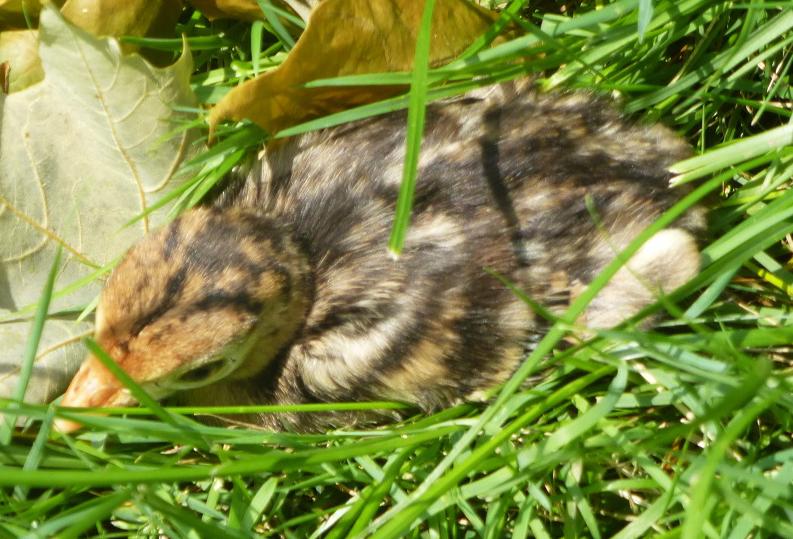
The Wildlife Division invites Connecticut residents to participate in the annual Wild Turkey Brood Survey from June 1 to August 31, 2020. During this time, volunteers record all of the hens and poults (young turkeys) observed during their normal travel. Observations of male (tom) turkeys are not requested for this survey. Results from this survey allow biologists to determine turkey productivity and reproductive success by estimating the average number of turkey poults per hen statewide. To participate, volunteers should use the Wild Turkey Observation Form and submit a tally of results to the Wildlife Division shortly after the end of the survey period (June 1-August 31).
Your help is greatly appreciated!
|
| Do You Have a Wildlife-related Question? |
Although our Wildlife Division offices are currently closed and staff members are working remotely, we are still fielding phone calls from the public. Whether you are dealing with distressed wildlife, would like to report a wildlife sighting, or just have general wildlife-related questions, we have you covered! Connecticut's wildlife is quite active this time of year, and it's important you know which number to call for different wildlife-related scenarios. For general wildlife-related questions, please call us at 860-424-3011, Mondays through Fridays from 8:30 AM to 4:30 PM.
|
|
A Friendly Reminder to Please #SharetheShore
|
|
|
|
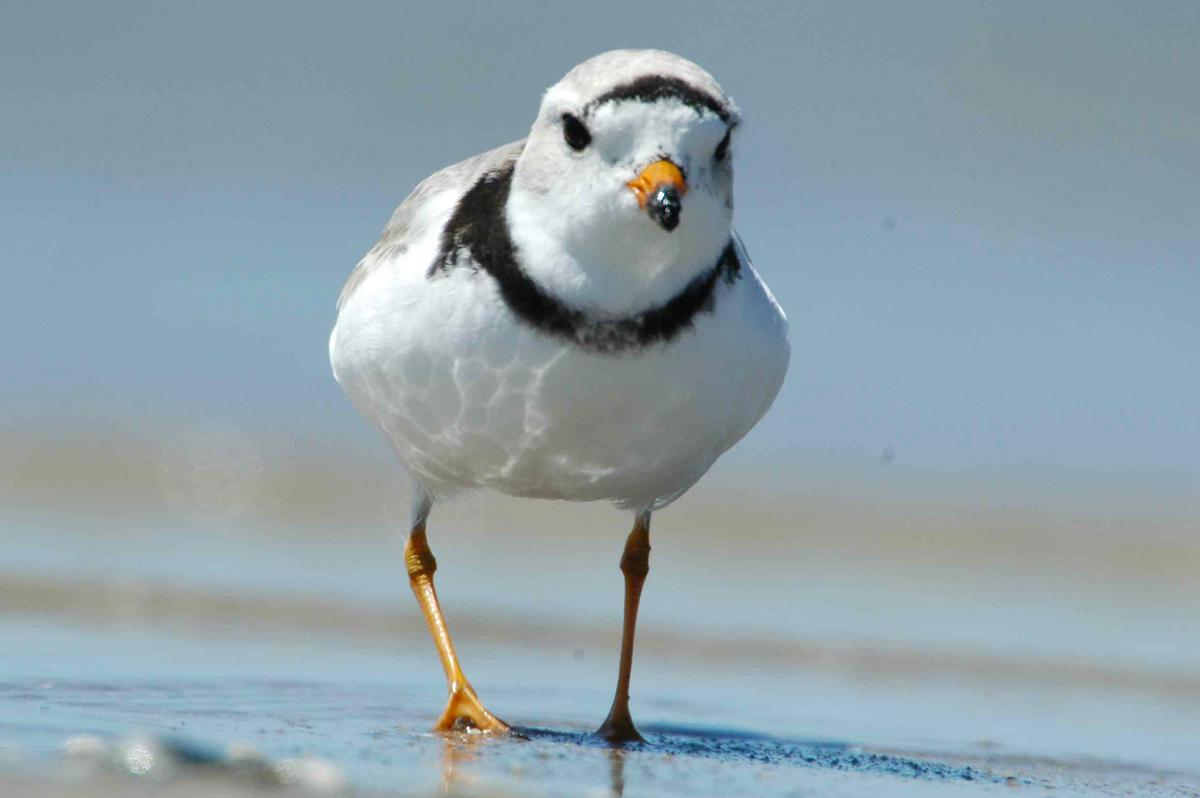
Piping Plover by Gene Nieminen/USFWS |
The Wildlife Division is asking beach visitors and boaters along the Connecticut shoreline to respect the fencing and yellow signs marking
piping plover
and least tern nesting sites. Both shorebirds are state threatened species (the plover is also federally threatened). In addition, Charles Island in Milford and Duck Island in Westbrook are closed to the public from now through September 9, 2020, to prevent disturbances to nesting birds. Both islands have been designated by DEEP as Natural Area Preserves, primarily due to their importance as nesting habitats for several state-listed birds, including snowy egrets and great egrets (state threatened species), glossy ibis, and little blue herons (state special concern).
|
|
Learn About Connecticut's S-s-snakes
|
|
|
|
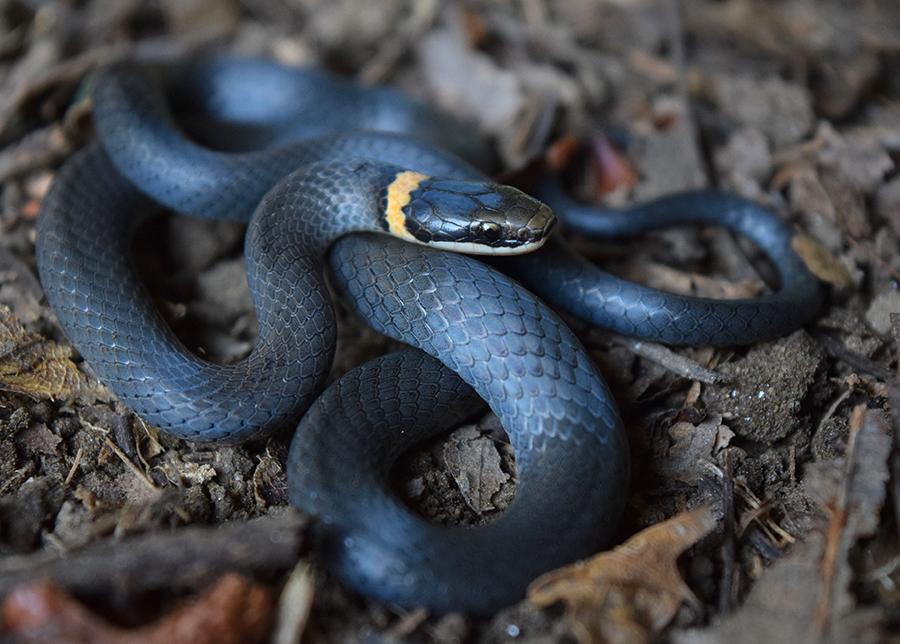
Northern ring-necked snake |
Warmer weather means an increased opportunity for Connecticut residents to encounter some of the 14 species of native snakes. Contrary to what some may think, the snakes of Connecticut are generally harmless and would prefer to not be bothered by people. Snakes only bite to capture food or in defense. If you encounter a snake in your yard or while out on a walk in the woods, observe and enjoy it from a distance and allow it to go on its way. If left alone, snakes pose no threat to people. Take the time to learn about, understand, and respect these vitally important reptiles.
|
|
2020-2021 Migratory Bird Hunting Guide Available
|
The 2020-2021 Migratory Bird Hunting Guide is now available on the DEEP website. The Migratory Bird Hunting Guide contains season dates and other important information pertaining to upcoming hunting seasons for waterfowl (including Canada geese), woodcock, snipe, rails, and crows.
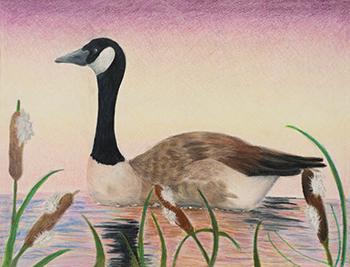
Julia Phillips, age 13, of Avon, CT, was selected as the winner of the 2020 Connecticut Junior Duck Stamp Art Competition! Julia's colored pencil drawing of a Canada goose will be featured on the 2021 Connecticut Migratory Bird Conservation (Duck) Stamp. The change to using the Junior Duck Stamp winning art insures that a Connecticut artist represents our state Duck Stamp.
|
|
View the Hammonasset Osprey Nest Cam
|
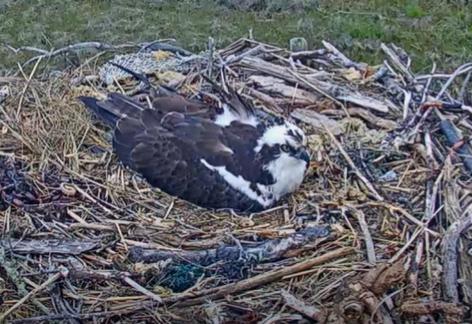
Looking for a great way to practice #StayAtHomeScience? The Osprey Cam at Hammonasset Beach State Park shares a live feed of a wild osprey nest! Right now, you can view the nest as the female incubates eggs, and the male brings food and defends the area. You can make this a fun activity by keeping track of the different behaviors you observe throughout the season.
Here are a few questions you might try to answer: What other animals can be seen around the nest? How many or what types of fish are brought back to the nest? How does weather change the pair's behavior? How does the plumage of the chicks change as they get older? The Hammo Osprey Cam is a cooperative project with the DEEP and
Menunkatuk Audubon Society.
|
|
Celebrate National Pollinator Week June 22-28
|
|
|
For many gardeners around the state, the outdoor planting season is now in full swing. When planning your plantings this year, please take our imperiled pollinators into consideration. While there are many factors associated with the global decline of pollinator species, including pesticide use and habitat degradation, the economic impact of reduced pollination on U.S. crops is estimated to be over $15 billion annually.
This year, National Pollinator Week is being celebrated from June 22-28 as a time to acknowledge the valuable ecosystem services that bees, birds, bats, butterflies, and beetles provide for us all over the globe. While this year's nation-wide events will be limited due to Covid-19, you can still take part by learning more about these essential critters and exploring your area to see how you can improve your backyard habitat.
While maintaining natural areas of your property and planting native shrubs and perennial wildflowers (
especially caterpillar host plants) will be beneficial for pollinators year after year, filling your hanging baskets and window planters with cultivated annuals, like geraniums, petunias, and marigolds, can create vibrant pollination stations around every corner of your outdoor living space. Making your yard and garden more attractive to various pollinators has the added benefit of improved pollination on many plants in your vegetable gardens, improving your yield throughout the season.
|
| Tips to Identifying Buteo Hawks in Flight |
|
|
|
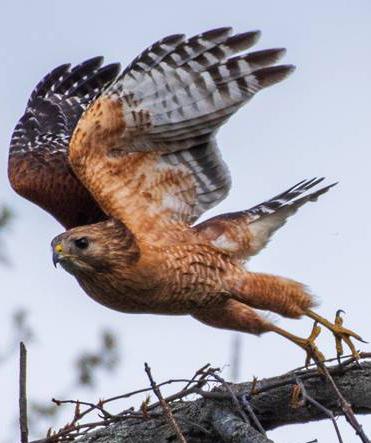
A red-shouldered hawk takes flight! Photo courtesy of John Zeller. |
Have you been hearing hawks calling or seen them circling overhead? Connecticut has three breeding species of related hawks in the genus
Buteo. Buteos are often seen and heard wheeling around in the sky and can be easily differentiated by their calls and tail plumage.
The most commonly-seen hawk in Connecticut is the red-tailed hawk (
Buteo jamaicensis), which is also the largest of the three Buteos. Adult red-tailed hawks have the characteristic rusty red tail, while younger birds have a pale tail with light barring. Red-tails are also responsible for the Hollywood movie screech that is often misused as an eagle's call.
Red-shouldered hawks (
Buteo lineatus) are smaller than red-tails, and more likely to be found in forests near wetlands. When viewing them from below, look for a dark tail with several thin white bands across, including white at the ends. The call of the red-shoulder hawk is a repeating "kee-yah", which can be heard while the hawk is perched or circling overhead.
The smallest of the three is the broad-winged hawk
(Buteo platypterus), which is also commonly found near forested areas with nearby wetlands. Broad-wings have bold white and black bands along the tail, compared to the red-shouldered's several thin white tail bands. The call of a broad-winged hawk is a piercing whistle that does not change pitch.
While red-tailed and red-shouldered hawks are year-round residents of Connecticut, broad-winged hawks migrate south for the winter. A fourth
Buteo, the rough-legged hawk, is a regular winter visitor to the Connecticut shoreline after spending the breeding season on the Arctic tundra.
If you have photos of hawks and aren't sure what species they are, share your photos and tag us on Instagram @CTFishAndWildlife or Facebook. We can help you identify which species you are seeing!
|
|
Species of the Month: Broad-winged Hawk
|
|
|
|
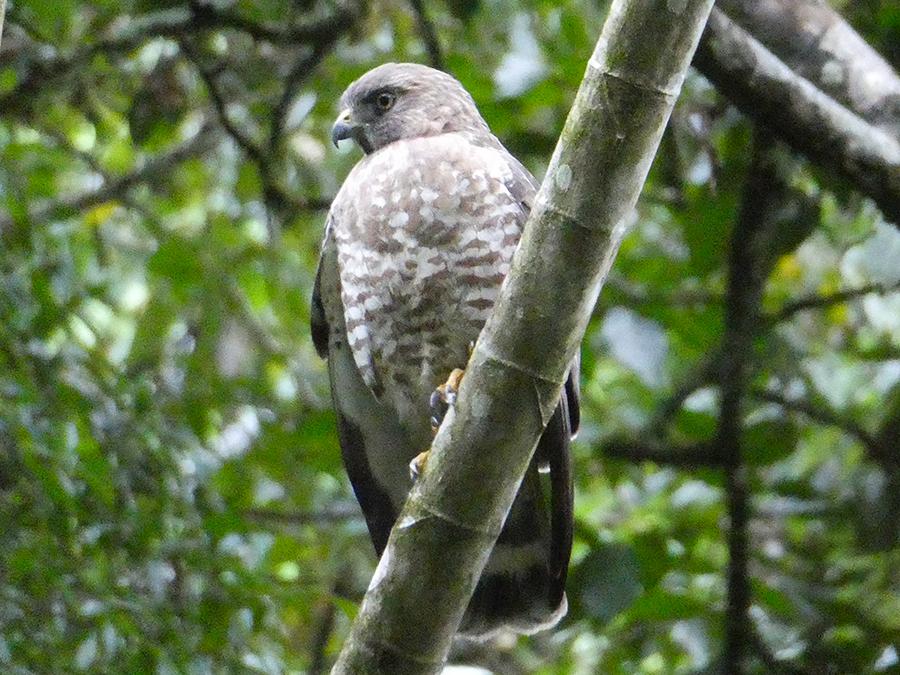
A broad-winged hawk photographed in Costa Rica. Photo courtesy of Hannah Beyl. |
The broad-winged hawk is a migratory raptor that breeds across the eastern U.S. and Canada. During fall, broad-winged hawks gather in flocks that can number in the thousands as they travel dozens of miles each day until they reach their wintering grounds extending from Mexico to Brazil. These flocks are called "kettles" because the appearance of so many hawks circling around resembles a large cauldron being stirred. Some of these hawks travel over 4,000 miles on their migration, and once they arrive at their destination, often stay within an area of one square mile.
Broad-winged hawks eat small mammals, reptiles, amphibians, and even insects. Like most hawks, broad-wings sit perched and wait for prey to come into view before swooping down.
Pairs of broad-winged hawks build nests and raise their young together, often breeding with the same mate for several breeding seasons. Pairs do not stay together during migration and winter.
Broad-winged hawks can often be seen and heard while circling above the forest canopy. Territorial calls and displays are used during courtship and to defend an area from other broad-wings and from red-shouldered and red-tailed hawks. Have you seen broad-winged hawks in your area yet this year?
|
Your Feedback Is Important to Us!
Send your comments or suggestions to deep.ctwildlife@ct.g
ov
|
|
You are making a difference and we thank you for your support!
|
|
You'll find each issue packed with information about wildlife, hunting, fishing, and natural resource-related issues in Connecticut.
|
|
The Connecticut Department of Energy and Environmental Protection is an Affirmative Action/ Equal Opportunity Employer committed to complying with the requirements of the Americans with Disabilities Act. Please contact us at 860-418-5910 or deep.accommodations@ct.gov if you: have a disability and need a communication aid or service; have limited proficiency in English and may need information in another language; or if you wish to file an ADA or Title VI discrimination complaint.
|
|
|
|
|
|