|
Please share this edition of Wildlife Highlights with other outdoor enthusiasts
and help our subscription list grow!
| |
Annual Turkey Brood Survey Needs YOUR Help! | |
|
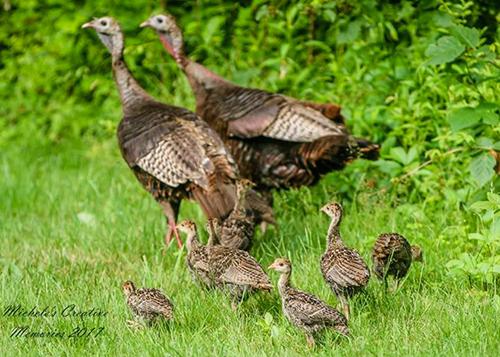
The Wildlife Division invites Connecticut residents to participate in the annual Wild Turkey Brood Survey from June 1 to August 31, 2021. During this time, volunteers record all of the hens and poults (young turkeys) observed during their normal travel. Observations of male (tom) turkeys are not requested for this survey. Survey results allow biologists to determine turkey productivity and reproductive success by estimating the average number of turkey poults per hen statewide. This year, surveys can be submitted online by following the link below. You can also participate by using our traditional form HERE. Your help is greatly appreciated! Photo courtesy of Michele Nevue Titus.
Report turkey brood sightings . . .
| |
Celebrate Pollinator Week June 21-27 | |
|
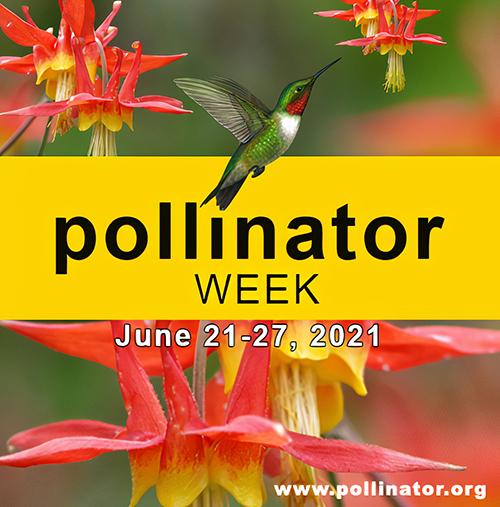
Each year, Pollinator Week is aimed at not only raising awareness of the far-reaching benefits of healthy pollinator populations, but also a call to action to get your hands dirty! Planting native plants is one of the most important ways you can support local bees, butterflies, and even hummingbirds! Local pollinators are responsible for many of our favorite local fruits and vegetables. Without them, our foodscape would look very different.
Other great ways to get involved include participating in local community-science projects this summer, like our Backyard Bee Quest on iNaturalist, where you can post pictures of all the bees you see. Experts from around the world help to identify each type of bee, helping you learn what groups of bees are sharing your backyard and helping your garden grow.
If you have made positive changes for pollinators in your area, share your success stories with others to encourage them, too. You can also share your stories with us on Facebook or Instagram by tagging @ctfishandwildlife.
Here are 5 things kids can do to help pollinators . . .
More on the Wildlife Division’s community-science projects . . .
| |
Best to Leave Young Wildlife Alone | |
|
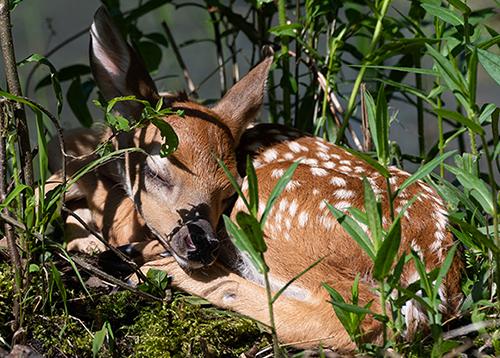
Deer fawns are typically born in late May to mid-June, and it is important to avoid disturbing them. The only time a female (doe) will be found with a fawn is during feeding times. Fawns are fed three to four times a day, each feeding lasting about 15 minutes. When people see a small fawn alone, they often mistakenly assume it is helpless, lost, or needing to be rescued. During their first few weeks, fawns rely on camouflage and stillness to remain undetected, waiting for the adult to return. Photo courtesy of Kyle Onofreo.
More on how what to do if you encounter young wildlife . . .
| |
How Well Do You Know Your S-s-s-snakes? | |
|
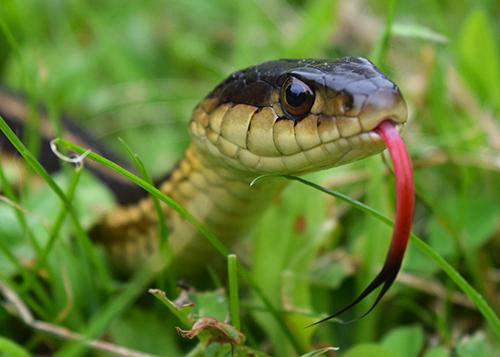
Now that the weather is warmer and Connecticut residents are spending more time outside, there is an increased likelihood of coming across a snake. Unfortunately, snakes are often misunderstood and wrongfully killed out of fear. The reality is that the snakes of Connecticut are generally harmless and would prefer to not be bothered by people. Connecticut is home to 14 species of native snakes (two of which are venomous -- the northern copperhead and timber rattlesnake), but snakes only bite to capture food or in defense. If you encounter a snake in your yard or while out recreating this season, observe and enjoy it from a distance and allow it to go on its way. If left alone, snakes pose no threat to people. Please take some time to not only properly identify Connecticut's snakes but to also learn about the role these vitally important reptiles play in our ecosystems.
Snakes of Connecticut . . .
| |
The Benefits of Natural Disturbance | |
|
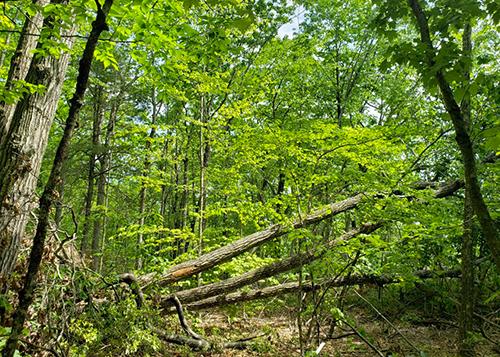
Disturbance is a natural part of our native ecosystems. Blowdowns (pictured at right) create a canopy gap that allows new seedlings to take advantage of growing densely in full sunlight. The increased sunlight also means an uptick in insect activity, which in turn increases opportunities for insect-feeding birds.
Forest management on DEEP land is intended to mimic disturbance on multiple scales to diversify forest age classes and resilience, and to favor wildlife specialists that require habitat other than closed canopy older forest. Clearcuts can simulate major disturbances, such as a wildfire or hurricane. The resulting large area of young forest is invaluable to birds and other wildlife that are dependent on this vanishing habitat. A strip cut resembles impacts caused by a downdraft or tornado. Small group selection openings or even thinnings are akin to microbursts, as seen in the photo.
In an aging, closed-canopy forest, the only way to diversify habitats on the landscape is to create areas of disturbance compared to those that have naturally occurred in the past. Since it is often not reasonable to let wildfire spread unchecked, forestry operations can help replace the impacts and benefits, provide forest products to society, and increase forest age class diversity and resilience.
More on the importance of forest management . . .
| |
This Beach Season, #SharetheShore | |
|
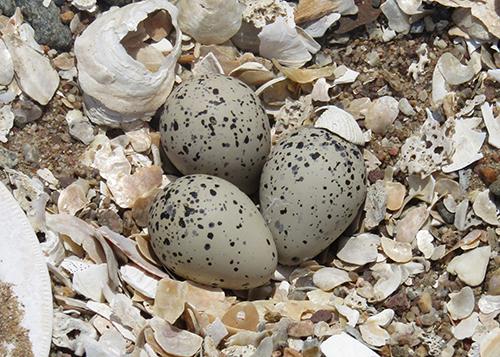
Nesting piping plover and least tern nests and chicks can be hard to spot along the beach! With camouflage feathers, nests, and eggs, plovers become almost invisible in the sand. DEEP is asking beach visitors and boaters along the Connecticut shoreline to respect the fencing and yellow signs warning of piping plover and least tern nesting sites. Both shorebirds are state threatened species (the plover is also federally threatened). In addition, Charles Island in Milford and Duck Island in Westbrook will be entirely closed to the public from now through September 9, 2021, to prevent disturbances to nesting birds. Both islands have been designated by DEEP as Natural Area Preserves, primarily due to their importance as nesting habitats for several state-listed birds, including snowy egrets and great egrets (state threatened species), glossy ibis, and little blue herons (state special concern).
More on how you can Share the Shore . . .
| |
Become a Connecticut Master Woodland Manager | |
|
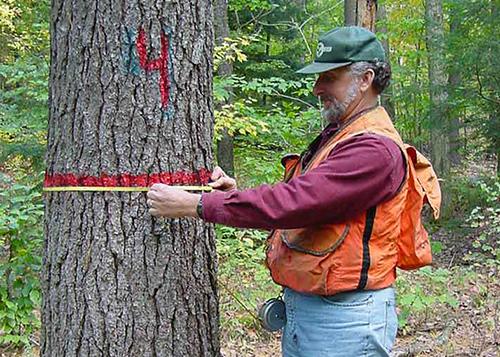
The Connecticut Forest & Park Association is offering its new Master Woodland Manager (MWM) program! This year-long program provides woodland owners and managers the knowledge and skills they need to make the right decisions for their woodland that can not only help enhance their lives, but also help wildlife and the environment. The MWM program provides a flexible, interactive experience that provides both virtual and in-person field learning opportunities. Learn from Connecticut’s top forestry and wildlife professionals, and join a community of woodland supporters! Applications are being accepted until August 2021.
More on the MWM program . . .
| |
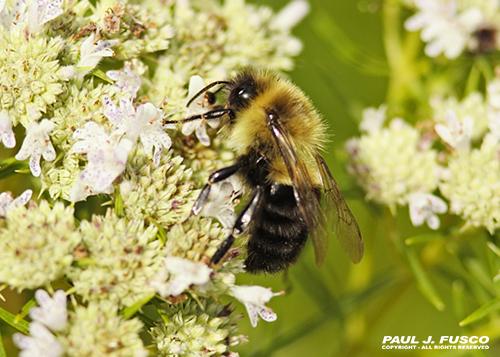
Species of the Month: Common Eastern Bumble Bee | |
|
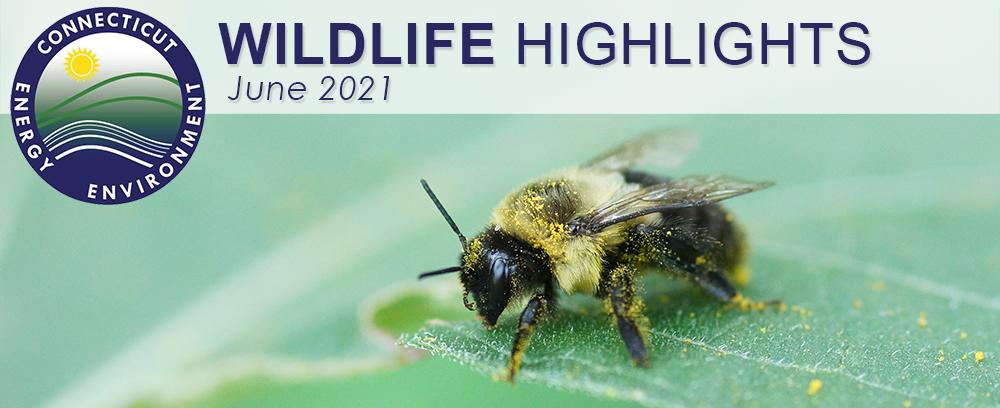
The common eastern bumble bee is one of several species of bumble bees found in Connecticut. While some of these native bumble bees have declined significantly throughout the region in recent decades, common eastern bumble bees are faring better, for now. These bees are one of the most important species for pollinating our local fruits and vegetables, in part because they are generalists, visiting a variety of plants, but also because they are active for nearly the entire growing season from April to October. Bumble bees are excellent pollinators of peppers, apples, and squash, and are essential for production of greenhouse tomatoes. Their unique style of buzz pollination makes them one of the most effective pollinators around!
More about buzz pollination (PBS video) . . .
| |
|
Stay Connected!
Follow us on Social Media
| |
|
-- Quick Links --
Your Feedback Is Important to Us!
Send your comments or suggestions to deep.ctwildlife@ct.gov
|  | The Connecticut Department of Energy and Environmental Protection is an Affirmative Action/Equal Opportunity Employer that is committed to complying with the requirements of the Americans with Disabilities Act. Please contact Barbara Viadella or Cenit Mirabal, DEEP Office of Diversity and Equity at 860-418-5910 or by email at deep.accommodations@ct.gov if you are requesting a communication aid or service, have limited proficiency in English, need some other type of accommodation, or if you wish to file an ADA or Title VI discrimination complaint. In order to facilitate efforts to provide an accommodation, please request all accommodations as soon as possible following notice of any agency hearing, meeting, program or event. | | | | |