|
Please share this edition of Wildlife Highlights with other outdoor enthusiasts
and help our subscription list grow!
| |
"Bats Count" Ribbon Cutting Ceremony Happening SOON | |
|
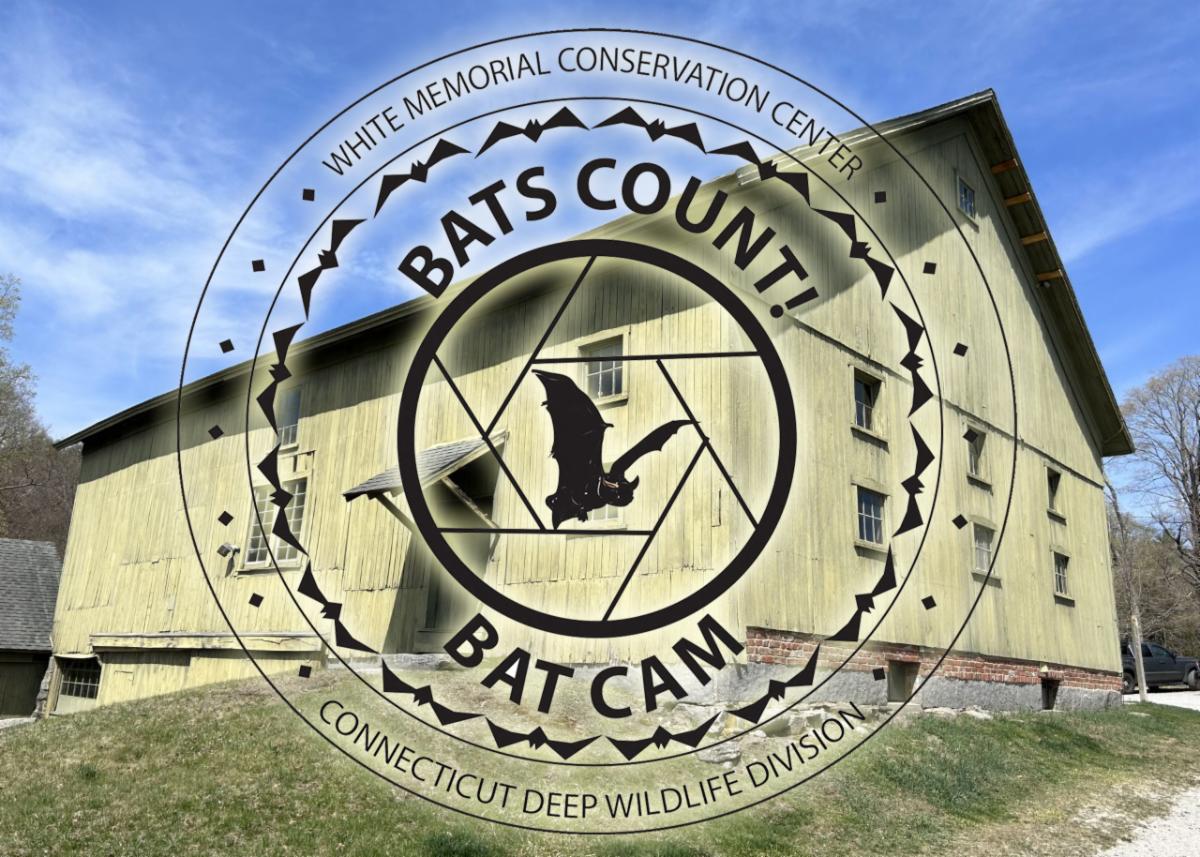
Join the DEEP Wildlife Division and White Memorial Conservation Center Friday, June 16, 2023, for our “Bats Count!” ribbon cutting ceremony at White Memorial in Litchfield, Connecticut, for the unveiling of the new "Bat Cam".
You’ll have the opportunity to chat with bat experts and watch the big brown bats fly from the barn at dusk as they embark on their nightly feeding frenzy!
Pre-registration is recommended for this family-friendly FREE event.
More on Bats Count . . .
Preregister HERE . . .
| |
Participate in the Annual Wild Turkey Brood Survey | |
|
The Annual Wild Turkey Brood Survey is happening now through August 31!
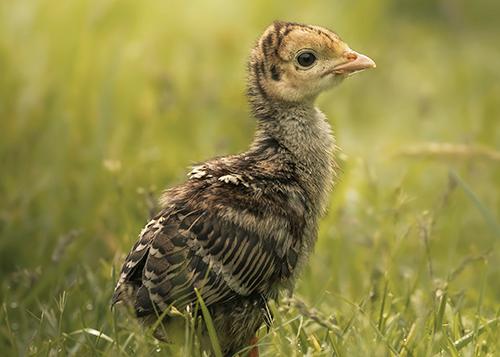
You can help DEEP Wildlife Division biologists by recording your wild turkey observations. This survey helps biologists estimate the average number of turkey poults per hen statewide, assess annual fluctuations in the turkey population, and calculate male-to-female ratios.
You can submit your sightings online. Paper copy submissions are also accepted but must be submitted at the end of the season (after September 1). Turkey poult photo courtesy of Tom McCarthy.
More on how to participate . . .
| |
Be Mindful of Shorebirds this Summer Season | |
|
Each year, residents travel to Connecticut’s coastline to enjoy the warm summer weather and feel the sand beneath their feet. While strolling along the beach this summer, be aware that there may be a shorebird nest or chicks close by.
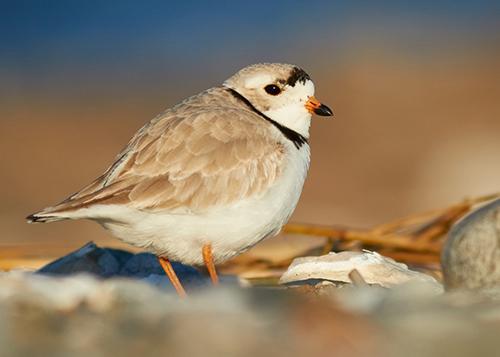
Nesting piping plover and least tern nests and chicks can be very difficult to spot! Be respectful of the fencing and yellow signs warning of piping plover and least tern nesting sites. Connecticut’s shorebirds frequently face stressful and potentially fatal situations when pressured by beachgoers that are unaware of their presence. Beaches are habitat, and with proper wildlife etiquette, birds and people can safely enjoy Connecticut’s coast. Piping plover photo courtesy of Darrell Bumbala.
| |
Fearful of Sssssnakes? Don't Be! | |
|
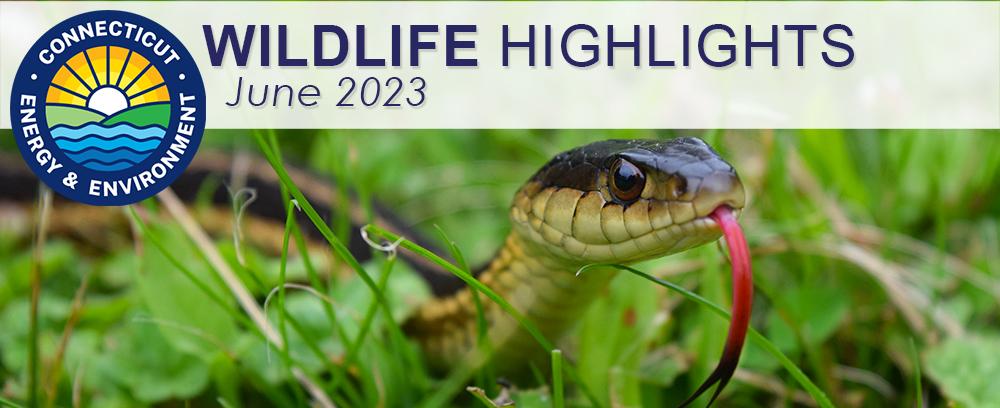
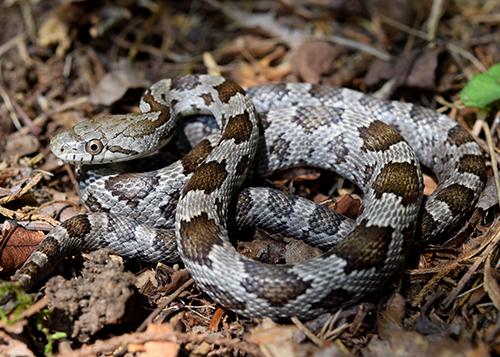
For many, the thought of coming across a snake in the wild is enough to send shivers up their spine. These scaly reptiles have been feared throughout time and have long been thought of as sinister creatures looking to do mankind harm. Contrary to what some may believe, the snakes of Connecticut are generally harmless and would prefer to not interact with people.
There are 14 species of native snakes that that can be encountered in the state, and only two of them are venomous (the northern copperhead and timber rattlesnake). It is important to learn how to identify the snakes of Connecticut and understand the important role they play in the greater ecosystems, serving as predators for small rodents and amphibians and as prey for larger mammals and birds of prey.
If you encounter a snake in your yard or while out recreating this season, observe and enjoy it from a distance and allow it to go on its way. If left alone, snakes pose no threat to people.
More on Connecticut's snakes . . .
| |
Native Wildflowers and Grasses Planted at Eightmile River WMA | |
|
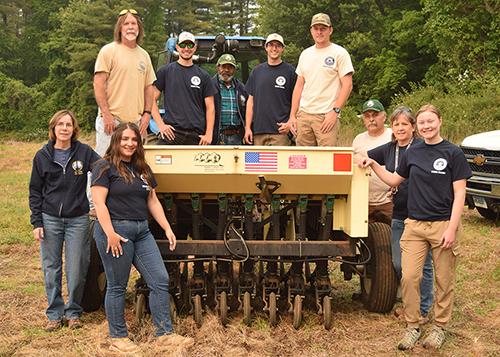
Earlier this month, the DEEP Wildlife Division's Habitat Program planted a mix of native wildflowers and grasses at an eight-acre field at Eightmile River Wildlife Management Area in Lyme, Connecticut.
As part of a previous agricultural license agreement, the field was used by a local farmer to grow corn, but in a year or two, it will be filled with a host of beneficial plants and grasses, including several species of native milkweed and asters, goldenrod, wild bergamont, Joe Pye weed, and big and little blue stem. These species will support pollinators and provide excellent cover for nesting birds and other wildlife.
The day also served as a learning opportunity for Wildlife Division Seasonal Resource Assistants who joined staff in the field for a lesson on seed identification, the use of the Truax no-till seeder (donated to the Wildlife Division by the National Wild Turkey Federation back in 2003), and other important habitat management techniques. Special thanks to The National Wild Turkey Federation for the purchase of the wildflower mix.
| |
How Do You Deter Black Bears? With Electric Fencing! | |
|
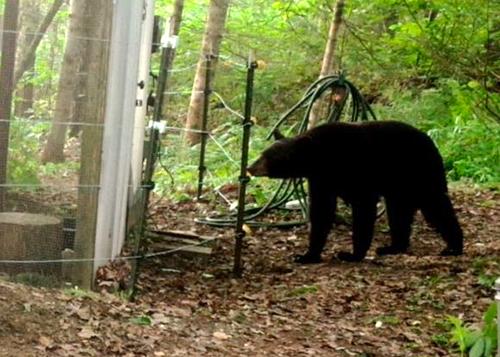
While installing an electric fence may seem like an extreme step for a casual backyard bee, chicken, or rabbit keeper, the reality is there is no better way to protect your livestock. A majority of the bear-livestock incidents in Connecticut involve chicken coops and are easily preventable through the use of electric fencing.
Electric fences can be installed to suit the user’s needs, ranging from portable, quick set-up netting to semi-permanent wires, keeping your domestic animals in and wild animals out. There are also many creative ways to incorporate electric fencing into existing physical barriers, such as split-rail, chain-link, and chicken wire fences. Just make sure you select the correct voltage to deter black bears (see video for details). Compared to the cost of losing entire beehives, a destroyed chicken coop, and lost chickens, most electric fence setups are also the economical way to go. and have the added benefit of preventing bears from learning bad habits.
Additional questions? Contact us at deep.ctwildlife@ct.gov.
Preventing Wildlife Conflicts with Electric Fencing . . .
| |
U.S. Army Corps of Engineers: CT River Hydrilla Research | |
|
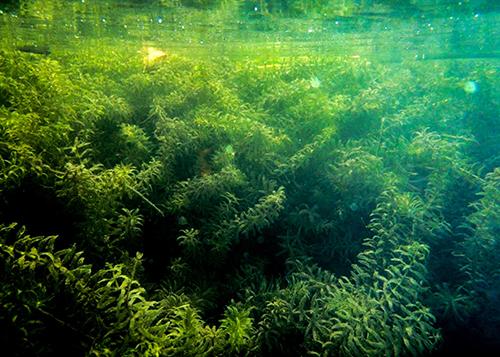
The U.S. Army Corps of Engineers, in partnership with the CT Agricultural Experiment Station and Lower CT River Valley Council of Governments, has begun a research and demonstration project to study the invasive aquatic hydrilla plant that is now growing in the Connecticut River.
Hydrilla is an invasive aquatic plant species that can negatively affect local ecosystems. Hydrilla forms dense stands underwater that can alter river flow, shade or crowd out all other native aquatic plants, replace habitat of sensitive species, alter water chemistry and pH, cause dramatic swings and reduction in dissolved oxygen levels, increase water temperatures, and negatively affect the diversity and abundance of fish populations.
The U.S. Army Corps of Engineers, and its Engineer Research and Development Center’s (ERDC) Aquatic Plant Control Research Program, will lead a demonstration project to determine the effectiveness of herbicides registered for aquatic use by the U.S. Environmental Protection Agency to safely reduce and control the spread of the Connecticut River hydrilla.
More information on the management of hyrdilla . . .
| |
Species Spotlight: Bog Turtle | |
|
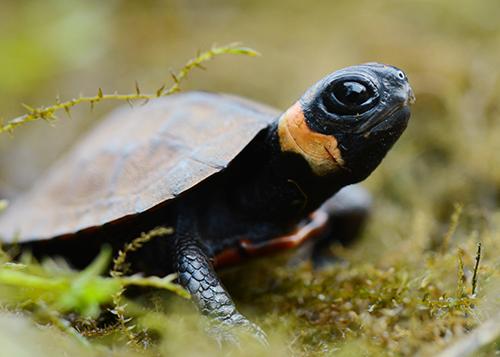
As we continue our celebration of the 50th year of the federal Endangered Species Act (ESA), we highlight the smallest turtle in North America that greatly benefits from the protection of this landmark federal law.
The bog turtle is capable of living longer than 60 years in the wild! Despite the long lifespan, this species is also the most imperiled turtle in North America and was added to the federal endangered species list in 1997.
Suitable bog turtle habitat consists of calcareous (containing calcium carbonate, calcium, or lime) wetlands, such as open sphagnum bogs, wet meadows, and wet pastures. Intensive development pressure in all portions of the bog turtle’s range has caused the draining and filling of wetland habitat. Remaining wetlands have been isolated, resulting in the fragmentation of bog turtle populations. Bog turtle hatchling photo courtesy of Dennis Quinn.
More on the bog turtle . . .
| |
|
Stay Connected!
Follow us on Social Media
| |
|
-- Quick Links --
Your Feedback Is Important to Us!
Send your comments or suggestions to deep.ctwildlife@ct.gov
|  | |
The Connecticut Department of Energy and Environmental Protection is an Affirmative Action/Equal Opportunity Employer that is committed to complying with the requirements of the Americans with Disabilities Act. If you are seeking a communication aid or service, have limited proficiency in English, wish to file an ADA or Title VI discrimination complaint, or require some other accommodation, including equipment to facilitate virtual participation, please contact the DEEP Office of Diversity and Equity at 860-418-5910 or by email at deep.accommodations@ct.gov. Any person needing an accommodation for hearing impairment may call the State of Connecticut relay number - 711. In order to facilitate efforts to provide an accommodation, please request all accommodations as soon as possible following notice of any agency hearing, meeting, program or event.
This program receives Federal financial assistance from the U.S. Fish and Wildlife Service.
Under Title VI of the 1964 Civil Rights Act, Section 504 of the Rehabilitation Act of 1973, Title II of the Americans with Disabilities Act of 1990, the Age Discrimination Act of 1975, and Title IX of the Education Amendments of 1972, the U.S. Department of the Interior prohibits discrimination on the basis of race, color, national origin, age, sex, or disability. If you believe that you have been discriminated against in any program, activity, or facility, or if you need more information, please write to:
Office of Diversity, Inclusion and Civil Rights
U.S. Department of the Interior 1849 C Street, NW
Washington, D.C. 20240
| | | | |