|
and help our subscription list grow!
|
|
Breaking News! Trout Season is OPEN
|
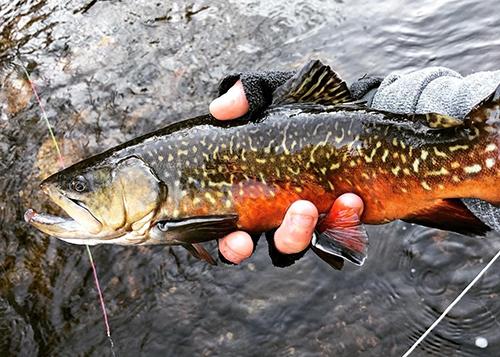
Governor Ned Lamont announced that effective March 4, 2021 trout season is open (Executive Order 10B). The Fisheries Division has started stocking trout as would be expected for this time of year; however, as the season is now open, not every water has been stocked. Fisheries staff will be working daily between now and mid-May to stock all of the trout that have been raised for the spring of 2021.
|
|
Eyes on the Road: CT's Amphibians Emerging Soon
|
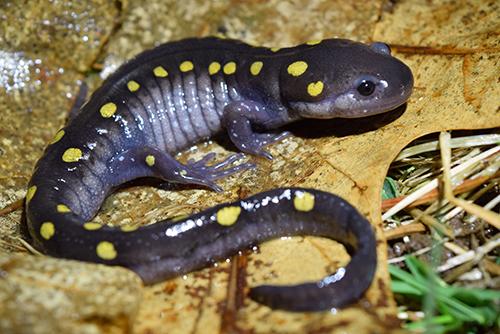
As winter comes to an end, many will soon be hearing the familiar calls of amphibians as they gather at vernal pools. These seasonal pools are vital to a host of Connecticut's amphibians (and invertebrates) by providing them a safe area for egg laying and larval development. During warm, rainy spring nights, please keep your eyes on the road and look out for crossing amphibians. If you are aware of a migration hotspot, consider taking an alternate route to your destination or simply avoid traveling on smaller, wooded roads. Delaying your travel two hours after sunset is also recommended.
|
Remove Bird Feeders When Bears Become Active
|
|
| | Photo courtesy of Mark Sloan |
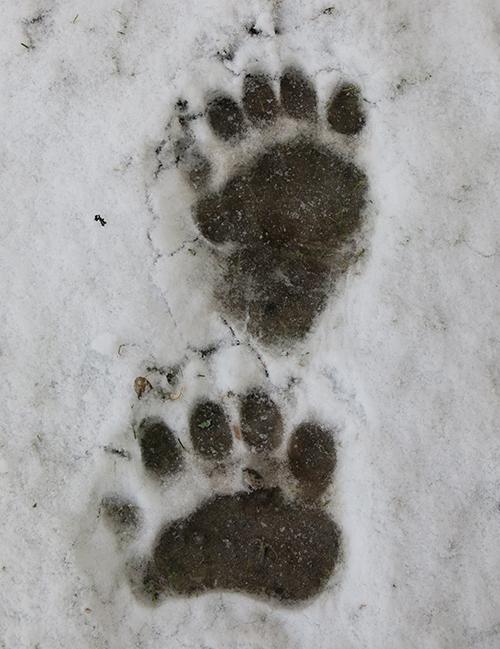
With spring quickly approaching, its time to take down your bird feeding stations (no later than April 1) to prevent conflicts with wildlife, especially black bears. Many bears have spent most of the winter denning, but some have found it unnecessary except during the coldest and snowiest stretches of the season. While it might be okay to feed birds all winter in your area and not have any bear visitors, it is best to be prepared to remove feeders at the first sign of bear activity. A typical bird feeder holds about 2-3 pounds of sunflower seeds, and while that might last the squirrels and birds all week, a black bear can destroy the feeder and consume most of the seeds in one sitting. Black bears can easily survive on their fat reserves until new spring vegetation has grown, but they will not be able to resist an easy 10,000-calorie meal of sunflower seeds and suet if they find it in your yard. Appreciating and valuing our wildlife starts with practicing good habits of coexistence.
|
|
Studying Connecticut's Waterfowl
|
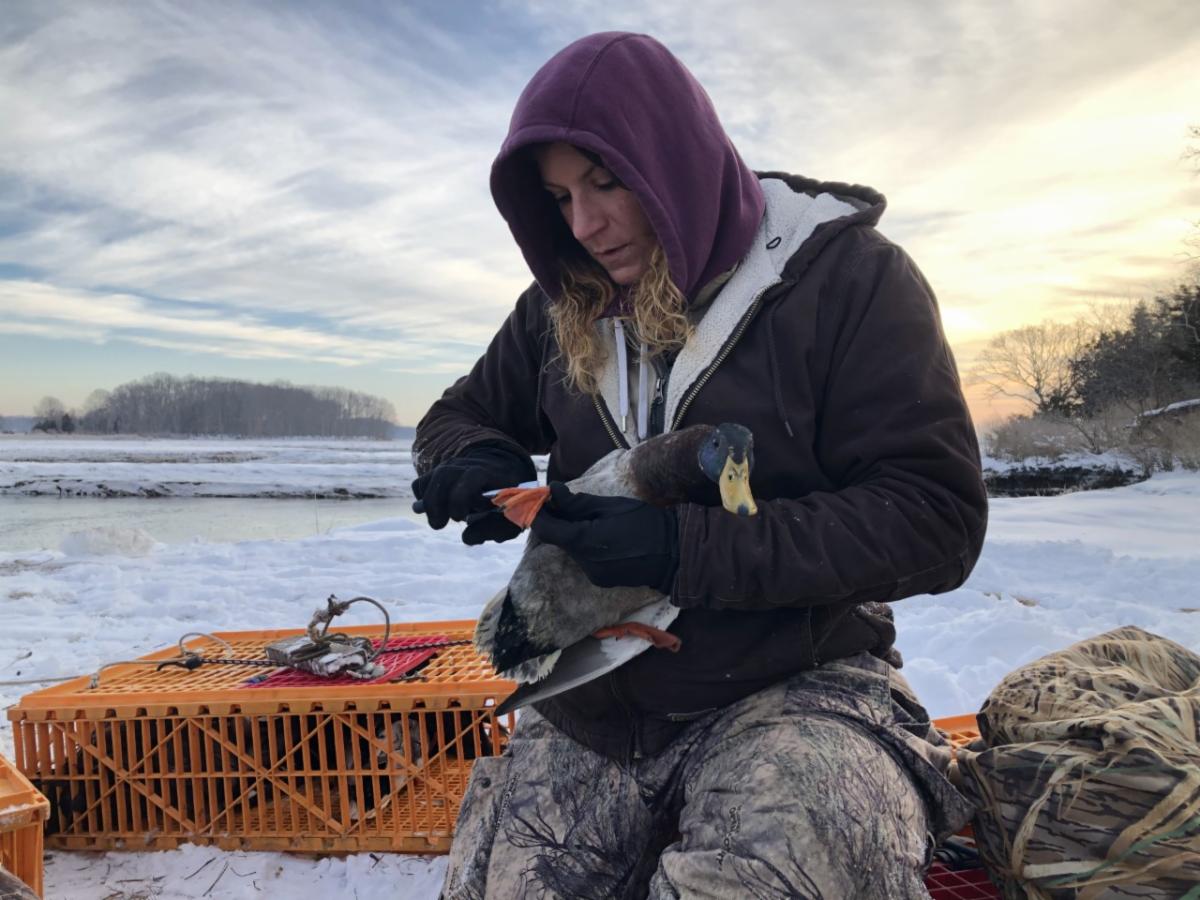
This winter, DEEP Wildlife Division waterfowl biologists were out in the field many early mornings banding mallards and black ducks! Banding waterfowl provides biologists with important information on waterfowl dispersal, lifespan, survival rates, and much more. Biologists are also participating in a regional study on black ducks by affixing select individuals with lightweight radio transmitters that will provide critical information on black duck nesting habitat use and reproductive success rates.
|
| Volunteers Needed for Shorebird Monitoring 2021 |
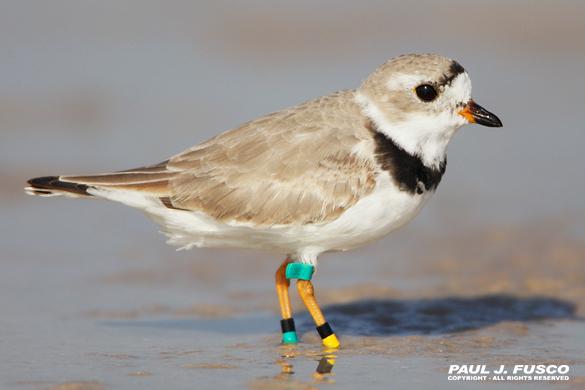
The Audubon Alliance for Coastal Waterbirds and the Wildlife Division invite you to make a difference for threatened bird species at the beach as an official summer volunteer. Volunteers will help monitor piping plovers, American oystercatchers, and least terns at beaches statewide from early April through August.
Atlantic Coast populations of beach-nesting birds return to the Connecticut coast in March from their wintering grounds, as far as the Caribbean. The cryptic nests of these birds are extremely susceptible to human disturbance, predation, and tidal wash outs. To enhance the survival and productivity of Connecticut's beach-nesting birds, volunteers work at locations from Pleasure Beach in Bridgeport to Bluff Point in Groton to observe the shorebirds, record and report nesting data, and educate the beach-going public about actions they can take to help these birds raise their young.
|
This Tax Season, Go "Batty" on Your Taxes
|
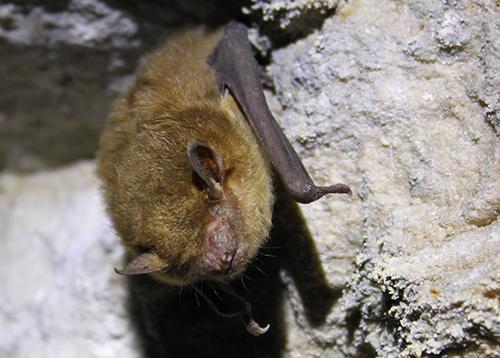
Since 2006, white-nose syndrome (WNS), a fungal disease, has devastated bat populations throughout North America and has caused precipitous declines in what were once some of Connecticut's most common bats. The Connecticut Endangered Species/Wildlife Income Tax Check-off Fund provides resources to support a variety of bat-related research projects, including acoustic bat monitoring on state lands, bat hibernacula protection, and bat roost location surveys. This tax season, consider making a donation on your State income tax form to help protect Connecticut's wildlife species and their habitats.
|
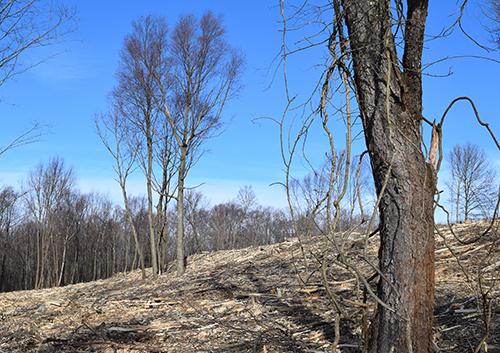
The UConn Center for Land Use Education and Research (CLEAR) is offering a variety of FREE informative webinars on a variety of topics, including a history of New England forests and forest climate adaptation. CLEAR's mission is to provide information and assistance to land use decision makers and other audiences in support of better land use decisions, healthier natural resources, and more resilient communities.
|
Species of the Month: Spring Peeper
|
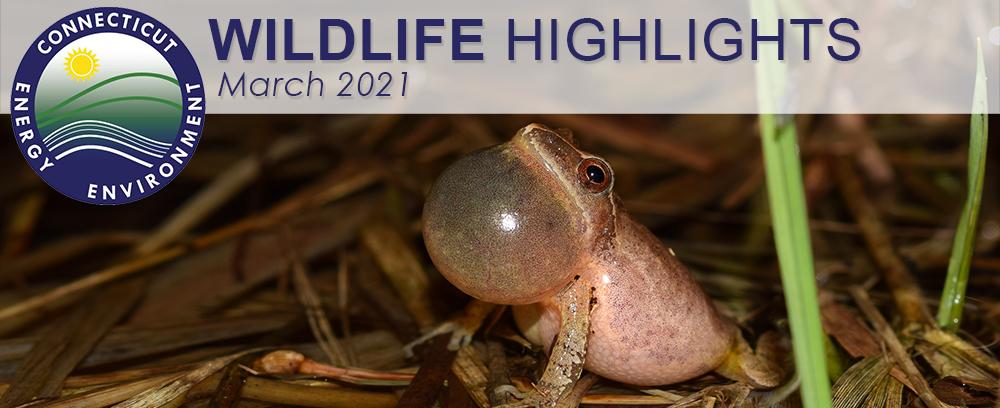
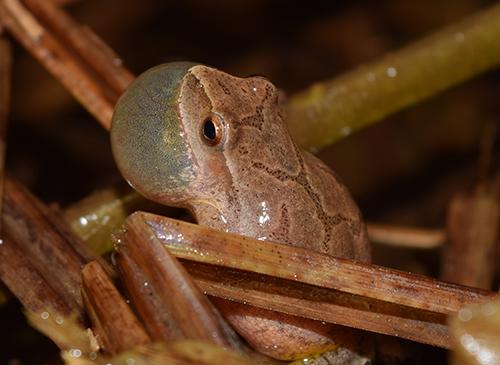
More often heard than seen, the spring peeper is a very small (approximately 1 inch) tree frog that is often tan, brown, or gray in color with lines that form an X-shaped pattern across its back. Not considered a "classic" vernal pool breeder, the spring peeper typically breeds in open canopy wetlands but will also visit vernal pools. During spring, males attract females with their high pitched ascending whistle and short trill calls. Just like the wood frog, the spring peeper is capable of partially freezing in order to survive sub-freezing winter temperatures! Given the peepers' small size, they are incredibly difficult to see. Your best bet of spotting one this spring is to stand or crouch very still along the edge of a wetland or vernal pool where you hear calling and carefully scan the water's edge. Peepers often stop calling when they sense the presence of a would-be predator but are likely to resume after patiently waiting for a few minutes.
|
Your Feedback Is Important to Us!
Send your comments or suggestions to deep.ctwildlife@ct.gov
|
|
You are making a difference and we thank you for your support!
|
|
You'll find each issue packed with information about wildlife, hunting, fishing, and natural resource-related issues in Connecticut.
|
|
The Connecticut Department of Energy and Environmental Protection is an Affirmative Action/Equal Opportunity Employer that is committed to complying with the requirements of the Americans with Disabilities Act. Please contact Barbara Viadella or Cenit Mirabal, DEEP Office of Diversity and Equity at 860-418-5910 or by email at deep.accommodations@ct.gov if you are requesting a communication aid or service, have limited proficiency in English, need some other type of accommodation, or if you wish to file an ADA or Title VI discrimination complaint. In order to facilitate efforts to provide an accommodation, please request all accommodations as soon as possible following notice of any agency hearing, meeting, program or event.
|
|
|
|
|
|