|
and help our subscription list grow!
|
| Avon Resident Wins CT Junior Duck Stamp Art Competition |
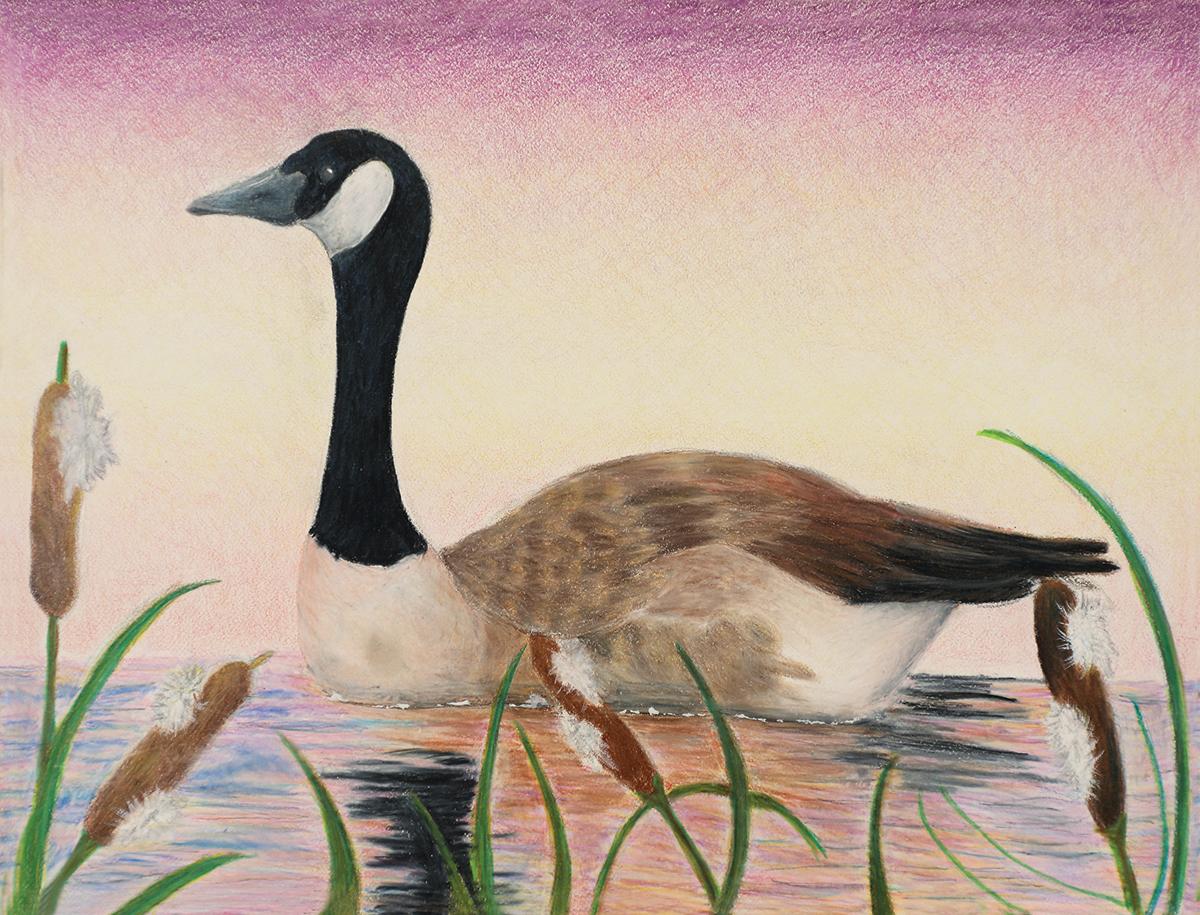
Congratulations to Julia Phillips, age 13, of Avon, CT, whose colored pencil drawing of a Canada goose was selected as the winner of the 2020 Connecticut Junior Duck Stamp Art Competition! Julia's artwork will be featured on the 2021 Connecticut Migratory Bird Conservation (Duck) Stamp. The change to using the Junior Duck Stamp winning art insures that a Connecticut artist represents our state Duck Stamp. Further, the school curriculum associated with the Junior Duck Stamp Contest is geared towards waterfowl and wetland conservation. This helps foster an appreciation for the species being painted by the students and helps provide students with a better connection to the natural world.
|
| Please Be Mindful of Turtles Crossing Roads |
|
|
|
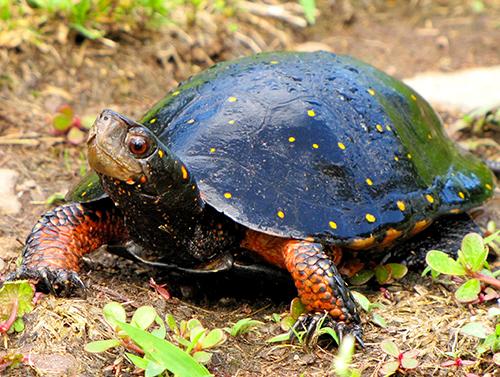
Spotted Turtle |
During the months of May through July, egg-bearing female turtles travel across land to find the perfect location to dig a nest and lay eggs. Connecticut's landscape is highly fragmented by busy roads, and many turtles are forced to travel great distances - and across roadways - to find suitable nesting habitat. Helping a turtle move across the road can be the difference between life and death for the animal, and for future generations, BUT YOUR SAFETY COMES FIRST. Be sure to assist a turtle in the road only when it is safe to do so and do not attempt to stop traffic. Another critical step in helping a turtle off the road is to move the individual in the direction it is heading.
|
|
Teaching Families to Be Bear Aware Together
|
|
|
|
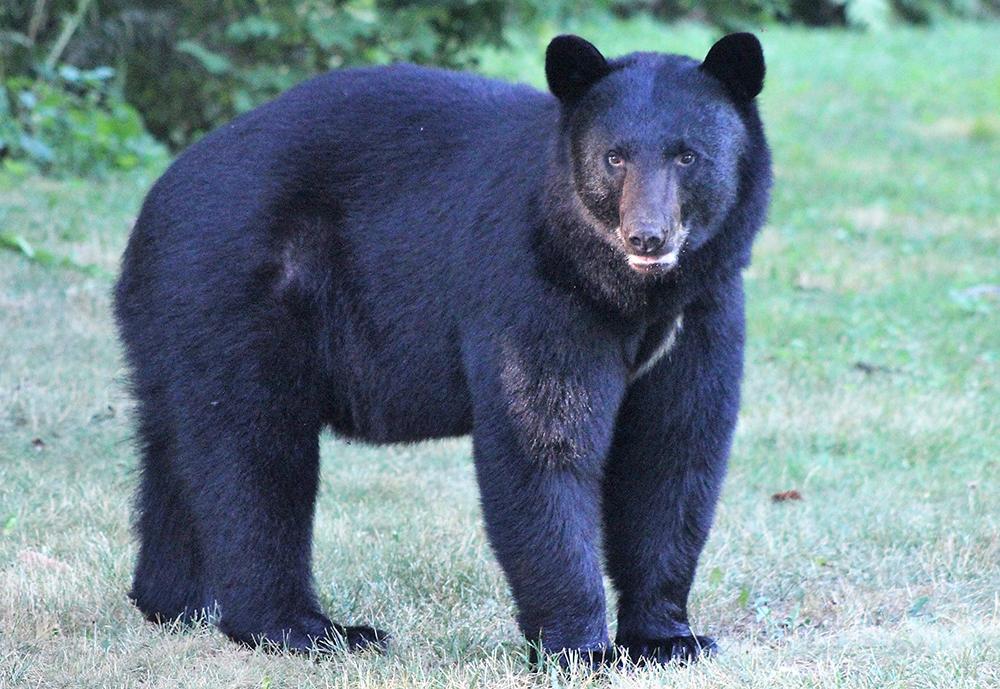
Photo courtesy of Ginny Apple |
Being "bear aware" goes beyond knowing what to do when you see a bear on a hiking trail. With more people in Connecticut living in and around bear habitat, it is important for families to have a plan for when they encounter a bear passing through their yard. The most important thing is to not run away. Instead, parents should pick up small children, and calmly walk back into the house, keeping the bear in view. Make noises so the bear is aware of you and have a whistle or air horn nearby. If an older child is outside alone, instruct them how to use the whistle or air horn to alert both the bear and those inside the house. Get dogs under control and safely inside so they do not go after a bear. After the bear has moved on, look around your home for attractants like bird feeders, garbage, greasy grills, and pet food, which may encourage more bear visits in the future. Remember, bears often travel several miles each day while foraging, passing through many yards in the process. While aggressive behavior from black bears towards people and dogs is exceedingly rare throughout North America, including Connecticut, following basic precautions and keeping a respectful distance can help make bear sightings an enjoyable rather than fearful experience.
|
|
Creating Backyard Wildlife Habitat Is Easier than You Think!
|
|
|
|
Photo courtesy of Kyle Testerman/WMI |
While most of us are spending more time at home than ever before, it is the perfect time to enhance your property's wildlife value. Even the simplest additions can be helpful to the many different types of animals that live nearby. If you have property with some downed limbs from the past season's storms, try building a brush pile.
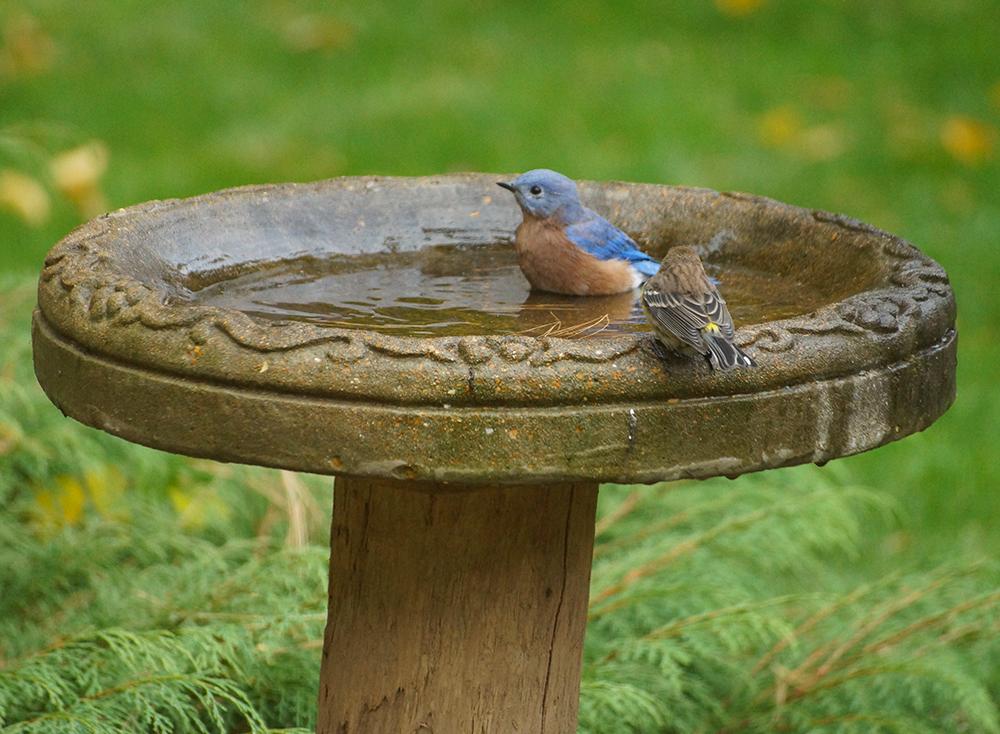
Since bird feeders should not be out this time of year because they attract bears, you can take other actions to invite birds to visit your home. Many migrating songbirds are not looking for seeds this time of year, but they do need places that provide water, shelter, and opportunities to forage for insects. Having a bird bath and a few native shrubs can make for the perfect migration stopover for warblers and other long-distance migrants. Fortunately, you do not need a yard or big landscaping budget to make helpful improvements, even a window planter box with some native flowering plants can attract butterflies, bees, and hummingbirds.
|
|
Join Us for a Reptiles of Connecticut Webinar
|
|
|
|
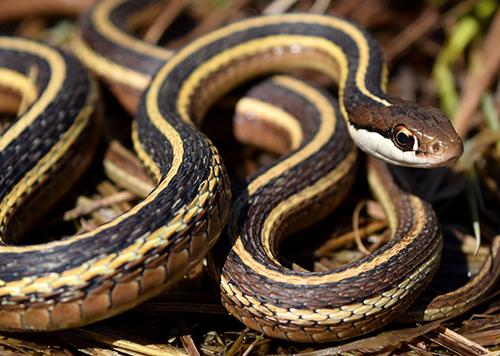
Common ribbonsnake |
Join Wildlife Division Biologist Paul Benjunas this
Thursday (May 14) at 3:00 pm as he highlights some of the native reptiles found in Connecticut. Learn about their natural history and how to identify some of the snakes and turtles you might find in your own backyard! This is the third in a wildlife series informing educators and outreach specialists on the status of wildlife in Connecticut. This program is geared for an adult level but all are welcome to attend. Registration is required and links will be sent prior to the program day.
|
|
Activities and Learning Resources for Families
|
While Connecticut residents "Stay Home, Stay Safe" to help minimize community spread of COVID-19 and children are currently learning from home, it does not mean you have to say inside. This challenging situation provides an opportunity for all of us to get reconnected with nature and the Connecticut outdoors. There are a variety of outdoor and nature education opportunities and resources that individuals and families can take advantage of now and into the future. Plus, you do not necessarily have to travel to a state park as many of these experiences can occur in your neighborhood or backyard. Some of these activities include:
|
| Notice for Connecticut Trappers |
This season, the Wildlife Division will provide pelt tags by mail. Trappers can request tags for pelts taken in the 2019-2020 season by sending an email to Geoffrey.Krukar@ct.gov or calling one of the following phone numbers: 860-418-5956 (Franklin WMA) or 860-424-3211 (Sessions WMA). Trappers will also be required to fill out and return report forms for those pelts needing tags. You will be asked for a list of the number of each species that needs tags and a mailing address. The required number of tags and report forms will be mailed to you.
Immediately attach the tags to your pelts once you receive them in the mail. The report forms will be due within 30 days of receipt. The forms will be treated as other harvest reports, so there are penalties for submitting false reports.
|
| New to Raising Chickens? Follow Predator-Safe Practices |
|
|
|
Photo courtesy of Kyle Testerman/WMI |
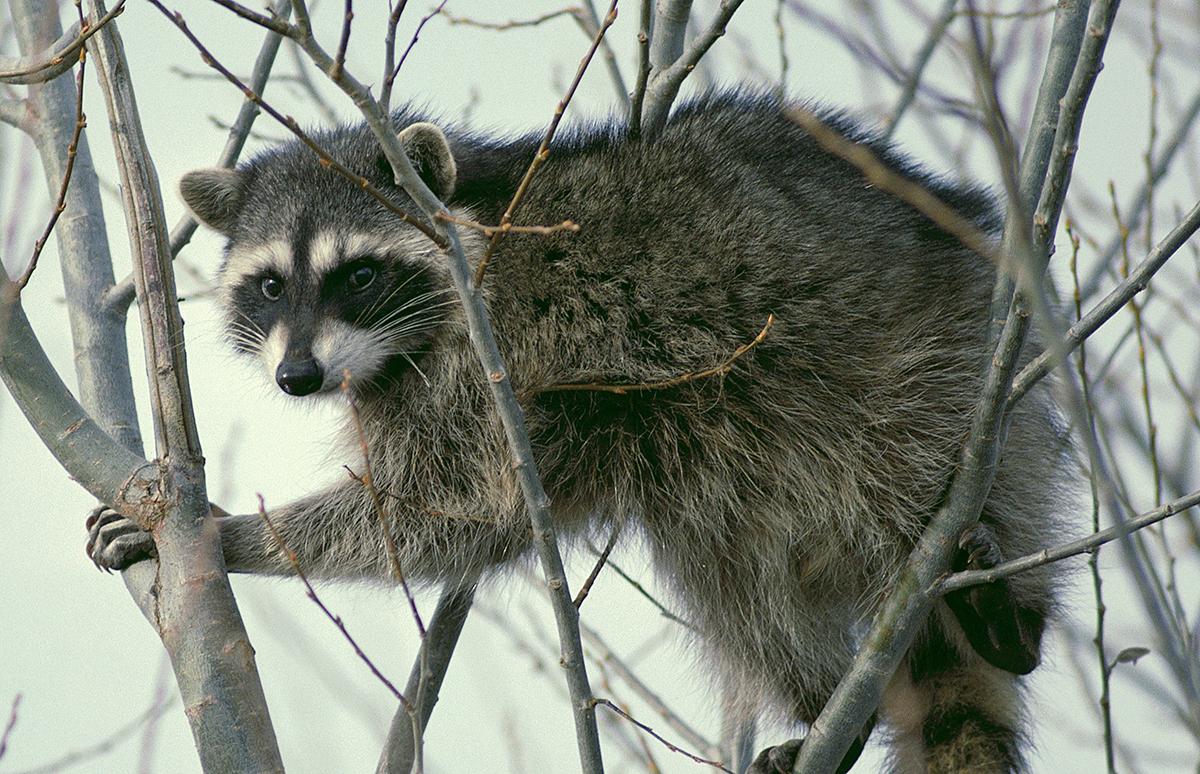
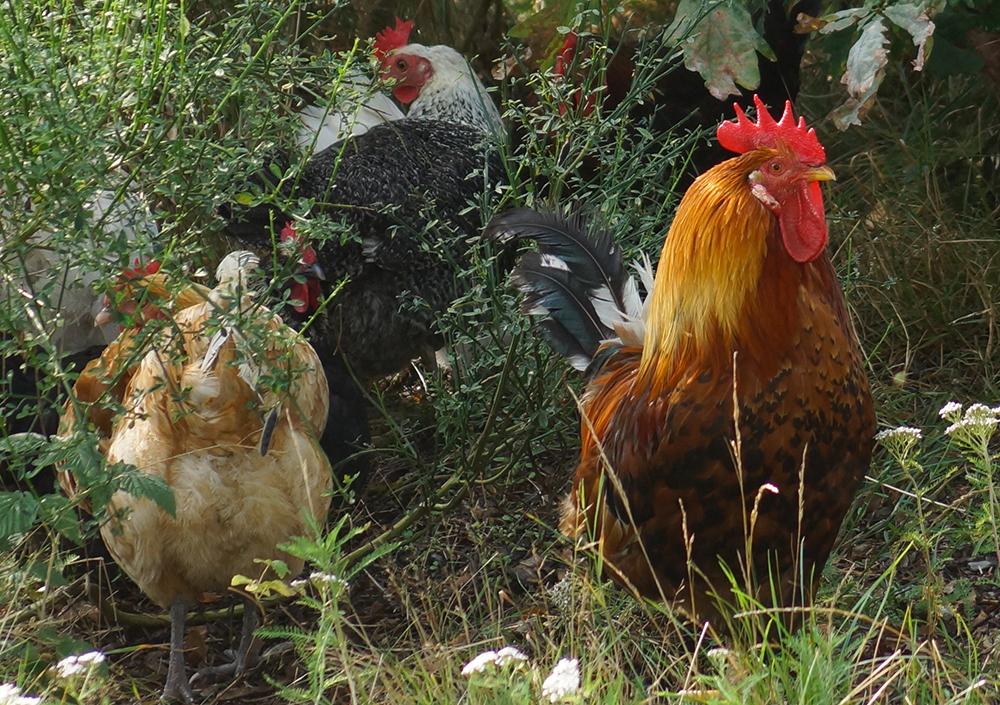
Raising backyard chickens has become more popular this year with stay-at-home guidelines across the country. In fact, many suppliers of chicks have been swamped with orders. If you have taken on the exciting hobby of raising chickens for eggs or meat, make sure you take the proper precautions to prevent predators from reducing your flock or egg yield. Most of Connecticut's predators will take advantage of a free-ranging meal or eggs. Therefore, your chicken enclosure should be built with metal screening small enough to prevent entry from snakes and weasels, overhead screens to keep out hawks and owls, and electrified net fencing around the perimeter to keep larger animals, like bears, raccoons, bobcats, foxes, and coyotes, away.
|
|
Species of the Month: Wild Turkey
|
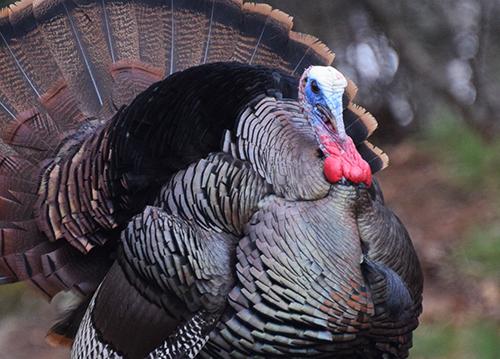
This large, majestic bird represents one of Connecticut's greatest conservation success stories.
Thanks to the successful restoration program (initiated in the 1970s) involving the trap and transfer of wild turkeys throughout the state, Connecticut has a healthy population of wild turkeys. In addition, Connecticut has assisted other states with wild turkey restoration efforts. Between 1987 and 1997, Connecticut provided 188 birds to other states including: Maine (101), Louisiana (17), North Carolina (51), and Texas (19).
|
Your Feedback Is Important to Us!
Send your comments or suggestions to deep.ctwildlife@ct.g
ov
|
|
You are making a difference and we thank you for your support!
|
|
You'll find each issue packed with information about wildlife, hunting, fishing, and natural resource-related issues in Connecticut.
|
|
The Connecticut Department of Energy and Environmental Protection is an Affirmative Action/ Equal Opportunity Employer committed to complying with the requirements of the Americans with Disabilities Act. Please contact us at 860-418-5910 or deep.accommodations@ct.gov if you: have a disability and need a communication aid or service; have limited proficiency in English and may need information in another language; or if you wish to file an ADA or Title VI discrimination complaint.
|
|
|
|
|
|