|
Please share this edition of Wildlife Highlights with other outdoor enthusiasts
and help our subscription list grow!
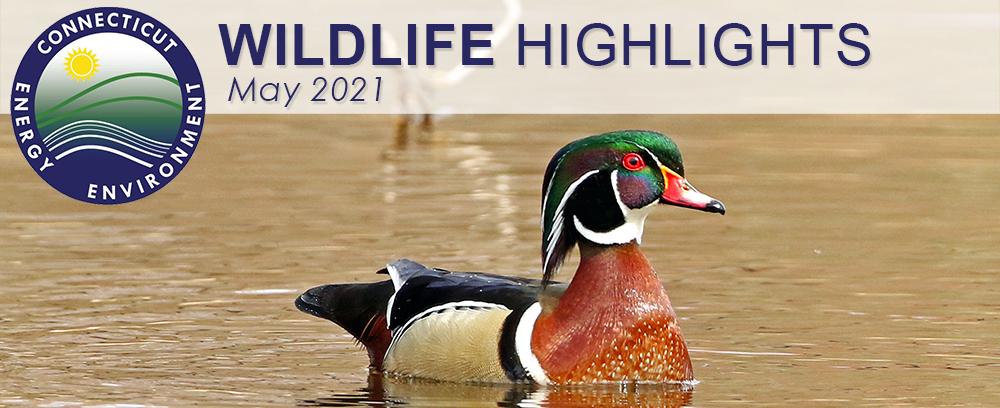
Drake wood duck photo courtesy of Matthew Balnis.
| |
Recovering America's Wildlife Act Introduced in the U.S. House | |
|
Without investing in proactive wildlife conservation, scientists estimate that one-third of wildlife species in the United States are at risk of becoming threatened or endangered. The outdoors is more important than ever, not only to fish and wildlife, but for our health and well-being, and needs protecting.
The Recovering America's Wildlife Act (RAWA) would dedicate $1.3 billion annually to state fish and wildlife agencies to implement their science-based wildlife action plans and an additional $97.5 million for tribal fish and wildlife managers to conserve fish and wildlife on tribal lands and waters.
More on this critical bi-partisan legislation . . .
More on the Alliance for Fish and Wildlife . . .
| |
Winner of the 2021 Connecticut Junior Duck Stamp Competition | |
|
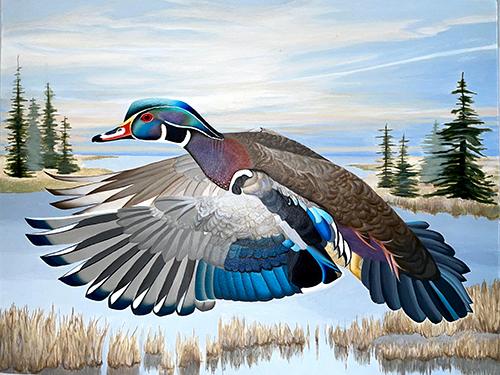
Congratulations to Sophie Archer, age 17, of Old Lyme, CT, whose acrylic painting of a drake wood duck in flight was selected as the "Best in Show" for the 2021 Connecticut Junior Duck Stamp Art Competition! Sophie’s artwork will be featured on the 2022 Connecticut Migratory Bird Conservation (Duck) Stamp.
The Connecticut Migratory Bird Conservation Stamp Program is a great example of how conservation works — concerned citizens paying into a program that was formed to protect and enhance vital habitat. All revenue from the sale of Connecticut Migratory Bird Conservation Stamps goes into a dedicated account that is used solely for wetland habitat management and acquisition or for improving hunter access. Over 3,145 acres of critical wetlands have been protected in Connecticut using duck stamp funds!
More on the Duck Stamp Competition . . .
| |
Challenges Facing Connecticut's Turtles | |
|
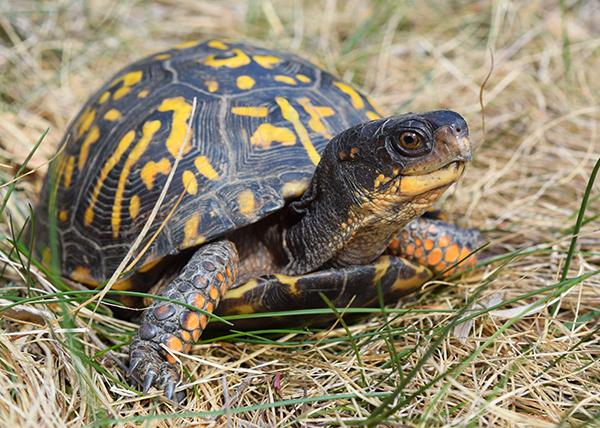
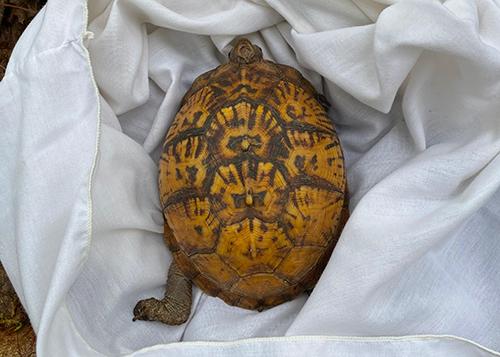
Twelve turtle species (including 4 sea turtles) occur in Connecticut. Nine of these turtles are currently on the state's List of Endangered, Threatened and Special Concern Species. Turtles face a multitude of conservation challenges, including habitat loss and degradation, mortality from roads, illegal collection and global trafficking, and exotic invasive species and diseases. That being said, we have the power to make positive changes toward turtle survival!
This spring and summer, please look out for turtles crossing roads. Connecticut's landscape is highly fragmented by busy roads, and many turtles are forced to travel great distances - and across roadways - to find suitable nesting habitat. Helping a turtle move across the road can be the difference between life and death for the animal, and for future generations, BUT YOUR SAFETY COMES FIRST. Be sure to assist a turtle in the road only when it is safe to do so and do not attempt to stop traffic. Another critical step in helping a turtle off the road is to move the individual in the direction it is heading.
More on Connecticut's turtles . . .
| |
Using Electric Fencing to Prevent Wildlife Conflicts | |
|
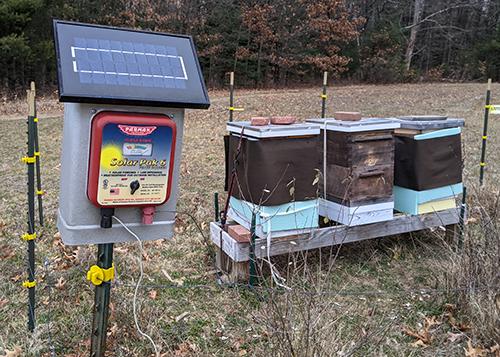
Conflicts with wildlife can be a regular occurrence for people with livestock, gardens, bee hives, and other accessible food sources. Using electrified fencing is the most effective way to keep wildlife out of places where they can cause problems. While it might initially seem excessive to install an electric fence to protect chickens, fruit trees, bee hives, and other things of value, they are actually the most practical and effective means of deterring issues with bears, coyotes, bobcats, and other backyard wildlife. A new video from the Wildlife Division outlines some of the applications and considerations for setting up electrified fencing for preventing wildlife damage.
Tips on using electric fencing . . .
| |
Learn About Turtles and Wildlife Trafficking | |
|
The Wildlife Division and the Kellogg Environmental Center are presenting a virtual program about the threat of illegal wildlife trade in Connecticut. Turtles are one of the most threatened groups of animals and trafficking can stretch from our state to far off corners of the globe. Find out how the DEEP Wildlife Division and other partners are combating illegal trade and what you can do to help stop the problem. This virtual program will be held on May 19th at 6:00 pm, and registration is required.
Register here . . .
| |
Annual Turkey Brood Survey Starts Soon! | |
|
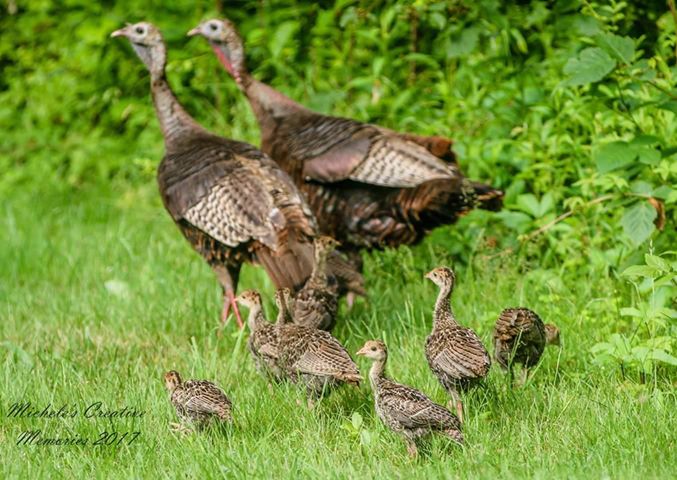
Each year, the Wildlife Division invites Connecticut residents to participate in the annual Wild Turkey Brood Survey from June 1 to August 31. The results from this survey allow biologists to determine turkey productivity and reproductive success by estimating the average number of turkey poults per hen. This year, there will be additional information collected not collected in the past. This is necessary to be part of a Regional Brood Survey Effort. Details on how you can participate in this study will be made available in the coming weeks on our social media channels (Facebook, Instagram, and Twitter).
| |
Report Banded Roseate Terns | |
|
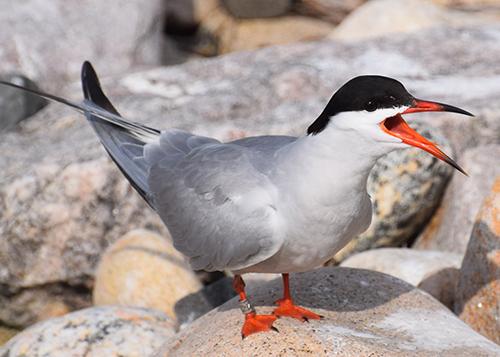
Connecticut's terns are returning! The first week of May typically yields the first common terns and least terns of the season. While you may only see one or two initially, hopefully some beaches will end up with dozens or potentially hundreds flying by, foraging, or ideally, starting a nesting colony.
The U.S. Fish and Wildlife Service has provided an informational handout about reporting roseate terns with bands. Please bear in mind some similar common terns may have bands, too. However, the rare, state and federally endangered roseate tern nests at Falkner Island in Long Island Sound and can occasionally be spotted elsewhere along the Connecticut coast. When visiting our coastal beaches this spring and summer, please remember to #SharetheShore with nesting birds.
More on reporting roseate tern bands . . .
| |
Of Pools and People - Fostering Vernal Pool Stewardship | |
|
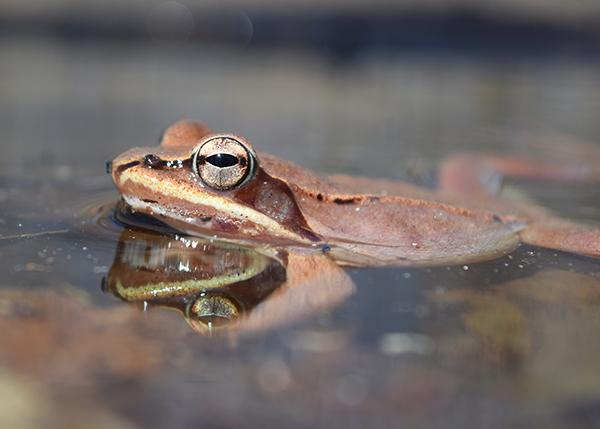
Vernal pools are critical to the well-being of many of Connecticut's amphibians by providing a safe area for egg laying and larval development. For residents in the Northeast with vernal pools on their property and an interest in enhancing those special areas and in wetland conservation, Of Pools and People is a great place to start! They offer a wide-range of resources on ecology, identification, regulation, and strategies for conservation developed from evidence-based science.
More on Of Pools and People . . .
| |
Celebrate World Migratory Bird Day, May 8 | |
|
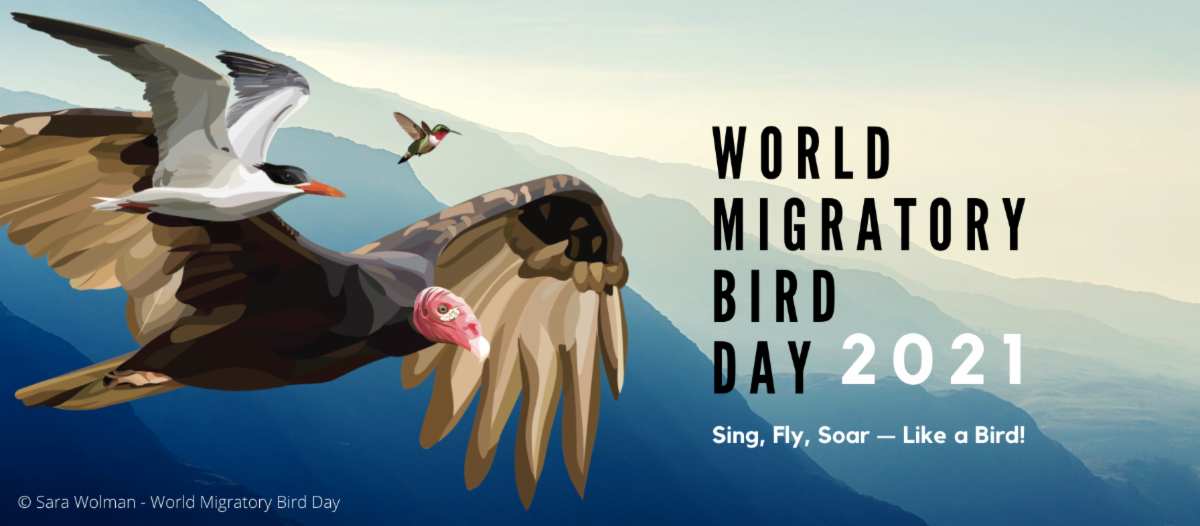
World Migratory Bird Day (WMBD) is an annual awareness-raising campaign that highlights the need for the conservation of migratory birds and their habitats. The 2021 conservation theme, Sing, Fly, Soar — Like a Bird, focuses on the phenomena of “bird song” and “bird flight”!
More on WMBD . . .
| |
Species of the Month: Porcupine | |
|
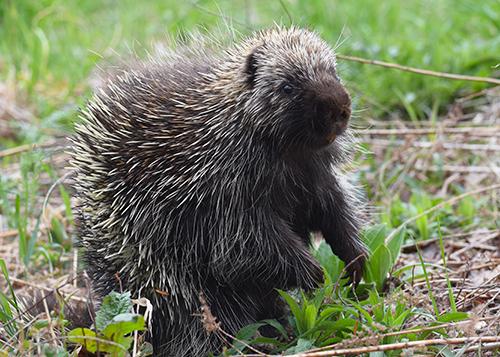
The North American porcupine is a large, solitary rodent commonly found in New England but is less common in Connecticut. Porcupines are excellent climbers, and although they are mostly nocturnal, they can be found perched in the top of a tree during the day or walking on the ground around dusk or dawn. Porcupines are herbivores, feeding primarily on twigs, leaves, seeds, and nuts. Although porcupines are slow-moving (especially on the ground), they are well-equipped to handle would-be predators. Their body is typically covered with 20,000 to 30,000 quills (modified hairs) that can be willingly raised so they bristle out as a warning to stay clear. Contrary to popular belief, porcupines are NOT capable of "shooting" or "throwing" their quills at would-be predators.
| |
|
Stay Connected!
Follow us on Social Media
| |
|
-- Quick Links --
Your Feedback Is Important to Us!
Send your comments or suggestions to deep.ctwildlife@ct.gov
|  | The Connecticut Department of Energy and Environmental Protection is an Affirmative Action/Equal Opportunity Employer that is committed to complying with the requirements of the Americans with Disabilities Act. Please contact Barbara Viadella or Cenit Mirabal, DEEP Office of Diversity and Equity at 860-418-5910 or by email at deep.accommodations@ct.gov if you are requesting a communication aid or service, have limited proficiency in English, need some other type of accommodation, or if you wish to file an ADA or Title VI discrimination complaint. In order to facilitate efforts to provide an accommodation, please request all accommodations as soon as possible following notice of any agency hearing, meeting, program or event. | | | | |