|
and help our subscription list grow!
|
|
Fall Firearms Deer Season Opens Soon!
|
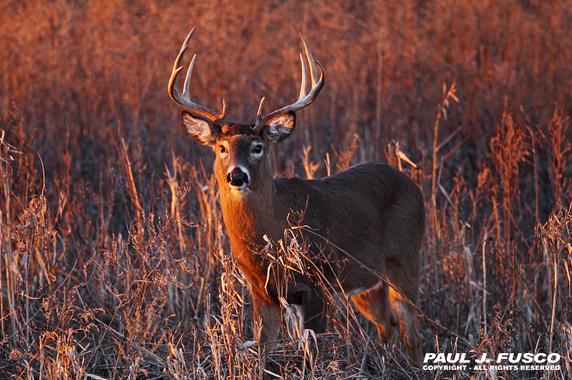
Firearms deer hunting season begins Wednesday, November 18! Everything you need to know about the tagging and reporting process is covered on our website. Tree Stand Safety Reminder: Improper use of tree stands is one of the most common causes of injuries and death to hunters in the field. HUNTERcourse.com offers free online instruction on the proper use of tree stands and safety harnesses. For other outdoor recreationalists, we've got you covered! Learn more about our Outdoor Safety Tips.
|
| Watch DEEP Wildlife Videos on YouTube |
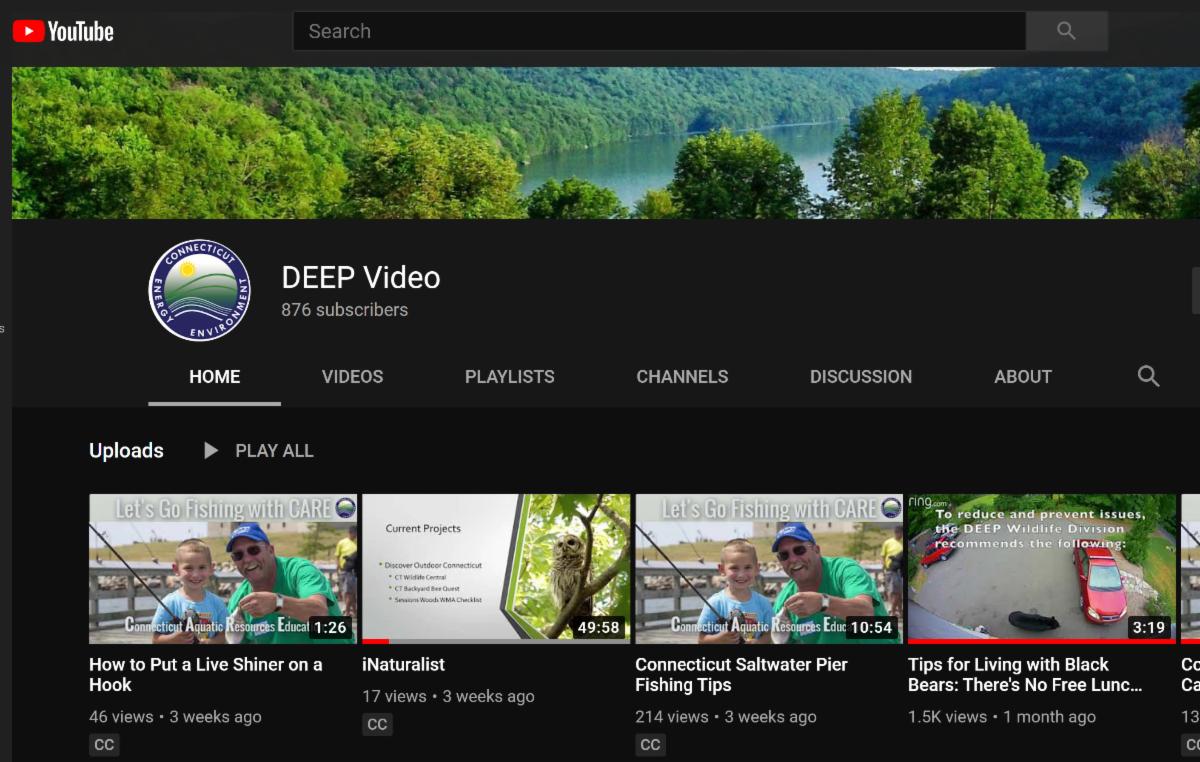
Over the last several months, staff from the Wildlife Division have presented webinars on various wildlife topics. These webinars are now available on the DEEP's YouTube channel and can be found on the Wildlife playlist. Check it out if you want to hear the latest on the state's black bear population, see how bobcats are being tracked, watch how wildlife and habitat are linked, learn what it takes to capture great wildlife photography, or find out how to contribute to volunteer projects on iNaturalist.
|
|
Being Bear-Aware as Winter Approaches
|
|
| |
Kyle Testerman/WMI
|
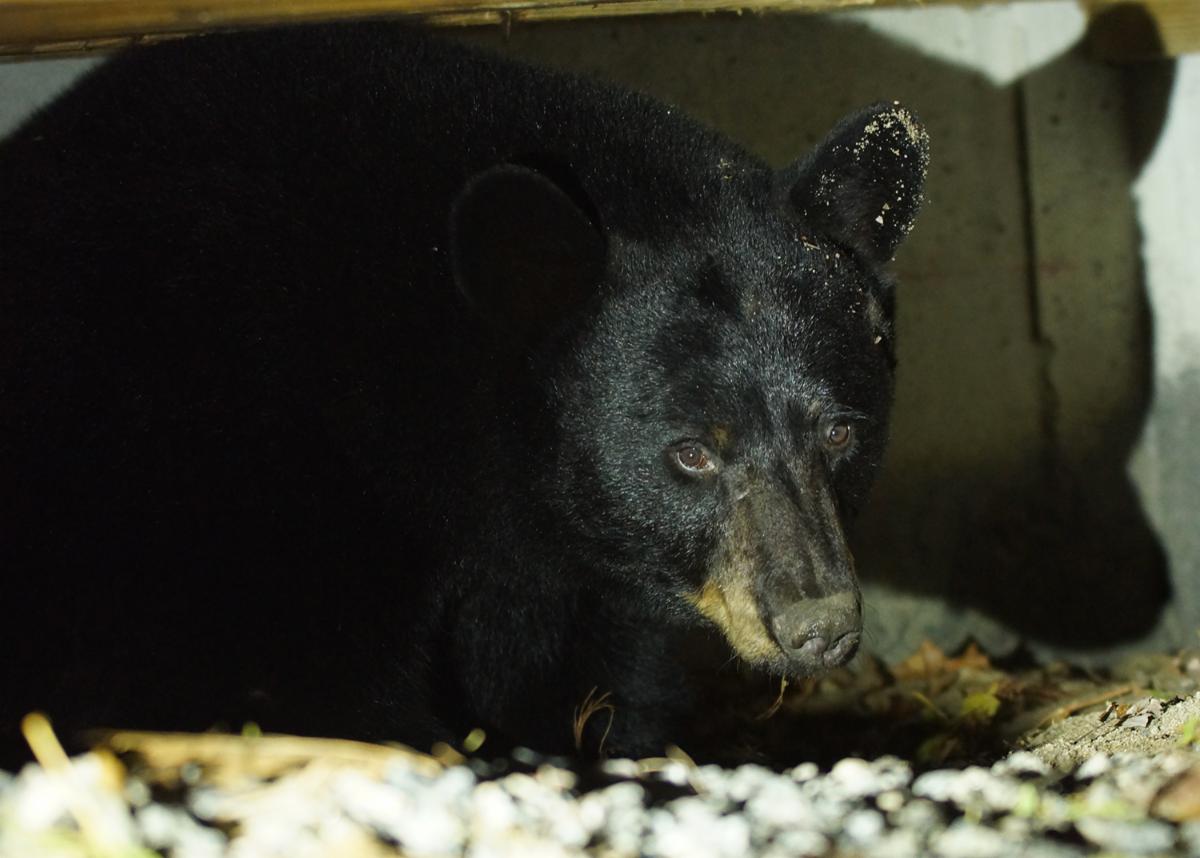
With the colder months approaching, bears are consuming as many calories as possible before they begin denning. While bears often den in natural areas away from people, some find suitable places to den in surprising locations. Each winter, the Wildlife Division receives calls from homeowners about bears denning under sheds, decks, and porches. The best ways to prevent bears from using these areas are to ensure they don't have easy access to these spaces and to remove any food attractants in the general area. Continually replenished food sources that are found near homes, particularly birdseed and trash, can attract bears year-round. If bears are finding food sources near homes just prior to denning, they may den in the neighborhood.
To reduce issues with bears denning near your home, walk around your house or shed and look for any areas that an animal could crawl under for shelter. Lattice paneling or shrubbery is not a sufficient barrier to keep bears and other wildlife from seeking shelter under a deck or porch. Plywood barriers affixed with screws and more solid structures are required to prevent bears from causing enough damage to break through. Most importantly, do not put out bird feeders until December and only when the weather is cold. Bears can still be quite active during mild winter weather. If you live in areas with high bear activity, it is best to avoid bird feeders altogether.
|
|
Forest Management in Connecticut
|
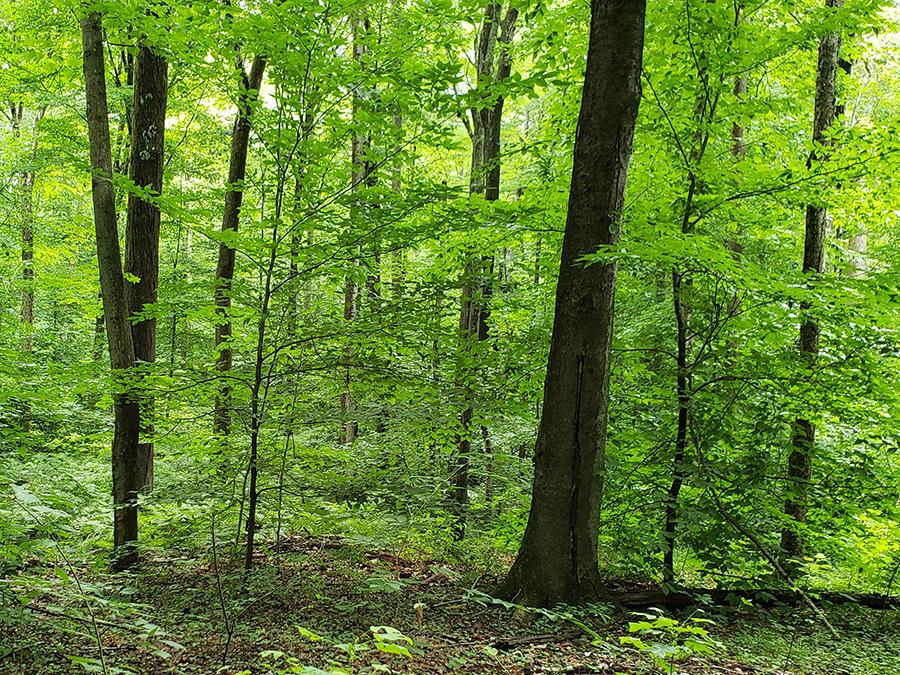
The DEEP Division of Forestry strives to promote healthy and diverse forest ecosystems. Forests enhance water and air quality, while providing habitats for native species that are threatened or endangered. Our forests also offer recreational opportunities, sustainable resources for local and global utilization, and carbon sequestration. The Division of Forestry works with Wildlife Division biologists to develop forest management strategies on State Forests and Wildlife Management Areas that focus on meeting the habitat requirements of species of greatest conservation need and sustaining imperiled natural communities.
|
|
Wildlife Conservation During COVID-19
|
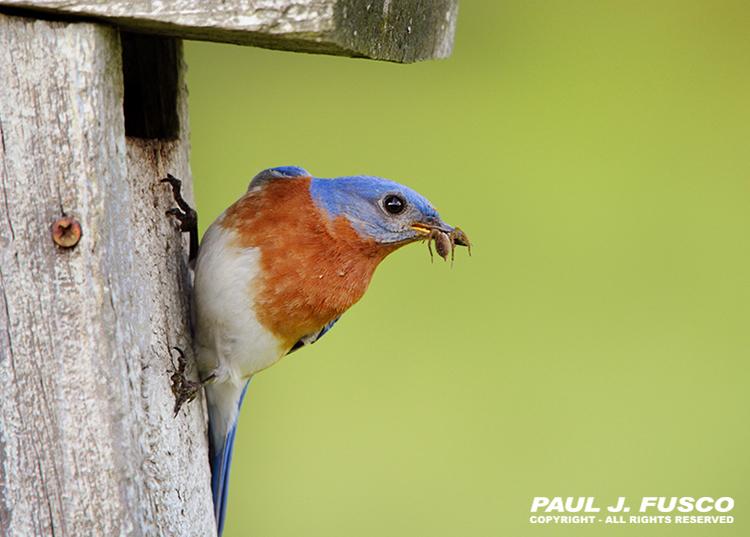
With many people still working from home and looking for new hobbies, now is a great time to practice your carpentry skills and help one of Connecticut's most beloved bird species. The eastern bluebird was once so scarce it was only found in small areas of three towns in Connecticut. Habitat loss and competition from non-native species were the key conservation challenges faced by this beautiful bird. Through a proactive program to build, distribute, and manage man-made nest boxes, wildlife biologists and the public combined forces to reverse this decline.
|
|
This Fall, Leave the Leaves
|
|
| |
Photo: Steven Severinghaus / Flickr Creative Commons 2.0
|
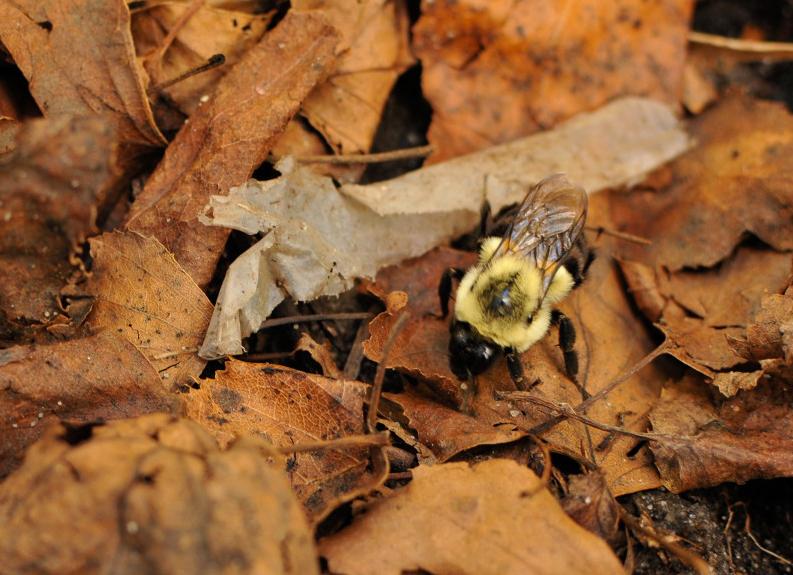
As the leaves continue to drop from the trees around your home, you may feel the need to break out the rake and start cleaning up your yard. There is, however, another alternative: you can simply #LeavetheLeaves. While this is quite contrary from the mindset many of us are used to, it is important to understand that leaf (and brush) "litter" provide vital habitat for wildlife, especially our native pollinators, including bees, butterflies, and moths! Do not think of it as being lazy -- think of it as providing a winter home for our native pollinators.
|
|
Give the Gift of Connecticut Wildlife Magazine
|
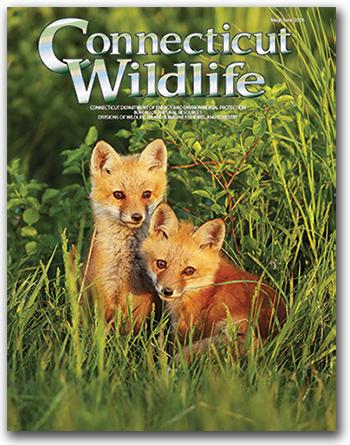
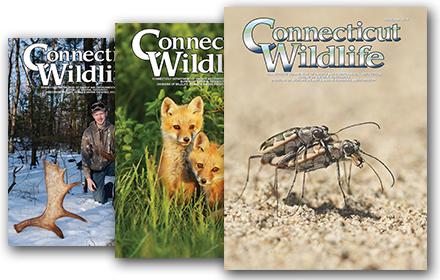
This holiday season, give a gift subscription to the DEEP Bureau of Natural Resource's 24-page, full-color, bimonthly magazine. This is the perfect gift for those who like to stay informed about fish, wildlife, and natural resource issues and events in our state. It is published six times a year, and is available by subscription for $8 a year, $15 for two years, or $20 for three years.
|
|
Species of the Month: White-throated Sparrow
|
|
| |
Kyle Testerman/WMI
|
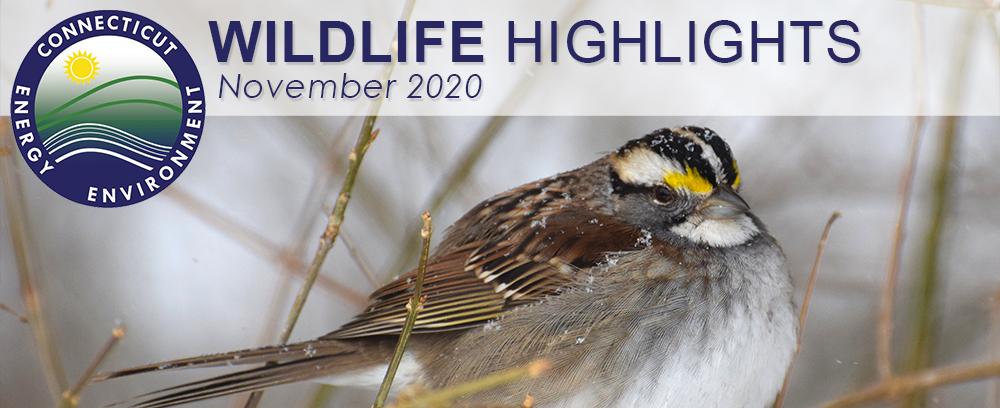
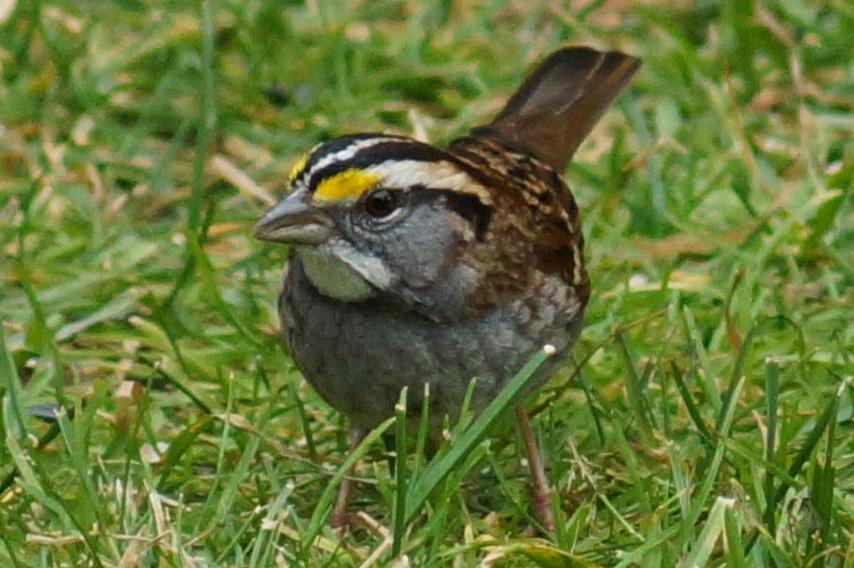
The colder months of the year bring a host of new birds to the backyard that are not usually seen during the breeding season. White-throated sparrows breed across Canada and the northern reaches of the eastern United States. While there is some evidence that white-throated sparrows breed in Connecticut, they are most often seen during winter and migration. Flocks of these songbirds begin to show up en masse in late October and can be found in backyards, city parks, fields, and along forest edges through April. White-throated sparrows feed on a variety of seeds, including grass, ragweed, and other weeds, as well as insects and fruits. During winter, they can be seen feeding on the ground around bird feeders.
There are two color morphs of white-throated sparrows, coming in white-striped and tan-striped forms. These birds almost always mate with a bird of the other color morph. The white-striped form is often more aggressive, regardless of sex. Next time you see a flock foraging on the ground this winter, take note of how the ones with the brightest white head stripes behave around the others.
|
Your Feedback Is Important to Us!
Send your comments or suggestions to deep.ctwildlife@ct.gov
|
|
You are making a difference and we thank you for your support!
|
|
You'll find each issue packed with information about wildlife, hunting, fishing, and natural resource-related issues in Connecticut.
|
|
The Connecticut Department of Energy and Environmental Protection is an Affirmative Action/ Equal Opportunity Employer committed to complying with the requirements of the Americans with Disabilities Act. Please contact us at 860-418-5910 or deep.accommodations@ct.gov if you: have a disability and need a communication aid or service; have limited proficiency in English and may need information in another language; or if you wish to file an ADA or Title VI discrimination complaint.
|
|
|
|
|
|