|
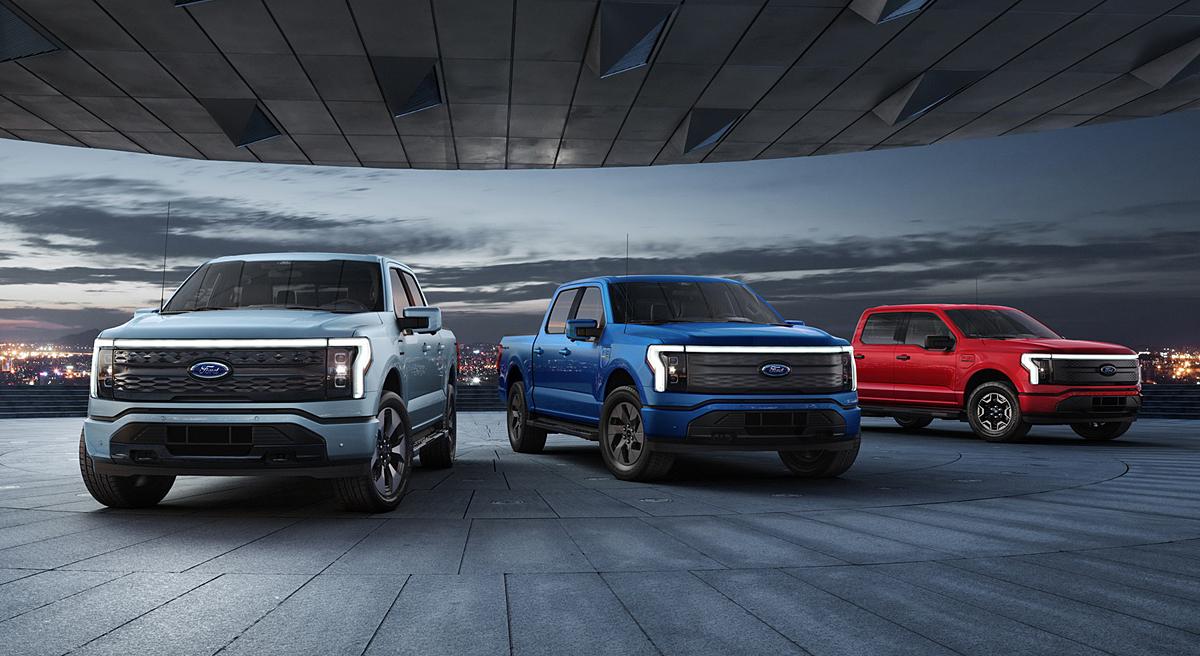
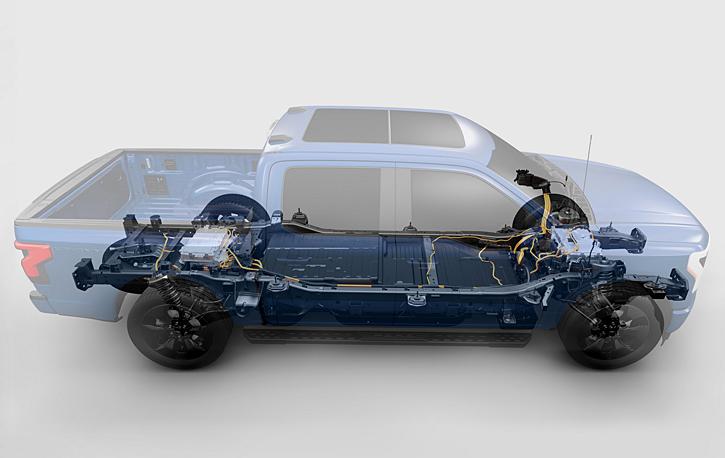
The Ford F150 Lightning was revealed this week, and is quite convincing as a useful work truck/mobile battery pack. In my mind, the most significant thing about it is the effort made to make use of the large battery pack as a mobile power station either for job sites, camping or for emergency power back up.
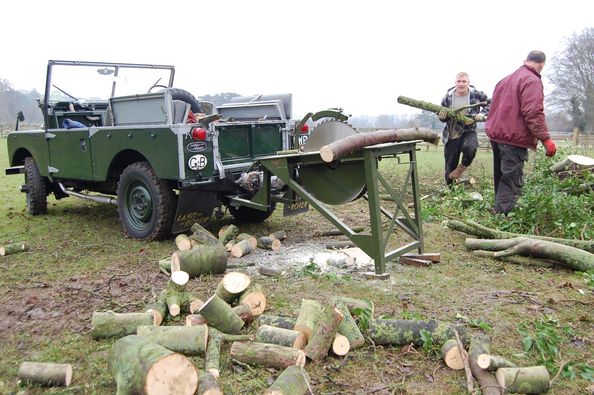
Those who have followed my classic vehicle restorations will know that I have a thing for old Land Rovers. The 1951 Series One that I restored some time ago was fitted with front and rear PTO's (power take offs) that were designed to run farm equipment and power various mechanical devices. Mechanical linkages attached to the front of the crank and rear of the gearbox sent power to gearboxes mounted on the front and rear bumper. Versions of the Land Rover also featured a centre PTO that was used to run a welder, air compressor or generator. In the early 50's, the Land Rover was marketed to farmers and ranchers who needed a mobile power source.
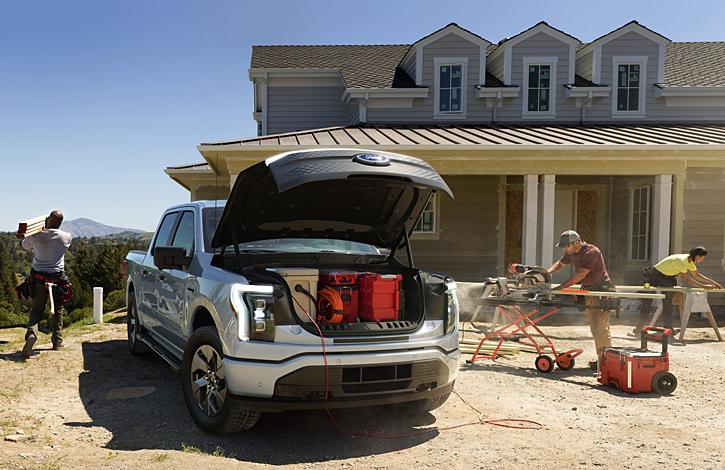
70 years later people still need to run power equipment in the field. On the F150 there are about a dozen 120V power outlets on the exterior of the car - all well lit for night work - that can provide up to 9.6kW at a time. With the long range battery pack, this is enough to power a medium sized house for several days according to Ford.
Ford is quoting a range of 300miles (483km) with the larger battery pack, so assuming the consumption is around 30kWh/100km, back-of-the napkin math suggests around 150kWh of useable electrical storage.
The Lightning can charge at 150kW DC, which means that the vehicle likely runs 400V architecture (not 800V which would give 250kW+ charging ability), presumably to keep the costs down.
Ford is betting most Lightning owners will charge their vehicles from home, as they are offering a giant 19.2kW, 80Amp AC home charger. This would require a 100Amp electrical service to be installed - which could be pricey for some homes - and would be able to charge the 150kWh battery pack in 8-10 hours. Ford is claiming the battery is designed for the life of the vehicle, so perhaps this is why they have not designed the battery to accept more than 150kW DC, as zapping the battery with ultra-high voltage shortens its life.
With a big tablet-style screen on the dash, full internet connectivity, powerful exterior surround lighting, and the ability to power any 120V tool, battery charger, or electrical accessory, the F150 Lightning promises to be a quite useful vehicle. As a large battery pack capable of bi-directional charging it would give peace-of-mind to home owners who can use the truck for emergency back up power.
Around $20,000 gets you an installed Tesla Powerwall and that's only 13.5kW. It very likely makes sense for many people considering adding battery storage in their home to add it the form of a vehicle.
The Lightning has a suite of smart applications, as you would expect, including a sophisticated towing application that measures the weight in the payload/tongue. A 400 litre 'frunk' where the engine used to be, is most welcome as you can put clean stuff in the front and all the dirty stuff in the back - also you won't have your groceries rolling around in the bed.
The F150 Lightning will start deliveries in the Spring of 2022. Taking a page from Telsa, as most companies are, Ford is offering to secure a build spot with a $100 deposit.
|