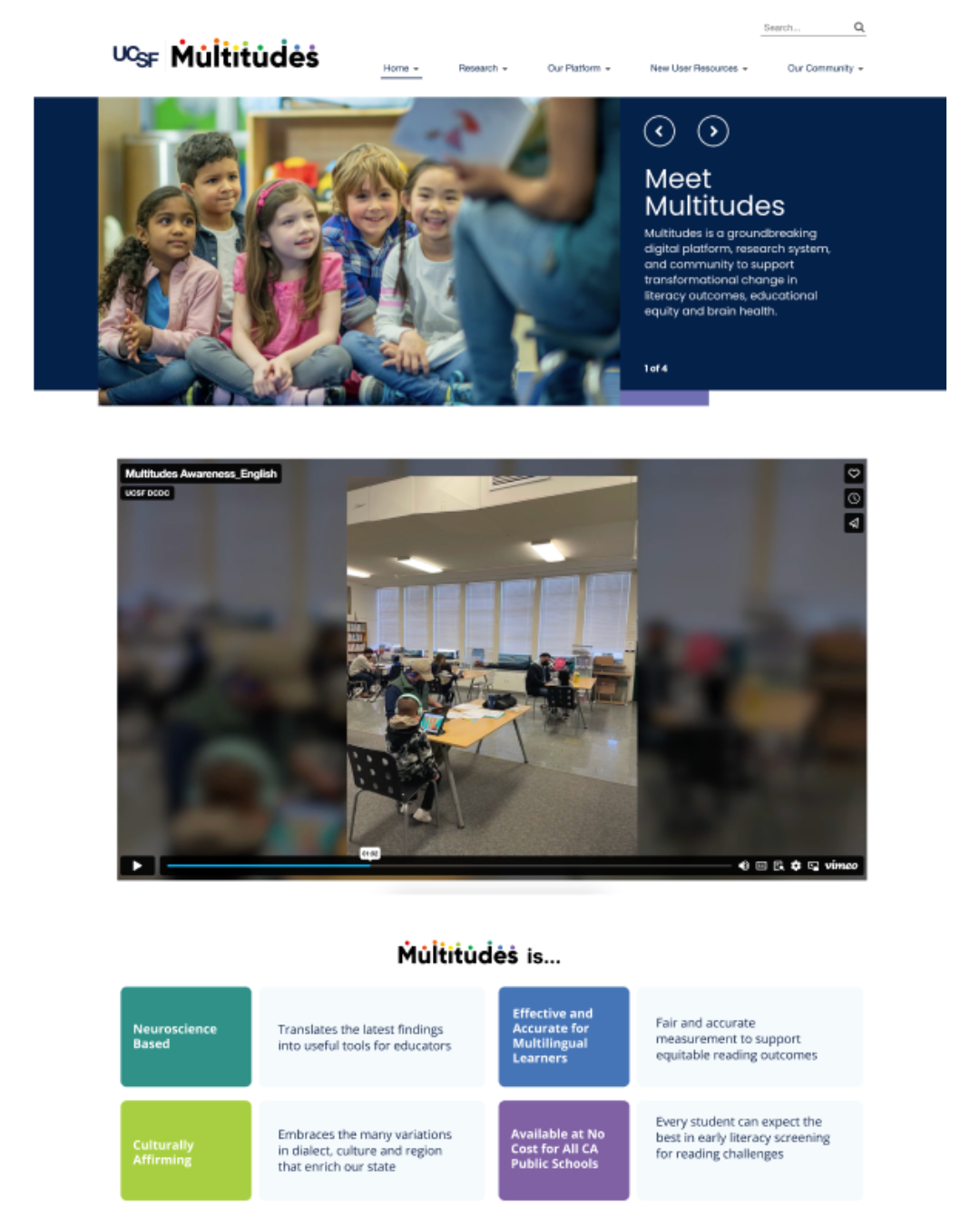
Winter 2026 Quarterly

Dear Friends of UCSF Multitudes,


As we begin a new year, we want to thank you for your continued partnership and commitment to early literacy for all learners across California.


This fall, California entered its first year of universal literacy screening. Multitudes has successfully scaled to over 1,500 schools in more than 300 districts, large and small, in nearly every county in the state. Early insights are already driving instruction, intervention, and strategic planning at every level. We’re pleased to share that results from more than 150,000 students screened are affirming the design, validity, and reliability of the Multitudes assessment tools.


This month, we are celebrating a new collaboration with the Sacramento County Office of Education to support districts implementing universal screening, as well as new research partnerships with Anaheim Elementary, San Francisco, and Oakland Unified School Districts. Through these collaborations, we’re exploring when screening is most effective, how it can be delivered across varied contexts, and piloting new tools for Mandarin and Cantonese speakers.


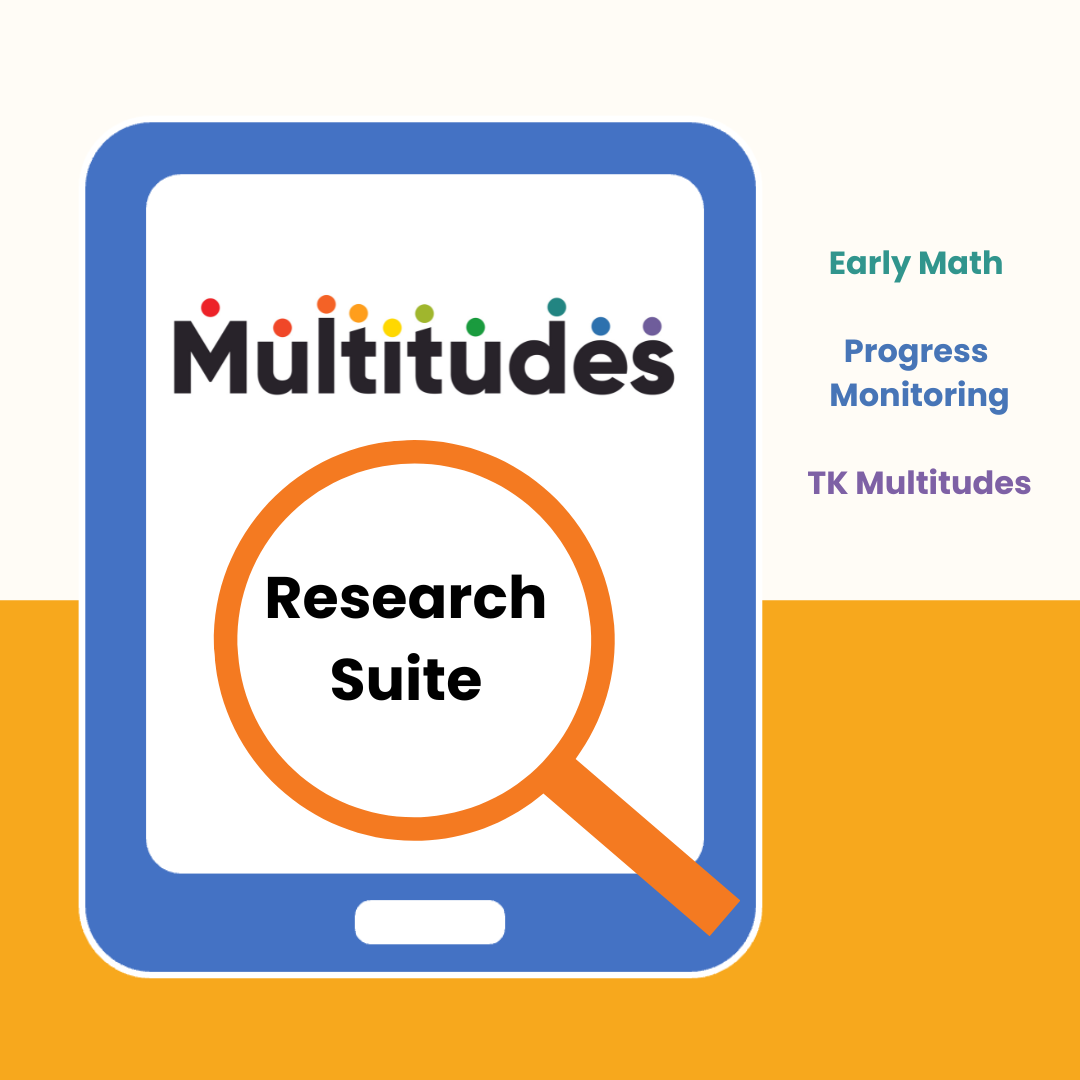
We also encourage all partnering schools to opt-in! to use the Multitudes Research Suite, which expands the platform into new domains and supports new users! We’ll continue to share insights, progress, and professional learning opportunities here as we move this foundational work forward together.


With warm wishes for the new year,


— Francesca Pei, Multitudes COO


Updates from Multitudes

SCOE + Multitudes Partnership


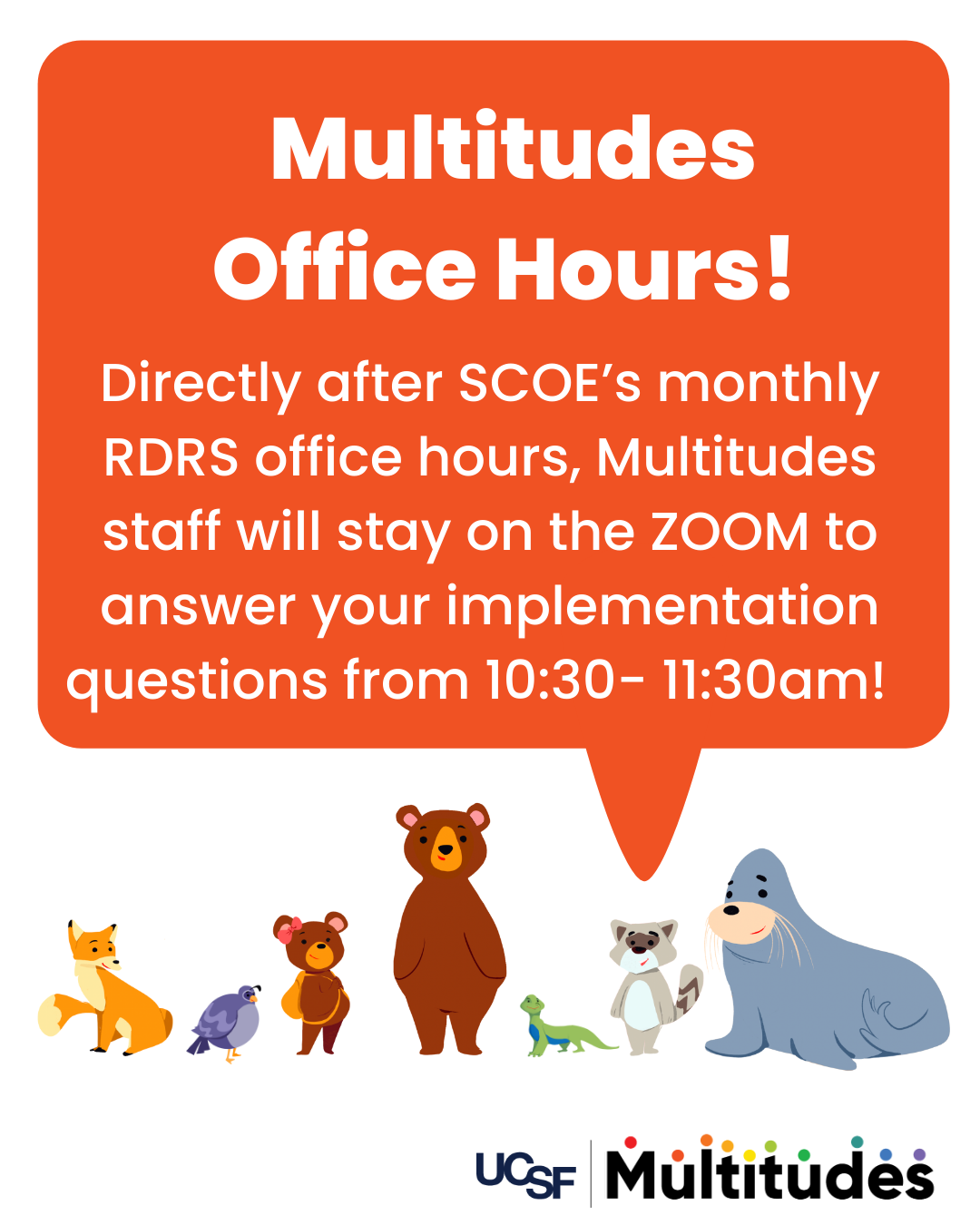
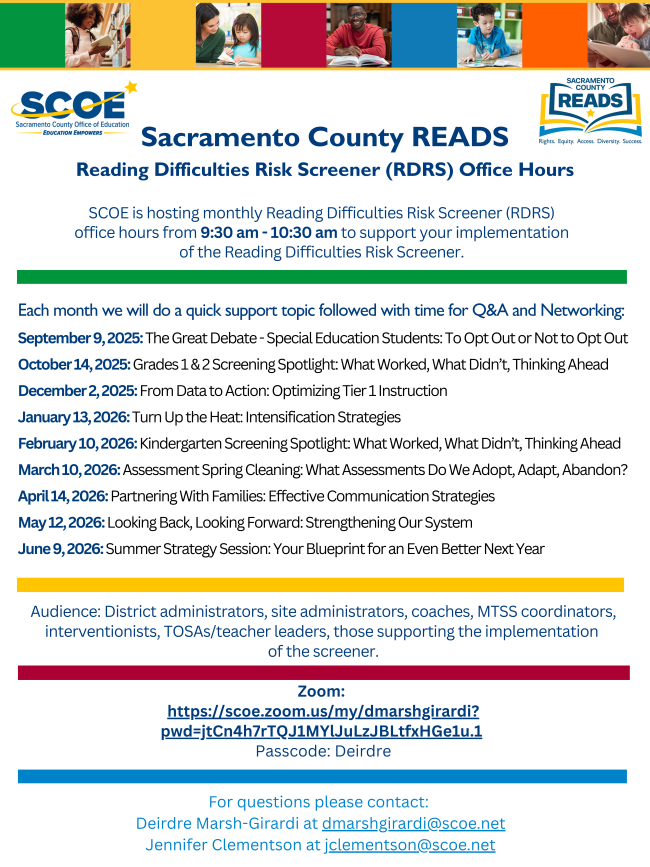
The Sacramento County Office of Education (SCOE) is pleased to partner with the UCSF Dyslexia Center to provide support to sites using the Multitudes platform. The goal is to expand the capacity of Multitudes' reading difficulties risk screening tool through webinars, newsletters, teacher modules, and open office hours.


In upcoming issues, SCOE will spotlight how schools across the state are using Multitudes to better understand and support students who may be at risk for reading difficulties. These stories are a reminder that this work is shared—and that there is much we can learn from one another. Spotlights will highlight both what schools are doing and how they are doing it, including the systems and structures supporting implementation and the ways Multitudes data is used to guide instruction, strengthen assessment systems, and inform decisions that move students forward.

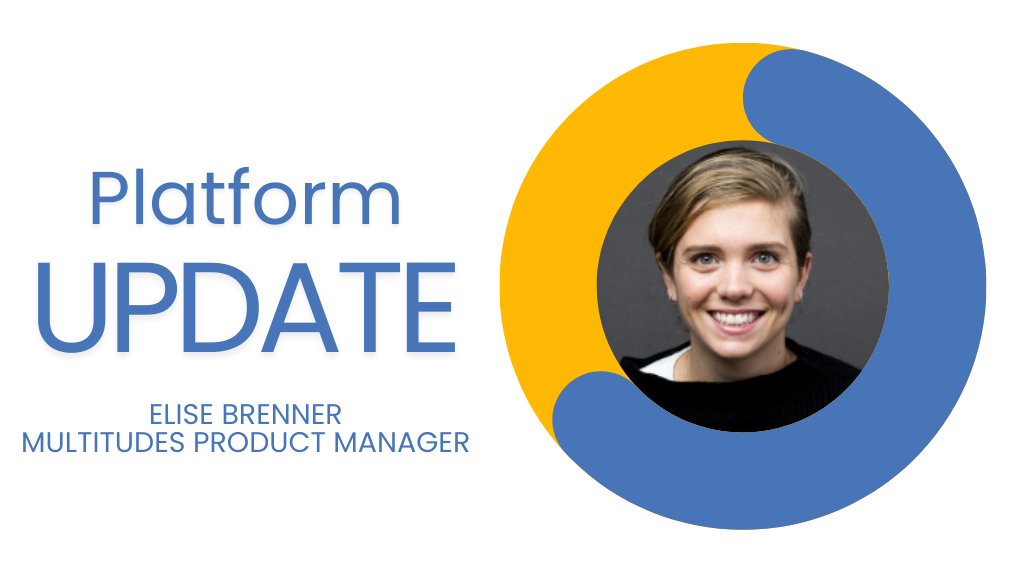
Hi there, I’m Elise Brenner, and I lead Product Development and School Success here at UCSF Multitudes. Over the past several months, our team has focused on supporting a successful rollout across California. This work has included close collaboration with educators and district partners, ongoing implementation and technical support, and targeted platform improvements informed by classroom experience and your feedback.


This winter, we will begin offering access to the Multitudes Research Suite to the more than 1,500 schools currently using Multitudes. Additional measures for math, progress monitoring, and transitional kindergarten are available through an opt-in research partnership, providing districts with the opportunity to help shape the future of the Multitudes platform. This work supports the development of new features for a more comprehensive, integrated platform that may reduce the need for districts to adopt, manage, and train on multiple separate tools. We are deeply grateful to our partner schools and districts for their collaboration and feedback.


Multitudes adopters may register interest in using the research suite on the Multitudes platform under the Research tab, or via the link below.


Strengthening Your Practice


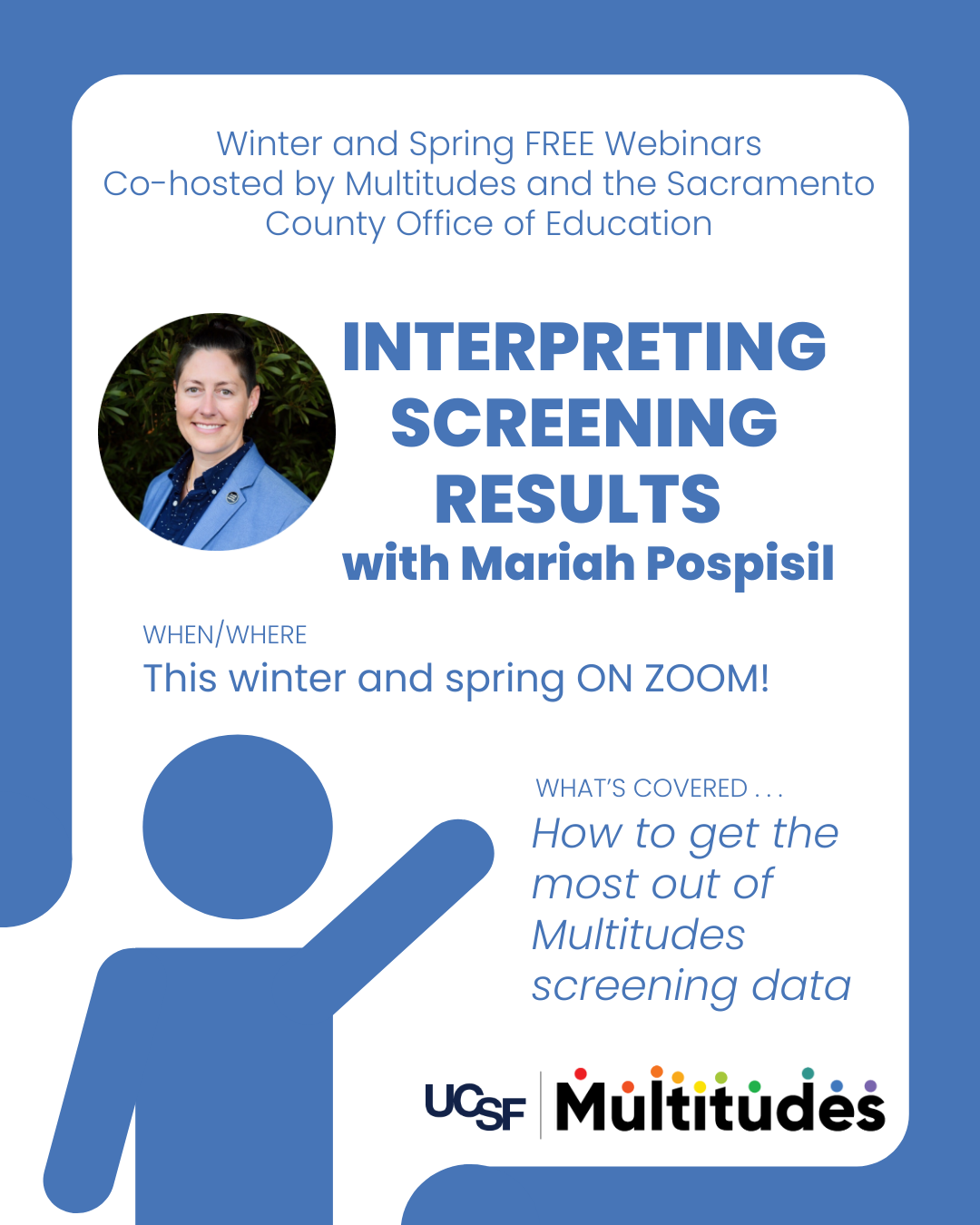
Learn how to interpret screening results, navigate the resources of the Multitudes platform, and use data to make next steps easier! In partnership with SCOE, Multitudes' professional development lead Mariah Pospisil will offer this free webinar this winter and spring. Select a link below to sign up today!


From the Field

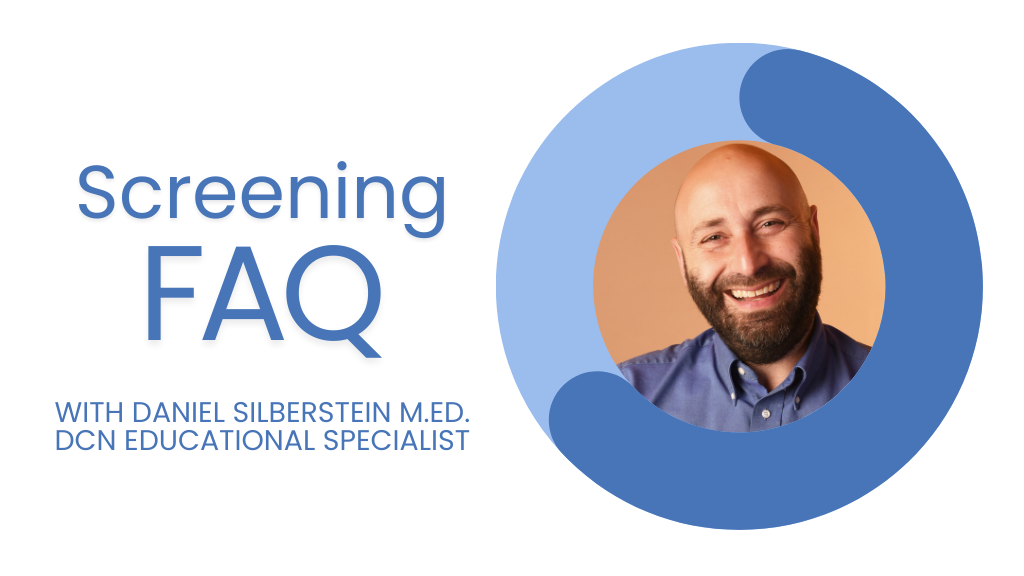
Daniel Silberstein is an Educational Specialist with the Diagnostic Center of Northern California (DCN-CDE) and a former Director of Oakland Unified School District's Reading Clinic. With over 20 years in special education and literacy intervention, and through his work with the California Dyslexia Initiative, he shares knowledge and practice guidance for educators. Watch this space!

____________________________________________________


“What language do we use to screen a second-grade student whose primary language is Spanish and who has an English Language Proficiency Assessments of California (ELPAC) score of Level 3 in English?”


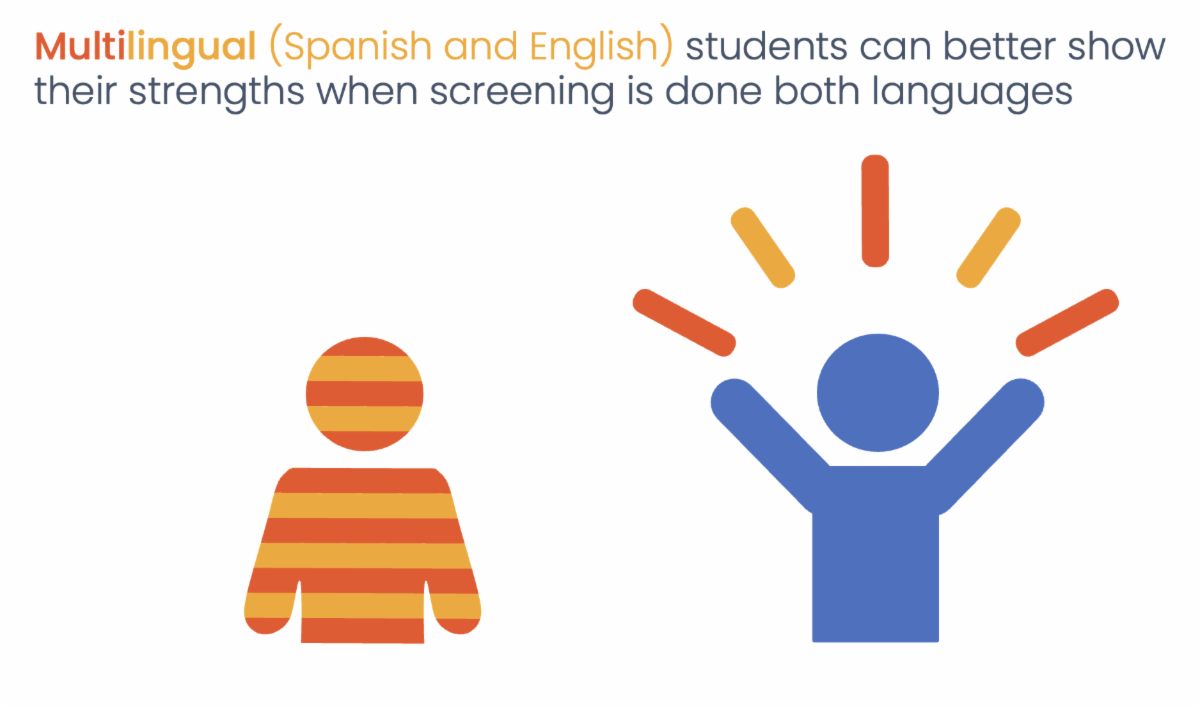
There is no "one size fits all" answer, as an ELPAC score is only one piece of the puzzle. For many students with this profile, screening in both English and Spanish using Multitudes provides the most comprehensive view of their language and literacy development.


Screening in both languages offers several key advantages:


Identifying Cross-Linguistic Transfer: You can determine if a student has mastered a concept in Spanish (like phonemic awareness or decoding) that hasn't yet "transferred" to their English performance.


Differentiating Language vs. Literacy: This helps determine whether a struggle is due to language acquisition (requiring more ELD support) or a literacy deficit (requiring increased reading instruction).


Driving Targeted Instruction: Knowing a student's strengths in their home language enables teachers to effectively bridge those skills into English instruction.


Recent Publications


California's Adoption of Reading Difficulties Risk Screening

By Julian M. Siebert, Danielle Gomez, Rebecca Silverman, Ben Domingue for PACE (Policy Analysis for California)


Improving literacy outcomes for all children remains a key policy priority in California. Universal reading screening is a crucial step in addressing persistent reading gaps and providing equitable support for students who exhibit reading difficulties. We're proud to share this brief, co-authored by Multitudes' lead quantitative researcher, Julian Siebert.


Staying Connected


Facebook  Instagram  LinkedIn