|
WELLNESS BULLETIN
March 2024
| |
|
Spring is coming! We have endured the winter months, and now we get to look forward to enjoying warmer weather and longer days. Studies have shown that exposure to sunlight helps with mental health symptoms. Spend time outside and enjoy the free benefits Mother Earth provides.
In March, we recognize Traumatic Brain Injury (TBI) Awareness Month, and in May, we focus on Mental Health Awareness Month. In honor of these months, we encourage you to take some time this season to focus on your mental health.
Learn more on these topics and access resources inside.
| |
|
Inside This Issue
- Program Highlight: Veteran Leads
- Coming Up This Season: TBI Awareness Month
- Your Support Team: Mental Health Team
- Kids Health Highlight and Kids Corner
- Self-Care Highlight: Vitamin D's Mental Health Benefits
- Past Issues of your Wellness Bulletin
- Additional resources and more!
View as Webpage
| |
PROGRAM HIGHLIGHT
Veteran Leads
| |
|
Each Veteran Lead (VL) works with a specific U.S. geographical region and knows the resources, job opportunities, and community services available to veterans in each state. They focus on five areas of well-being: Financial, Occupational, Social, Physical, and Mental.
Veteran Leads can:
- Meet service members face to face.
- Assist with navigating the Veterans Benefits Administration (VBA) — submitting paperwork, appealing a disability rating, making appointments, connecting with local support services, and addressing any service member service and transition concerns.
- Help develop and hold service members accountable to their goals.
- Hold workshops across the US on topics like financial coaching, resume writing, and interview preparation.
If you would like to be connected to a VL, please speak with your SF&AF Case Manager.
| |
COMING UP THIS SEASON
March: TBI Awareness Month
| |
|
March is Traumatic Brain Injury (TBI) Awareness month.
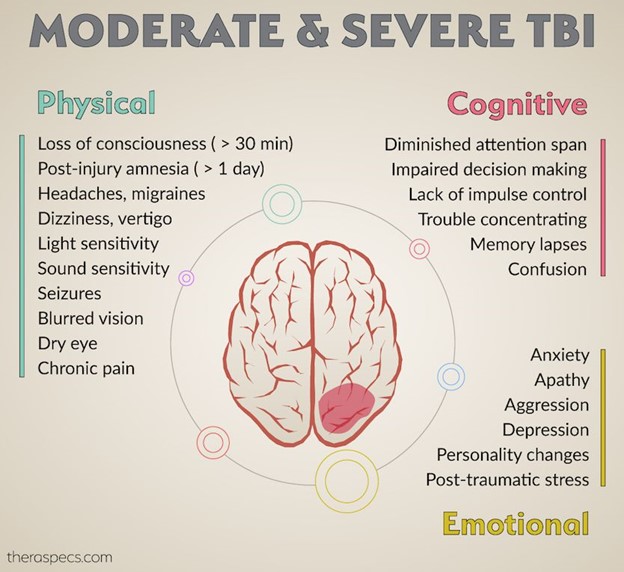
Traumatic Brain Injury is caused by a jolt, blow, bump, or penetrating injury to the head. TBIs range in severity from mild to severe. Mild TBIs, also referred to as concussions, can often be managed at home with rest, both mental and physical. Moderate to severe TBIs may require more intense treatment, including but not limited to medications, physical therapy, occupational therapy, speech therapy, attending a Brain Injury Rehabilitation program, and assistive technologies and devices.
| |
|
Service members are at an increased risk for TBI due to deployments, combat environments, and demanding physical training. Deployment and combat-related injuries include exposure to blasts, motor vehicle accidents, and gunshot wounds. The leading cause of TBIs in the military is blast-related event exposure.
If you or your loved one have been diagnosed with TBI and are having unresolved or worsening symptoms, please notify your Primary Care Provider, and you can request to be evaluated by the VA TBI or Polytrauma Clinics.
| |
COMING UP THIS SEASON
May: Mental Health Awareness Month
| |
|
May is Mental Health Awareness Month.
Mental health is something everyone can face challenges with. One in five people will experience mental illness in their lifetime. Mental illnesses are common and treatable. Knowing when to reach out when you’re struggling can improve your mental health along with making small changes and building a healthy lifestyle. Seeking professional help and practicing self-help is a huge sign of strength and to be commended.
Each person is unique, and what works for some may not work for all. It is important to be open and honest about your mental health, not only with yourself but also with your loved ones and your healthcare team. Ask questions, take notes, and remember that life is full of successes and struggles, but striving to live life to the fullest is its own reward.
| |
YOUR SUPPORT TEAM
Mental Health Team
| |
Your Semper Fi & America's Fund Case Manager, Visiting Nurse and/or Veteran Lead are always here, to listen and offer resources and support. Know that you can reach out to us in any situation. | |
|
Traumatic Brain Injury (TBI), stress, and various mental health issues, such as Post-Traumatic Stress Disorder (PTSD), manifest in a variety of ways and oftentimes tend to have several overlapping symptoms.
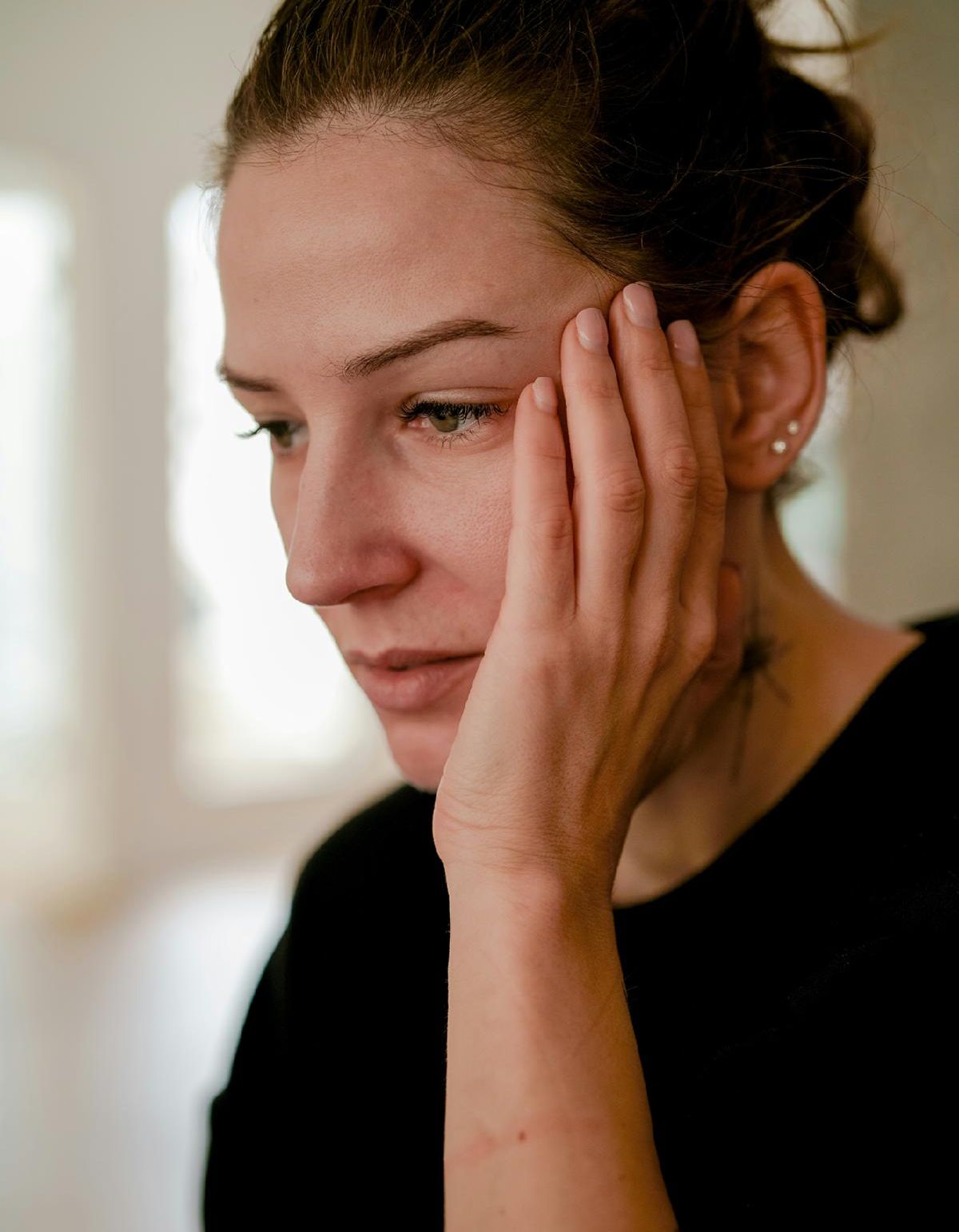
If you are experiencing signs and symptoms of TBI, PTSD, or other mental health concerns, know that you are not alone and there are many professionals who can address your concerns in addition to providing tools and resources to manage your psychological and physical well-being.
These include but are not limited to:
- Neurologists
- Primary care physicians (PCPs)
- Nurse practitioners (NPs)
- Psychiatrists
- Psychologists
- Psychiatric or mental health NPs
- Nurse psychotherapists
- Clinical social workers
- Other specialized therapists and counselors such as pastoral, family, and substance abuse counselors
- Physical, occupational, and speech therapists
| |  |
These support team members are located throughout the Department of Veteran’s Affairs within the VA medical and mental health clinics as well as within specialty centers like the National Center for Health Promotion and Disease Prevention and the Polytrauma/TBI Systems of Care (PSC), and the Defense Intrepid Network, which offers a multidisciplinary approach. To combat the national shortage of general neurology physician staff within the VA, a National Tele-Neurology Program has been deployed. The goal is to improve access to care for those in rural areas in need of neurological and pain management treatments. | | |
KIDS HEALTH HIGHLIGHT
Kids' Mental Health
| |
|
Mental health disorders among children are described as serious changes in the way children typically learn, handle their emotions, and behave. This may cause distress and problems getting through the day. Mental health in children can also look different than in adults. Kids don’t necessarily use the same words and terminology that adults do.
For instance, depression often manifests itself as anger in teens. There can be an additional strain in the homes of service members when there is post-traumatic stress, traumatic brain injuries, or other invisible medical conditions in the home. Disorders children may face include:
| |
|
Helpful Resources
(click images for more information)
| |
|
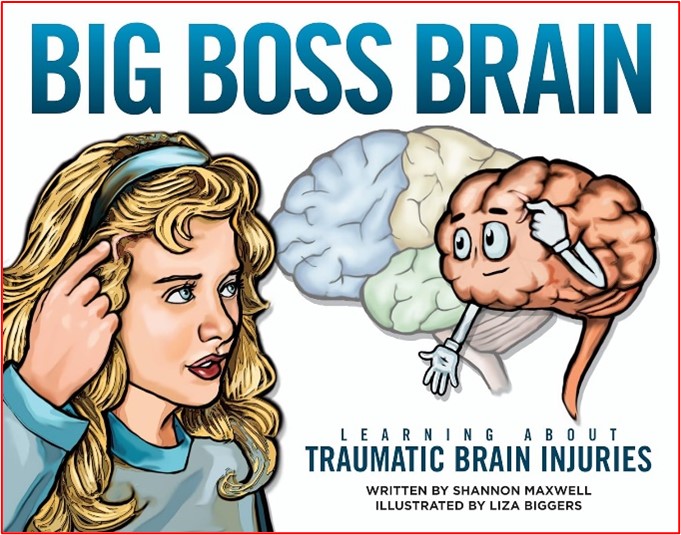
Helping Children Understand TBI or Mental Health Concerns
Talking to kids about TBI and mental health may feel overwhelming.
Where to start? What to say? Below are some tips and resources.
| |
|
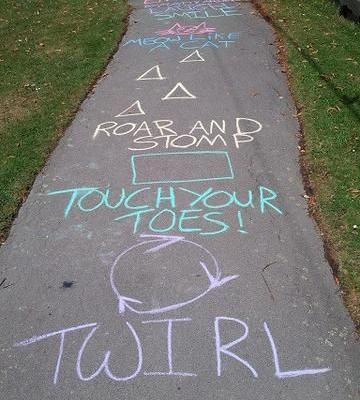
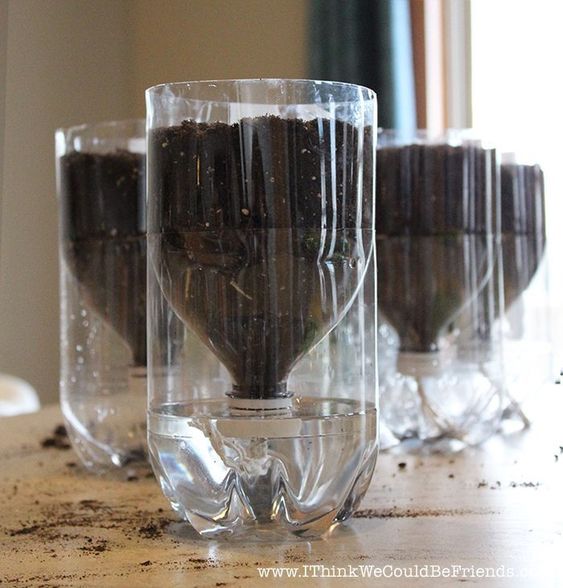
Making memories and breaking up a typical at-home routine can be fun!
Here are some ideas for activities to do at home this spring.
Click each image for more information and directions.
| |
SELF-CARE HIGHLIGHT
Vitamin D's Mental Health Benefits
| |
|
Spring’s longer, warmer, sun-filled days bring a sense of new beginnings as flora begins to bloom and introduce beautiful colors. However, plants are not the only things that significantly benefit from the change in weather. It has been extensively studied and documented that Vitamin D has a positive impact on mental health. Spring gives us an easy way to increase this important nutrient through direct exposure to sunlight.
Some interesting facts about Vitamin D:
-
Researchers calculated a nearly 40% prevalence rate of Vitamin D deficiency among Americans. (National Health and Nutrition Examination Survey, 2011, 2012)
- People with Vitamin D deficiency are significantly more at risk of depression than individuals with normal levels. (NHANES 2011-12)
- A review of almost 8,000 people who were suffering from depression found that Vitamin D supplementation helped their symptoms.
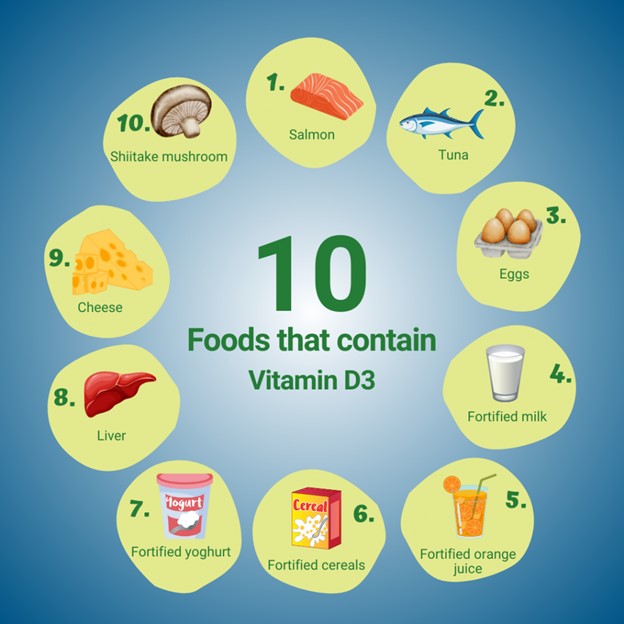
Other than direct exposure to sunlight we can also increase our Vitamin D through diet or supplements. Before beginning any supplements, please consult your medical provider.
| |
|
Ideas for Getting Outside
Direct exposure to the sun is the best way to increase Vitamin D. Don’t forget sunscreen!
Fun ideas to increase Vitamin D:
- Go on a walk/hike/run.
- Play with your kids at the park.
- Have a picnic.
- Take a book and read outside.
- Take your phone call outside.
- Barbecue outside.
- Plant an herb garden.
| | |
|
QUOTE OF THE MONTH
“Invisible wounds are the hardest to heal for their closure depends upon the love of others, on patience, understanding, and the tender gift of time.”
- Jessica Raine
| |
|
Click the links below to read past issues of your Wellness Bulletin:
| |
ADDITIONAL RESOURCES
Click Images for Additional Information
| |
|
For more Semper Fi & America's Fund information, please visit our website
and follow us on social media!
|
| | | |