Planning
Now is the time to develop plans for the 2026 season! Lack of preparation can lead to poorly implemented BMPs, overlooked site-specific needs and inadequate record-keeping.
| | | | | |
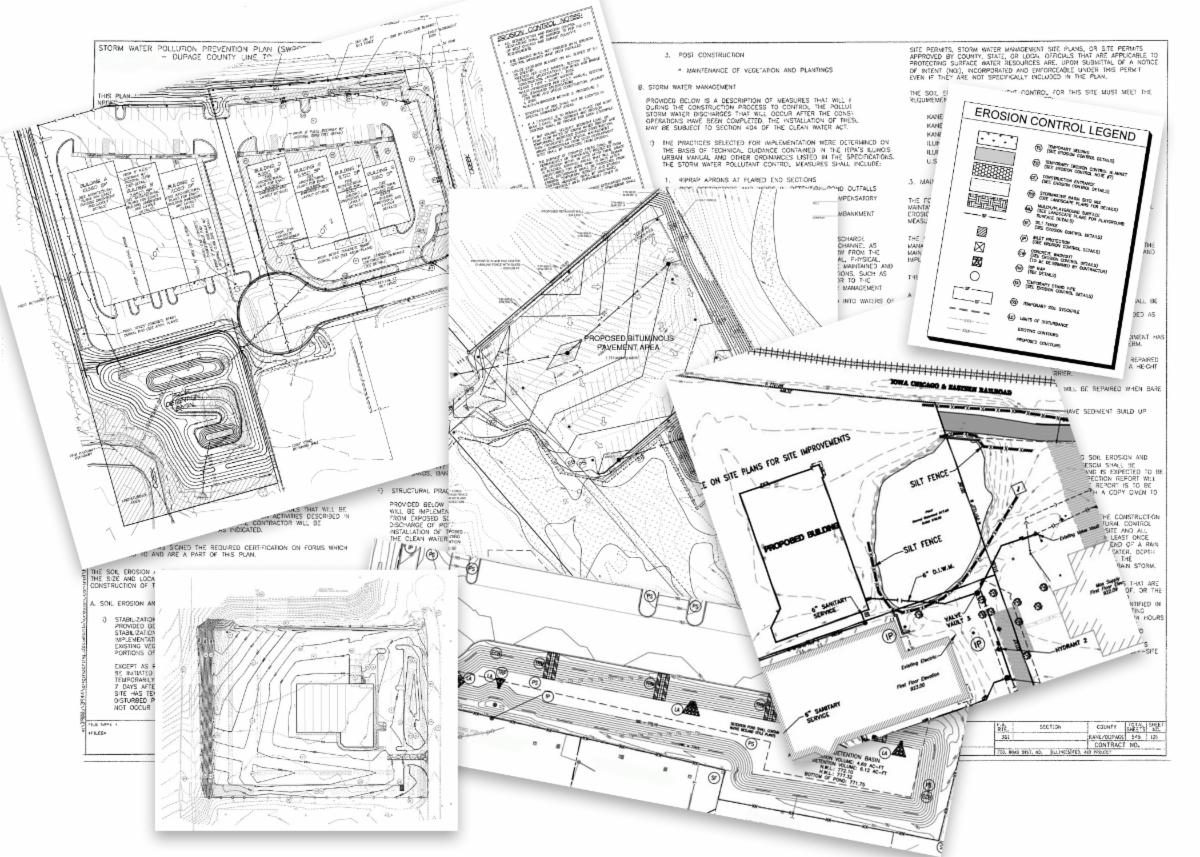
An approved Stormwater Pollution Prevention Plan (SWPPP) is a formula for success. SWPPPs are required by the Clean Water Act for construction sites that disturb more than one acre of land (or less than an acre if it's part of a development that will disturb 1 or more acres). It should identify potential pollutants, detail best management practices (BMPs) used to control those pollutants, and identify procedures to implement and maintain those practices in order to protect environmental and human health.
A SWPPP is integral to obtaining a National Pollutant Discharge Elimination System (NPDES) permit, as well as some local permits. Comprehensive SWPPPs provide the framework for the required inspections of best management practices that address soil erosion and sediment control (SESC) concerns on job sites. A SWPPP should always be site-specific, never generic.
Every SWPPP should contain the following elements:
• Cover/title page
• Project and SWPPP contact information
• Site and activity description, including a site map
• Identification of potential pollutant sources
• Description of controls to reduce pollutants
• Maintenance/inspection procedures
• Records of inspections and follow-up maintenance of BMPs
• SWPPP amendments
• SWPPP certification
Effective planning should address elements to comply with general NPDES permits, as well as local requirements. Reviewers should be familiar with these requirements to ensure compliance. Some main points to address during the planning process include: minimizing clearing and grading, accounting for natural resources and special areas on or near the site, proper phasing to reduce disturbed soil, proper and timely stabilization measures, and use of appropriate erosion and sediment control measures.
Common SESC failures resulting from inadequate planning:
- Improper phasing of construction
- Illicit discharge
- Inadequate / improperly implemented / missing / poorly maintained erosion and sediment controls
- Inappropriate grading plan
- Vegetation mismanagement
- Improper waste disposal practices
- Insufficient record-keeping / inspection
- Improper project information posting
- Unqualified inspectors
| | | |
Resources!
In addition to the Practice Standards and Specifications, the IUM website includes a list of RESOURCES which link to a variety of great tools:
- grant websites
- sample ordinances
- permit information
- BMP manuals
- certification programs
- other useful information
Email us if you know of other resources that we could add!
| |
KDSWCD 23rd Annual Soil Erosion & Sediment Control Seminar ~ Green Infrastructure
Wednesday, January 28, 9am - 2pm, Elgin Community College
New format featuring local case studies and lunch! Agenda coming soon.
| | | | | | |
Coming Soon for 2026!
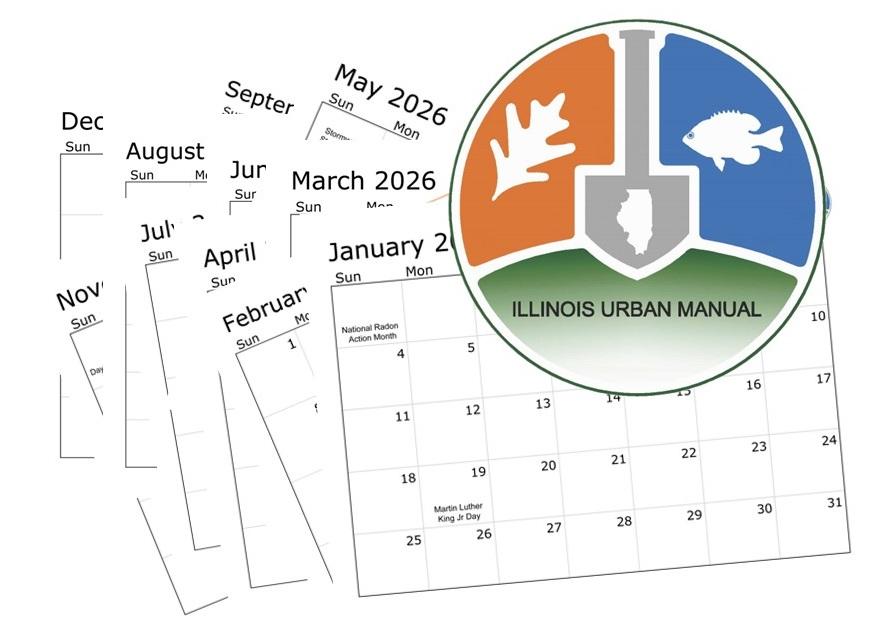
Watch for the 2026 IUM Calendar featuring BMPs, Pro Tips and Trivia! Will be available from your local SWCD.
Funding for this project provided, in part, by the Illinois Environmental Protection Agency through Section 604 of the Clean Water Act.
| |
Tools for Managing NPS for Water Quality
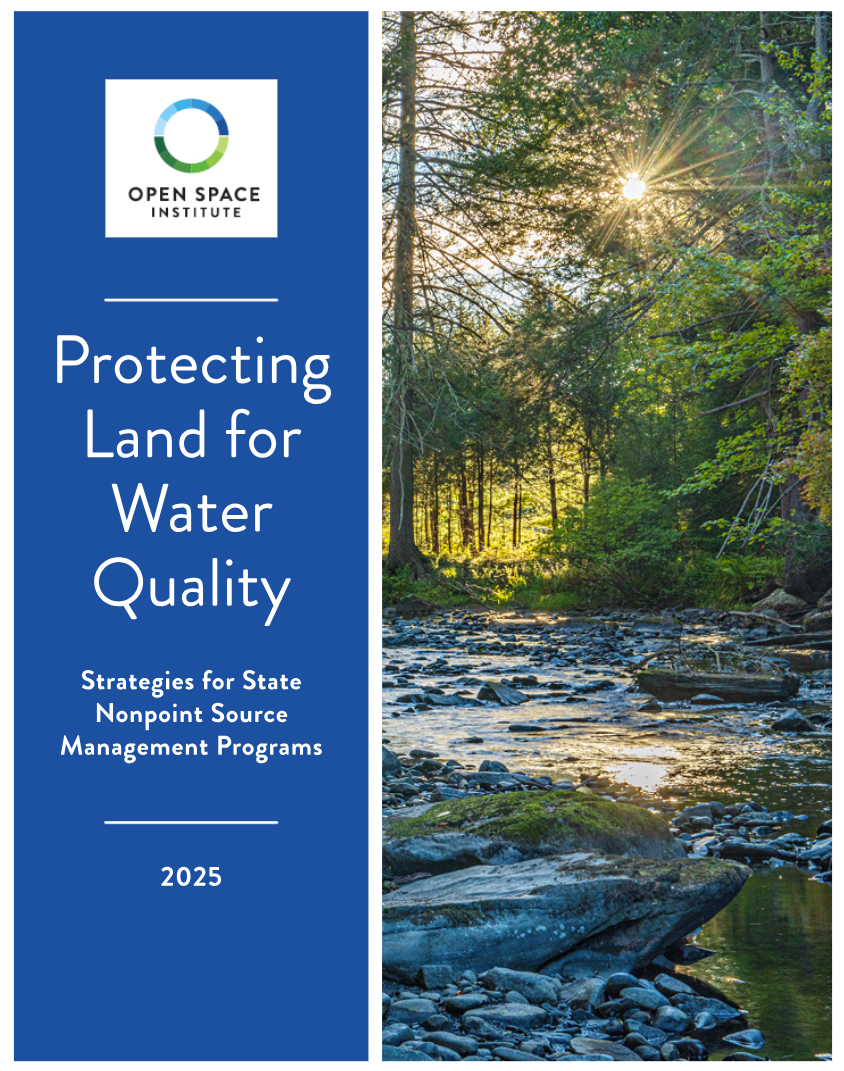
New report from the Open Space Institute highlights the role of land protection as a tool for managing non-point source (NPS) water pollution and improving water quality at a watershed scale. Learn how other agencies have leveraged land protection strategies to achieve NPS program goals, and discover current approaches and future opportunities for advancing land protection. It is intended for use by EPA staff, land trusts, watershed associations, and other state government and non-governmental partners working to protect land for water quality.
| | | Application due 12/31/2025 | | |
Green Infrastructure Partnership Program
The Metropolitan Water Reclamation District of Greater Chicago (MWRD) can help local government organizations pay for the construction of green infrastructure (GI) on public property in Cook County.
Every year, the MWRD reviews applications and selects projects for partnerships. The selected partner is responsible for their project's design, contract advertisement and award, acquisition of any necessary property rights, construction, and long-term maintenance.
| | |
Public entities that can enter into an Intergovernmental Agreement (IGA) with the MWRD include municipalities, townships, county agencies, park districts, school districts, and other government organizations.
Award amounts range from $600,000-$1,200,000. Eligible projects include permeable pavement, rain gardens, green roofs and the construction of green infrastructure.
| |
DuPage County Stormwater Management accepting applications for Water Quality Grant
Now in its 27th year, the Water Quality Improvement Program (WQIP) grant provides funding for projects that exhibit a regional water quality benefit, including restoration and green infrastructure projects.
Under the program, organizations and individuals may apply for reimbursement of up to 25 percent of costs for projects that improve water quality. Since the grant program began in 2000, DuPage County has awarded approximately $6.9 million to 120 projects, such as permeable paver parking lots, green roofs, and native vegetation, with $300,000 awarded annually.
| | |
IEPA Overflow and Sewer Grant Program
The Overflow and Sewer Grant (OSG) Program seeks to address local governments' infrastructure needs for Combined Sewer Overflows (CSOs), Sanitary Sewer Overflows (SSOs), and stormwater management. Applicants must apply for a grant through the Grant Accountability and Transparency Act (GATA) Portal. Grants will be awarded until all $5 million in funds are expended or until January 1, 2027, whichever comes first.
| |
Call to Action: Combating
Non-Point Source and Stormwater Pollution
Sponsor Tomorrow's Environmental Stewards
For 2026, Envirothon has chosen the environmental issue: Non-Point Source Pollution: it begins at home! Students will learn about NPS pollution and identify its origins in both urban and rural settings. They will conduct their own NPS surveys in their community and watershed. Additionally, they will research NPS mitigation strategies, which encompass actions at both the individual level - such as conservation, recycling, and responsible consumption - and the community level, including watershed planning, best management practices, nature-based solutions, water quality testing, and litter prevention initiatives.
Sponsors are critical every year to keep this program available so that teams of high school students can compete regionally in the areas of aquatics, forestry, soils, wildlife and the current issue in natural resources. If your mission includes pollution prevention, our Sponsorship Form is available now for 2026!
The Northeastern Illinois Envirothon is organized by local soil and water conservation districts for high schools in Boone, Cook, DeKalb, DuPage, Kane, Lake, McHenry, Will and Winnebago counties. See link below to find your regional SWCD.
| | Outside of NE Illinois, contact your local SWCD to sponsor your local Envirothon! | |
IUM E-News Sponsored By
Seeking Sponsors for your IUM E-Newsletter!
| | | Supporting residents, landowners, and businesses in Kane and DuPage Counties in Illinois by leading efforts to ensure healthy soil, clean water, sustainable land development and regenerative agriculture. | |  | | | | | | A statewide competition promoting critical thinking & environmental stewardship | | |
Illinois Urban Manual News
Funding for this project is provided, in part, by the Illinois Environmental Protection Agency through Section 604 of the Clean Water Act
managed by
Kane DuPage Soil and Water Conservation District
2315 Dean Street
Suite 100
St. Charles IL 60175
Mon-Fri 8am - 4:30pm
illinoisurbanmanual.org
contact@illinoisurbanmanual.org
| | | | |