View this email in your browser.

X  Linkedin

In this update:


  • Spring Election
  • Gubernatorial Races
  • State Supreme Court Race
  • Legislative Races
  • Administration Updates
  • Committee Schedule
  • Upcoming Events

Spring Election on Tuesday, April 7

Voters across Wisconsin will see multiple items on the ballot, including the Wisconsin Supreme Court race and 74 school district referenda. The referenda vary by district and address issues such as funding, facilities, and operational needs. A complete list of school district referenda is available through the Department of Public Instruction.


Voters can find details on the specific items on their ballot, polling locations, and voting options by visiting MyVote Wisconsin.

Gubernatorial Race

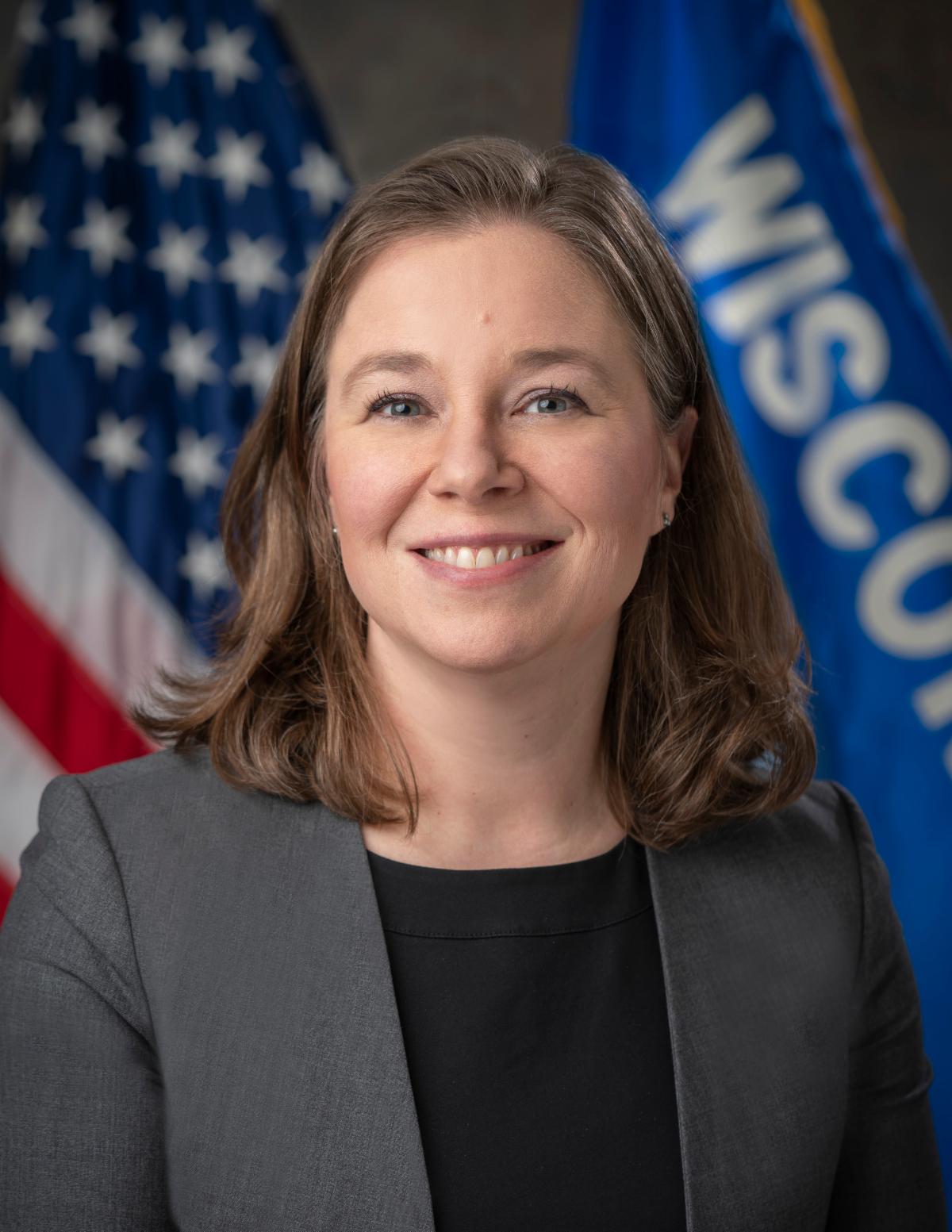
Rodriguez announces affordable child care plan

Lieutenant Governor Sara Rodriguez, a Democratic candidate for governor, released a proposal aimed at lowering child care costs and expanding access for Wisconsin families. The plan builds on initiatives launched under the Evers-Rodriguez administration and would cap child care expenses at 7% of family income, a nationally recognized affordability benchmark. The proposal is part of Rodriguez’s broader cost-of-living platform.


Under the plan, the state would cover remaining child care costs through affordability grants, while expanding options across center-based, home-based, and faith-based providers. The proposal also includes raising wages for early childhood educators to at least $18 an hour for providers receiving state support and increasing access in rural areas and designating child care deserts through low-interest loans and grants.


Lieutenant Governor Rodriguez pointed to existing efforts such as the expanded child care tax credit, the Child Care Bridge program, and infant and toddler care pilots as progress, while emphasizing the need for a more comprehensive, long-term funding model. Her plan calls for stable, dedicated funding sources developed in partnership with the legislature, businesses, and community organizations to ensure consistent access for families and providers statewide.


Read the full press release here.

Tiffany looking to end vehicle emissions testing in Wisconsin

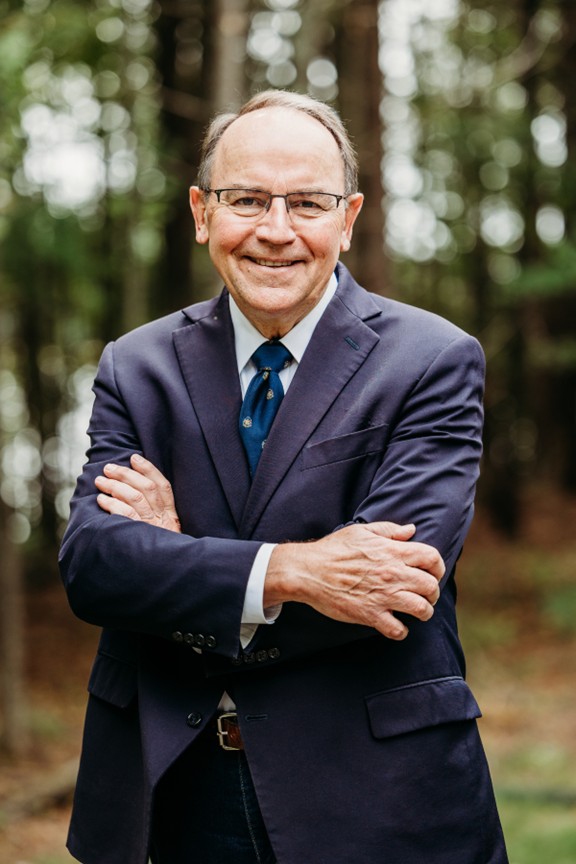
Congressman Tom Tiffany, a Republican candidate for governor, joined State Representative Bob Donovan, the Republican Party of Milwaukee County, and Milwaukee-are business leaders to call for eliminating Wisconsin’s vehicle emissions testing requirement. The testing program currently applies to drivers in seven counties and is required every two years to renew vehicle registration.


Congressman Tiffany criticized the program as outdated, arguing that modern vehicles produce fewer emissions while the testing process remains time-consuming and costly for drivers. He said the requirement has shown limited impact after decades in place and disproportionately affects lower-income drivers who may face expensive repairs in order to pass inspections.


As governor, Congressman Tiffany said he would seek a federal waiver from the U.S. Environmental Protection Agency to end emissions testing in Wisconsin and would work with neighboring states and federal officials to address cross-state air pollution, particularly emissions originating outside Wisconsin. He argued that a revised approach should focus on larger, regional sources of pollution rather than individual vehicle owners.

State Supreme Court Race

State Supreme Court Debate

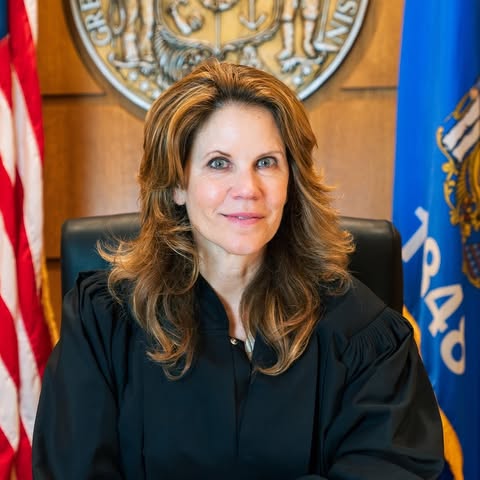
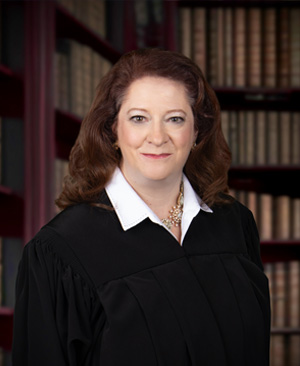
Appellate Court Judges Chris Taylor and Maria Lazar outlined differing views on abortion law, judicial decision-making, and election issues during their only televised debate ahead of the April 7th state Supreme Court election. The debate aired on WISN-TV, covered a range of legal and policy topics, including abortion, redistricting, and the role of the judiciary.


Abortion leading much of the exchange. Judge Taylor criticized Judge Lazar for previously calling the U.S. Supreme Court’s 2022 decision overturning Roe v. Wade “wise"," arguing the ruling has negatively affected victims of rape and incest in states where abortion is restricted. Judge Lazar rejected Judge Taylor’s characterization, saying the Dobbs decision returned authority to the states. Judge Lazar said she would uphold Wisconsin’s current 20-week abortion ban but declined to say how she would have voted in last year’s state Supreme Court decision overturning the state’s 1849 abortion law. The candidates also disagreed over legislation Judge Taylor authored as a former Assembly member, which Judge Lazar said would have allowed abortion throughout pregnancy; Judge Taylor said the bill was intended to codify Roe v. Wade.


The candidates also debated judicial philosophy, with Judge Taylor pointing to several Judge Lazar rulings that have been overturned by the state Supreme Court since Judge Lazar joined the 2nd District Court of Appeals in 2022. Judge Taylor argued the reversals raised questions about adherence to precedent, while Judge Lazar said reversals are part of an independent judiciary. Judge Taylor noted her own rulings since joining the 4th District Court of Appeals in 2023 have not been overturned. On election issues, both candidates discussed redistricting, voter ID, and the proposed federal SAVE Act, with differing views on mail-in and early voting but agreement that Wisconsin’s elections are secure.


Campaign spending and political support were also raised. About $8.9million has been spent on the race so far, with Judge Taylor benefiting from a significant spending advantage. Judge Lazar criticized Judge Taylor for accepting large transfers from the Democratic Party, while Judge Taylor emphasized her campaign’s reliance on small-dollar donations. Judge Lazar said she is running as an independent and criticized what she described as the growing politicization of the state Supreme Court.


Watch the full debate here.

Supreme Court Campaign Finance Update

Ahead of Wisconsin’s Supreme Court election on April 7th, new campaign finance reports show notable differences in fundraising and spending between Judge Chris Taylor and Judge Maria Lazar.


Between February 3 and March 23, Judge Chris Taylor’s campaign reported raising approximately $2.1 million from more than 22,000 contributors. During the same period, Judge Maria Lazar’s campaign reported raising approximately $474,000 from around 1,700 contributors.


Campaign spending also differed during the most recent filing period. Judge Taylor’s campaign reported expenditures of approximately $3.8 million. while Judge Lazar’s reported spending about $566,000, including on TV and digital advertising.


Overall fundraising and spending in this year’s Supreme Court race remain well below levels seen during Wisconsin’s last election for the court, which totaled approximately $115 million. 

Legislative Races

Snyder seeking reelection for 85th AD

Republican representative Patrick Snyder announced he is seeking reelection to the Wisconsin State Assembly, where he has represented the 85th District since 2016. Rep. Snyder cited bipartisan work on a range of issued during his time in the legislature, including legislation expanding postpartum health coverage, creating new sextortion laws, and protecting seniors from fraud involving cryptocurrency kiosks.


Rep. Snyder has served as chair of the Assembly Committee on Children and Families since 2018. During the most recent session, he also served on the Campaigns and Elections, Education, Health Aging and Long-Term Care, Mental Health and Substance Abuse, Veterans and Military Affairs, and Workforce Development committees, and chaired the Speaker’s Task Force on Elder Services.


Read the full press release here.

Administration Updates

Evers signs 33 bills

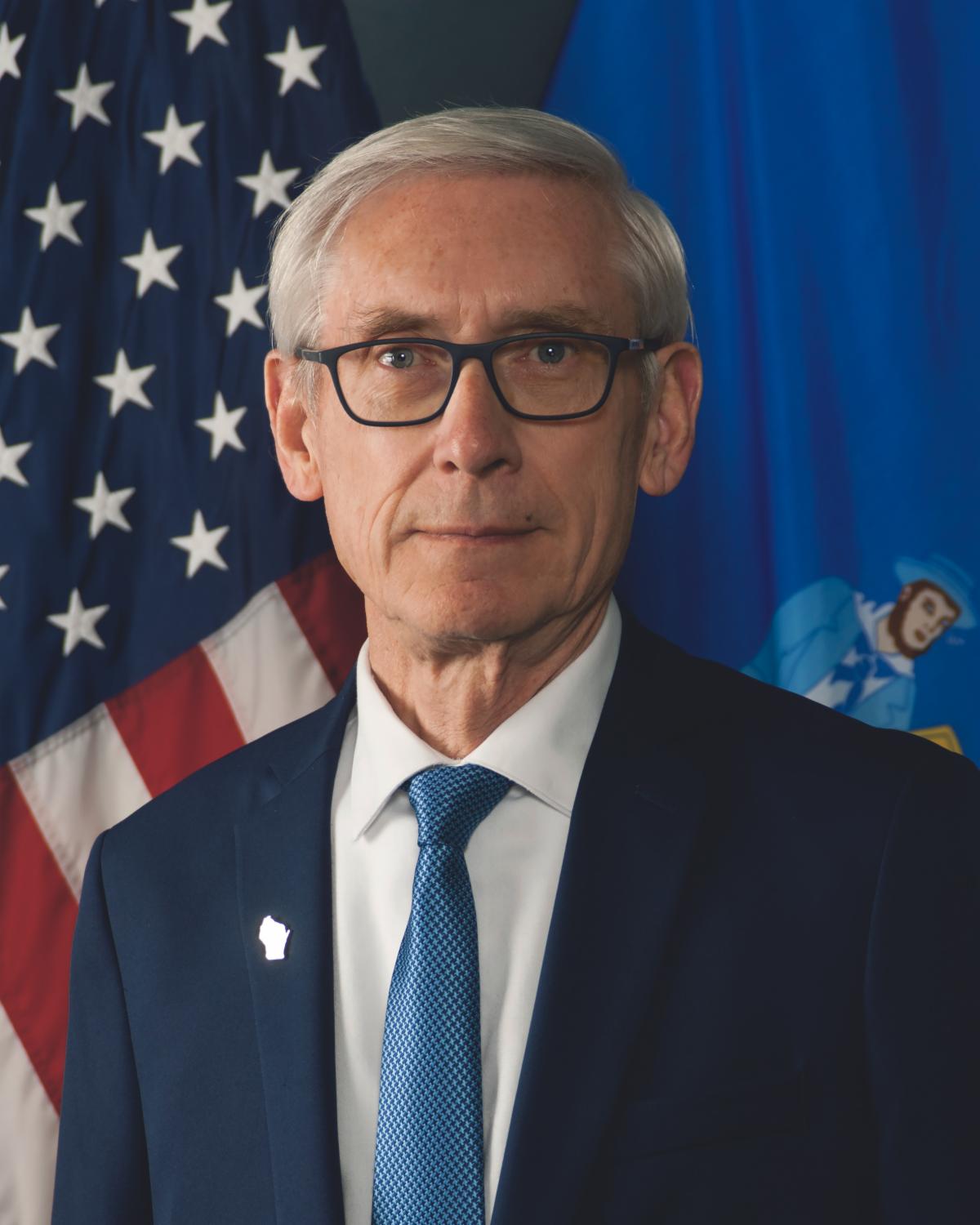
Governor Tony Evers took action on 33 bills. The measures signed include legislation to improve safety on school buses, authorize the use of soy-based forest fire suppression products as an alternative to PFAS-based chemicals, and create a one-time grant program to support organizations that provide housing services to homeless veterans, among others.


Bills the governor took action on include:


Senate Bill 367 (2025 Wisconsin Act 146)

Prevents insurers from requiring virtual credit card payments to healthcare providers.


Senate Bill 822 (2025 Wisconsin Act 147)

Allows healthcare providers to offer limited prompt‑pay discounts without violating state billing laws, while preserving existing insurer contracts.


Assembly Bill 192 (2025 Wisconsin Act 148)

Establishes uniform standards and confidentiality protections for fatality review teams.


Assembly Bill 19 (2025 Wisconsin Act 149)

Expands legal protections and penalties related to crimes against adults at risk.


Senate Bill 191 (2025 Wisconsin Act 150)

Limits when subpoenas may be served on public employees at their work addresses.


Assembly Bill 238 (2025 Wisconsin Act 151)

Extends nondiscrimination protections to search and rescue dog handlers in lodging establishments.


Assembly Bill 239 (2025 Wisconsin Act 152)

Adds search and rescue dogs to the crime of harassment of police and fire animals.


Assembly Bill 596 (2025 Wisconsin Act 153)

Provides annual funding for a new state grant program supporting housing services for homeless veterans.


Assembly Bill 597 (2025 Wisconsin Act 154)

Creates a new state per diem grant program for organizations serving homeless veterans.


Assembly Bill 659 (2025 Wisconsin Act 155)

Reduces residency requirements for certain veterans’ tuition remission benefits and updates nonresident tuition exemptions.


Senate Bill 521 (2025 Wisconsin Act 156)

Requires highway signage for the Mount Horeb Veterans Memorial.


Assembly Bill 155 (2025 Wisconsin Act 157)

Designates a portion of U.S. Highway 12 as the Tom Diehl Memorial Highway.


Assembly Bill 562 (2025 Wisconsin Act 158)

Authorizes WisDOT to install Mississippi River Trail signage with local approval.


Senate Bill 783 (2025 Wisconsin Act 159)

Expands eligibility and flexibility in the Commercial Driver Training Grant program.


Senate Bill 391 (2025 Wisconsin Act 160)

Allows approved use of audiovisual recording devices on school buses with privacy safeguards.


Assembly Bill 679 (2025 Wisconsin Act 161)

Authorizes overweight permits for agricultural transport on designated routes.


Assembly Bill 425 (2025 Wisconsin Act 162)

Updates transport rules for manufactured homes and revises statutory terminology.


Senate Bill 556 (2025 Wisconsin Act 163)

Expands utility aid payments for local governments hosting exempt energy facilities.


Assembly Bill 619 (2025 Wisconsin Act 164)

Authorizes a biofuel manufacturer to qualify for enterprise zone tax benefits under specific criteria.


Assembly Bill 657 (2025 Wisconsin Act 165)

Creates a sales and use tax exemption for qualifying nuclear fusion project equipment.


Assembly Bill 696 (2025 Wisconsin Act 166)

Modernizes CPA licensure requirements and aligns Wisconsin with other states.


Senate Bill 898 (2025 Wisconsin Act 167)

Adds two pharmacy technician members to the Pharmacy Examining Board.


Senate Bill 832 (2025 Wisconsin Act 168)

Allows pharmacies to operate under remote supervision, subject to board rules.


Assembly Bill 605 (2025 Wisconsin Act 169)

Allows certain municipal facilities to retain environmental repair fees while repaying Clean Water Fund loans.


Assembly Bill 713 (2025 Wisconsin Act 170)

Establishes requirements for battery collection, recycling, and stewardship oversight.


Assembly Bill 911 (2025 Wisconsin Act 171)

Provides funding to support battery collection and recycling programs.


Senate Bill 798 (2025 Wisconsin Act 172)

Directs DNR to establish a permanent wetland assured delineation program.


Assembly Bill 453 (2025 Wisconsin Act 173)

Makes changes to local zoning, planning, and tax increment rules to support housing development.


Assembly Bill 884 (2025 Wisconsin Act 174)

Authorizes agency purchasing support for fingerprinting requirements and clarifies select tax provisions.


Assembly Bill 813 (2025 Wisconsin Act 175)

Revises WEDC’s Opportunity Attraction program to streamline funding for major events.


Assembly Bill 778 (2025 Wisconsin Act 176)

Expands eligibility for transitional jobs programs by easing participation requirements.


Senate Bill 501 (2025 Wisconsin Act 177)

Creates a rural veterinary loan repayment assistance program.


Senate Bill 474 (2025 Wisconsin Act 178)

Authorizes soy‑based firefighting products as eligible under state forest fire protection grants.


Read the full prese release here.

Committee Schedule

As of 12:00 pm Friday, there have been no committee meetings scheduled for next week. Committee and Agency meeting notices are frequently updated and can be found here (for the Legislature) and here (for the Administration).

Upcoming Events

Monday, April 20 - Meet the Candidate - Eric Toney


ABOUT US


If you would like any additional information about the above topic, or if you would like to find time to discuss the above matter in more detail, please do not hesitate to contact your Michael Best Strategies contact.


Have a great day, 

Wisconsin GR Team

Government Relations Team

Our Team |  michaelbeststrategies.com

 
Twitter  Linkedin  Youtube  

One South Pickney Street, Suite 700

Madison, WI 53703

Phone: 608-257-3501

Fax: 608-283-2275