| | |
KAIROS CALL TO ACTION
Volume 7, Issue 3
March 2026
| | | Update on Community of Hope’s Kairos Grant | | |
Community of Hope, UCC and the Madison Christian Community (MCC) received Kairos grant funding from the Wisconsin Conference UCC Creation Care Team in April 2025. We started collecting food scraps and garden waste in June 2025. Dane County Waste and Renewables provide monthly data on the collection weight of food scraps and garden waste. Collection amount through December 31, 2025:
- 977 Gallon of food scraps
- 3,092 Gallons of garden waste
- Total weight 12,428 pounds or 6.2 TONS
Six tons of organic matter was diverted from the landfill resulting in less methane gas emissions.
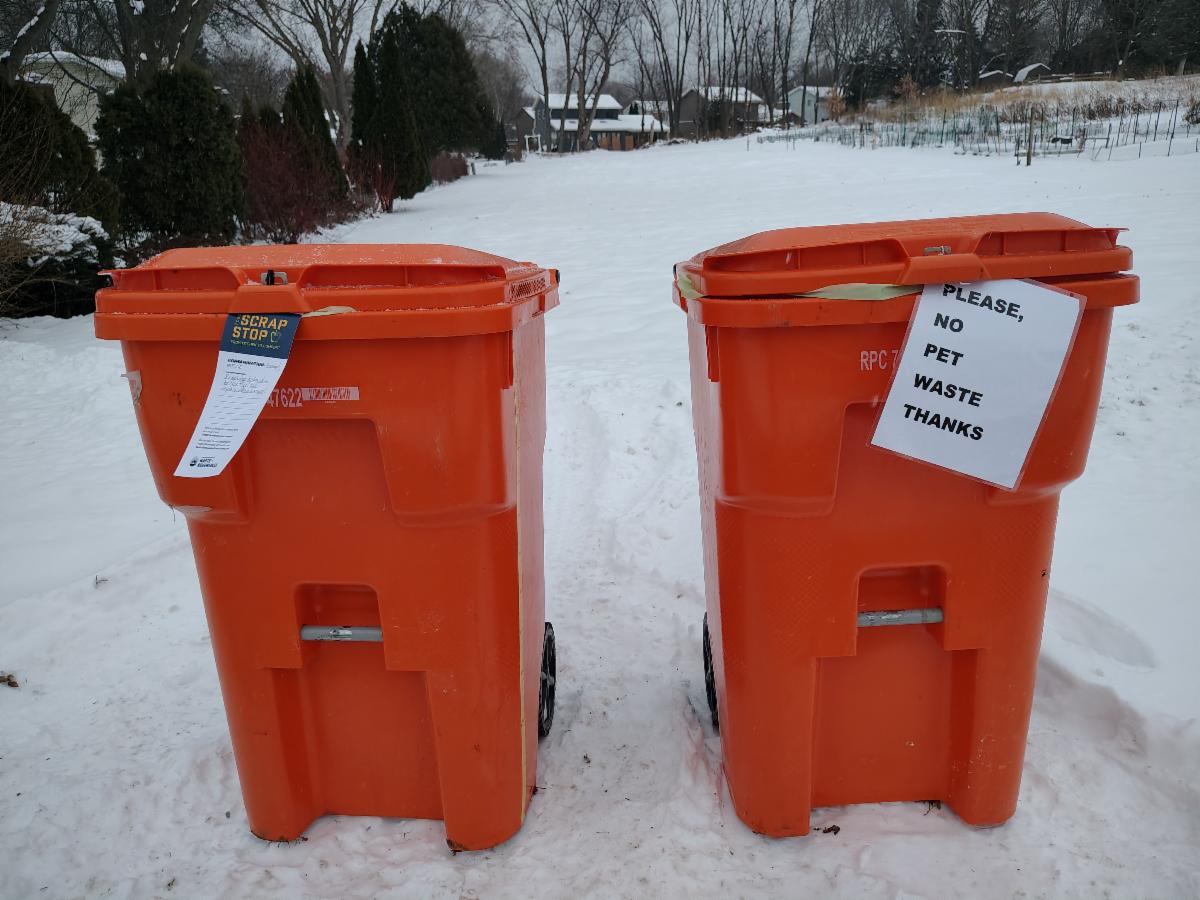
70 individuals from MCC, Old Sauk Gardens and the neighborhood signed up to drop off food scraps. As you can see from the pictures, we continue to collect in the winter. In fact, we had to add an additional collection bin due to the high volume. Nothing stops the county from picking up the bins, not even a 12 inch snow fall.
Thank you to the UCC Conference Creation Care Team for funding this project. It has been immensely successful.
| |
Creation Care Earth Day Challenge 2026!
Honor our Planet on Earth Day and Every Day!
| |
“And God looked upon all that God had made, and indeed, it was very good.” Genesis 1:31
The Creation Care Team is urging every congregation to take a step to honor and care for creation this spring!
Earth Day is Wednesday, April 22, but we don’t need to limit our activities to just that day. Down here on the planet, every day is Earth Day!
We have a long list of ideas for personal, church, local, and even global activities to consider. Some are as easy as a one-time special offering, others involve community-level participation. Here’s a link to our suggested list, but feel free to come up with your own ideas.
Here’s what we’d like you to do:
- Choose an activity as a congregation or Green Team to do anytime this spring.
- Carry out your planned activity.
- Send us a short article about what you did! Photos and videos would be wonderful. We will share the reports we receive in future Kairos Newsletters.
There are some especially great options through Heifer International’s “Caring for the Earth” gifts. We can collectively give one of their larger gifts (like a Community Solar Kit) by sending our donations to the Wisconsin Foundation UCC. Wouldn’t be great for Wisconsin UCC churches to join together to power a village this year!
We look forward to hearing what your church did for the Earth this spring! Reports should be sent to our Kairos editor, Susan Webb. Thanks in advance for joining other churches across the state to honor creation.
| |
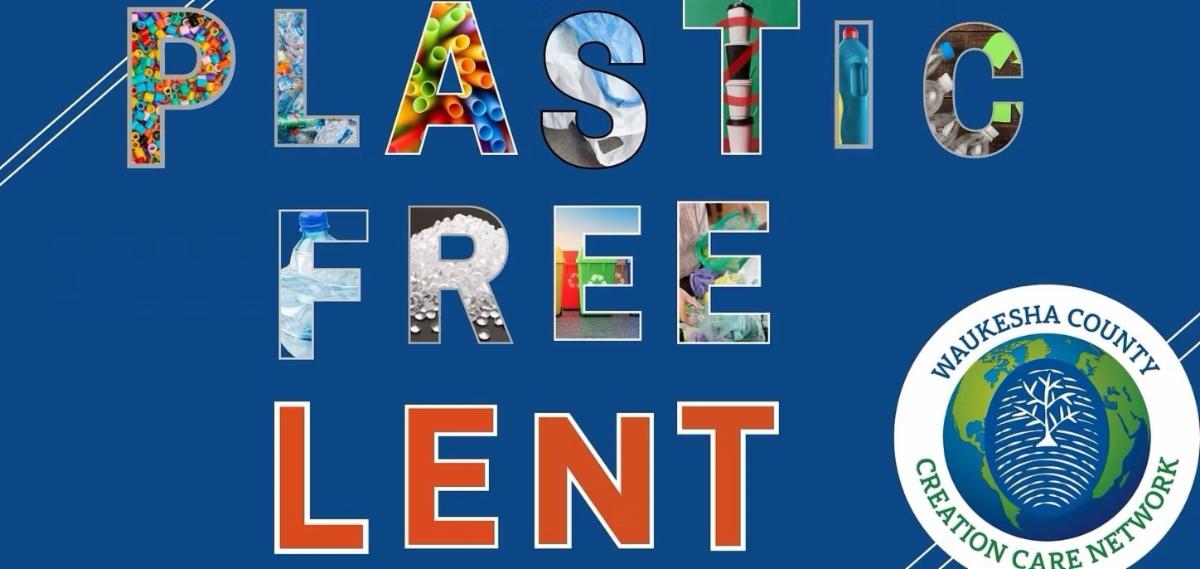
“Why? Because Lent is a time to reflect on God’s purpose for our life and how our actions affect our greater calling to love God and neighbor and to be grateful for all that is given to us” (God’s Creation)."
In partnership with the Waukesha County Green “we’ll examine our dependence on plastics and examine alternative choices and habits. The goal is to gain a greater awareness of our consumption and learn to walk lighter on the Earth.”
Follow this web link and have fun eliminating plastic from your life with this weekly Lenten Practice. Thanks Waukesha County Green Team!!
| Save the Date! Our 4th Annual Earth Summit is April 25 | |
For the fourth year in a row, the UCC's Earth Summit will take place on the Saturday closest to Earth Day. On April 25th, this hybrid event will take place at First Congregational UCC in Atlanta. We will celebrate our new Creation Justice Churches and Climate Hope Affiliates while hearing from terrific speakers. More information to come!
| Hyperscale Data Centers in Wisconsin | |
Faith in Place calls for an immediate pause on all permitting for hyperscale data center developments in Wisconsin, along with a moratorium on related legislation and regulation, until the public has adequate opportunity to understand and weigh in on these projects.
Hyperscale data centers are being proposed and built across Wisconsin at an unprecedented pace. These massive facilities have far-reaching implications for our communities. They affect everything from energy consumption and water resources to local infrastructure, environmental health, and economic priorities. Yet most Wisconsinites have had little chance to learn what these developments mean for their towns, their utility bills, or their future.
The public deserves better. Before we commit our state's resources and reshape our communities to accommodate these industrial-scale projects, people need time to understand what's at stake. They need accessible information about the trade-offs involved. And they need genuine opportunities to voice their priorities and concerns, not just token public comment periods after decisions have already been made.
The people of Wisconsin have a right to shape the future of their own communities. They deserve to ask hard questions: How will these data centers affect our energy grid and climate commitments? Who benefits, and who bears the costs? Are there alternative approaches that better serve the public good?
A pause gives us the time to have these conversations thoughtfully and inclusively, ensuring that any path forward reflects the values and priorities of Wisconsinites themselves, not just the interests of developers and corporations. Read more here.
| | |
Tribes oppose end of protections
for roadless areas in national forests
| | |
By Danielle Kaeding WI NPR
Tribes in Wisconsin and beyond are opposing the Trump administration’s proposal to end protections for millions of acres of roadless areas on national forest land.
The U.S. Department of Agriculture wants to repeal the “roadless rule” that’s been in place for 25 years. Around 58 million acres, or 30 percent of national forest lands, are inventoried as roadless areas. The rule blocks logging and construction on 44.7 million acres, including 69,000 acres of the Chequamegon-Nicolet National Forest in Wisconsin.
When announcing the proposed rollback, USDA Secretary Brooke Rollins said the rule was “overly restrictive” and the change would allow logging and proper management to prevent wildfires.
But Wisconsin Ojibwe tribes said the move was conducted without consultation and threatens natural resources they rely on, said Conrad St. John, chairman of the St. Croix Chippewa Indians of Wisconsin. Read the article here.
| |
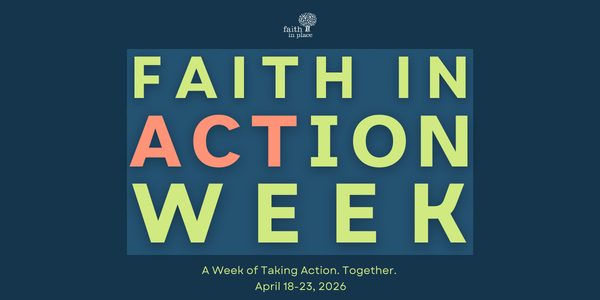
The Faith in Place Action Week (April 18-23) invites people of faith and conscience across Illinois, Indiana, and Wisconsin to act for our shared home.
The environmental crisis is a spiritual crisis rooted in disconnection from one another, our traditions, and the Earth. From April 18 to 23, Green Teams, community groups, and Houses of Worship will take steps to repair those relationships through education, advocacy, service, and celebration.
Every action, large or small, contributes to a growing multifaith movement for environmental justice, resilience, and hope. Together, we are cultivating a network of care and action strong enough to meet the challenges of our time. Learn more here.
| |
Good News: How community solar turned a Superfund site
into savings in Illinois
| |
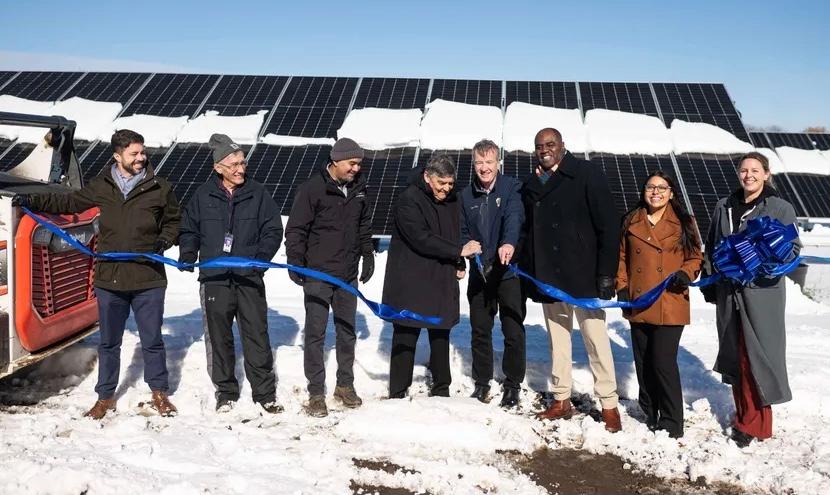
A new 9.1-MW solar array will help residents of Waukegan, Illinois, reduce energy bills. State incentives for low-income solar made the project possible.
As someone who spent several years as a workers’ rights organizer, Fredy Amador is intimately familiar with the financial struggles people face in the current economy. Northern Illinois’ skyrocketing energy bills make the situation even tougher.
Now, Amador has become an evangelist for something that can provide a modest measure of relief: a community solar project, built on a Superfund site too polluted for much else in the city of Waukegan where he lives, about 40 miles north of Chicago.
Residents who subscribe to get energy from the solar farm are guaranteed to see savings on their energy bills, under a state program incentivizing solar in low-income areas.
The 9.1-megawatt Yeoman Solar Project, which went online last month, can provide energy for about 1,000 households, as well as the Waukegan school district, which owns the land. Read more here.
| |
Trees are everywhere in conversations about the environment, and for good reason. They've become the go-to symbol for environmental action, appearing in corporate greenwashing campaigns and genuine conservation efforts alike. But beyond the symbolism, trees are partners in the work of creation justice. They cool cities, purify air, stabilize soil, and create habitats. They literally make life possible.
Yet not every neighborhood has been given equal access to the canopy.
In cities across the United States, tree coverage follows the same fault lines as historic redlining. Neighborhoods denied investment generations ago are the same ones baking under full sun today—lacking shade, breathing polluted air, and experiencing temperatures up to 13°F hotter than tree-lined streets just miles away.
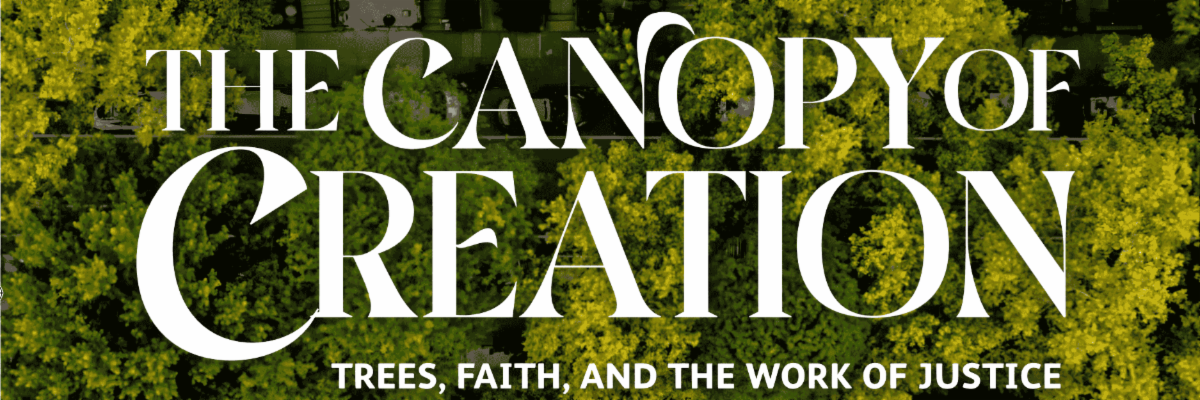
This is why we've created this year's Annual Resource: The Canopy of Creation: Trees, Faith, and the Work of Justice. Because the church needs theological grounding, practical tools, and prophetic courage to address what we might call tree apartheid: the systemic inequity in access to the life-giving benefits trees provide.
Download Canopy of Creation
| | |
For the Beauty of the Earth by Michael Bryant, member Memorial UCC, Fitchburg. Michael gives permission to use this video to all.
| | |
View Franz Rigert's video updating the Wisconsin Conference UCC Kairos Call To Action and share with your congregation! | |  |
Sign up for the Kairos Call to Action Newsletter to ensure you don't miss future issues!
| | This newsletter is made possible by your contributions to Our Church's Wider Mission Basic Support. | | | | |