KAIROS CALL TO ACTION


Volume 5 , Issue 5

October 2024

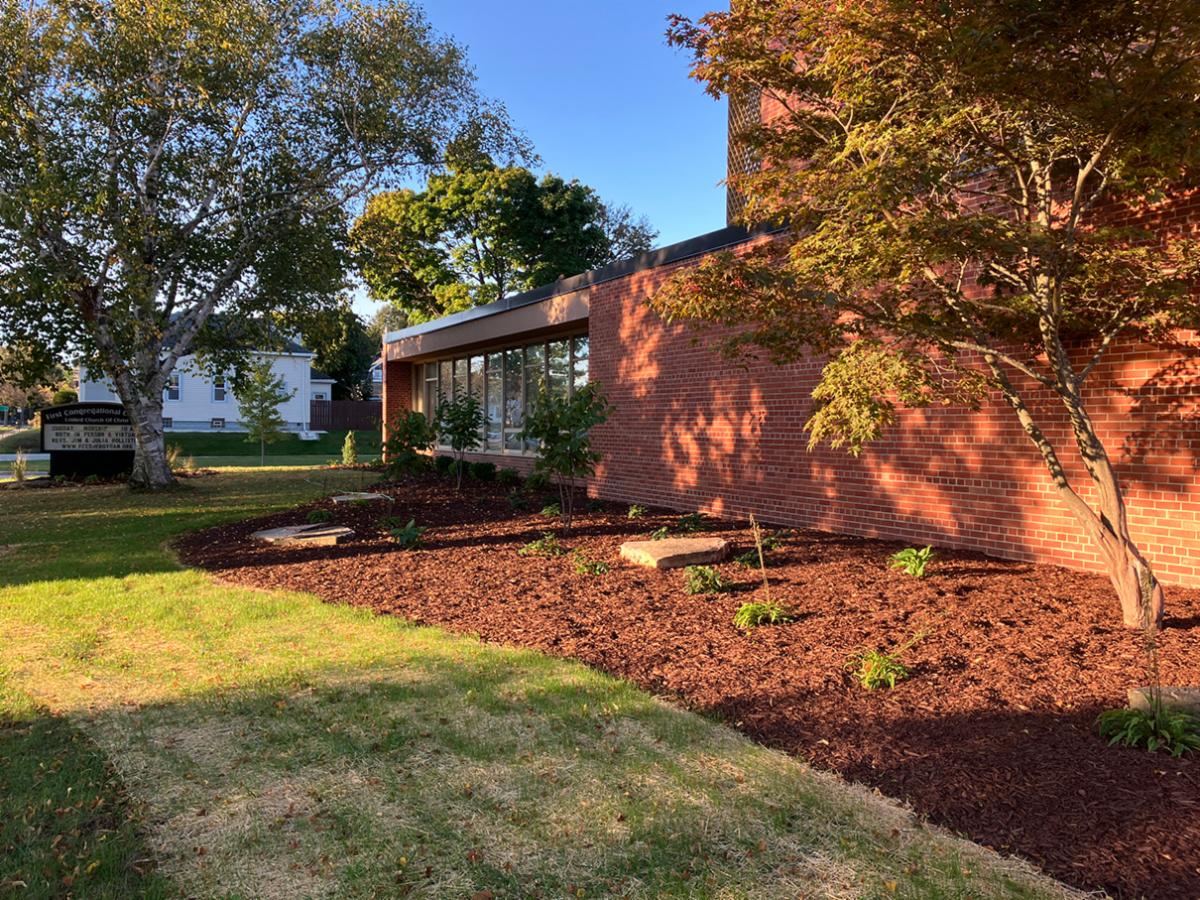
Native Plants and the Church

by Greg Bohn, Member of the FCC Sheboygan East Lawn Design Team


Why should a church congregation care about planting native plants? You could ask why a church does anything and the answer is: it is the right thing to do.


Many faith traditions emphasize the importance of caring for creation. Ornamental plants have been selectively bred or genetically modified to produce traits that appeal to our senses but in doing so have lost other traits, often making them more difficult to nurture. Since native plants are adapted to local precipitation and soil conditions, they generally require less upkeep, therefore helping the environment and saving time, water, and money. Maintaining the church grounds requires fewer volunteers and allows people to help elsewhere in the community.


Read full reflection here

Meet Jane Dow - Environmental Activist

I met Jane Dow at the Great Lakes Collaborative Retreat at Cedar Valley Retreat Center. Jane did a presentation on plastics. She has great insight and knowledge about this subject. I’m hoping Jane will give us regular articles on what we can do do help mitigate the harm plastics cause. Here is an interview by Susan Webb, Editor, Kairos Newsletter


Tell me a little about yourself - where you live, church, work history.

I live in Mankato Minnesota, a city 90 miles south of Minneapolis. Although this city has a population of 40,000 and is considered small, it has a progressive base of nonprofit groups working on sustainable measures for our city and pushing the government to enact a climate energy plan.


I belong to First Congregational UCC Mankato. We are a very progressive church and early on became open and affirming as well as immigrant welcoming.


When I graduated from college, I joined the Peace Corps and was stationed in Afghanistan where I treated Tuberculosis patients in a rural Northern town called Baghlan.


What started your plastic journey? And where has it led you?

We moved to Mankato from Duluth so that my husband could return to school to get his masters in humanistic economics, I worked for the post office. My first volunteer experience in Mankato was working with a British man who had a lot of experience in the Fair Trade movement in England. We started a Fair Trade group that eventually led to Mankato becoming the first Fair Trade town in Minnesota with the first K-12 grade fair Trade school in the country.


In the process of working with Fair Trade and also a few housing advocacy groups, I met people who were interested in organizing a community visioning event. At that event, I asked people who were interested in working to reduce waste and landfills to form a zero waste group. Many people were interested in this topic so we started a group called Mankato Area Zero Waste.


In the process of learning about waste and pollution, I read more and more research about the existential threat plastic is causing our planet and all the terrible harm it is causing our health. I became passionate about reducing plastic harm in our community and started a sub group to the Zero Waste group called Beyond Plastics Greater Mankato Area. We affiliated with the national Beyond Plastics organization.


Give us some facts about plastic.

Microplastics and the added chemicals are causing existential threat to our planet and all living things. The microplastics never break down so the 8 to 9 billion tons we have produced since the 1950s are still in our water, soil and air. Production of plastics went from 200 million metric tons in the 1950’s to 400 million metric tons of plastic now annually and is expected to triple by 2060 according to a new report from the Minderoo-Monaco Commission on Plastics and Human Health. If current production stays on track, yearly plastic production could reach 1.1 billion metric tons by 2050. The whole chain of production emitted 1.8 billion tons of CO2 in 2015. By 2050, greenhouse gas emissions could reach over 56 gigatons, 10 to 13% of the remaining carbon budget. In the U.S. the plastic industry emits 232 million tons a year equal to CO2 emissions from 50 million cars and predicted to outpace coal emissions by 2030                  


Does recycling work?


No, recycling doesn’t’ work. Less than 10% of plastics are recycled and only 2 kinds are even recyclable. Recycling cannot work because plastic products are so full of toxic chemical additives that can’t be removed from plastic material, making recycled plastic unsafe for later uses.


What are the most dangerous plastics?

Plastics with the #3 symbol have PVC in them. Products with PVC are vinyl flooring and siding, water pipes, furniture, clothing, toys and shower curtains. PVC is a toxic chemical that the EPA is examining with the purpose of banning it. It is a known carcinogen. Polystyrene #6 (Styrofoam) such as packaging foam, Styrofoam drink cups and food containers, insulation, DVD cases, packing peanuts, is also toxic and listed as a carcinogen. PET #1 pop and water bottles are the most commonly used plastics and intended for single use only. Repeated use increases the risk of leaching and bacteria with the release the 250,000 to 500,000 microplastics per liter.


Where do you find hope?

There are so many legislative bills being introduced now all over the country. 5 extended producer responsibility bills, making producers of plastic responsible for reducing and redesigning their packaging, have been passed and many more are being introduced. Representative Jeff Brand passed the Minnesota PFAS ban that will keep this toxic chemical out of our water. Clean Water is working on a bill to ban the most toxic chemicals in plastic. That would go a long way to cleaning up the worst chemical pollution. 175 countries voted to adopt a legally binding treaty to reduce plastic pollution. The treaty aims to hold countries to a common standard on plastic consumption and create a path to a future without plastic pollution. California and several environmental non-profits filed a lawsuit against Exxon/Mobile for lying about recycling and causing terrible pollution.


This is a very edited interview. Jane gave me much more information. Read the whole interview here.

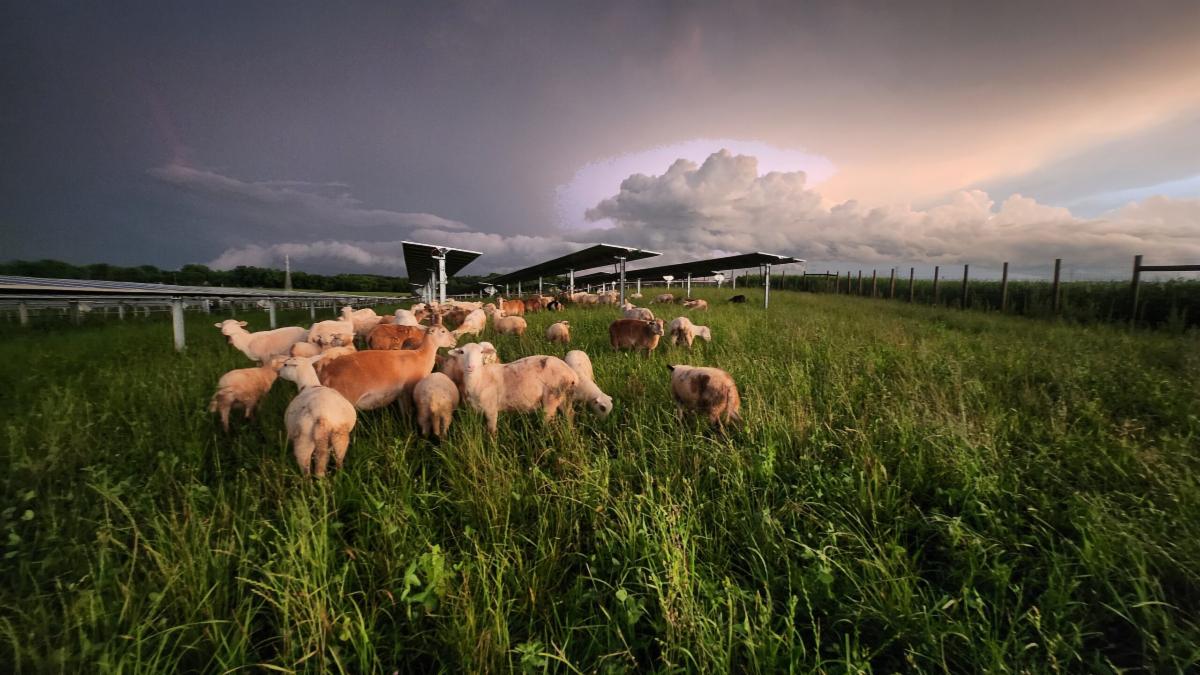
‘A Great Partnership’: Fitchburg Farm Grazing Sheep at Dane County Solar Site

A flock of sheep graze at the Tyto Solar site in Dane County. The sheep belong to Wiscovery Farm in Fitchburg. Photo Courtesy of Beau Stafford.


Solar grazing helps with vegetation management, improves soil quality while limiting mowing costs and environmental impact from mowing. Read more

Events


Youth Climate Conference

Build a sustainable future. Learn about how you can help fight the climate crisis Free admission, free parking, and free lunch. Door prizes and giveaways.

WHERE: Madison College

TIME: 10:00 a.m. to 1:00 p.m. and 12:00 p.m. to 4:00 p.m. (can attend morning only, afternoon only, or the whole day)

DATE: Nov. 16

REGISTER: Click here for more info


Ecumenical Climate Ambassador Training

Blessed Tomorrow and a range of denominations will offer an online training that will equip attendees on understanding the climate crisis through a faith lens while considering its impacts and how we can advance solutions. Attention will be given to how to best communicate with others and become engaged in taking action.

TIME: 10:30 a.m. to 2:30 p.m. Central

DATE: Nov. 16

Register now

Sitting in Our Backyard: When I Am Fully Alive”

“The Glory of God is a human being fully alive.” -- Irenaeus, 2nd Century

“Because what the world needs is more people who have come alive.” – Howard Thurman, 20th Century


I once thought “surrounded by nature” was my happy place

Now I know that nature and I are one. There’s no “me” and “them.”

In our backyard we are a bumble bee at a stand of zinnias

A hummingbird at a blossum of the exuberant trumpet vine

In the shade of the Freeman maple, now taller than the house

We are grapes ripening on the vines that hang from the arbor

A dozen sparrows on the lilac bush ask about the empty feeder nearby: “Well?”

We are gangly pink cosmos tied up to a stick with kite string

Fiddlehead ferns all around with hostas here and there

Flanked by two sentinel junipers the tamarack challenges the maple in a race to the sky

A small greenhouse made last spring of someone else’s old storm windows

Red and yellow yarrow bloom again in a late summer second round

Water from the old cistern pump splashes into the stock tank full of water plants

A shrinking patch of turf yields gradually to bluestem and other tall grasses

We are mums in a pot ready to usher in a new season

A twisted willow beside bare hollyhock stems topped with seeds for next year

Too many familiar faces of flora family whose names I forgot or never knew

Sounds from the house my beloved in the kitchen cans fruit from an early harvest

The girls next door just home from school with some squealing

Jetliners overhead make even more noise as they leave Mitchell Field

Blue and gray battle for dominance in those same skies

Of breeze that shakes shimmering leaves of the giant cottonwood in a neighbor’s yard

Peonies and tiger lilies done for now they are spent but ready for a comeback next year

I mean “we.”

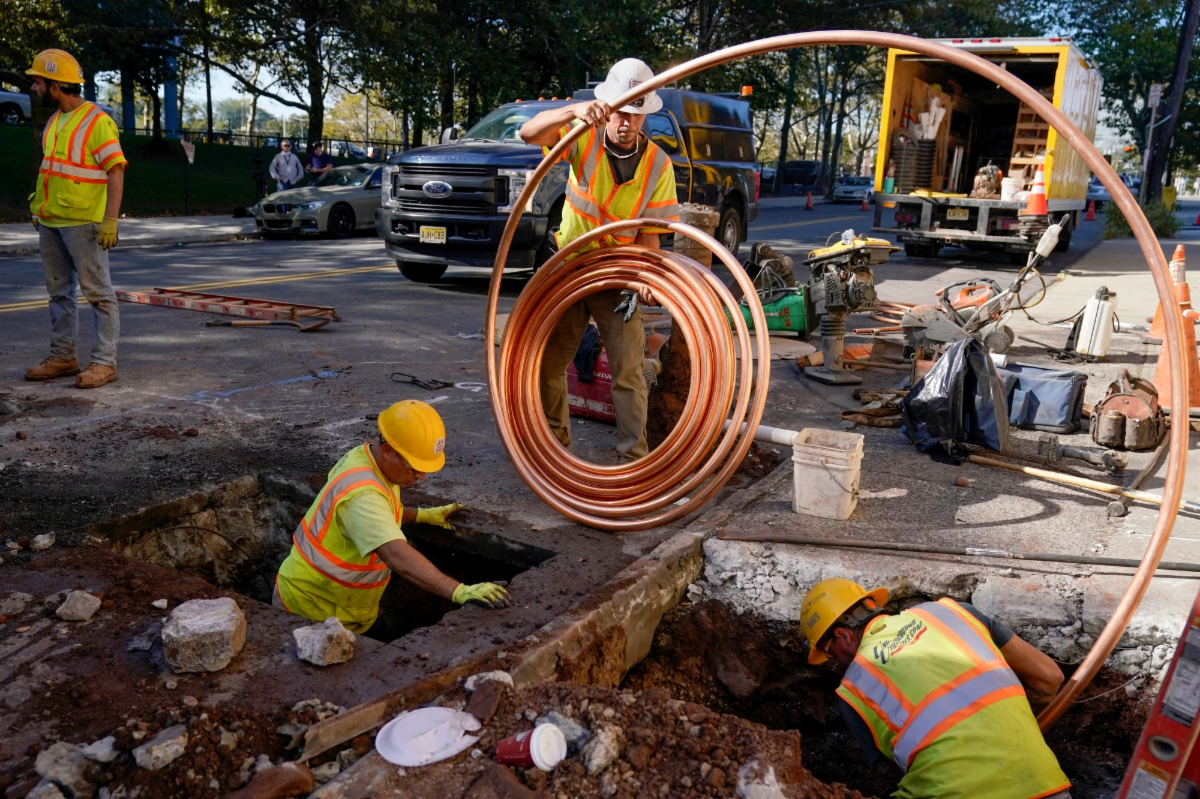
Toxic Lead Is Still Contaminating Our Drinking Water, But Change Is Coming

from EarthJustice.org


After years of advocacy by Earthjustice and our partners, a newly updated EPA rule requires almost all lead pipes in the U.S. to be replaced within a decade.

What to know:

  • A newly updated EPA rule requires the replacement of most lead pipes nationwide within a decade.
  • There is no safe level of lead exposure for children. Yet there are still more than 9 million lead service lines in the country, delivering drinking water to an estimated 22 million people.
  • The new rule comes in response to successful lawsuits by Earthjustice and others, as well as advocacy by communities harmed by lead contamination.
  • We are celebrating this victory, and we will keep fighting to get lead out of our lives. The EPA must now enact strong, proactive regulations that eliminate lead in drinking water at schools and childcare facilities, where children spend most of their day


Read full article here. Photo: (Seth Wenig / AP)

A Book about Pollinators

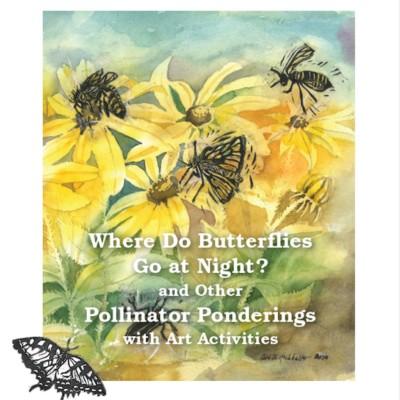
A UCC pastor, Cara B.Hochhalter, has published a book entitled, "Where Do Butterflies Go at Night? and Other Pollinator Ponderings."


Beautifully illustrated with her own watercolors, photographs and block prints, the book answers 30 fun questions about pollinators like which beetle larvae hitchhike, which wasps make mud, and which butterfly wears spangles? Perfect for inquisitive children and grownups, too.


The 60-page book, including art activities, a glossary and scientific names, is available by contacting the author.

Encouraging Books About Climate Change & Reaching/Motivating Others

Saving Us: A Climate Scientist's Case for Hope and Healing in a Divided World

Book by Katharine Hayhoe


What If We Get It Right? Visions of Climate Futures

Book by Ayana Elizabeth Johnson


Not the End of the World: How We Can Be the First Generation to Build a Sustainable Planet 

Book by Hannah Ritch


How Minds Change: The Surprising Science of Belief, Opinion, and Persuasion

Book by David McRaney


Following Jesus in a Warming World: A Christian Call to Climate Action

Book by Kyle Meyaard-Schaap

In a Win for Endangered Salmon, Court Orders Puyallup River Dam Removal

by Earthjustice.org, August 23, 2024


What happened: The Ninth Circuit Court of Appeals just affirmed a decision that will let Washington’s Puyallup River flow free. The court held that a  portion of Electron Dam must be removed from the river because the dam harms fish protected under the Endangered Species Act.


Why it matters: Electron Dam has been harming Chinook salmon, steelhead, and trout for nearly 100 years. In 2020, the company that operates the dam tried to replace a spillway and botched the job, creating more hazards for the fish. Earthjustice went to court to press for the new segment’s removal on behalf of the Puyallup Tribe. Salmon and other native fish play a critical role in the Tribe’s culture and economy. With this part of the dam gone, the river will flow naturally for the first time in almost a century. Read more HERE.

Photo of the Month


View Franz Rigert's video Announcing the Wisconsin Conference UCC Kairos Call To Action and share with your congregation!

Sign up for the Kairos Call to Action Newsletter to ensure you don't miss future issues!
This newsletter is made possible by your contributions to Our Church's Wider Mission Basic Support.
Wisconsin Conference UCC | wcucc.org
Facebook