|
Wisconsin Forestry Center
January 2026 Newsletter
| | |
WHEN: Tuesday, Jan. 13, 2026 | 1-2:30 p.m. CT
WHERE: Online via Zoom
COST: $10
CEUs and CFEs available
Foresters are being pulled in more directions than ever—crunching numbers, writing reports, navigating regulations, and explaining it all to clients and agencies who want it yesterday. This session explores how ChatGPT can take some of that weight off your shoulders. We’ll walk through real examples where AI has been used to draft NRCS prescriptions, summarize forest notes, calculate statistics, draft expert witness reports, troubleshoot equipment and software issues, and even find order in a pile of bird observations. If it lives in your inbox, clipboard, or spreadsheet, there’s probably a way to speed it up with AI.
You don’t need to be a programmer, much less tech-savvy, to start using these tools. We’ll keep it grounded in forestry work, with plenty of field-tested examples from my own practice. Whether you want to automate routine tasks, sharpen your writing, or just get a second set of eyes on your written products (without billing hours), this session will show how AI can quietly make you faster, clearer, and more efficient.
| |
| |
WHEN: Feb. 4, 2026 | 12:30 - 1:30 p.m. CST
WHERE: Online via Zoom
COST: Free | Registration not required
| |
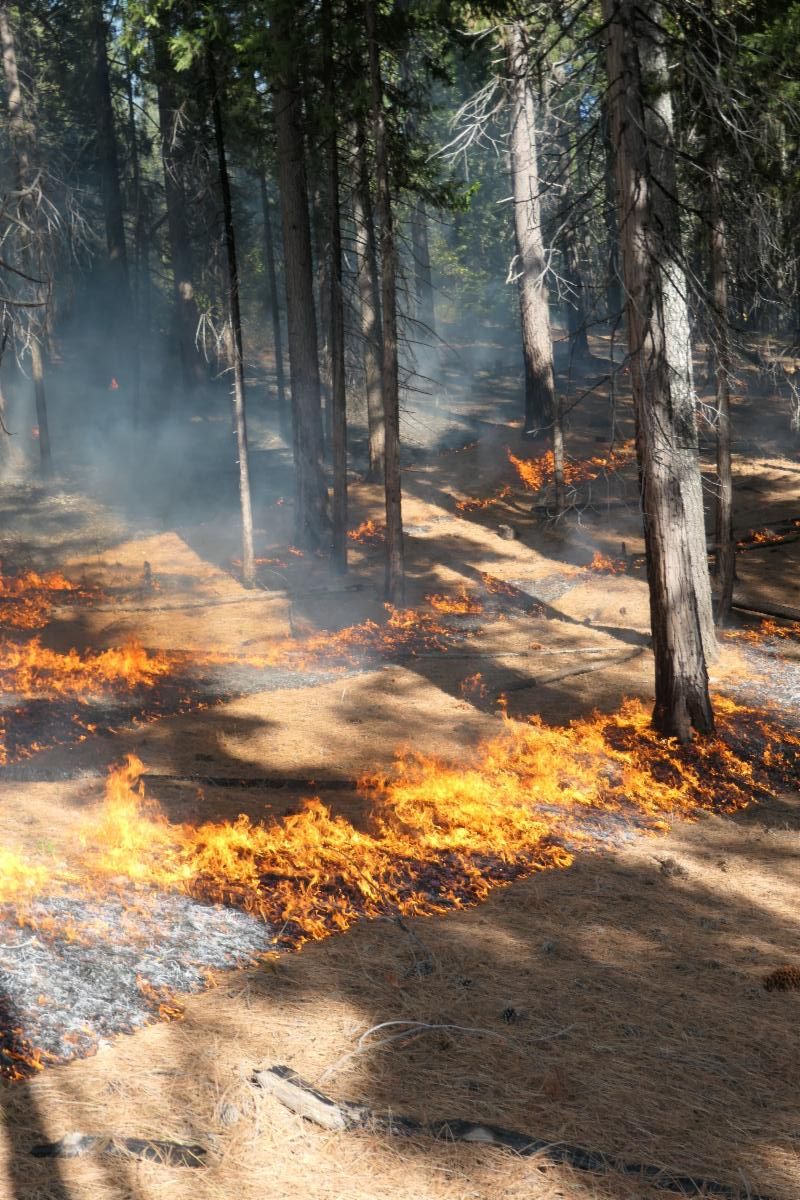
Fire suppression and past selective logging of large trees have fundamentally changed frequent-fire-adapted forests in California. The culmination of these changes produced forests that are vulnerable to catastrophic change by wildfire, drought, and bark beetles, with climate change exacerbating this vulnerability. Management options available to address this problem include mechanical treatments (Mech), prescribed fire (Fire), or combinations of these treatments (Mech + Fire). All three active treatments (Fire, Mech, Mech + Fire) produced forest conditions that were much more resistant to wildfire than the untreated control and Mech + Fire improved forest resilience the most. There are multiple pathways for achieving success in Sierra Nevada mixed conifer forests.
Presented by:
Scott L. Stephens, Ph.D.
Professor, Environmental Science, Policy & Management, Rausser College of Natural Resources, University of California Berkeley
| |
| New Professional Development Series | | Reducing the Impact of Biological Stressors | | Presented by Stephen Kaufman, Forester, Wisconsin Department of Natural Resources and Ron Waukau, Forest Manager, Menominee Tribal Enterprises | |
WHEN: Feb. 18, 2026 | 12:00 - 1 p.m. CST
WHERE: Online via Zoom
COST: Free | Registration not required
| A rapidly warming climate threatens forest ecosystems through warmer temperatures, changing precipitation and increased stress. As the impacts of climate change increase, there is a growing need for forest management strategies that can help forests adapt to current impacts, and prepare them for the challenges of tomorrow. Participants will not only learn about the theory of adaptation but also hear from forest managers grappling with climate risk and distilling the best available science into “boots on the ground” forest management. | | This series is possible through a grant from the Wisconsin SFI® Implementation Committee. | | Introducing Wood & Iron Podcast! | | |
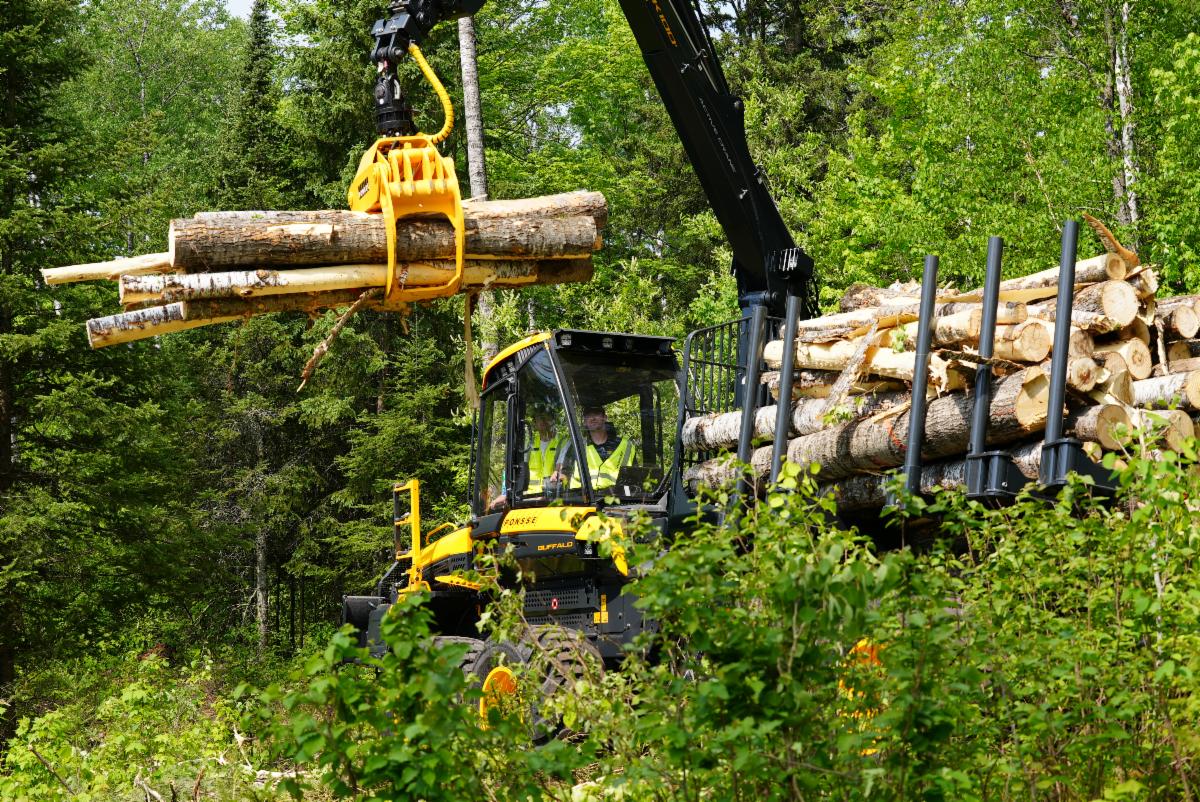
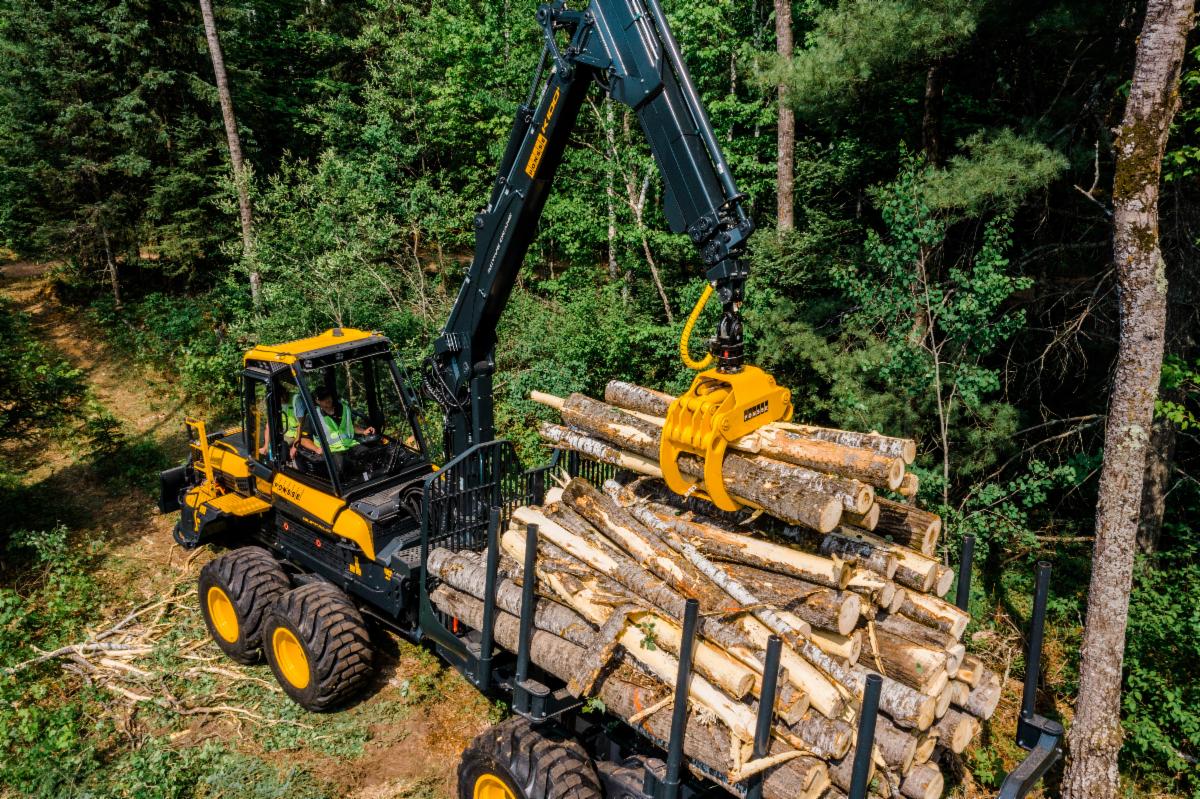
We are excited to introduce a new logging podcast! Wood & Iron will explore the needs and challenges of today’s logger. Join our hosts as we explores business operation, policy navigation, and the future of logging with loggers from the Midwest to the West. The goal of Wood & Iron is to promote a successful and sustainable logging workforce by offering relevant and timely information that you can listen to during your time in the cab.
Produced by the University of Wisconsin-Stevens Point’s Wisconsin Forestry Center and hosted by Manley Jobs and WFCA executive director Blake Manley, Wood & Iron is available on Apple Podcasts, Spotify, YouTube Music, and many other platforms.
Want to advertise your product, company, or organization on Wood & Iron? Sponsor a season or an episode! If you are interested, reach out to wfc@uwsp.edu. Stay tuned for our first episode coming later this month!
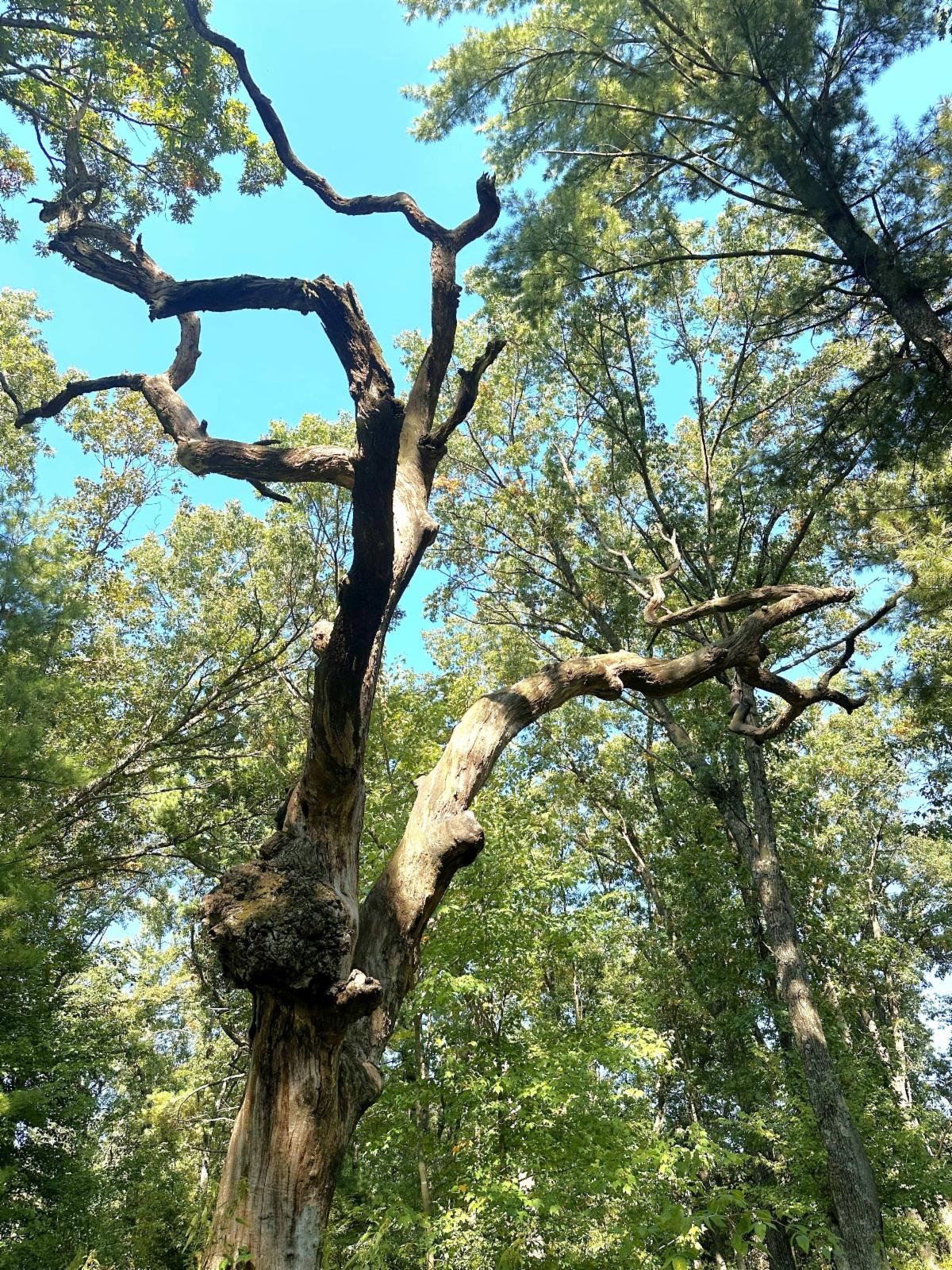
| | SilviCast Podcast: Morticulture | | This month's episode of SilviCast is sponsored by: | | CHECK OUT PREVIOUS EPISODES | | Continuing Education Credits | | The WFC offers a variety of continuing education options, such as online on-demand courses. They are pre-approved for SAF and WI-DNR Cooperating Forester credits. | | |
Looking for the next step in your forestry career or your next hire? Check out our free forestry jobs board.
Job seekers: Check out current full-time, part-time, and seasonal positions across all forestry sectors.
Employers: Get the word out about your job openings by sending them to the WFC.
| | | Do you have workshop or training ideas that you want the WFC to explore? | | | | |  | |
SHARE WITH A FRIEND!
If you know someone who would enjoy this newsletter, forward it along so they can subscribe.
| | | | |