Joy is Most Important When It is Hardest to Find
by Emily Kibler | December 22, 2025 | Read in Browser
The holiday season is often a difficult time for many people, and this year is no different. From the disappointment of a lack of community to celebrate with, to stresses within the community that is there, it can be hard to enjoy this time of year.
This is especially difficult when outside factors like food/housing insecurity, job loss, limited financials, and other such hardships are added to the mix. This article is not meant to devalue those experiences or to tell people to get over them. In fact it is the opposite—to reinforce the real pain that these experiences can cause and teach ways to see the light through the darkness.
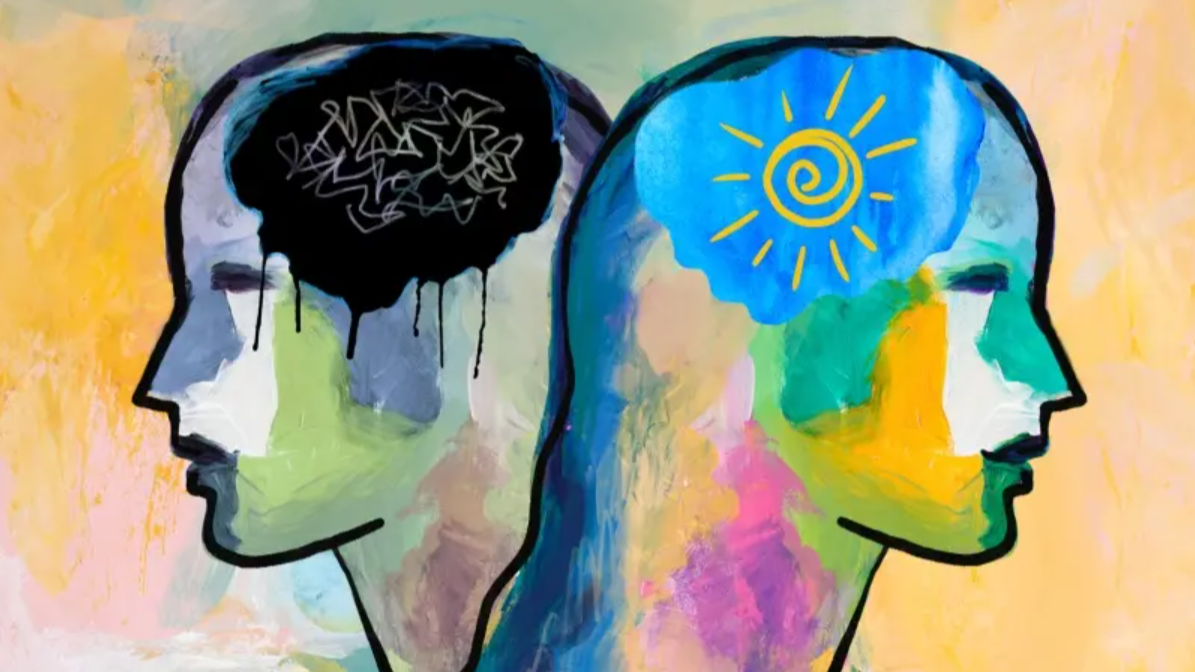
The Optimist-Pessimist Conundrum
Long-time readers of these articles will know that I am an optimist. While this used to be something that brought me pride, I have found that there is a dark side to being too optimistic. I have always loved the holiday season and therefore have many expectations for the way my celebrations should unfold. This would not be an issue, if I were able to manage my emotions when things don't go according to plan. Unfortunately, like many neurodivergent people, this is not my strong suit. Therefore, for many years, I spent the holiday season on a seesaw of heightened emotions, from overjoyed to melancholic and back.
On the other side, I know many people who lead with pessimism. They are often successful in protecting themselves from the pain of disappointment, but the cost to joy is high.
While I would normally encourage people to let go of labels like these if they are not serving them well, knowing the way you approach situations can be helpful for finding joy during the holidays.
Overly optimistic people like myself do not need to learn how to be pessimistic. Instead, we need to learn how to work with our optimism and adapt. For me, this looks like coming up with many ways that the holidays can go that I will be happy with and understanding that not all good things can be planned and not all bad things need to be dwelled on. By having this mindset, I open myself up to see the many types of joy and the many ways that I am responsible for at least a portion of my own happiness.
Similarly, pessimistic people do not necessarily need to learn how to be optimistic. They will find that contentedness will serve them much better than either pessimism or optimism. However, being content in a situation can also be a form of toxic pessimism if a person does not realize that they have power over their own mindsets and experiences.
Let's look at an example:
A person has been growing apart from a family member over several years and they plan to see them again during the holidays. An optimist might expect that everything will be back to normal and then get hurt when that doesn't happen. What they would miss through this reaction are the small ways that we connect with people. It is likely unrealistic to expect perfect outcomes for situations like this, so adjusting your expectations to finding joy in the small forms of connection might serve a person like this better.
On the other hand, a pessimist might approach this situation with the mindset that the relationship is irreparable and there is nothing that can be done. This is often a self-fulfilling prophecy because closing yourself off to the possibility of joy and connection often makes it harder to see the small ways that the connection still exists.
The goal here is to find ways to leave the extremes of the optimism-pessimism continuum and put energy into realistic expectations. This will make it easier to find joy.
How does privilege play into this?
Like I said, some people have harder experiences to manage during the holidays (and year-round) than others. So is it possible to implement these techniques when it feels like the weight of the world is pressing on you?
In my opinion, yes.
The way I see it, privilege is having the ability to find joy without effort. Those without this privilege will have to work harder to find joy in their situations, but I truly believe that it is an important priority.
When you prioritize your own and others' happiness, the harder situations get a little bit easier to handle. It isn't simple, but if you can take a moment to find peace, your mind will thank you.
To be clear, I am not saying to find the silver linings. Often, this idea is used to discount real pain and redirect without intention. When you are going through something challenging and then you say "well, at least…," you are devaluing the hardship without giving yourself the framework to find peace.
One main challenge faced during the holiday season is a disconnect from community. Being alone during the holidays can be very hard and no one should blame anyone for sitting in that pain if that is what they would like to do. However, if you want to find joy in the situation, it may not help to 'silver lining your way out of it' by looking at how you at least have food, housing, or a job. These things are all just thoughts, and without effort, they won't affect your mood. The best way to change your mood is through a combination of mindset and action changes.
For this example, you might change your mindset to be about how it could be nice to celebrate alone without the pressures that other people can bring. And your actions might be changed by setting up a "me-day" with all of the activities you would put in your perfect holiday day. Together, this might be enough to bring joy to a hard situation.
None of this is a perfect system and it always comes from a place of privilege, but that does not change the power that comes from reclaiming joy.
Why Joy?
The word joy was chosen specifically for this discussion, not just because of the way that it often pops up during the holiday season, but because of the way joy can often be created. Happiness and depression are not things that you choose; they are things that happen to you. Joy can be manufactured, even through a hardship.
Takeaway
We build up walls around us for a reason: pain, disappointment, insecurity. And those walls do a very good job of protecting us. In fact, they protect us so much that they protect us from the good things that could come to us if we let the walls break down.
This holiday season, let yourself experience joy from the unexpected places. By all means, feel the pain as well, but don't let that take over your spirit.
|