Women Make History:
Stories we should have learned in school
| |
|
"If you will go with me to the mountains
And sleep on the leaf carpeted floors
And enjoy the bigness of nature
And the beauty of all out-of-doors,
You'll find your troubles fading
And feel the Creator was not man
That made lovely mountains and forests
Which only a Supreme Power can."
The Rewards of Nature by Emma Gatewood
| |
Hiking as Medicine for the Soul: Meet Grandma Gatewood | |
|
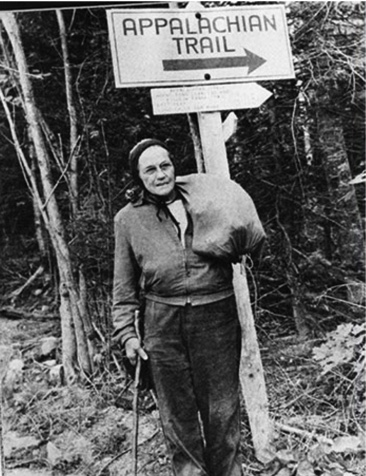
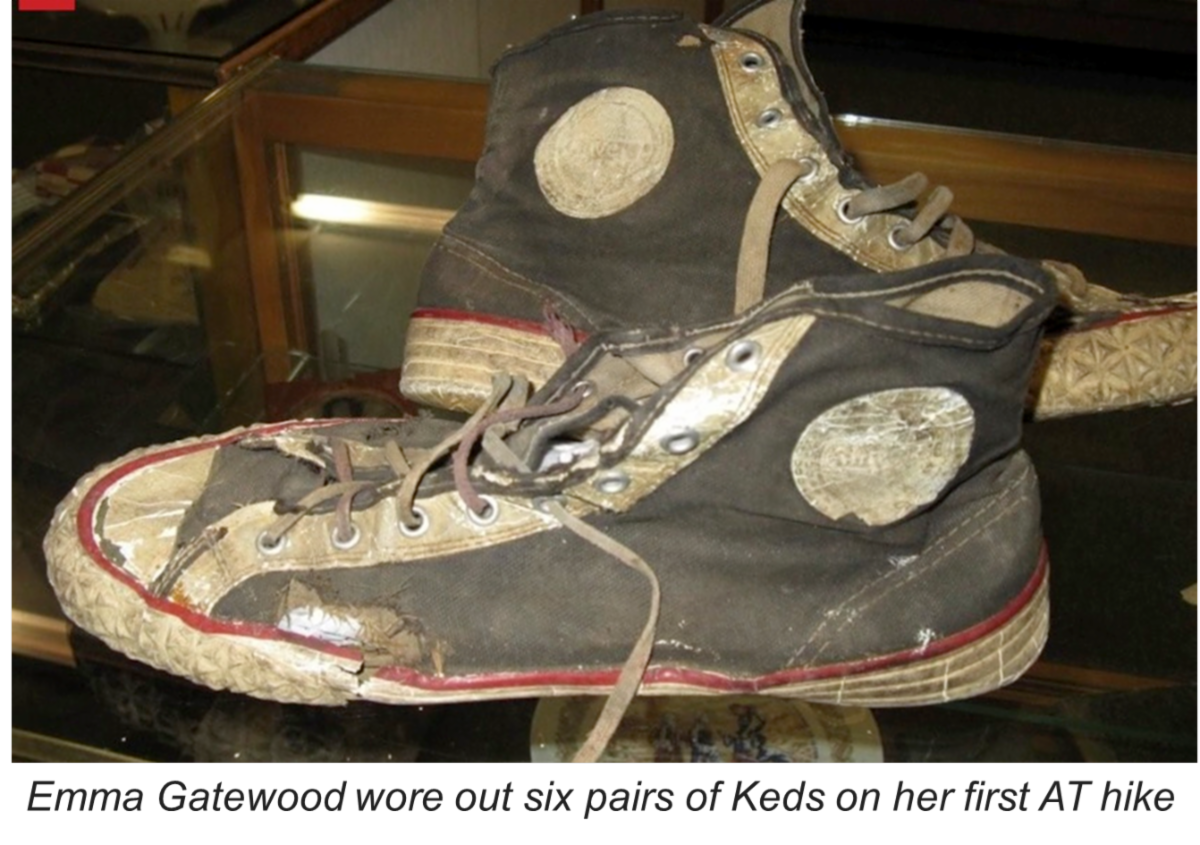
On May 3, 1955, 67-year-old Emma Rowena Gatewood told her adult children that she was going for a walk. Four months and 2,168 miles later, “Grandma” Gatewood, as she was known, became the first woman to solo hike the Appalachian Trail. She wore out six pairs of Keds. Later she became the first individual to make the trek three times. But her legacy encompasses more than meeting challenges along the trail; she had to conquer the wounds of physical and mental abuse.
Born Emma Rowena Caldwell in 1887 to a farming couple in southern Ohio, Gatewood was one of 15 children. To help support the family––her father was an alcoholic and gambler––she left school after the 8th grade to work odd jobs. A prolific reader, she was captivated by the use of plants for medicines and food. Gatewood also enjoyed reading encyclopedias and the Greek classics. As an adult, she wrote poetry.
| |
|
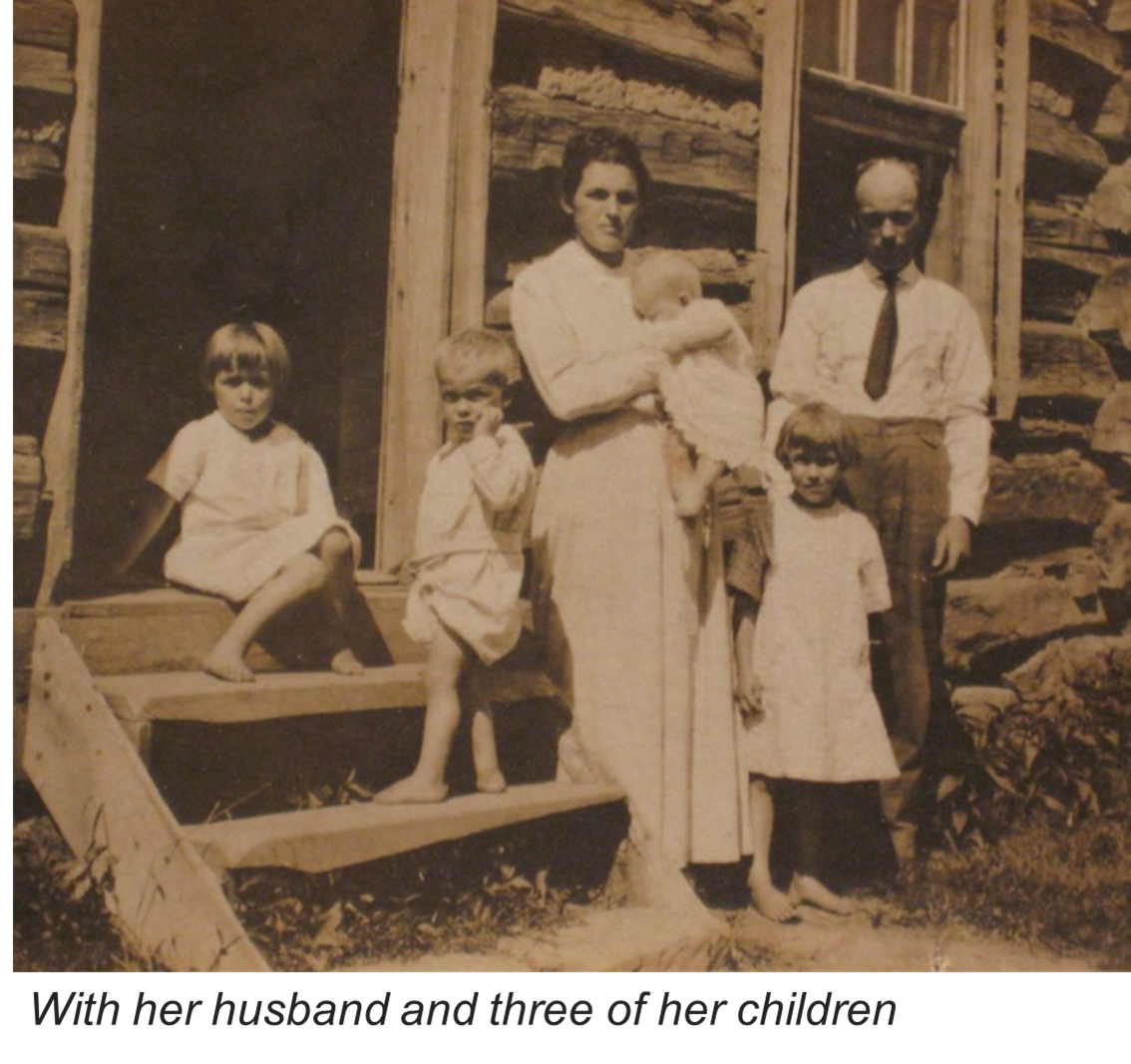
In 1907, at 19, Gatewood married a respected school teacher who was also a tobacco farmer. He became abusive, often beating Gatewood nearly to death. When she fought back, he would threaten to commit her to an asylum and take their eleven children away. To escape, Gatewood would flee to the woods to find temporary peace. But living in an era and a part of the country where women were rarely permitted the right to divorce, Gatewood had few options. In 1924, her husband was convicted of killing a man, but there was no reprieve for Gatewood: her husband's sentence was commuted because he had a farm to run and children to feed.
It took Gatewood another fifteen years to break free. In1939, during one of her husband’s violent attacks, Gatewood threw a sack of flour at him. He called the police. She was arrested. Seeing Gatewood's broken teeth and cracked ribs, the town mayor helped her find a place to live and a job. The next year, she successfully filed for divorce and won custody of her three minor children.
| |
|
In the early 1950s, Gatewood found a discarded issue of National Geographic that included an article about men hiking the Appalachian Trail. Deciding that if men could do it, she could too, she made her first attempt in 1954. The hike was more difficult than she expected and her first attempt failed. Undaunted, the following year, Gatewood slung a bag over her shoulder and tried again. Without a sleeping bag, tent, or rain gear, Gatewood slept on piles of leaves and rigged a shower curtain to keep herself dry. After she ran out of food, she foraged for edible forest plants, relying on her self-taught skills.
Midway through her trek, The Roanoke Times, a Virginia newspaper, ran a story about Gatewood. Other media followed suit and began reporting on her progress as she hiked. Reporters referred to her as a “jovial little grandmother,” spurring strangers to turn up along the trail to greet her and to offer food, clothes, and places to sleep.
By the time Gatewood completed the Appalachian Trail in September,1955, she was a national celebrity. She used her platform to encourage women and girls to explore the outdoors and pursue their dreams. And yet, Gatewood never explained what her own dream was. According to a story in the Washington Post, she gave varying accounts of what had inspired her journey and she led reporters to believe that she was a widow, not a victim of domestic violence. One of her daughters suggested that Gatewood’s motivation was independence: “She was alone, she was free. She didn’t have to answer to anyone.”
| |
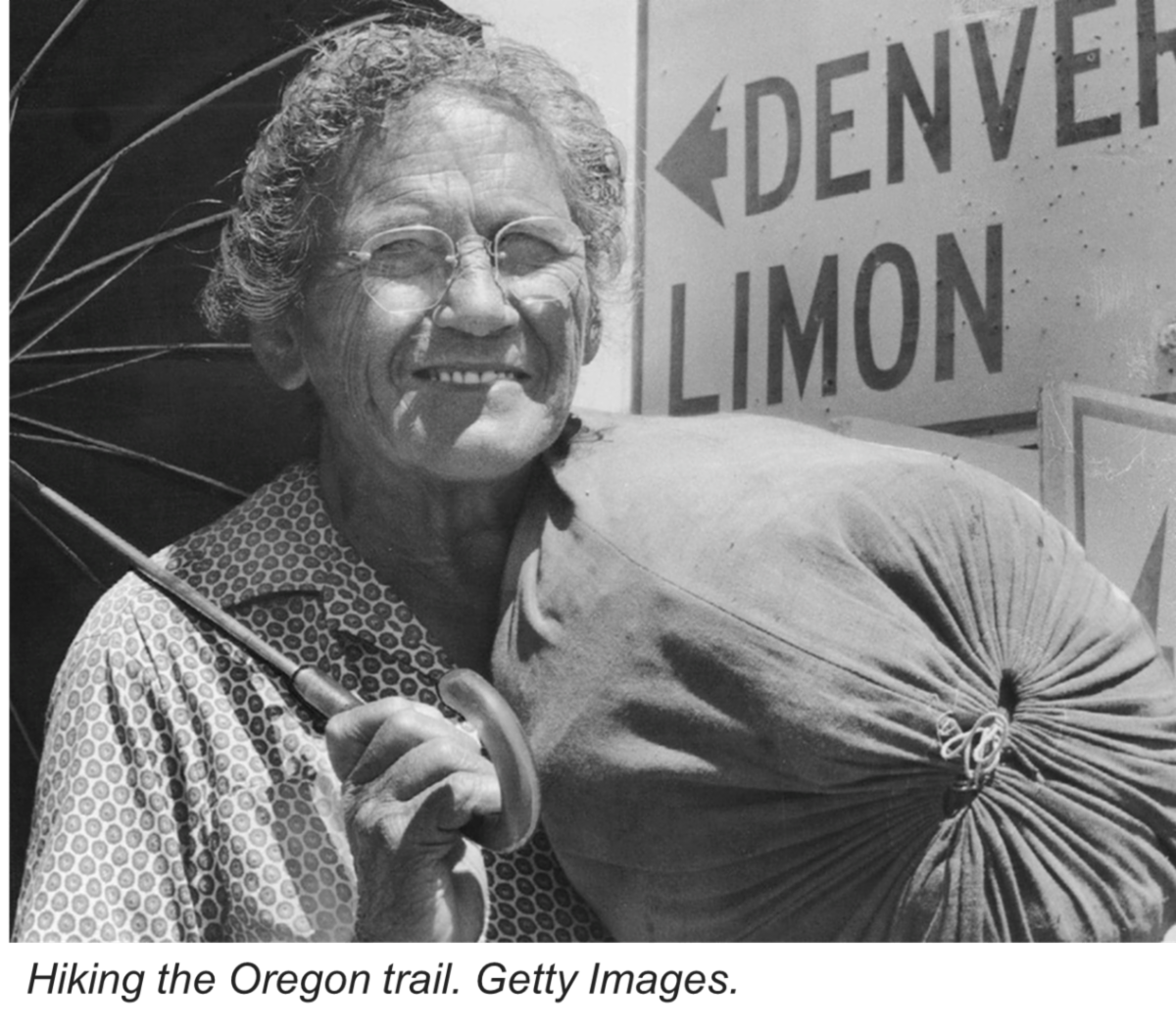
After Gatewood solo hiked the trail a second time and then summited six mountains, she read about the legions of pioneer women who had walked the 2,000-mile Oregon Trail. This time, Gatewood's motivation was clear: to pay tribute to the women's courage. At age 71, Gatewood followed in their footsteps but she did it alone. Averaging 22 miles per day, she walked from Independence, Missouri, to Portland, Oregon, in three months.
Gatewood also used her celebrity to advocate for the creation and preservation of more state and national trails. In her early eighties, she would spend ten or more hours a day clearing 30-miles of land in Ohio to connect to the Buckeye Trail. During her final annual hike, more than 2,500 people showed up to join her.
| |
|
Before her death in 1973, Gatewood bought an open-ended bus ticket and visited all of the contiguous United States. She died at age 87, having walked more than 14,000 miles, equal to halfway around the earth.
Gatewood never received major recognition for her numerous conservation efforts and accomplishments until after her death. In 2012 she was inducted into the Appalachian Trail Hall of Fame. Two years later, a distant relative, Ben Montgomery, published the best-selling biography, Grandma Gatewood’s Walk. Three years later, filmmaker Peter Huston produced a documentary about her life that aired on PBS.
| |
|
Bring it Home: Conversation Starters
Ask a friend: Emma Gatewood never spoke about the years of abuse she suffered. Why do you think that is?
Ask yourself: What characteristics does it take to solo hike more than 2,000 miles? How does Gatewood's accomplishment defy ageism?
| |
|
Recent / Upcoming Keynotes & Talks––Spreading the Word
Thank you to the San Francisco Writers Conference 2022, to Chase's Mill, and the Community of Grace Women's Group for the chance to share stories about Mary Ware Dennett and other remarkable women I write about. I look forward to speaking at the Town Club in Salt Lake City this fall, and I'm honored to be a panelist at the 2023 Berkshire Conference of Women Historians next summer.
| |
|
Sharon Spaulding is a feminist historian and researcher specializing in the life and times of Mary Ware Dennett (1872-1947). The curator of Dennett's family archives, Spaulding is writing a book about Dennett. In 2020, Time magazine included Dennett as one of the most important women in American history.
Spaulding received a grant from Radcliffe College’s Schlesinger Library to support her work. Her journalism has appeared in Ms.Magazine, Smithsonian, New Hampshire Magazine, BOLD, and others. She lives near Salt Lake City with her husband and two dogs.
Sharon is available to speak about Dennett and the forgotten stories of other remarkable women, as well as the history of the suffrage and reproductive rights movements of the early 20th century. Contact her at: Sharon@SharonSpaulding.com.
| |
|
Help reclaim the lives of remarkable women.
Share this newsletter and encourage others to subscribe.
Follow me on social media. SharonSpaulding.com
| | | | | |