From the Collection:
The Bell Tower and Mary Garden
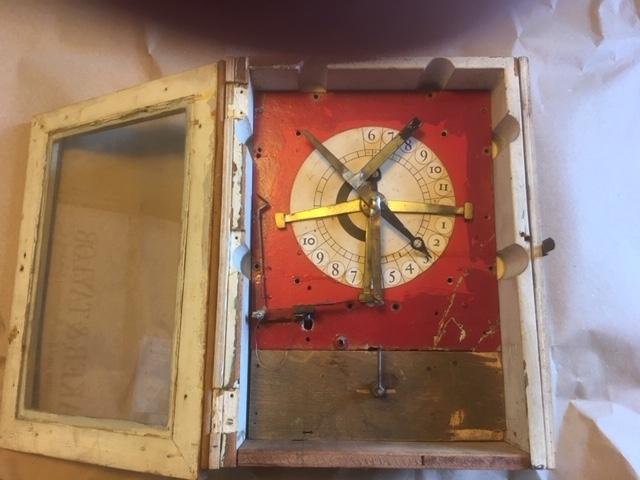
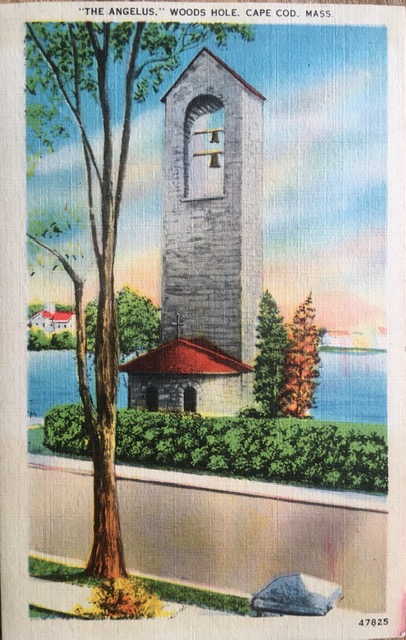
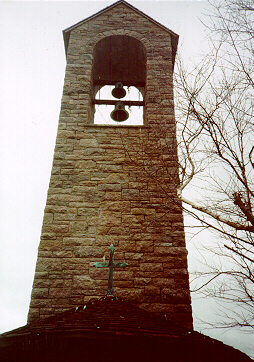
One of the more contemporary (mid 20 th century) artifacts from the museum’s collection is a unique timer designed by Wallace Butler , a retired electrical engineer. It electronically rang the bells in the Angelus Bell Tower on Millfield Street across from St. Joseph church
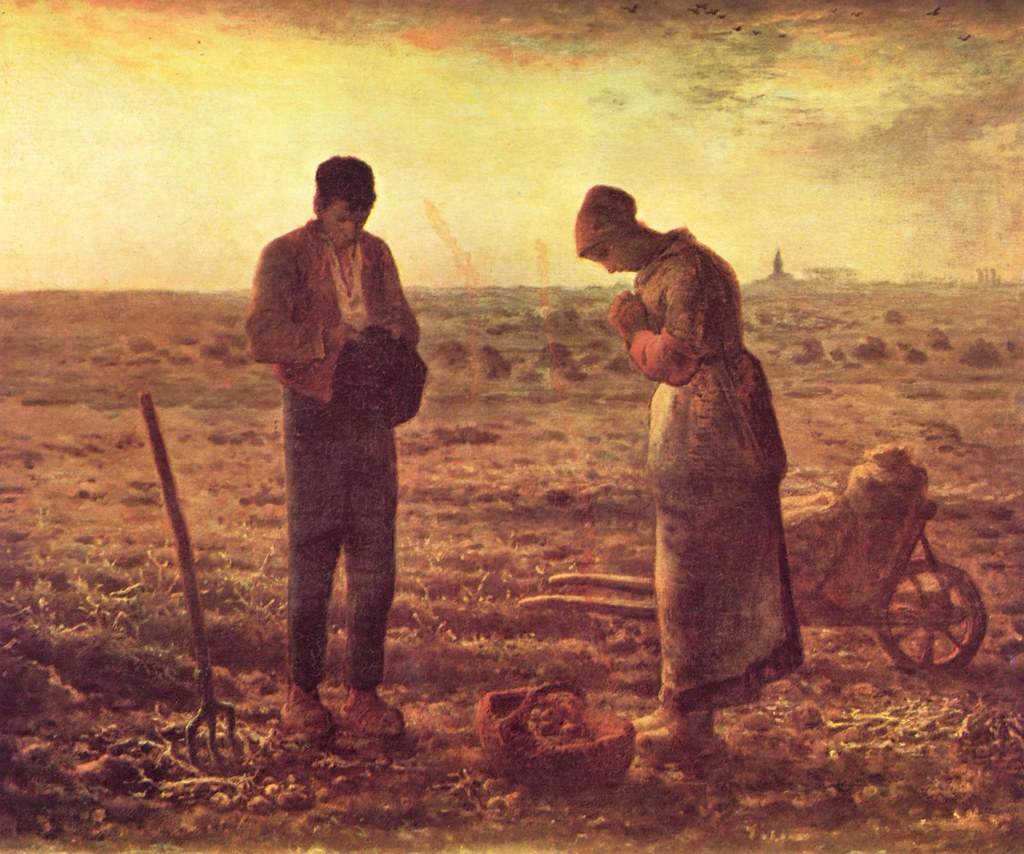
In Spritsail volume 6, number 2 , Jane McLaughlin wrote “In the Louvre a famed Millet painting portrays a man and woman pausing, heads bowed, during their work in the field. The title “The Angelus,” indicates that they are praying in response to the ringing of the bells of the distant church spire.” The Woods Hole Angelus was timed for 7 am, noon and 6 pm
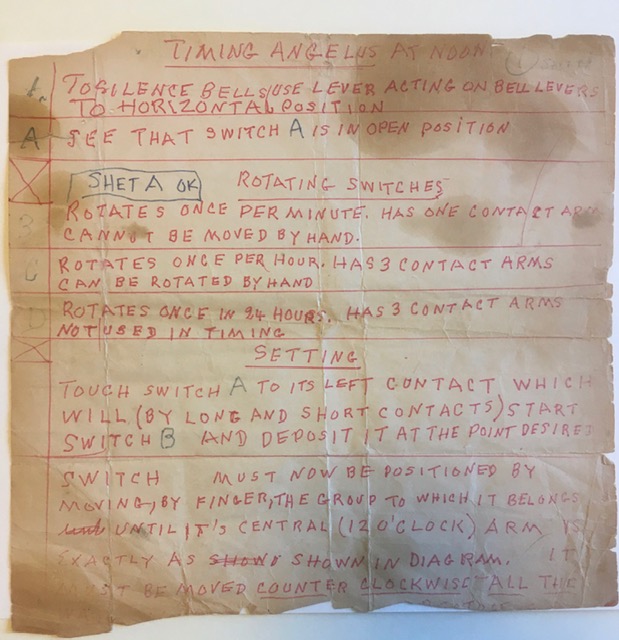
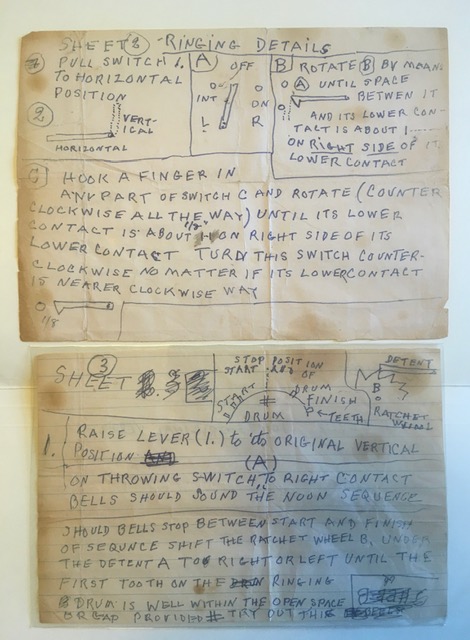
This timer was donated to the museum by neighbor, Dan Clark, in May, 1993. Prior to this invention, the bells were rung using a heavy wire that ran across the street from the rectory. This device (shown below with handwritten instructions) could be operated within the tower itself.   
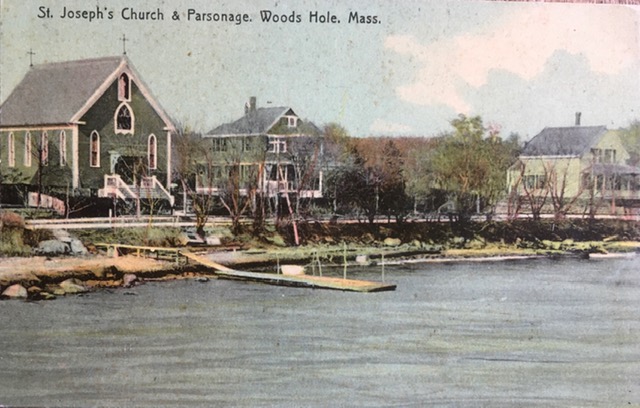
St. Joseph Church, a small wooden shingled building with a Victorian hooded porch, was constructed in 1881-1882 and dedicated on June 26, 1882. It was the fourth Roman Catholic Church on Cape Cod and oldest in Falmouth. The land had been given by Joseph Story Fay, Woods Hole’s first summer resident, an Episcopalian, who owned much of the land in the village and was charitable to many. In 1891, Mr. Fay also donated land on Gifford Street, Falmouth, for a burial ground for Catholics, and in 1913 and 1918, donated two parcels across Millfield Street from the church in appreciation for his Catholic workers.
St. Joseph Church on Millfield Street before construction of the bell tower
The 48 foot stone bell tower was built in 1929 on these parcels and designed by Charles Coolidge (of Coolidge, Shepley, Bulfinch & Abbott), the architect of MBL’s Lillie Building. Frances Crane Lillie, wife of F.R. Lillie, (director of MBL) and a convert to Catholicism, funded the project. 

Its two bells were first rung on Christmas morning 1929 by neighbor Geoffrey Lehy. The tower was dedicated and blessed by Auxiliary Bishop James E. Cassidy of Fall River on July 31, 1930. The stone is West Falmouth pink granite taken from abandoned house foundations.
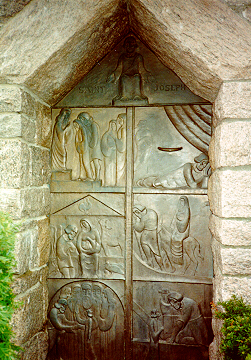
A small chamber in the base of the tower is entered through a bronze door designed and cast in bronze by Alfeo Faggi of New York state which shows six scenes from the life of St. Joseph. 

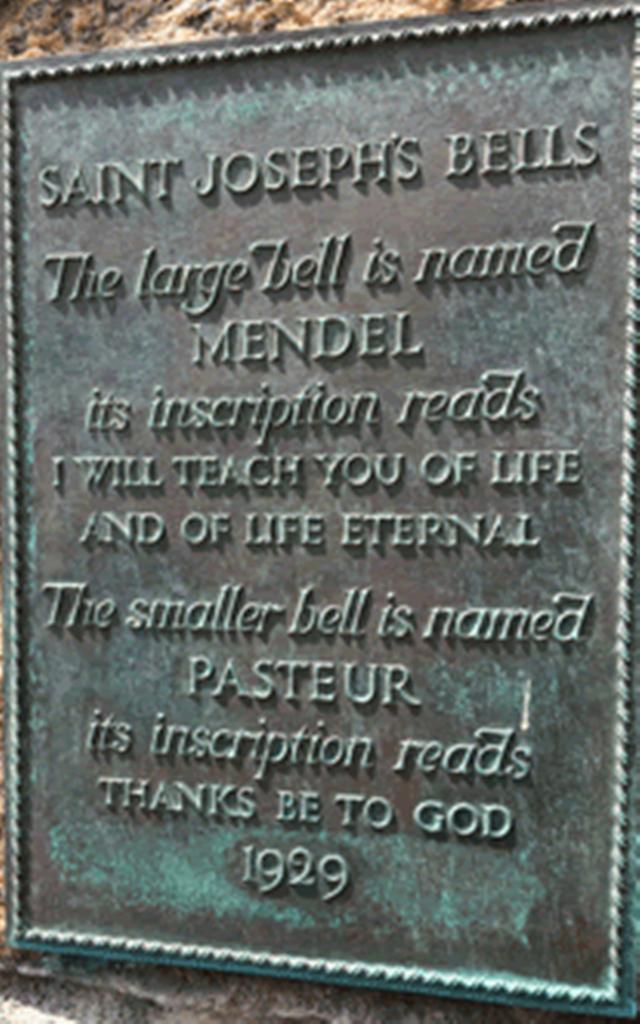
The bells in the tower were named for Gregor Mendel and Louis Pasteur, two well-known Catholic life scientists. Mrs. Lillie hoped that the ringing of the bells would remind Woods Hole scientists of the existence of God and the need for religion and science to work together to understand the mysteries of the universe. 
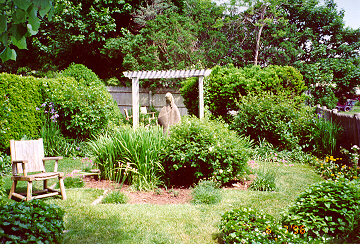
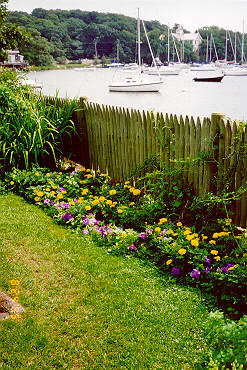
The tower is on grounds that include a cross-shaped Garden of Our Lady with flowers and plants symbolic of or associated with the Virgin Mary. Research into the plants was done by Winifred Jelliffe Emerson of Chicago and the garden designed by Dorothea K. Harrison of Boston. Local horticulturalist Wilfrid Wheeler did the planting in 1932.  This devotional public garden to the Virgin Mary was said to be the first of its kind in North America. A non-profit group was formed in 1951 to encourage cultivation of similar gardens and to search and provided information on plants with names derived from Mary, Our Lady and other religious titles.
The Mary and adjacent Joseph Garden are open year-round to the public.
Miss an issue? See all Weekly Dispatches here
Join our mailing list or become a member
Woods Hole Historical Museum
579 Woods Hole Road (P.O. Box 185)
Woods Hole, MA 02543
Phone: 508-548-7270