|
WORDS FROM THE WOODS
July 2016
|
|
|
|
Dear ,
Welcome, and thanks for reading the July edition of Words from the Woods, newsletter for SUWS of the Carolinas and Phoenix Outdoor. It's no secret that summer is always a busy time at SUWS. We enjoy longer days offset by cool mountain nights. Fireflies provide ambient light during evening discussions. Salamanders entertain us as we cool down in the creeks. Tree frogs sing in unison with the crickets when it is time to sleep. This time of year is magical in the heart of the Pisgah National Forest. We are reminded to take advantage of the opportunities to explore our external surroundings, and take inventory of the internal landscape as well. The practice of mindfulness is a focal point for each of our students, and they receive many layers of support as they work toward graduation from SUWS. In this edition, we highlight the benefits each member of the team brings to the milieu. We hope you enjoy this issue.
|
|
|
|
Consistency, Communication, and Education: Key Components to an Effective Clinical Support Team
|
When Kelly Dunbar, Director of Business Development, joined the team in February, she noted that SUWS is a program of "many layers". One critical layer of the program has recently materialized, and greatly enhances the wilderness experience for staff and students alike; in 2015, SUWS began a campaign to create a clinical support team. One that is comprised of highly qualified individuals and serve as a mentor and coaching staff for the students, as well as a conduit of information from the field staff to therapists. These skilled individuals bring a passion for wilderness therapy, a diverse skill set to serve each niche program track, and the ability to relay information in real-time from our clinical team to the instructors who support our students 24/7.
The clinical support team at its inception was the brain-child of Clinical Director, Daniel Fishburn. Daniel worked closely with teens and families struggling with addiction in the Houston area prior to landing at SUWS, and brings a passion for getting young people excited about recovery to our team. The genesis of the clinical support team at SUWS began with the recognized need for a recovery coach for the boys working in our dual diagnosis, groups focused on recovery. "We needed someone to bridge the gaps between therapists and field staff," Daniel explains. The idea is not to replace the therapists or diminish their role, quite the opposite in fact. The clinical support team is meant to augment the therapeutic interventions deemed appropriate by each therapist, and help the field instructors deliver effective group sessions. We want to process themes and capitalize on realizations that come up within each group more effectively. Due to the nature of wilderness therapy, field instructors work in week long shifts. "That's alot of change," explains former field instructor Dane Cox, "and this can be difficult for students, especially if there have been attachment issues." The therapists and the support team are a consistent face in the milieu. Each group continues to have the expert field guides overseeing day to day group function, but there is one more layer of oversight added with the weekly visits from the specialists.
Our first member of the clinical support team was Recovery Specialist, James Skelton. James was added to the team in March of 2015 to work with the Phoenix groups. His presence proved to be a valuable asset, as the students found him easy to talk to, and expanded the concept of living a happy healthy life without using. James incorporated daily meditations, and mindfulness training as a key piece to his morning routine for the boys. He also facilitates recovery meetings in the groups in order to expose them to the 12-step model thus ensuring access to a positive peer group almost anywhere in the world, post-graduation. In addition, each student in Phoenix has the option to join James for a 12 step meeting in town two nights prior to graduation. "It's amazing to see these guys look around the room and finally get the fact that they are not alone and there are people in the real world living their lives and having fun." The benefits of having a member of the clinical team with the group five days a week in addition to the two day sessions with therapists were evident, and soon the notion was passed to bring added support to every group at SUWS.
Cameron Allen, qEEG specialist, was already working with the Phoenix groups to deliver neuro-psychological education during their regular visits to base camp every other week. Cameron's expertise in neuro-psychological evaluation is vast, and his work has been documented in the Journal for Post Graduate Medicine. His process consists of a pre-treatment and post-treatment qEEG brain scan, as well as ongoing bio feedback sessions where we can actually show students the neuro pathways that have been opened during the course of treatment. "We are using neuro science to increase students self-awareness, to understand their behaviors and give them language that allow them to access their behaviors and understand how their brains are contributing to these behaviors. And this is not to point out or show that there is something wrong with them, but rather to show them that that these behaviors are adaptive." states Allen. By highlighting some of the dominant behaviors we can help students critique whether or not their behaviors are moving towards their values in a sustainable way, or just a short term reaction. We expand upon the neuro-feedback to include some mindfulness exercises where students can visually evaluate their emotional responses through bio feedback. "Allowing them to see how they can calm themselves down and communicate their emotions is far more important," states Allen. Cameron's duties expanded to working with our female adolescent groups when he came on board full time in June but any student has the availability to participate in the qEEG readings as part of their program.
Sara Baicich, experiential support specialist, was already working with SUWS in the capacity of a Logistics Coordinator when she made the transition to her current role. Sara is a Board certified Art Therapist, and works primarily with the boys and girls groups in the SUWS program. Sara holds weekly group sessions that include art therapy work, but she explains most of her work is based in mindfulness education. She states many students have the perception that they are bad listeners or bad at trying to concentrate so therefore they are going to be bad at mindfulness exercises. Sara shared that she gets great pleasure in helping students de-mystify what mindfulness is, and that anyone can quiet the mind long enough to take inventory of what is going on around them, and how that is affecting them internally. Helping students navigate social pressures of being a teenager is always a big piece to address when working with adolescents. Sara has implemented several unique activities to help her students understand the healthy formation of friendships and the appropriate use of social media. Sara's office is filled with beautiful pieces of art work from her students, and words of encouragement from one student to the next are displayed in many pieces around the room. She states she knows her work is having an impact because her students are excited to see her and tell her what they have been successful with since their last session.
Dane Cox, is the behavioral support specialist for the Approach and Seasons groups. The students in Approach are often diagnosed with Autism Spectrum Disorder, thus social skills are a focal point for his students in this group. Dane works predominantly with the instructors to help process the social and relational components so students can come out of the wilderness experience feeling successful connections and understand that they have tools to engage rather than isolate. With Seasons, the middle school age group, Dane works with the students primarily through games and group activities in order to help them gain the ability to identify their emotions and express them in ways that others can receive them. Many seasons students express that they have a wide array of emotions but are unsure of how to deal with them. Dane explains that consistency is one of the major strengths he and his team bring to the table, and students begin to develop relationships with all the members of the treatment team, but the consistency helps the structure of the program for each student. Equally important, there is a constant flow of feedback between the specialists and the therapists with what's going on in each group. Dane meets with each therapist at least two times a week to brainstorm outcomes for each student. While Seasons students may respond better to hands on activities, the students in the Approach program are in a great place to participate in psycho-educational groups about the structure of conversation, breaking things down to basic levels to help them understand the nuances of what makes a positive conversation. In addition, Dane is engaging the students in groups about bullying and teasing, with an emphasis on the dynamics of electronic communication.
|
|
|
|
|
|
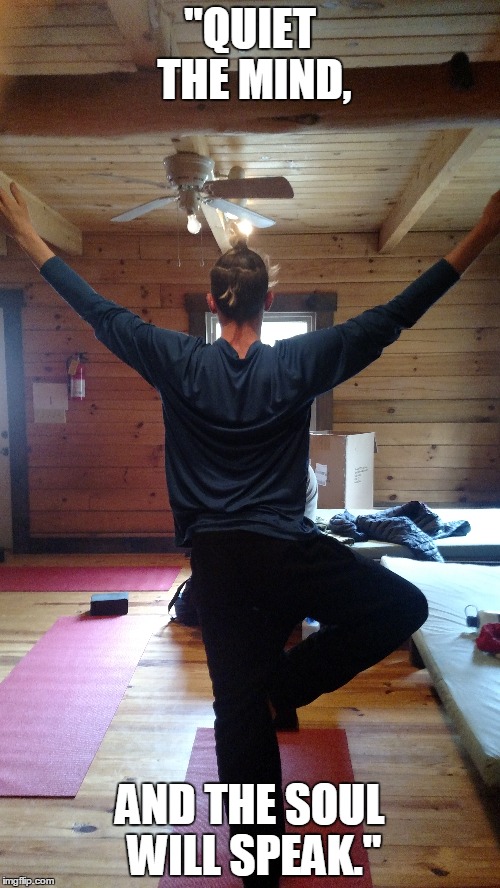
| A Phoenix Student practices yoga during his morning meditation. |
|
|
|
|
The curriculum of mindfulness training, yoga, art therapy sessions, recovery coaching, neuro-feedback, and 12 step meetings conducted by the clinical support team are all wonderful additions to the SUWS programming, but the positives don't stop there. The added benefits of a continuous feedback loop between what is going on in the field and the therapist working with the families has proven to be an invaluable asset. The consistency for the kids in a treatment milieu where weekly staff exchange takes place, helps create a more stable and predictable environment. Sara Baicich explains, "There are more opportunities for the light bulb to switch on because we are able to interact in ways that we were not able to before, we don't know what's going to turn it on for each student, but we have more opportunities to engage them." Perhaps one of the most important facets of the clinical support team is that students have one more person to contact after the program if they feel the need to reconnect; a familiar face that walked with them from start to finish of their journey.
|
| Meet the Clinical Suport Team: |
|
Cameron Allen
Neuro-feedback Specialist
With 10 years of experience in the study of neuroimaging and the practice of neurofeedback, Cameron Allen has worked as both a research assistant and lead researcher in several studies evaluating brain-based interventions for addictions. His work has been published in the Journal of Post Graduate Medicine and other trade journals. Currently, Cameron is a neurofeedback and qEEG specialist with a private practice in Asheville NC. Cameron also works with SUWS of the Carolinas Phoenix Program in Old Fort, NC providing neuroimaging and neuro-cognitive interventions for adolescents in the substance abuse population. Cameron is passionate about integrating his interest in neuropsychology with brain based interventions and mindfulness to help individuals better understand their motivations, behavior, and capacity for self efficacy.
|
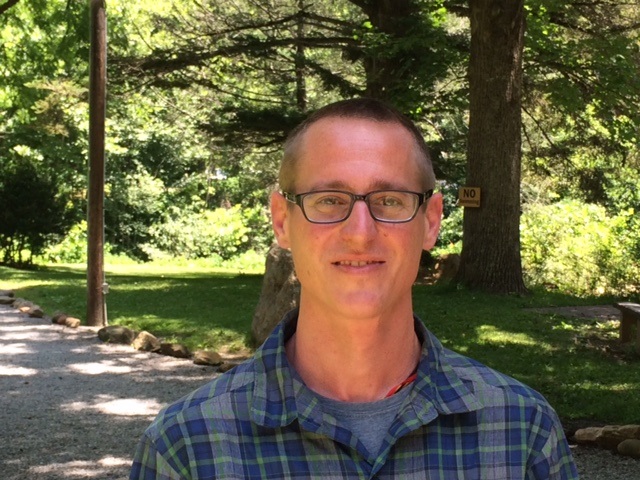
James Skelton, LCDC
Phoenix Program Recovery Support Specialist
James' interest in helping others through their struggles with addiction started by taking a summer job in a residential treatment center, while he was waiting for an electrician's apprenticeship program to begin. He quickly realized that counseling others and seeing people grow was far more interesting to him than avoiding being shocked by electrical lines!
Once the summer job ended, he re-enrolled in the Lone Star College System in Houston, Texas, and began working towards becoming a substance abuse counselor there. James obtained an Associates of Applied Science with a focus on Human Services, a certificate in Chemical Dependency Counseling with Distinction, and a certificate in Human Services. He is a fully-licensed Chemical Dependency Counselor in Texas, where he has worked the last 4 years in an outpatient setting with teens and their families who have struggled with substance abuse. While there, he began to infuse the 12-step program on wilderness trips and other activities. From his first wilderness experience, James knew that wilderness therapy was his calling. He believes in the transformative power of a natural environment.
As the SUWS Recovery Support Specialist, James brings his experience in helping teens and parents engage in a 12 Step program to recover from addictive behaviors and codependency issues. He is described as enthusiastic, humorous and insightful. He believes that all people are capable of healing and growth. In his spare time he enjoys hiking, mountain biking, snuggling with his puppy, Maya, and he can be considered a connoisseur of fine coffees.
|
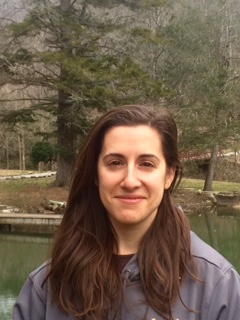
Sara Baicich, MA, ATR-BCExperiential Support Specialist
S
ara's drive to work in healing and helping professions stems from a family question her grandmother always used to ask, "But, is it good for society?" Sara's upbringing emphasized the responsibility we all have in creating goodness in the world around us. This, as well as a passion for art, directed Sara to Philadelphia where she completed a Masters in Art Therapy at Drexel University. Here she learned the therapeutic and illuminating capacity in art making. After graduation, she worked at multiple inpatient psychiatry facilities in the Philly area, honing her skills in group facilitation by providing talk therapy, art therapy, psychoeducation, and recreation groups. Sara is now a Registered, Nationally Board Certified Art Therapist.
As she spent numerous years working in the hospital setting, Sara felt disconcerted by the separation her patients had from nature. They were often unable to ever go outside, and Sara felt there had to be a link between their separation from nature and the challenges her patients felt in healing and finding growth and progress in the hospital.
In 2014, Sara took a job as a field instructor here at SUWS, knowing that the best way to learn how nature is used in the process of healing was in the field and "on the ground" as an instructor. After a year in the field, she became a Logistics Coordinator, supporting the SUWS students and staff from behind the scenes.
Now, as Experiential Specialist, Sara supports groups Luna and Bravo through group facilitation and program enhancements, emphasizing 12-step recovery, mindfulness, art activities, art therapy, psychoeducation, yoga, and lots of fun. She loves that she gets to return to the wilderness and support the students, providing more avenues for them to create their own path towards healing and growth.
Sara is originally from Maryland, near Washington DC, and lived in Philadelphia for six years. She moved to Asheville when she joined SUWS. If she's not on her porch ready a book, then she's probably sitting by a waterfall sipping tea and enjoying the birds. In her spare time Sara enjoys hiking, drawing, painting, weaving, yoga, and dancing. She loves to travel and prides herself on needing extra pages in her passport because she ran out of room for more stamps.
|
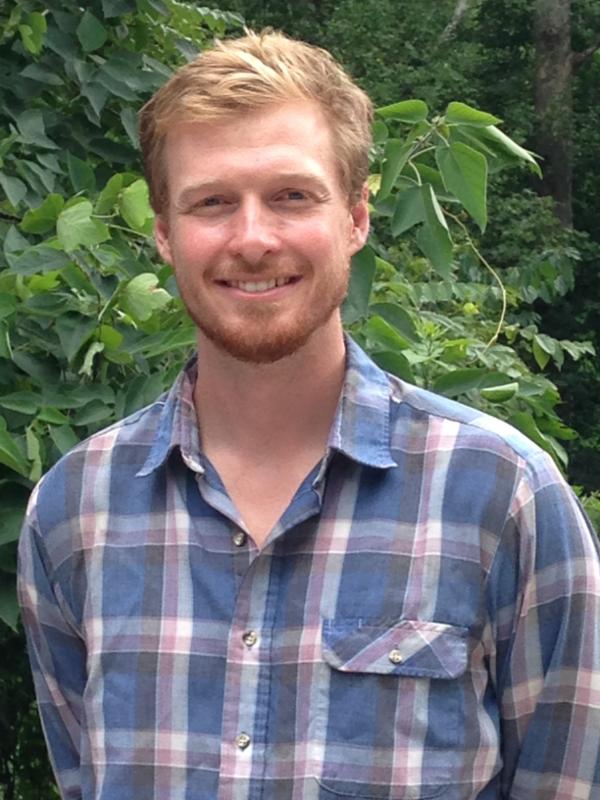
Dane Cox, BS
behavioral Support Specialist for Approach and Seasons:
"Things just make sense out here" a student once told Dane late last year. The comment echoed in Dane's mind when he realized that, he too, thought the same thing. Finding his passion in school for the outdoors while studying mechanical engineering, he often escaped on the weekends to climb and kayak with the local outing group. "The stillness, time for reflection, and the fostered group experiences in the wilderness are some of the most precious moments of my life." The path that led Dane to SUWS of the Carolinas as our Behavior Specialist is one that has been marked by adventure and realization of the change and wonder that wilderness can bring.
Dane got his start working with youth at an outdoor education camp in southern Wisconsin, serving Chicago's inner city youth. He used his background in engineering and science to teach students about local ecology, alternative energy sources, and the processes of the natural world.
Though wilderness therapy was still a far off experience, he noticed how the woods had a calming and uplifting effect on the students-some of them, having come from rough and tumultuous childhoods were able to cast off some of those shadows, and become playful and curious again.
Graduating with a degree in Engineering and English from Purdue University, Dane worked in the chemical manufacturing and defense contracting industries for a few years before he realized that, he too, needed to become playful and curious again. That's when he started work as a raft guide, ski instructor, and eventually a teacher and program coordinator at an outdoor education school before he discovered SUWS of the Carolinas. While at SUWS, he worked as an instructor in the Approach and Seasons program for over a year, and now acts as the Behavior Specialist serving those populations. More than just a backdrop, the Pisgah National Forest serves as a catalyst for growth as Dane teaches mindfulness, social and relationship skills, and emotional awareness to kids with ASD, ADHD, behavioral disorders, and social deficits, etc. His tireless patience, optimism for growth, ability to seize teachable moments, and persistence to see the fun in all things allows him to affectively work with our youth (10-13) population and our Approach (i.e. ASD, ADHD, screen addiction) clients.
|
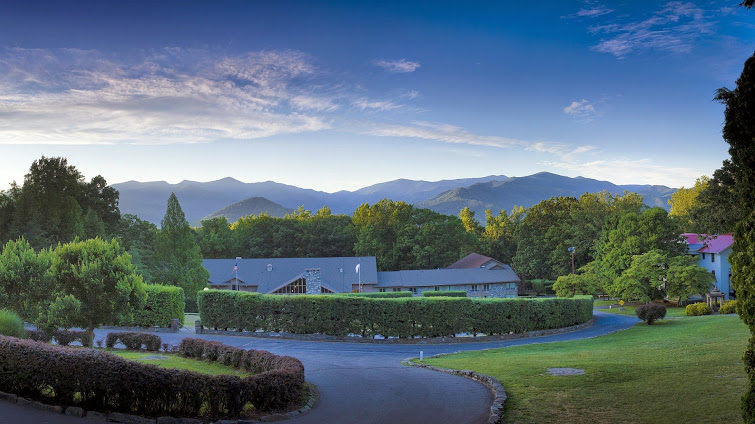
Expanding Recovery for Young People Conference and Wellness Retreat
Join us for three days of education, self-care and personal growth, as we explore the ever-expanding options for young people in recovery. Noah Levine, author of Refuge Recovery and founder of Against the Stream Buddhist Meditation Society, is the featured keynote speaker.
Expanding Recovery for Young People also features:
- Interventionist, Heather Hayes Davidson, M.Ed., LPC, CIP (GA)
- Brené Brown's, The Daring Way, with Ana Moreno, MS, LMHC, CAP, CIP, ICADC, CDWF (FL)
- Dr. Anette Edens, Cornerstone Recovery (TX)
- Samantha Randall, University of Colorado (CO)
- Jackie S. Williams, Ed.D., BSN, Montford Hall (NC)
Experience daily yoga and meditation, biofeedback stations, nature hikes, speaker panels and much more.
10.5 Clock hours provided for
full conference p
articipation.
SUWS of the Carolinas is a
n NBCC-Approved Con
ti
nuing Education Provider (ACEP) and may offer NBCC-approved clock hours for events that meet NBCC requirements. The ACEP solely is responsible for all apects of the program. ACE Provider #6617
Registration Information
$250 for single room occupancy (inlcudes lodging and meals)
$160 for double room occupancy (inlcudes lodging and meals) Attendees must submit the name of the second guest to dball@suwscarolinas.com
$100 for commuters (inlcudes meals)
Payment must be received by August 12th to guarantee availability.
|
|
|
|
SUWS of the Carolinas is a therapeutic wilderness program in Old Fort, NC. It is an integrated strengths based program that addresses the biological, psychological and social needs of adolescents with mental health, substance abuse and behavioral challenges.
Learn More
|
|
|
|