|
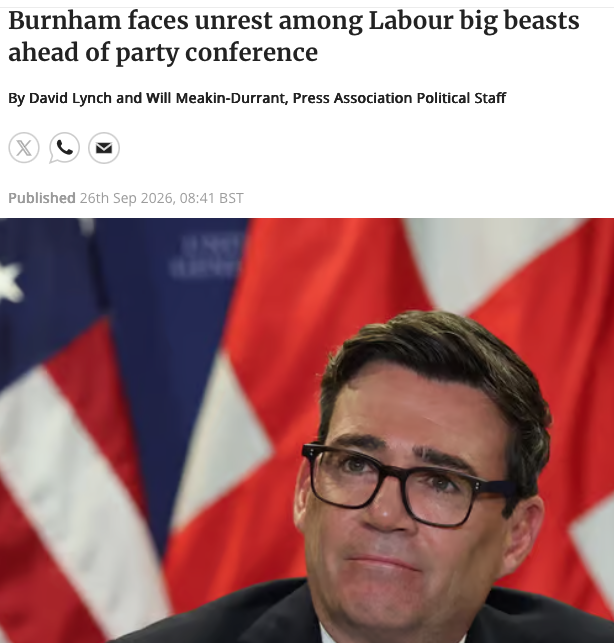
Andy Burnham is talking about social care, again.
Therefore... so am I.
His BBC interview on Sunday returned to one of the great unresolved problems of public policy. He says...
... he is determined to fix social care, warns that failure will ultimately overwhelm the NHS and, importantly, acknowledges there isn't yet a complete, detailed plan.
He's right about that.
He is thinking; ‘National Care Service’.
I'm far from sure he's right about that.
Politicians love shiny new things.
New organisations.
New structures.
New acronyms.
New headquarters…
… a launch, a logo and, preferably, something that can be called a National Something-or-Other.
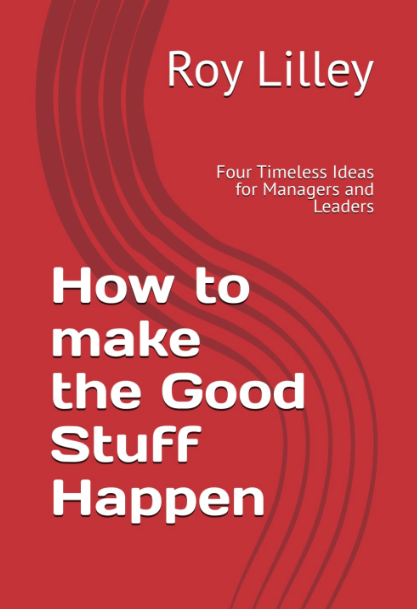
It reminded me of guru, Rosabeth Moss Kanter. A fabulous brain-box! I chaired part of her tour of England in the 1990s and had forgotten one of her most useful warnings…
‘… beware of the seduction of the next new thing’
Every managerial generation, and politician, sets off enthusiastically in search of innovation, too often overlooking the difficult business of making what already exists actually work.
Peter Drucker approached the problem from the other end.
His discipline of systematic-abandonment asked managers to challenge what they were already doing;
‘… knowing what we know now, would we still do it this way?'
Put Kanter and Drucker together and there is a pretty good test for Louise Casey…
...embarking on what I’m afraid to say is a largely performative ‘listening tour’ of England.
We already know what's what, and what’s not.
Before inventing something new, have a proper look at what we've already got, because social care may be a classic case of reaching for the shiny new thing when most of the pieces we need are already lying on the table...
We need to assemble them properly.
We don't need the panoply of a new National Care Service organisation.
-
No headquarters.
-
No regional structures.
-
No new chief executives, boards, committees and organograms.
-
No expensive transition programme, and…
…no waiting three years while thousands of people work out who reports to whom.
We need something much simpler.
Call it a Community Care Alliance, run by regions, or ICBs is the survive.
Give it one purpose…
Keep people independent at home whenever possible and get them home quickly when they've been in hospital.
Most of what it needs already exists.
Councils already commission social care.
NHS provides community nursing, rehabilitation, intermediate care and therapy.
Primary care is there. Pharmacy is there. The voluntary sector is there. Domiciliary-care providers are there... the legal mechanisms for pooling NHS and council money are there, and …
… the Better Care Fund already puts more than £9bn through the financial plumbing between health and local government, so…
… don’t build another machine, Andy! Make this one work.
Turn the Better Care Fund into the operating budget of the Community Care Aliance.
Give the NHS and councils much greater freedom to buy whatever removes friction from the patient's journey;
- A care package.
- Physiotherapy.
- Reablement.
- Night sitting.
- Respite.
- Transport.
- Rapid-response nursing.
- A ramp.
- A grab rail.
Don't ask which organisation's budget should pay.
Do ask what keeps the person safely at home.
Fund the solution, not the organisation, Andy!
Then, deal with the two big financial uncertainties.
For catastrophic care costs, we've already done the thinking...
Dilnot...
Update the figures, agree the cap and implement it... the legislation exists...
Section 166 of the Health and Care Act 2022 directly amended Section 15 of the Care Act 2014 (which originally introduced the concept of a lifetime cap under the Cameron-Clegg coalition was never commenced).
For ordinary care at home, a sustainable source of revenue is obvious...
... pension reform.
Maintain protection against inflation and earnings while examining whether some future growth in pension expenditure could provide older people with something arguably just as valuable…
… greater protection against the costs of needing care.
The principle isn't complicated.
Then there is the workforce.
Better pay. Better training. Proper career progression. More stable providers... already underway.
Again, nothing mysterious.
None of this fixes social care overnight, but…
… that’s the point... it doesn't depend on magical thinking. Nor does it depend on the enormous disruption and overhead of constructing a new national organisation.
A Community Care Alliance could be established within six months because we wouldn't be creating the components. We'd be connecting them.
That is a management job, and the job of politicians to bulldoze the barriers…
-
Remove the friction.
-
Pool the money.
-
Protect people against catastrophic costs.
-
Properly fund care at home.
-
Build the workforce, and…
… let local people get on with it.
Perhaps Burnham's biggest contribution would be to resist the temptation that Kanter warned about.
Don't give ministers another shiny new thing.
Give them something rather more useful...
... something that works.
|