|
Dear UN-REDD,
In this issue coinciding with the World Emissions Day, we tackle the urgent emissions challenge, raising awareness on the harm caused by carbon emissions. Meeting the Paris Agreement goals of 1.5°C by 2030 will require emissions to fall by 45 per cent. For well below 2°C, emissions must fall by 30 per cent, which will not be possible without forests. Forests can contribute up to 4 gigatonnes emissions reductions, particularly from tropical rainforests like the Amazon.
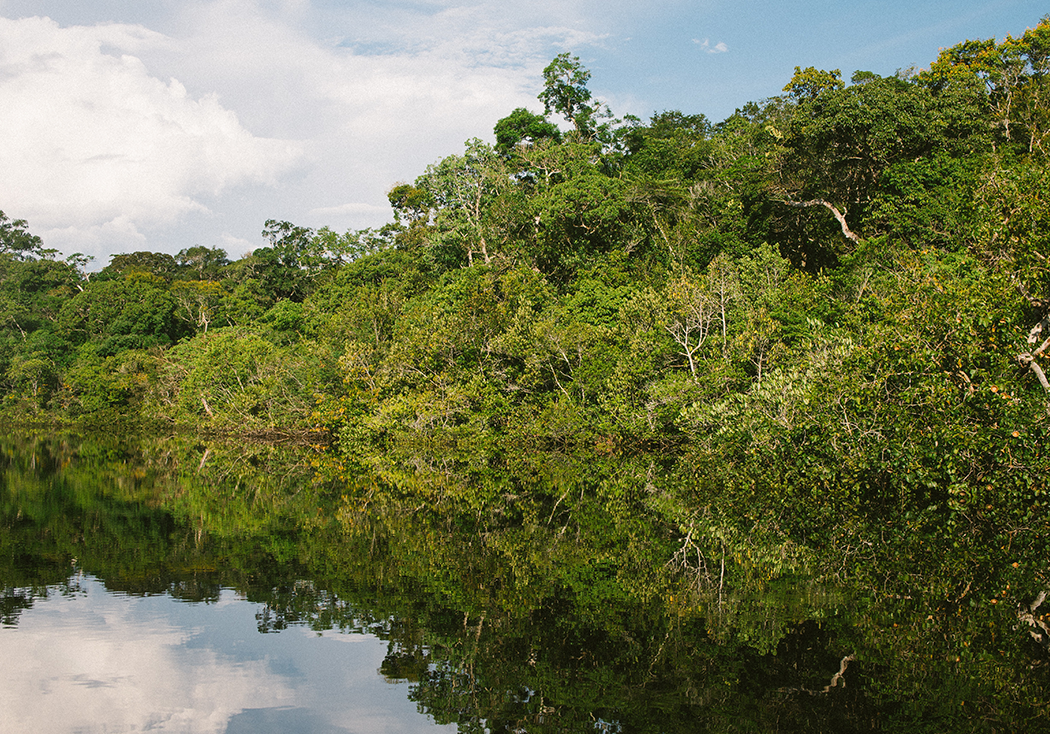
This edition closely follows the Amazon summit – a pivotal event in safeguarding the critical ecosystem. Our headline story delves into the summit's outcomes and how they could ignite greater climate action and ambition in the region and beyond.
You'll also find expert insights emphasizing the importance of safeguards, the participation of women in monitoring and carbon markets, sustainable financial flows, and the role of high-integrity carbon markets in bridging the finance and emissions gap. We also highlight Chile's efforts in forest protection, which is a case story for reducing emissions while maintaining integrity. Lastly, be inspired by the dedication of a Ghanaian forest ranger in the cause of preserving our precious forests.
| |
|
IN THIS ISSUE
STORIES
OTHER STORIES
VIDEOS
| |
|
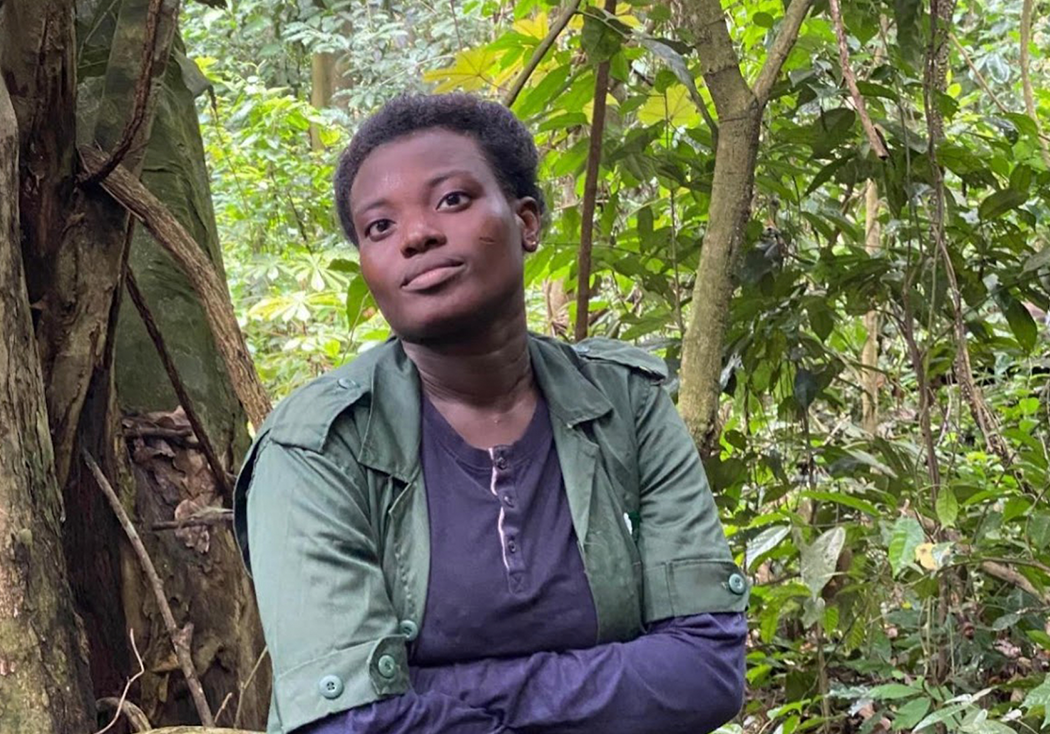
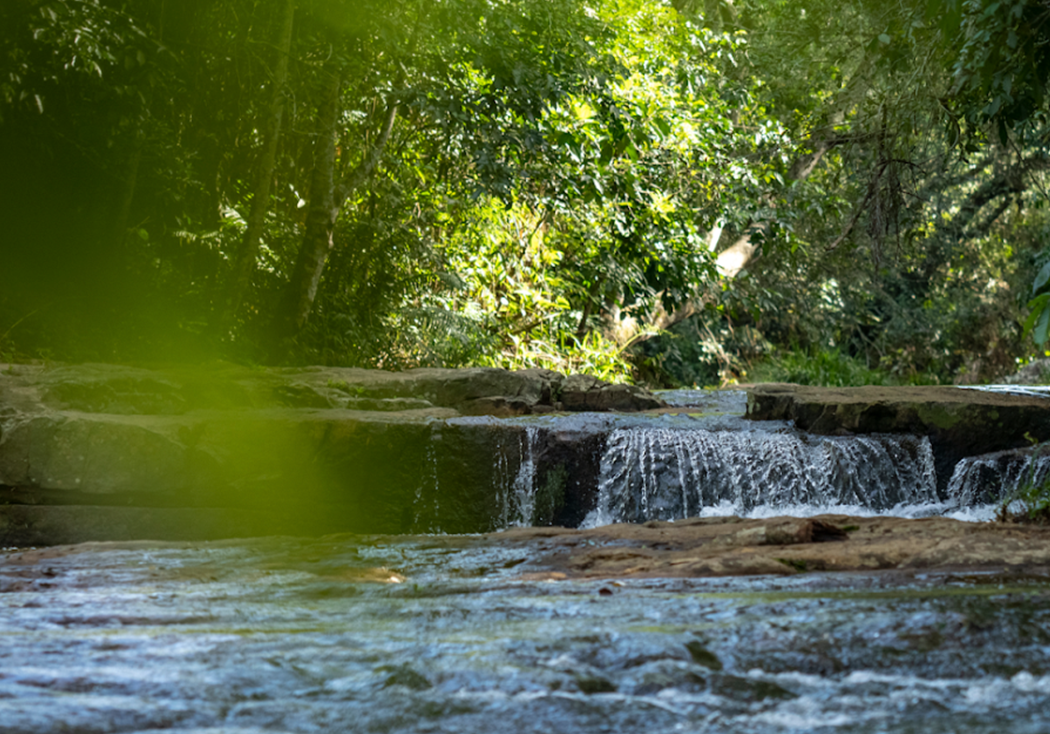
Guarding Ghana's green legacy: Lizzie Bekoe's stewardship of Apedwa Forest Reserve
In the eastern region of Ghana, a nation teeming with vibrant and robust ecosystems, sits the Apedwa Forest Reserve. This small 4 km2 expanse of wilderness serves as the heart of biodiversity in the region. At the helm of managing this critical reserve, ensuring its flourishing and safeguarding its inhabitants, is a remarkably passionate woman, Lizzie Bekoe.
Read more
| |
|
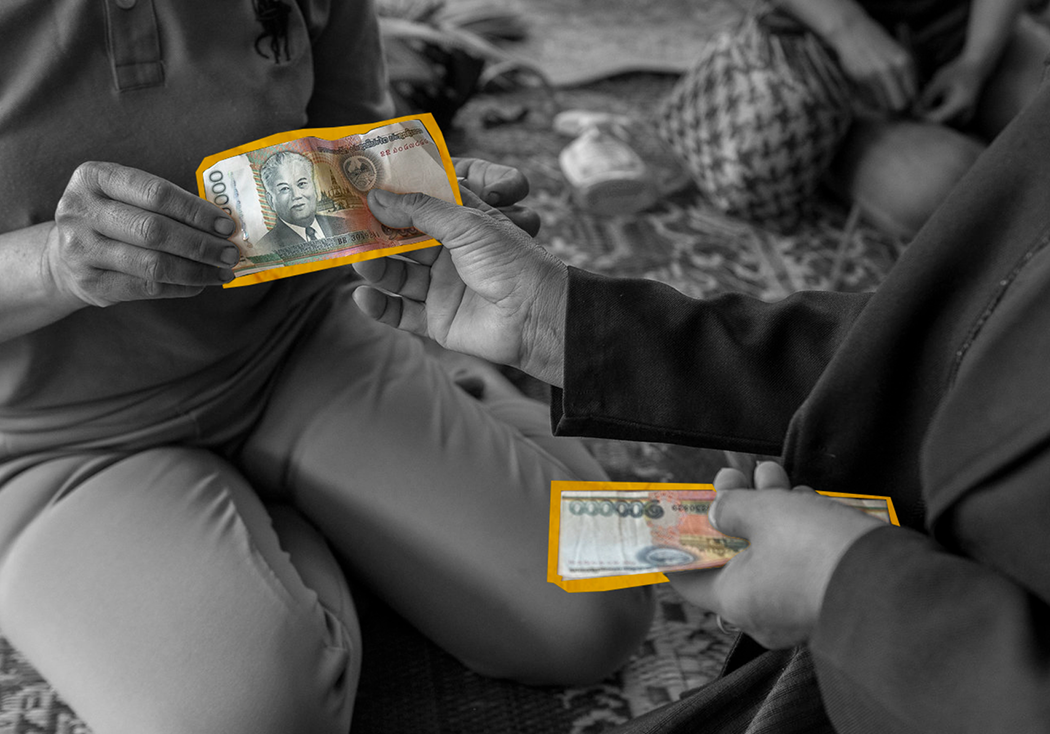
Timber and Rubber Finance in the Lower Mekong Region
The pulp and paper, timber and rubber companies in the Lower Mekong Region face a pervasive risk of involvement in deforestation, human rights violations and other unsustainable practices in their operations and supply chains. To mitigate this risk, companies and the financial sector must be aware of the harm associated with financing activities that negatively impact natural capital and recognize the benefits of preventing such destruction.
Read more
| |
|
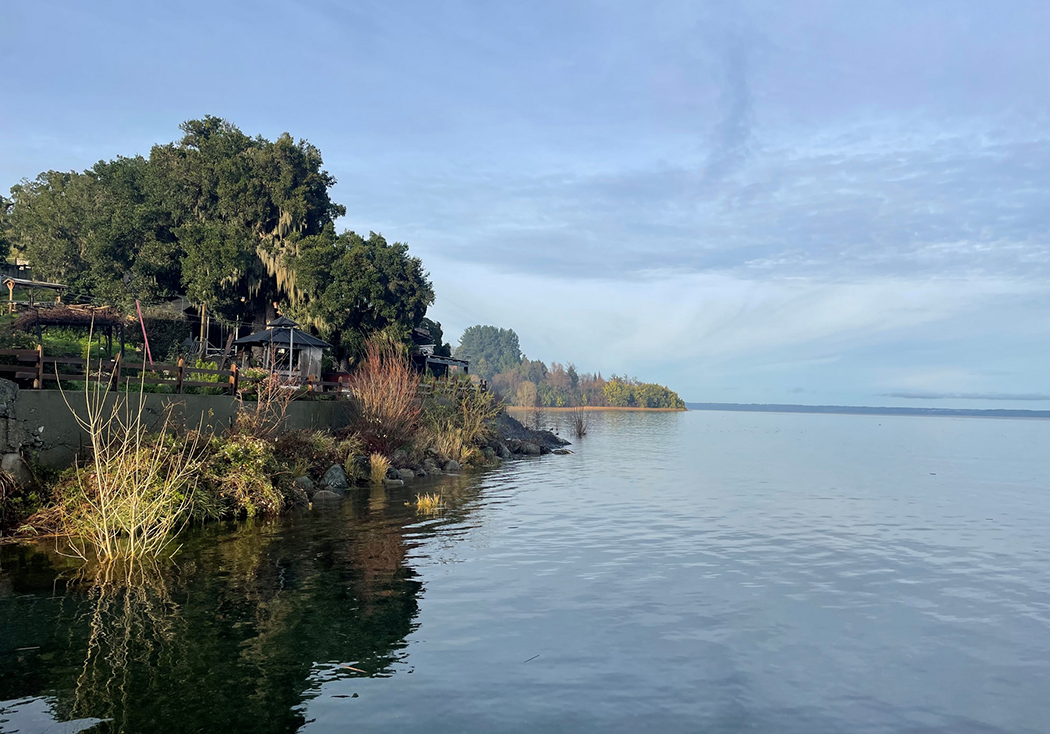
Lessons from a REDD+ pioneer country: Chile’s strategy, benefit sharing and forest finance under the Paris Agreement
Chile continues advancing and remains a front-runner on climate action and ambition. However, predictable, sustainable climate finance to ensure long-term effectiveness for the implementation of REDD+ actions is still a challenge for Chile and other countries. Chile is striving to overcome this challenge by accomplishing various recent steps.
Read more
| |
|
Regional Exchange on Safeguards and Integrity in LAC
As part of UN-REDD Programme support in the Latin America and the Caribbean (LAC) region, a series of Regional Exchanges on REDD+ Safeguards and Integrity was held in 2023. This was a space for staff and experts working on the design, implementation and monitoring of REDD+ safeguards in the region.
Read more
| |
|
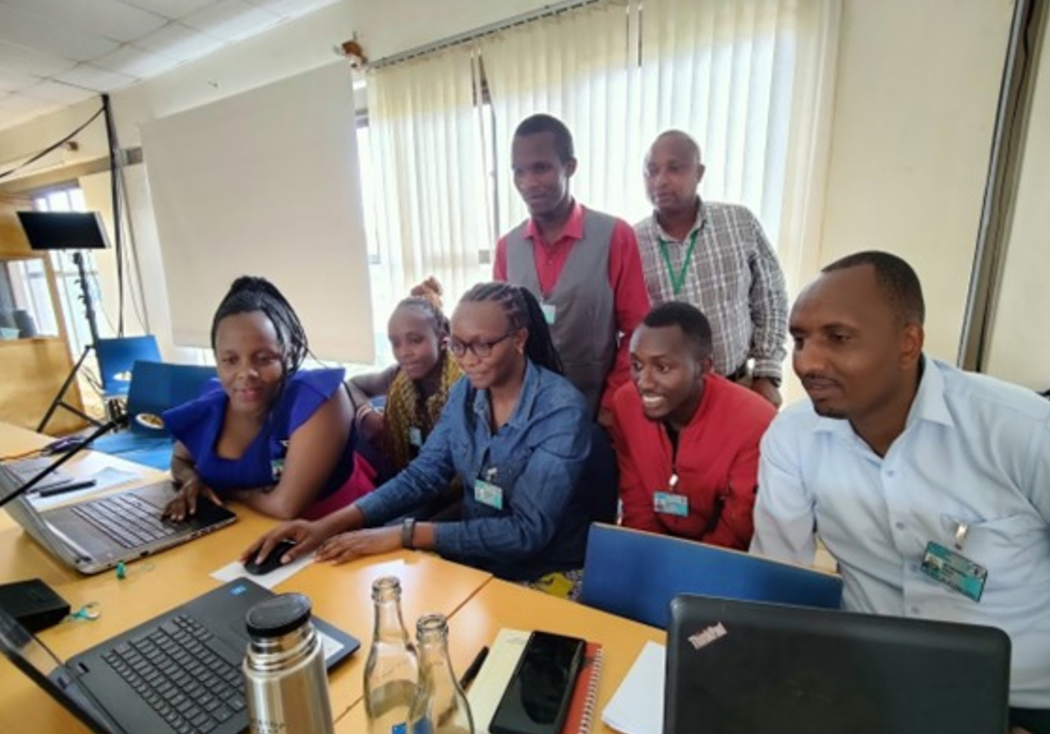
Improving women’s access to forest monitoring
Capacity development activities in forest monitoring, including face-to-face workshops and online courses, can serve as important tools for increasing awareness on gender. However, women and other underrepresented groups, including youth, Indigenous peoples and people with disabilities, face significant barriers to accessing opportunities to participate in training and other capacity development initiatives, particularly in the forest sector.
Read more
| |
|
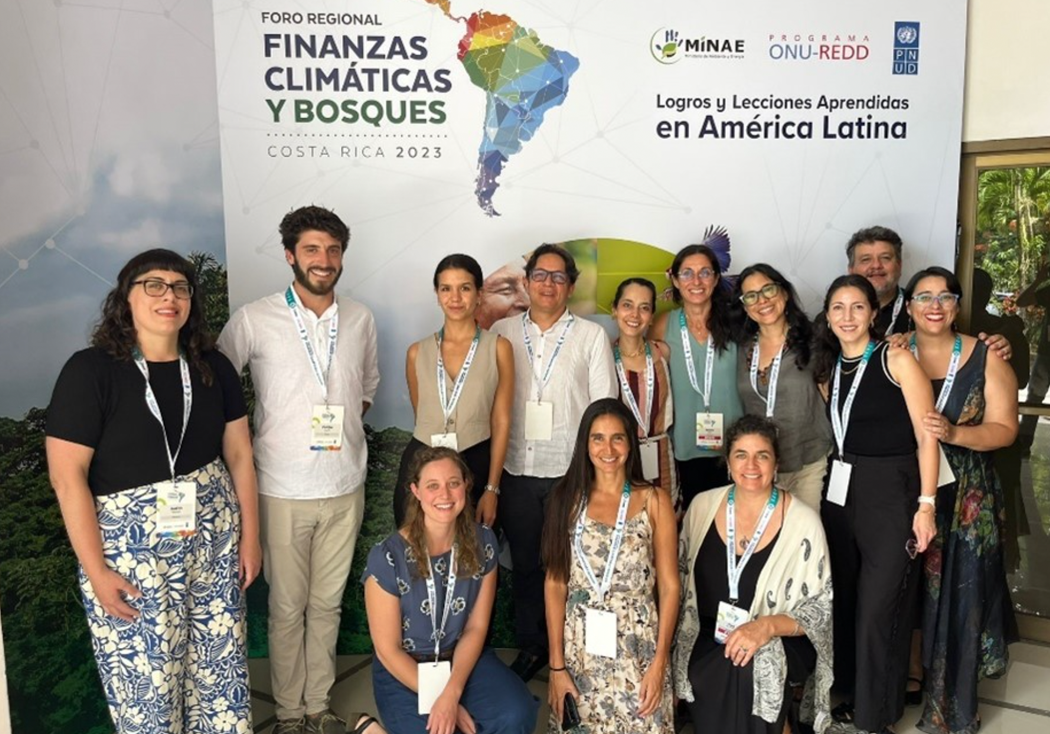
Regional Forum on Climate Finance for Forests held in Costa Rica
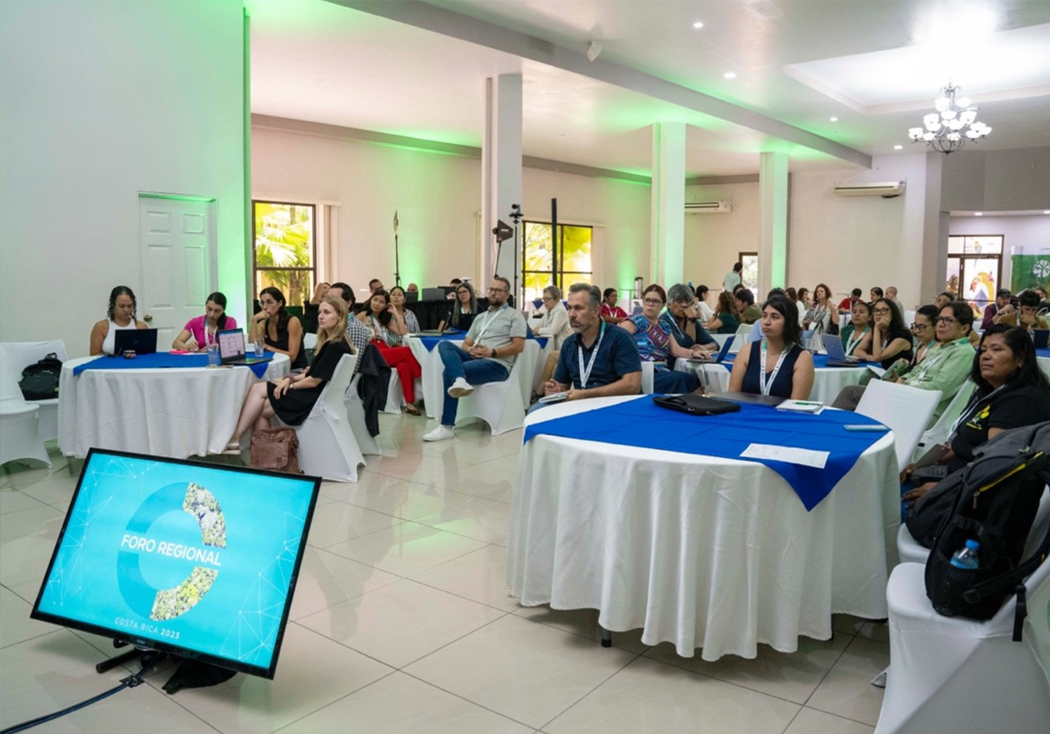
From August 29 to September 1, 2023, the UN-REDD Programme, in collaboration with the Government of Costa Rica, through the Ministry of Environment and Energy (MINAE), the National Forest Finance Fund (FONAFIFO) and the United Nations Development Programme (UNDP) Costa Rica, supported the Regional Forum on Climate Finance and Forests: Achievements and Lessons Learned in Latin America.
Read more
| |
|
Exploring carbon markets: Perspectives from Costa Rica’s Climate and Forest Finance Forum
Costa Rica recently hosted a Climate and Forest Finance Forum with support from the UN-REDD Programme. The forum covered a broad agenda, including country experiences with Results-based Payments for REDD+, climate finance opportunities, debt for nature swaps and jurisdictional REDD+. The forum also highlighted a key game changer in the forest-climate finance toolkit and the star of the show: carbon markets. Here's an overview of the Forum’s session on Carbon Markets led by UNEP, with the support of FAO.
Read more
| |
|
Listening to women’s voices: UN-REDD efforts to integrate women’s perspectives into the Voluntary Carbon Market
As recent research and global policy dialogues suggest, the carbon market landscape uses varying degrees of social and environmental safeguards, with gender often the least regarded aspect, sometimes completely absent. While it is now recognized that integrating gender and ensuring women’s representation in climate projects and policies can lead to more efficient use of resources, lower emissions and more sustainable outcomes.
Read more
| |
|
Exploring the interplay of food and forests: Insights from the UN Food Systems Summit
In July, 2023, the UN Food Systems Summit +2 Stocktaking Moment (UNFSS+2) emerged as a pivotal assembly held in Rome at FAO headquarters.
With over 20 heads of state, 125 ministers, various stakeholders and 3,000 virtual participants, this biennial event, mandated by the UN Secretary-General, served as a global stocktaking aimed at reviewing the progress made in implementing the outcomes of the 2021 UN Food Systems Summit.
Read more
| |
|
The value of preserving tropical peatlands
Tropical peatlands are unique ecosystems found in several regions across the world, including in major tropical river basins in Southeast Asia, the Congo and the Amazon. They are also found in tropical highlands in New Guinea, in the Andes and in the Nile basin.
Read more
| |
| |
|
|
CONNECT
Stay connected with the UN-REDD Programme
|
|
|
This resource is made possible through support from Denmark, Japan, Luxembourg, Norway, Spain, Switzerland and the European Union.
Content provided by UN-REDD Programme staff, partner countries and guests.
All images used courtesy of license holder or through Creative Commons license.
| | | | |