|
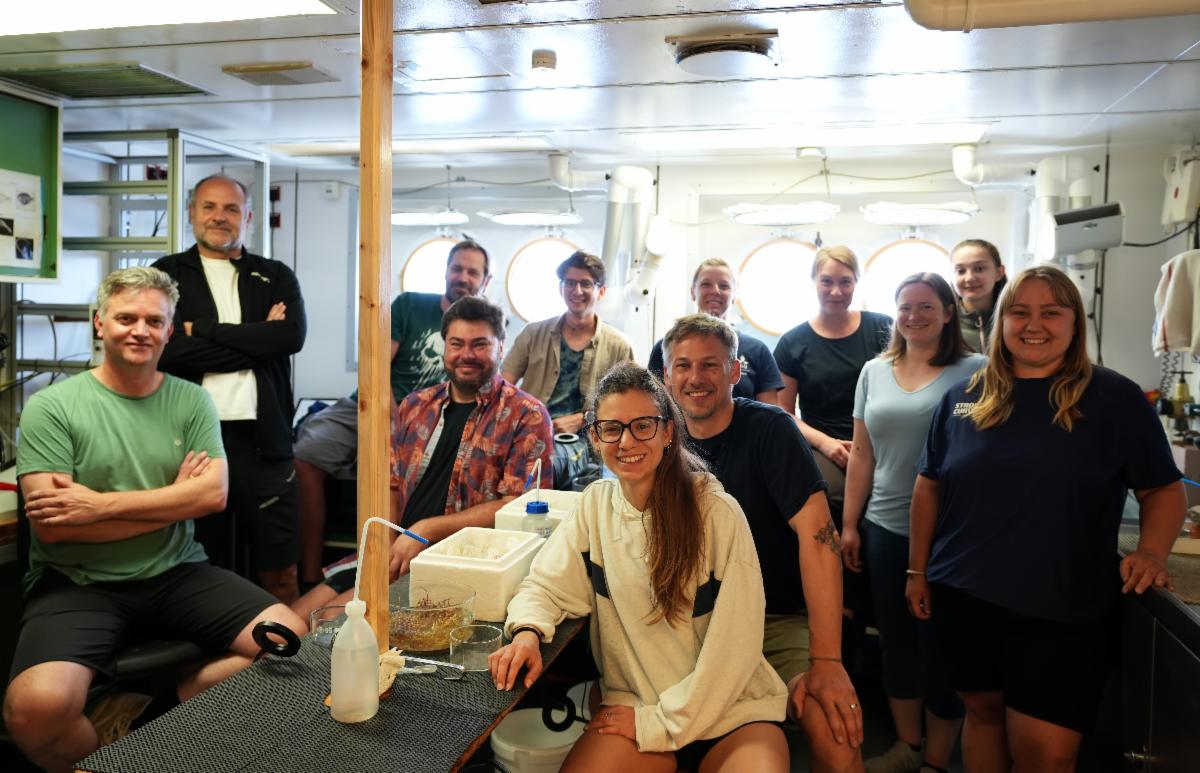
A German-led international team of marine scientists
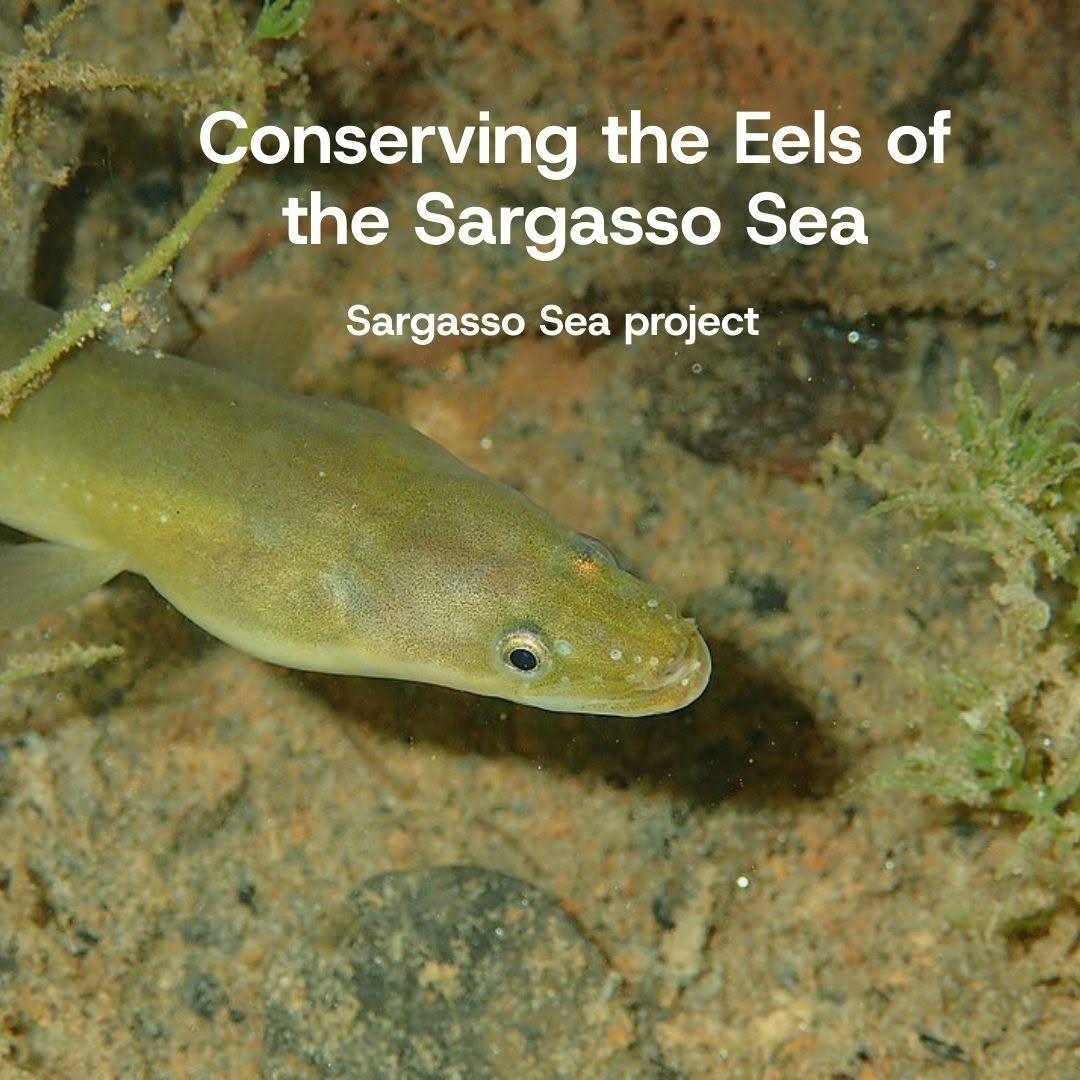
returned to the Sargasso Sea in April 2026 to continue long-term research on one of the ocean’s most remarkable and still partly unresolved mysteries: the early life stages of the European eel.
The expedition was led by Professor Reinhold Hanel of the Thünen Institute of Fisheries
Ecology (Germany). Hanel's first expedition dates back to 2011, and the research vessel Walther Herwig III has returned to Bermuda every three years since then.
“Many aspects of the eels’ spawning behaviour and early development remain unknown including the exact locations and environmental conditions of spawning,” explained Prof. Reinhold Hanel, Cruise Leader.
“During the recent expedition, researchers collected plankton samples across a large survey area in the western and central Sargasso Sea to determine the distribution, abundance, and size of eel larvae.”
“These data are essential for understanding recruitment processes and long-term population trends of this critically endangered species.
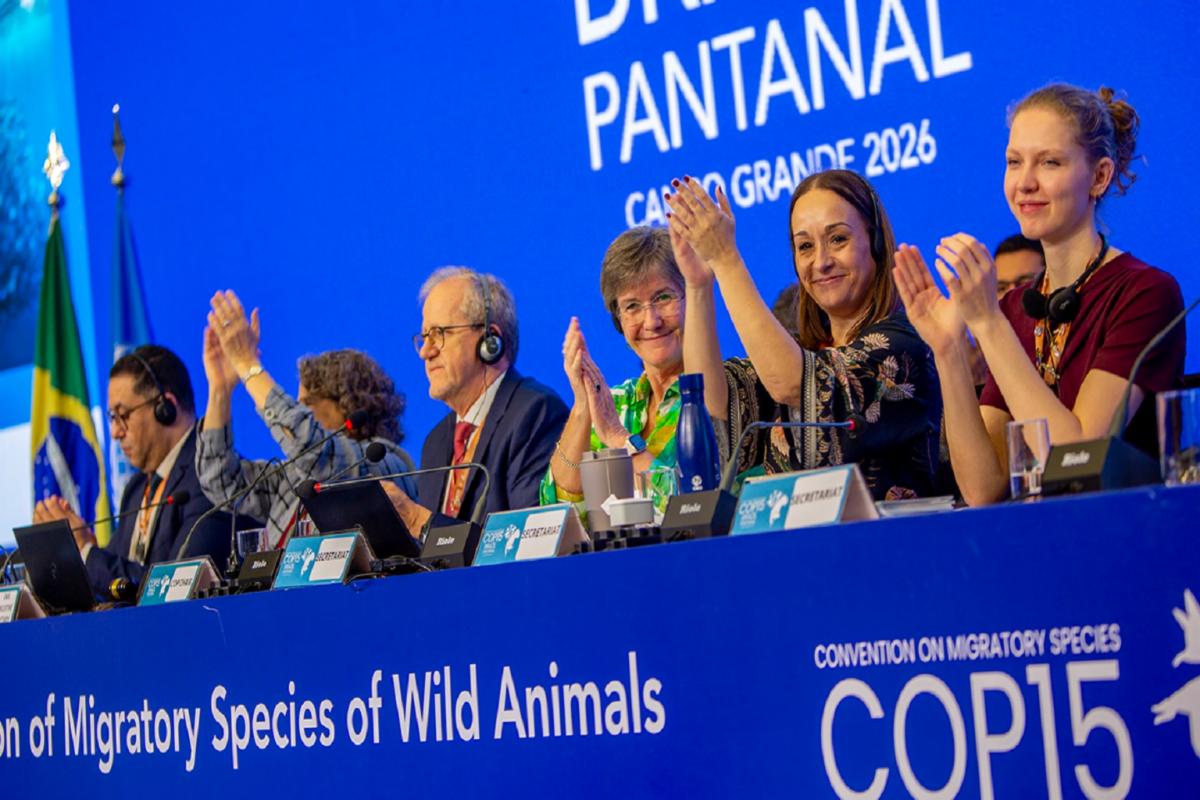
“The work also contributes to broader ecosystem research as, in addition to eel larvae, the scientists are studying plankton communities including jellyfish, sunfish larva and mesopelagic fishes that inhabit the so-called “twilight zone” of the ocean.” Prof. Hanel has been collaborating with the Sargasso Sea Commission for several years and has contributed to scientific initiatives supporting its conservation goals. He also represented Germany at the meetings of the CMS/SSC Range State Workshops that developed the Single Species Action Plan (above).
Image credit Walther Herwig III/Thunen Institute
|