The Breakwater

A newsletter from the Prince William Sound Science Center

February 2026

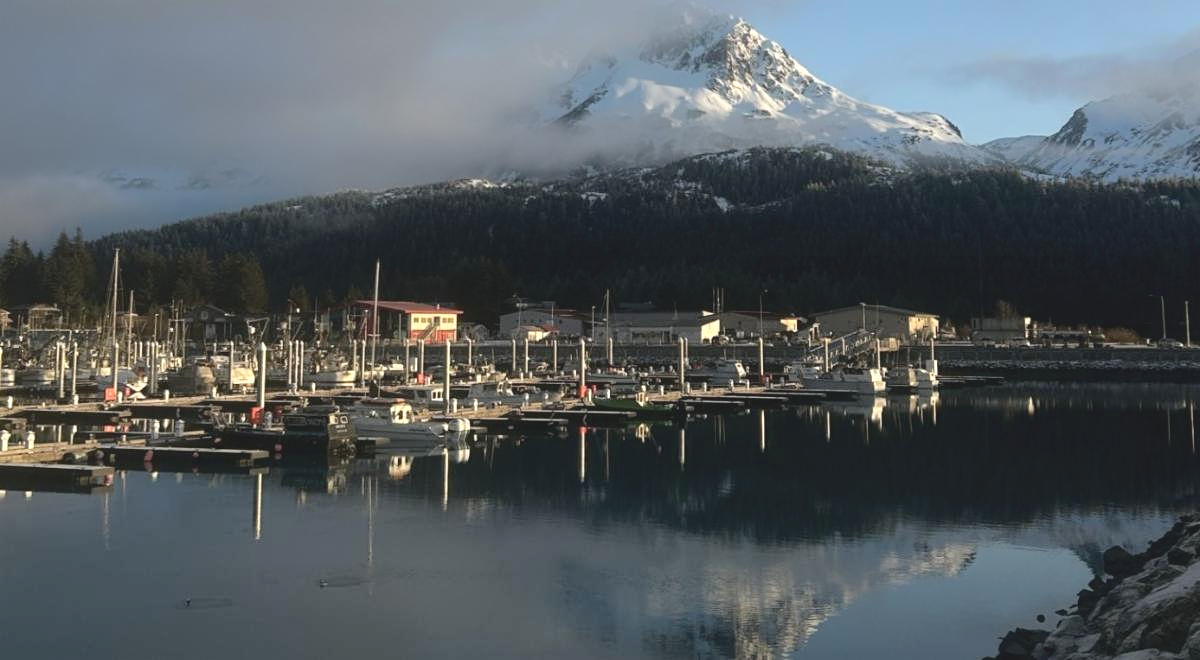
Mt. Eccles over Cordova harbor. Photo by Lucas Garrett

Worms Take Over Cordova!

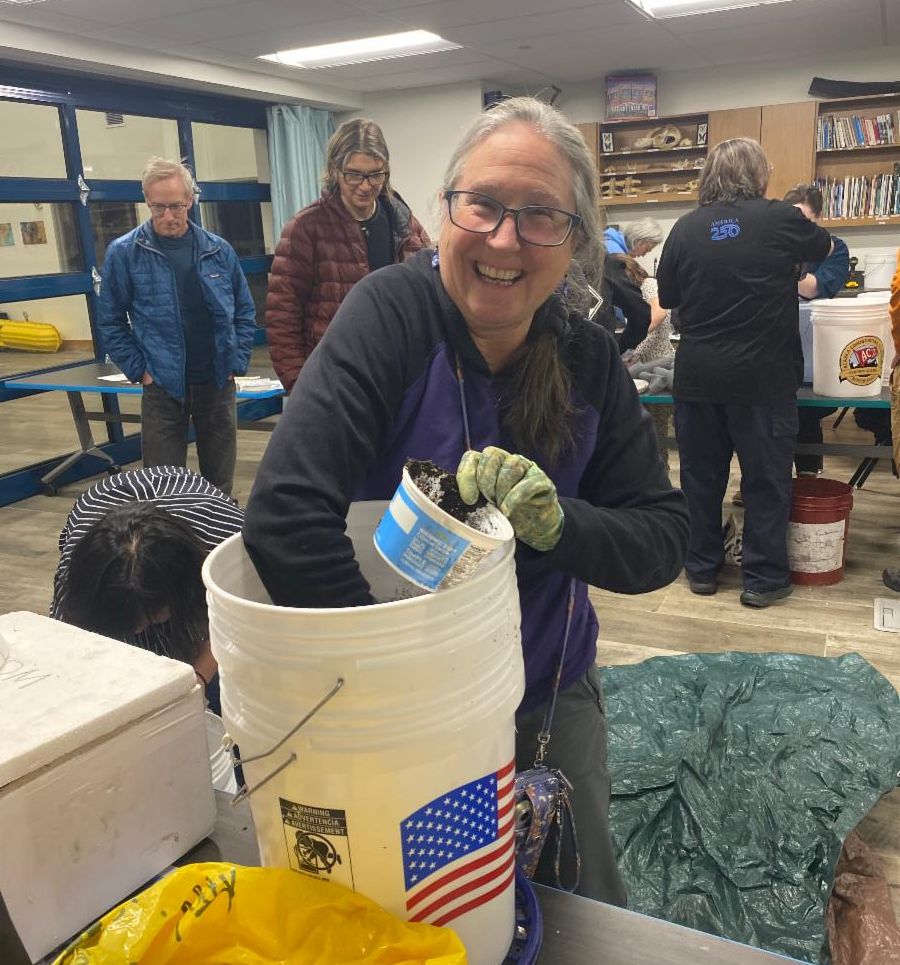
A participant adds soil to her newly created worm bin. Photograph by Kate Trudeau.

In January, our Community Composting Workshop welcomed 26 eager participants who came to learn about constructing worm bins for indoor and outdoor composting.


The biggest takeaway? Composting is easier than you think! Successful compost relies on four key ingredients: carbon-rich materials (“browns”), nitrogen-rich materials (“greens”), moisture, and airflow. When these elements are in balance, compost has little to no odor.


Participants learned the importance of maintaining the right “browns”-to-“greens” ratio. “Browns” are carbon-rich materials such as dead leaves, wood chips, newspaper, and shredded cardboard, while “greens” are nitrogen-rich materials like food scraps, chicken manure, and grass clippings. The general guideline is 70% browns to 30% greens.


Bear safety was a popular topic of discussion. While bears are always a concern when living in Alaska, maintaining the proper carbon-to-nitrogen ratio and burying food scraps deep within the pile can help minimize the risk of attracting bears.


For those without a yard, indoor composting is still an option! Worm bins offer an effective solution, and participants received materials to build their own during the workshop. If you’re interested in creating a worm bin at home, visit our website for step-by-step instructions:

https://pwssc.org/community-compost-workshop/


A special thank you to Lee Collins, Community Garden Manager with the Prince William Sound Economic Development District, for leading the workshop and sharing his wealth of composting knowledge, and to Clay Koplin for generously providing the worms!


This Food Security Workshop series is funded by a grant from the Alaska Department of Natural Resources.

Community Events for February

PWSSC Presents:

Iceworm Science Trivia at Copper River Brewing

Tuesday, February 3, 6:30-8:00 pm

Test your icy knowledge at Iceworm Trivia! This special trivia session is brought to you by the Prince William Sound Science Center. Will the categories be all about worms, steeped in glacier lore, or a study of pop culture? Nobody knows! Only a roll of the dice will reveal what topics will be highlighted in this special festival trivia. This event will take place at Copper Riving Brewing.


Tuesday Night Talk:

Salmon 2125 with Dr. Pete Rand and Dr. Kristen Gorman

February 10th, 5:30-6:30 pm

Join the Prince William Sound Science Center every Tuesday to hear different speakers from your Alaskan community. Join Dr. Pete Rand of the Prince William Sound Science Center and Dr. Kristen Gorman of the University of Alaska Fairbanks to learn more about the Copper River Salmon 2125 project, which focuses on understanding how ocean, glaciers, and river changes might affect Copper River Salmon. This talk will take place on Tuesday, February 10th, at the Prince William Sound Science Center from 5:30 to 6:30 pm.


Tuesday Night Talk: 

Prince William Sound Audubon Society

February 17th, 5:30-6:30 pm

Join the Prince William Sound Science Center every Tuesday to hear different speakers from your Alaskan community as part of the Tuesday Night Talk lecture series. This night's talk will be a meeting of the Prince William Sound Audubon Society. This meeting is open to the public. This Tuesday Night Talk will occur on Tuesday, February 17th, at the Prince William Sound Science Center from 5:30-6:30 pm. 


Microgreens Workshop

February 19th 6-7:30 pm

Are you looking to eat fresh produce year-round, regardless of the seasons or the barges? Join us for a workshop on growing your own microgreens! 


If you would like materials for growing microgreens, please email education@pwssc.org. Registration is not required, but the first 15 people to sign up will have materials reserved for them. 


Science and Snacks

Monday, February 23rd, 3:30-5:00 pm

Looking for an extra hour after school? The Science Center is here to offer Science and Snacks, our after-school program where your children will be transported from Mt Eccles to PWSSC, be given a snack, and partake in fun and educational activities centered around science. The theme for February is “Animal Tracks”. We will compare animal tracks and make our own tracks.


This program is FREE but limited to 15 children in grades 1st-6th. Registration in advance is required. Included in your child’s program registration: PWSSC pick up from Mt Eccles Elementary School at the end of the school day (3:30 pm) and transportation to the Prince William Sound Science Center, fun science-related activities, care/supervision of your child, and a snack. Your child will need to be picked up from the Science Center at 5:00 pm. To register, please email education@pwssc.org with your child(ren)’s name and grade level. We will respond with confirmation about available space and send you a permission form. 


Tuesday Night Talk: 

Herring Recovery in Prince William Sound with Dr. Scott Pegau

February 24th, 5:30-6:30 pm

Join the Prince William Sound Science Center every Tuesday at 7 pm to hear different speakers from your Alaskan community as part of the Tuesday Night Talk lecture series. Tonight, we will be joined by Dr. Scott Pegau of the Prince William Sound Science Center, who will be leading a presentation on the mysteries of herring in Prince William Sound herring recovery. This Tuesday Night Talk will occur on Tuesday, February 24th, at the Prince William Sound Science Center from 5:30-6:30 pm.


PWSSC Staff Attend Mariculture Consortium Annual Meeting

Last month, PWSSC coordinated and attended the Mariculture Research and Restoration Consortium (Mar ReCon) annual meeting in Homer, Alaska. This meeting brought together researchers, farmers, and stakeholders to advance sustainable mariculture development in the Gulf of Alaska. During this meeting, primary investigators provided research updates on their projects focused on the physicochemical environment, the biological environment, and oyster hatchery and kelp farming methods development.


The group also heard updates on economics, project development, and outreach surrounding their work. Attendees also participated in breakout sessions where they could discuss data collection and management, farming operations, and future strategies.


The Mar ReCon team partnered with the Community Organized Restoration and Learning (CORaL) Network to host a Mariculture Science Night while the Mar ReCon group was together in Homer. Researchers from various Mar ReCon projects hosted booths, where they facilitated interactive activities and

games relating to their work. This was an excellent opportunity for the over 60 community attendees from Homer to learn more about the Mar ReCon project as a whole, and to ask questions about the research taking place locally in Kachemak Bay.

Welcoming Marysia Szymkowiak, PhD

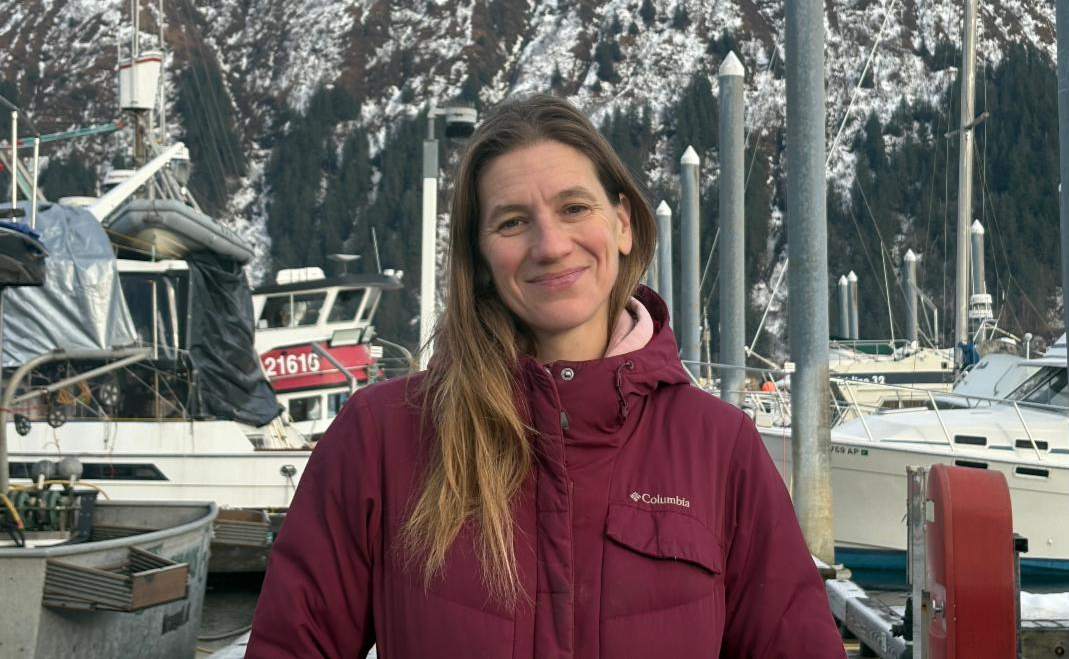
Dr. Marysia Szymkowiak has joined PWSSC as the Center's new Director of Coastal Resilience, an applied research role in which she will design and test pilot projects, foster collaborations and partnerships, and spark innovation to help coastal communities chart resilient futures. 


Marysia is a social scientist with 15 years of experience working with fishermen and fishing communities across Alaska, focusing on how people derive value from and make decisions about fisheries participation, and how climate change, management, market, and sociocultural forces shape fisheries livelihoods. Her work focuses on advancing resilience in coastal communities in the Gulf of Alaska through adaptation planning; building local, regional, and national partnerships; and targeting innovative initiatives. Welcome to the team, Marysia!

PWSSC at the Alaska Marine Science Symposium

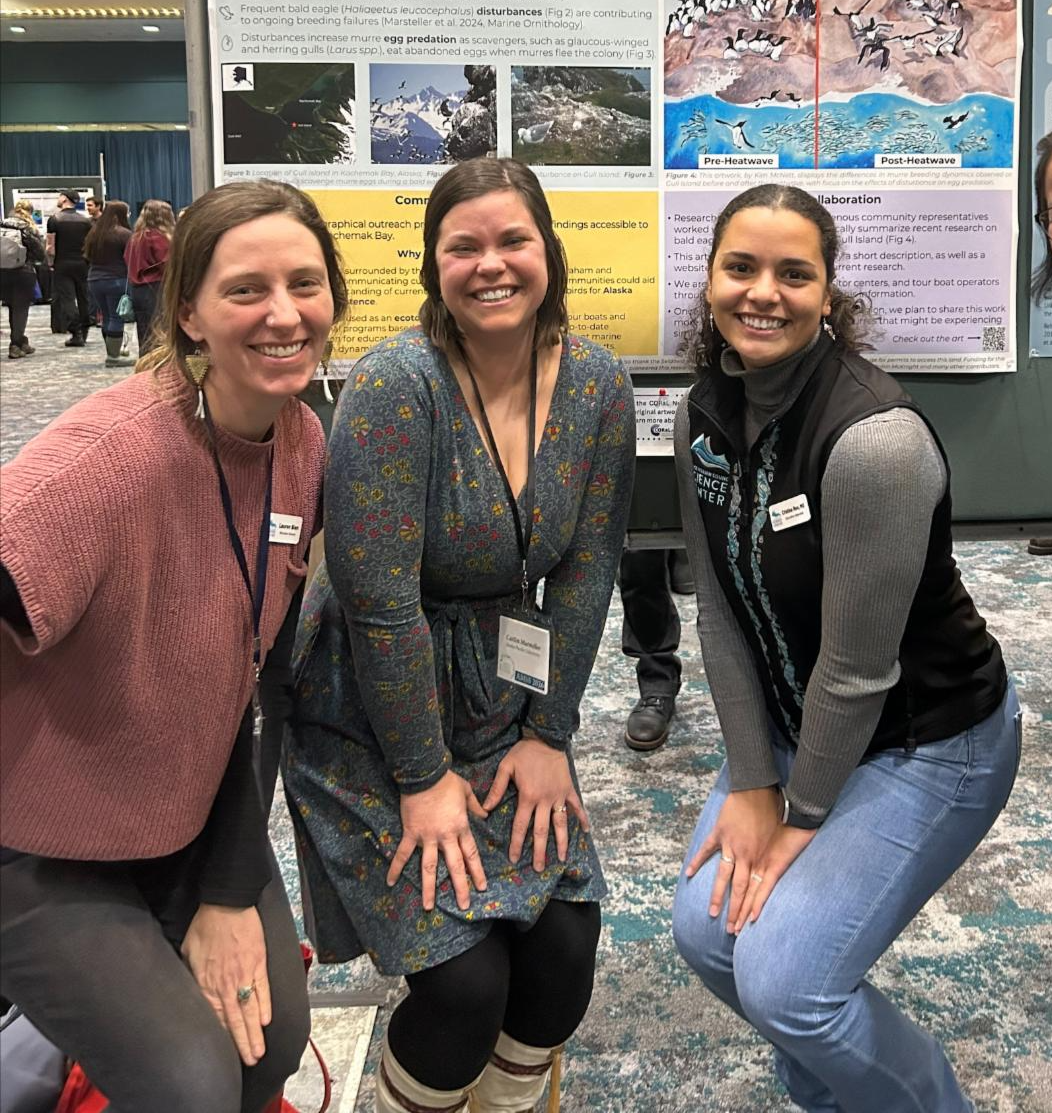
From left: PWSSC Education Director Lauren Bien, APU Instructor of Biological Sciences Caitlin Marsteller, and PWSSC Education and Outreach Specialist Cristina Reo at the Alaska Marine Science Symposium.

Several PWSSC staff attended the Alaska Marine Science Symposium (AMSS) in Anchorage at the end of January. AMSS is a four-day symposium showcasing marine research in Alaska's bordering waters: the Arctic Ocean, the Bering Sea, and the Gulf of Alaska. While at the symposium, our staff attended keynote speakers’ presentations, poster sessions, plenary sessions, and workshops.


While AMSS is a great place for us to learn from our colleagues, it is also an excellent venue for showcasing our research. Several of our researchers shared their work at the AMSS poster session. Dr. Scott Pegau had a poster on the “Conditions Affecting Pacific Herring Recruitment.” Dr. Rob Campbell and Dr. Scott Pegau were supporting authors on Alan Mearns’ “36th Year of Repeated Rocky Intertidal Photo Monitoring” poster. Anne Schaefer authored a poster about the “Seabird Distribution and Use of Spatially-Predictable Tidal Rips in Cook Inlet, Alaska.” Dr. Pete Rand presented on “Larval Pacific Herring as a Food Resource for Juvenile Pink Salmon in Prince William Sound, Alaska.” Education and Outreach Specialist, Cristina Reo, co-authored a poster with Caitlin Marsteller (APU) titled “Making Science Murre Accessible: A Collaborative Approach to Science Communication in Kachemak Bay.” Additionally, Dr. Rob Campbell and Rachel Ertz presented on “Automating Salmon Scale aging with Machine Vision.” In addition to research sharing through poster presentations, Dr. Rao Chaganti, our Director of the Integrated Omics Lab, presented at the Gulf of Alaska day at AMSS on “Omics to Operations in Alaska: Environmental Intelligence for Water, Biodiversity, and Fisheries.”


To learn more about each of these projects, visit our website: https://pwssc.org/research/


To participate in Dr. Scott Pegau’s intertidal time series project, please visit https://osri.us/time-series/

CORaL Network Brings Community Education Night to Anchorage

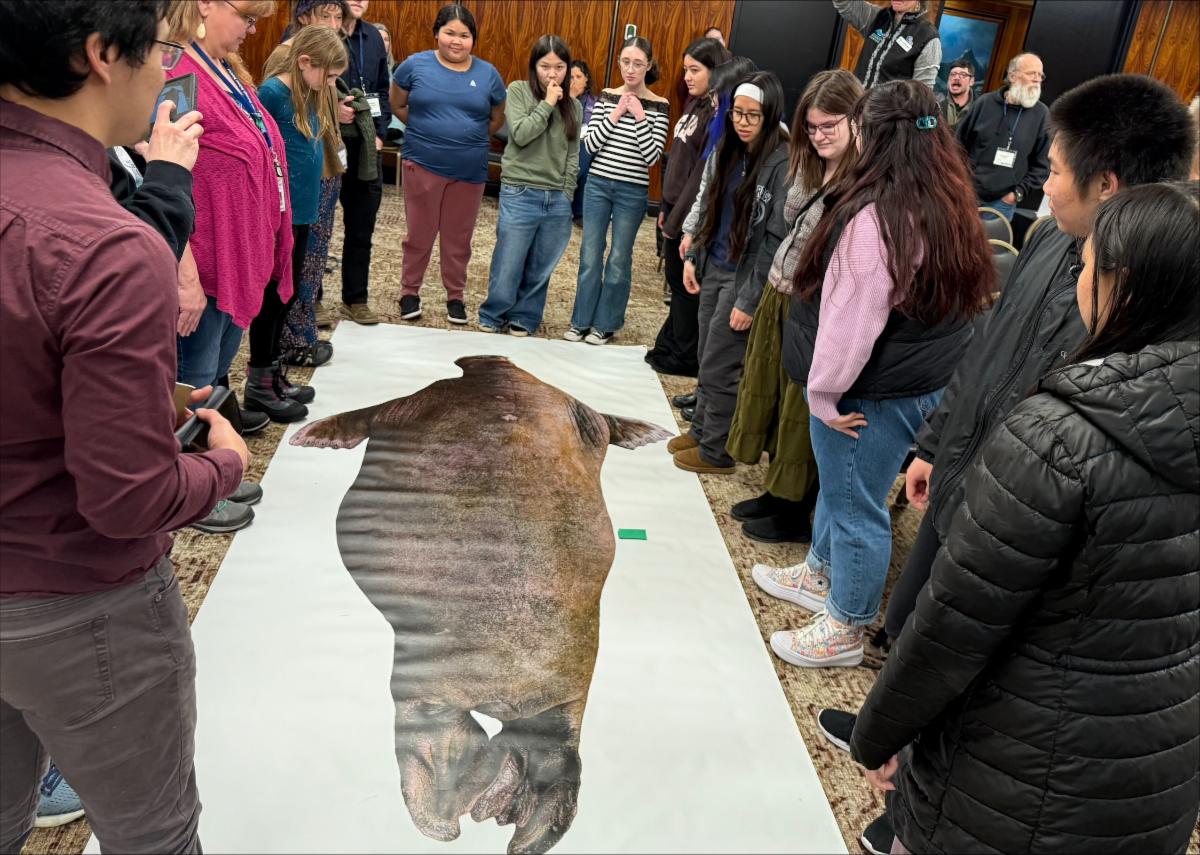
Attendees gather around an 80% scale image of an adult female walrus.

Our education team, as part of the Community Organized Restoration and Learning (CORaL) Network, led a Community Education Night in Anchorage last month. Community Education Nights make science accessible by using understandable language and interactive activities.


We invited Anchorage-area community members and Alaska Marine Science Symposium attendees to attend short scientist presentations in a relaxed setting, with opportunities to mingle and enjoy easy, guided engagement with the science presented. Teachers, students, experts, and community members shared a night of learning and fun activities like seabird bingo, seabird foraging frenzy, and walrus karaoke. We had a great turnout with over 50 people in attendance.

PWSSC Education in Review: January

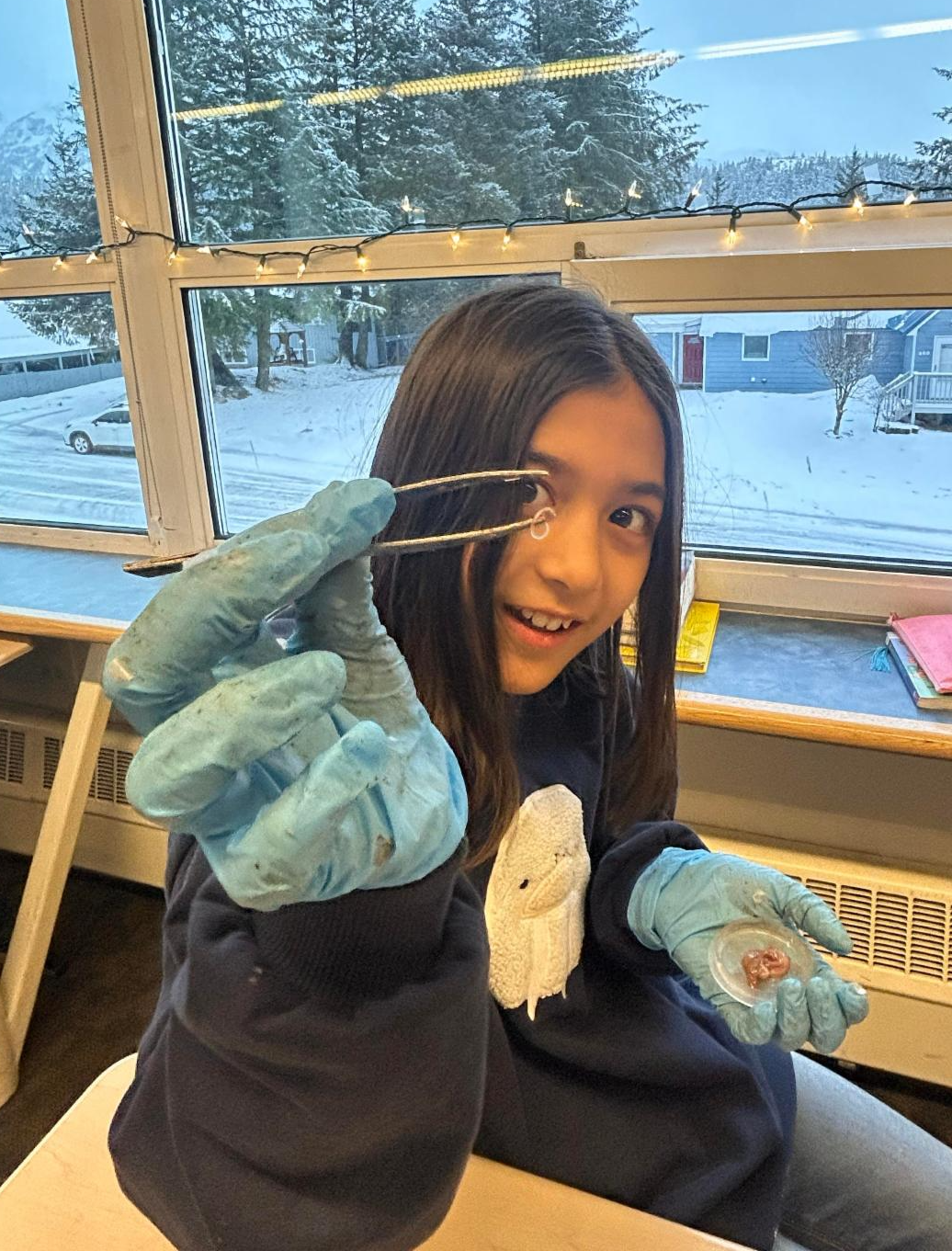
A 4th grader shows off the parasitic worm she removed from a herring during her class's herring dissection.

Are you curious about what our Education Team has been up to this winter? Check out their updates!


Programs for Kids


Sea Squirts was a real hoot-enanny with a record attendance of preschoolers who were excited to learn about owls. Kids dissected owl pellets, built kid-sized nests, observed taxidermy owls, and practiced shapes and counting with an owl craft.


Science & Snacks dove deep into owls with scientific drawings and dissecting owl pellets.


Programs for Adults


You can catch up on our Tuesday Night Talk lecture series by visiting our YouTube Channel and clicking on the Lecture Series playlist. January's talks were:


  • Charlotte Westing (ADFG) - Sitka Black Tailed Deer in Prince William Sound
  • Kate McLaughlin (Audubon) - Great Backyard Bird Count
  • Josh Smith - How to Propagate Native Alaskan Berries


In-School Programs


In January, our educators met with grades K-6 as part of our Discovery Room program.


  • Kindergarten celebrated the winter weather with a lesson on snow. Students predicted how much water is in snow in a melting experiment and practiced naming and counting shapes in a snowflake craft.
  • First Grade started their sound wave unit by spending time outside recording sounds in nature on a sound map.
  • Second Grade measured pH of mystery liquids as a way to understand the importance of measuring the pH of their hydroponic farm. They also planted bok choy and look forward to harvesting it for pancit in February.
  • Third Grade investigated how the structure of beaks informs what birds eat through a fast-paced game followed by a graphing exercise.
  • Fourth Grade dissected herring with PWSSC and Alaska Department of Fish and Game in order to make observations about internal anatomy and functions of these internal structures.
  • Fifth Grade explored the interactions of the geosphere with the atmosphere and hydrosphere through an erosion experiment.
  • Sixth Grade were introduced to oil spills and investigated how oil acts in water through an oil spill in a pan activity.
  • PWSSC educators met with the high school chemistry class to continue environmental sampling efforts at Odiak Pond and the harbor as part of the Community Pathways to Student Science (COMPASS) program
 

The Prince William Sound Science Center is committed to resilient communities and healthy ecosystems. We need your help now more than ever. If you believe in our mission and care about what we do, please consider donating today.

Facebook  Instagram  YouTube  LinkedIn