|
Discovering, Theming, Engaging, Shaping
Rev. Owen Cayton
Minister, Ankeny Christian Church, Ankeny, IA
In her book, “Think Like a Filmmaker,” Rev. Dr. Marcia McFee lays out a worship planning process designed to help planners prepare services oriented around telling the story of faith. It uses the various aspects of producing a film, many of which are tools we have at our disposal in worship: visuals, words, music, media, and drama.
I have adapted this process in different ways at different times to help the folk at Ankeny Christian Church plan, prepare, and carry out worship. While the planning process may not look exactly the same for each series, certain elements are always present: Discovering, Theming, Engaging, and Shaping.
A first word: while I haven’t included them as separate elements, prayer and the study of scripture are integral to the whole process.
Discovering the Story – The overarching story, of course, is the good news of God’s gracious love for the world. That story interacts with us—and with the world—in countless ways. For a particular worship series, the story might emerge from themes in the lectionary texts, a season of the church year (Advent, Lent, and so on), a calendar season (harvest, summer break), something happening in the wider world, something unfolding in people’s lives, a book, a Bible study, or really anywhere we see the gospel intersecting with the world or responding to a need.
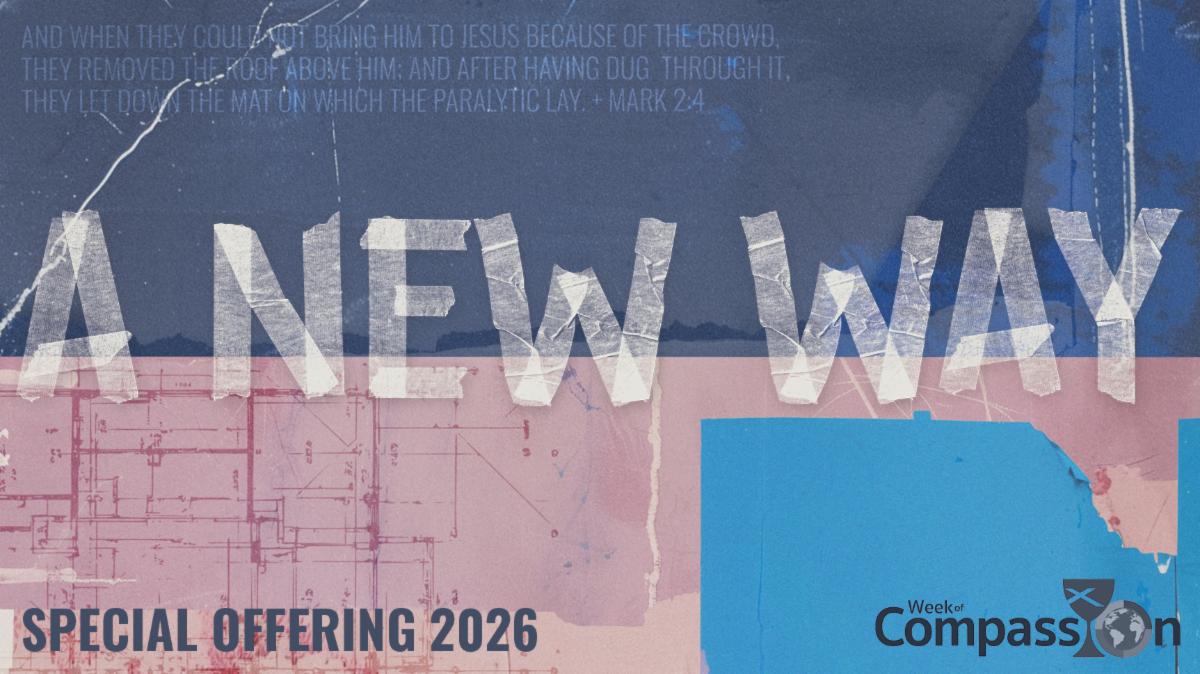
Theming the Series – We create three primary components to develop a theme. One is an anchor image—a visual expression of what the series is about. For example, in our series on inspiration, Do Not Lose Heart, the anchor image was a torn paper heart taped back together. Another component is a brief paragraph describing the story we will experience throughout the entire series. Another is a short paragraph for each Sunday that articulates the specific theme of that service, closely connected to the scripture for the day. Together, these components make it easier for others to contribute—those who decorate, select music, lead worship, write materials, or create slides.
Engaging the Congregation – Here we consider how the story is expressed and how the congregation will interact with it. We ask many questions: What will the space look like? How can we surround people with the story? What will the congregation do or say? How can worship deepen people’s awareness of God’s presence through the story? What will they carry with them when they leave?
I often work through some or all of the previous elements with a small group—sometimes just one other person, sometimes as many as fifteen.
Shaping the Service – In this final element, someone—usually me—takes the work of the previous elements, and weaves it into an order of worship that helps the congregation intentionally dwell in God’s presence. Here I pay close attention to the flow of the service and to how each part connects with the others, so that the story flows without unnecessary breaks.
If you’re interested in resources, want more information about the specific process I use and how I adapt it, would like to talk about worship planning, or even want to plan a series together, I’m always up for a conversation.
|