View as Webpage

Summer 2025

President's Letter

Dear Fellow Wright Enthusiasts,


Wright in Wisconsin is offering a unique opportunity to experience Taliesin. Never has there been such extensive availability of the buildings, grounds, and contact with the staff for such an extended period. Instead of the Wright and Like tour that the organization has conducted for over 25 years, this year we are doing something different. This year it is ALL WRIGHT. All in one general area, with no driving required once you arrive.


Please plan to join us on September 6, 2025, at Taliesin All Wright: A Day Like No Other.


Details can be found below.


In reading through this edition, it will be evident that our newsletter editor has been working overtime to bring you interesting articles, including her new feature talking to current Wright property owners. I hope you enjoy the same.


After sending out the first newsletter after an extended period, many past members thanked us by renewing their memberships. That was much appreciated and will help us to continue our work. If you haven’t renewed and feel compelled to do so, the information can be found at: wrightinwisconsin.org/join


I hope to see you in September.


John P. Macy

President, Wright in Wisconsin

jmacy@ammr.net


All Wright: A Day Like No Other

2025 Event Tickets Now on Sale!

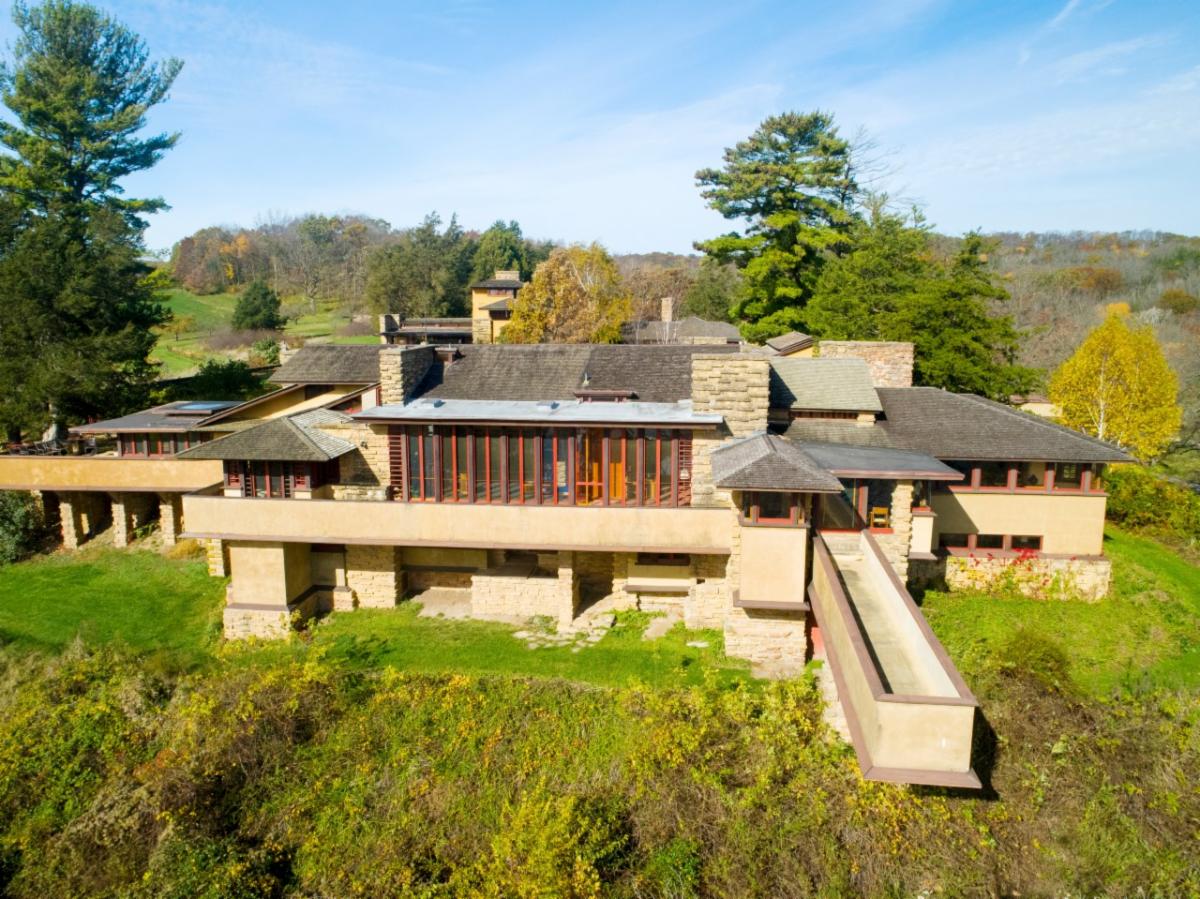
Photo Courtesy Taliesin Preservation

Experience Taliesin Like Never Before!

Saturday, September 6

9am-4pm


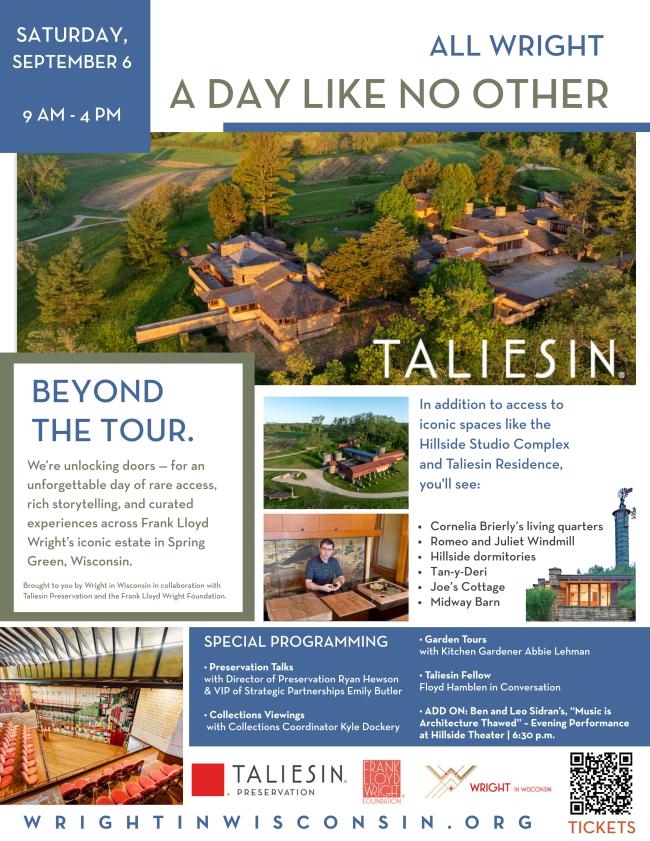
We are thrilled to announce more details about our extraordinary event for this year—one that offers an immersive experience unlike any before! While we’re stepping away from our traditional "Wright and Like" format of tour, we believe our members will be just as excited about this special opportunity.


In collaboration with Taliesin Preservation, we invite you to spend an entire day exploring Frank Lloyd Wright’s Wisconsin home and studio, Taliesin. This exclusive experience grants unprecedented access to the house, studio, Tan-y-Deri, Romeo & Juliet Windmill, Joe’s Cottage, and even Cornelia Brierly’s living quarters—a rare opportunity for any Wright enthusiast. Your ticket includes a light breakfast and lunch, allowing you to fully immerse yourself in Wright’s world without interruption. This just in: your ticket will also get you a 10% discount on purchases at the Taliesin gift shop!


In addition, throughout the day, there will be special guests on hand:

  • Ryan Hewson, Taliesin Director of Preservation, will be giving a talk on preservation at Midway
  • Emily Butler, Taliesin Associate Vice President of Partnerships & Strategic Initiatives, will be giving a talk on preservation at Midway
  • Kyle Dockery, Taliesin Collections Coordinator, will be giving a behind-the-scenes look at objects in our collection
  • Abbie Lehman, Taliesin Kitchen Gardner, will be giving a tour of our gardens
  • Floyd Hamblen, a former Taliesin Fellowship apprentice, will have a conversation about what it was like to be an apprentice with the Fellowship


More guest appearances are pending and will be announced closer to the event. There will also be live entertainment during the day in the Hillside Theater.


To kick off the weekend, we'll host a Friday evening event at the Hillside Drafting Studio and Hillside Theater for a special book launch and signing event with Ken Dahlin, celebrating his latest work. We’ll also be announcing the winners of the Wright Now Architecture Contest during this gathering.


Don’t miss this rare chance to experience Taliesin in an entirely new way!

Promotional flyer. Print out and share with your friends!

Frank Lloyd Wright &

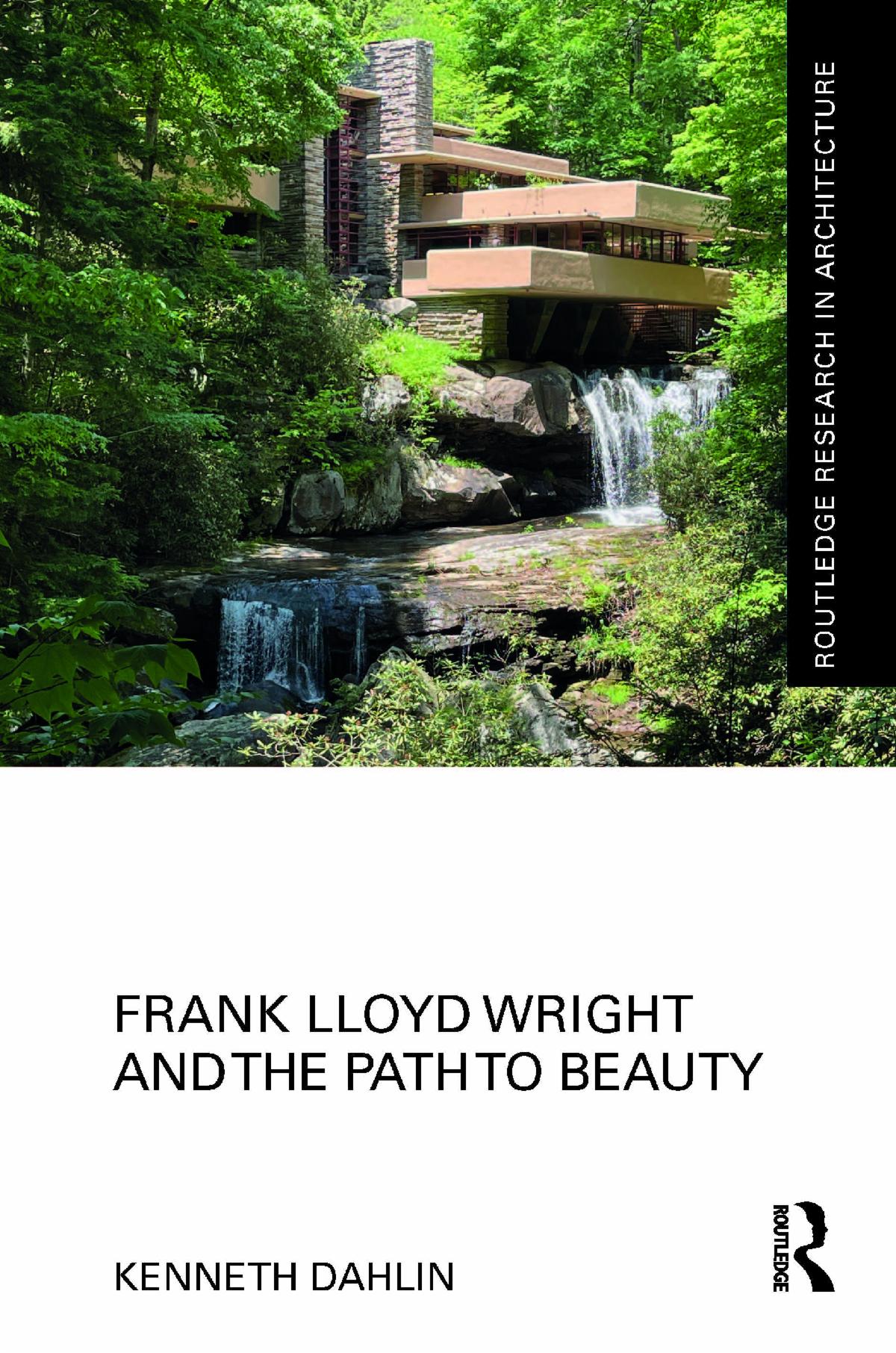
the Path to Beauty

by Ken Dahlin


First as an architect, and then later as a scholar, I have always been drawn to Frank Lloyd Wright’s work and sought to emulate that in my design work. I saw a certain affinity of his designs with nature; they fit in nature. But I knew it wasn’t that simple. How, exactly did they fit in nature? Was it just that he used natural materials inside and out, or opened his buildings to the outdoors? No, there was more to it than that. I saw that they fit in nature because they shared certain rhythms and harmonies with nature.


What I liked about nature, I liked about his designs, but they were not imitations of nature. Somehow, though, they both seemed to derive from the same stream of beauty. But this idea of beauty was not really something one discussed in architecture school or academic circles. I also saw that Wright was not only a prolific architect but also a prolific writer, and he wrote as if he designed according to principle, not just according to the whims of the current avant-garde architecture. So, I went back to school to work on my PhD, specifically focused on Wright’s organic theory of architecture and what was missing in our current understanding of it. 


This book, Frank Lloyd Wright and the Path to Beauty, is an outgrowth of my dissertation. It seeks to clarify and deepen our understanding of key terms frequently used—but often misunderstood—in discussions of Wright’s architecture. Concepts such as the "elimination of the insignificant," the "integrated whole," "organic design," "nature," "form and function," "natural materials," and "abstraction" are carefully examined and clarified.

This work also addresses misconceptions arising from viewing Wright through the lens of Modernism and our prevalent scientific worldview. Modernism has struggled to sustain meaningful ideas of beauty and harmony, yet Wright consistently embraced and embodied these very principles. So, perhaps the answer lies elsewhere, perhaps in a more ancient and timeless way of building. This book examines Wright’s fascination with Japanese art and its profound sense of nature. Of course, it also looks at the German idealism from which he and many in his generation drew from; but even that is not enough to give complete expression to his thought. 


Wright’s primary idea of the organic whole is found in Aristotle’s idea of form—not simply as physical shape but as an integral, organizing principle deeply connected to purpose and identity.  The book further discusses how Wright’s timeless approach is gaining renewed relevance today, particularly with insights emerging from the quantum revolution that echo ancient philosophical perspectives. The concluding chapter demonstrates how Wright’s principles remain profoundly applicable to contemporary architectural practice, bridging timeless design philosophy and modern needs.

Frank Lloyd Wright and the Path to Beauty has been published by Routledge and is now available from major booksellers, including Amazon and Barnes & Noble.

FRANK LLOYD WRIGHT AND THE PATH TO BEAUTY

PRESENTATION AT TALIESIN

Friday, September 5 • 6-9pm

Ken Dahlin will be presenting his new book, Frank Lloyd Wright and the Path to Beauty, at Taliesin the night before the All Wright tour in the beautiful Hillside Drafting Studio and Hillside Theater. Copies of the book will be for sale, and Ken will be available to autograph copies.

Life Done Wright

Interviews with Wisconsin Wright Homeowners

We're starting a new feature with this newsletter where we interview current owners of Frank Lloyd Wright houses to learn what it's really like to live the Wright life 24/7. If you're an owner and would like to be included in this series, please reach out to Trish!

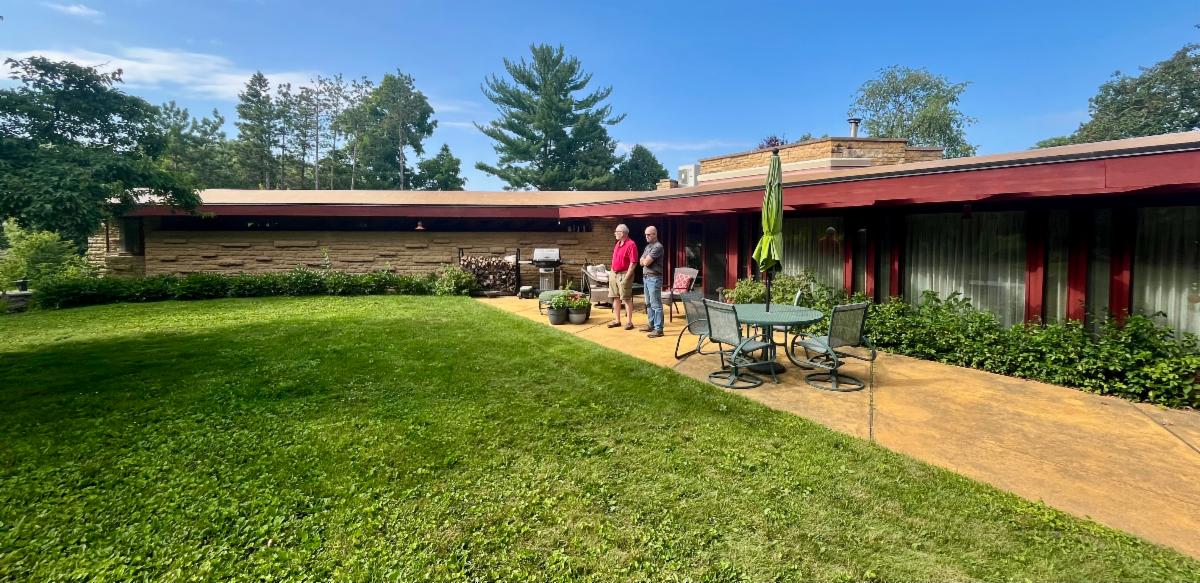
The E. Clarke & Julia Arnold House

Location: Columbus, WI

Year Completed: 1954

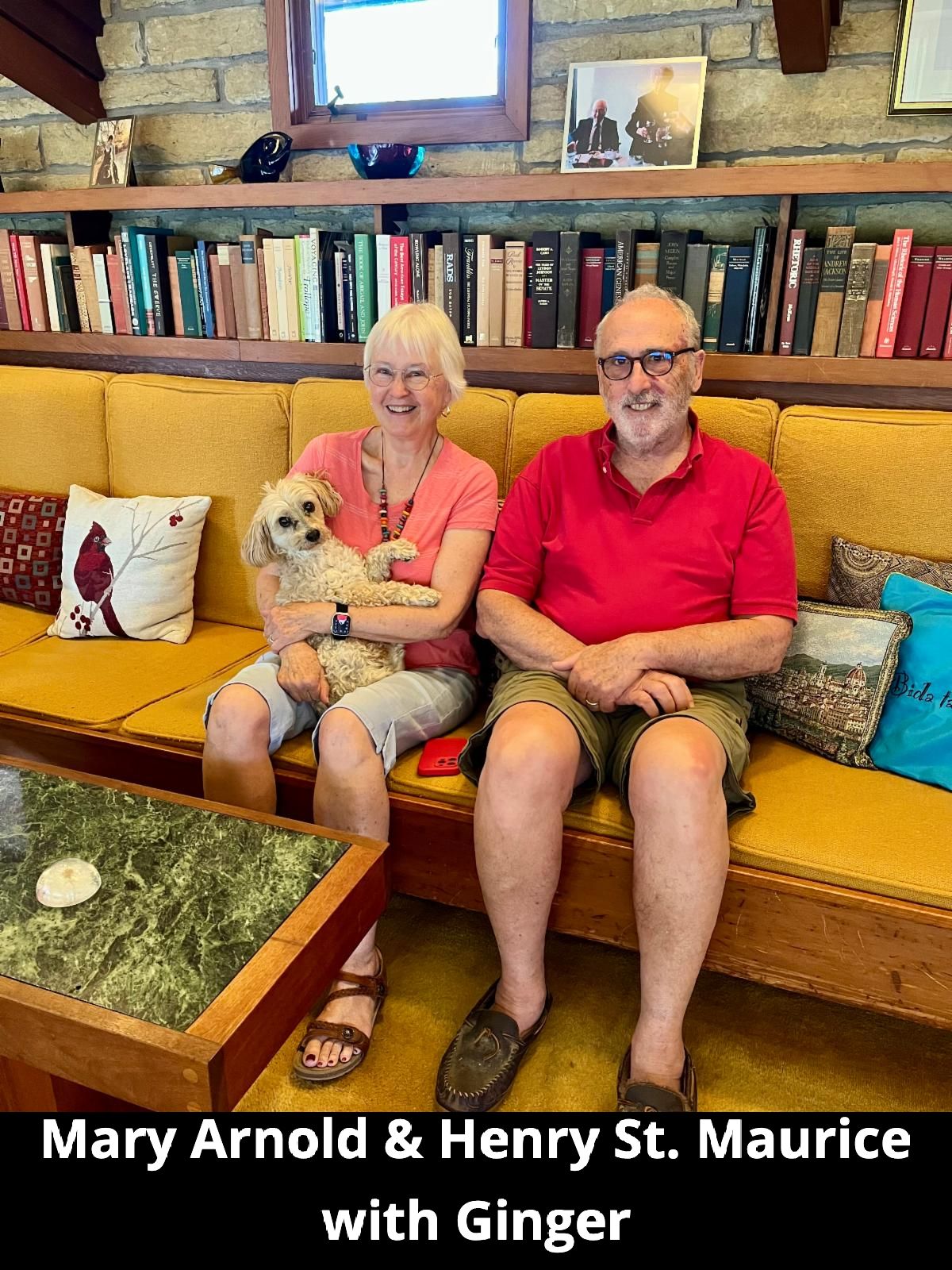
Current Owners: Mary Arnold & Henry St. Maurice


The diamond grid pattern and original concept for the floor plan of the mid-century Usonian Arnold House were taken from the 1950 unbuilt project Frank Lloyd Wright had designed for Robert Bush in Palo Alto, CA.


This house is made of Wisconsin limestone quarried near Sauk City. The exterior trim is cypress; interior panels are horizontal boards and battens of redwood. The first version had two wings at a 30-degree angle. At Mr. Arnold’s request, the wings were opened up to 120 degrees. In 1959, with Wright’s approval, John H. Howe, Wright’s chief draftsman, designed the third wing that established the current “Y” plan.


How long have you owned this house?

We took ownership in 2006 after Mary's parents, E. Clarke and Julia Arnold, had passed.


What do you know about the history of the house?

Everything! Mary’s father and mother were friends with Pat and Margaret Kinney, who had Mr. Wright design their house in 1951.  When the Arnolds visited it, they decided that they would like to have one, too. They met with Wright at Taliesin and his apprentices oversaw construction. Wright was in New York for most of the time the house was under construction, working on the Guggenheim Museum. We don’t think he ever actually visited the site. All the saved correspondence between the Arnolds and Wright was friendly and cordial. This house was built on time and on budget. (reportedly $15,000). 


Mary, what was it like growing up in a Wright house? Did you realize it was unique?

We moved in when I was seven, and I’ll admit I was sad to move away from our old Victorian house. I gradually came to realize how unique this house is. It holds many special memories.


What is your favorite part of the house and why?

Henry: Every time I walk into the living room, it’s inviting, and always looks new. The light plays with the space; it still surprises.


Mary: I agree. My second favorite room is the little den. It’s cozy and good for hibernating!


What would you tell someone who's considering buying a FLW house?

We think of ourselves as stewards of a work of art. You also automatically get a full community along with the house: FLW fans, the local town, etc. 


Have you done any repairs or restoration work on your house? 

Yes. New roof, new and upgraded HVAC system, and new driveway.


What's been the hardest/most frustrating part of living in a FLW house?

Nothing. It's not easy, but not hard either.


Is there anything you wish were different?

In general, no, but … we do tend to bump into each other in the kitchen and in the tight hallways, and, if we’re being honest, we may be envious of friends’ walk-in closets at times. 


Is there anything else you’d like to share with Wright enthusiasts?

Always get an architect first: whether building from scratch or making updates to an existing home. They’ll be able to suggest solutions that non-experts would never dream of.


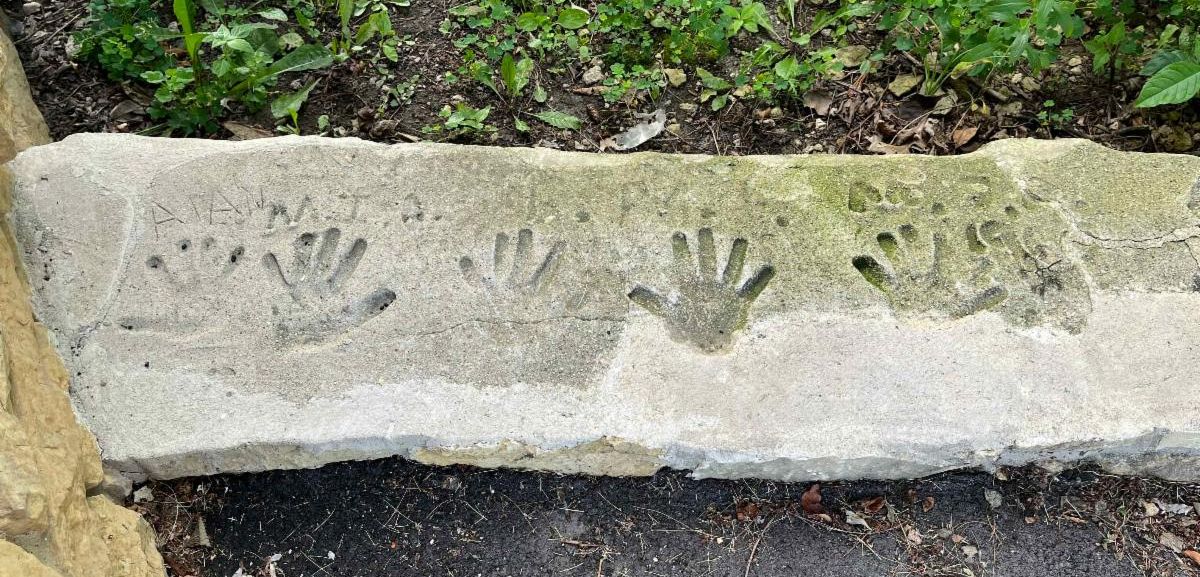
The Arnold kids and cousins left their mark at the time the house was built in 1954.

Photos: Trish Dulka

The University of Wisconsin's

Most Famous Frenemy

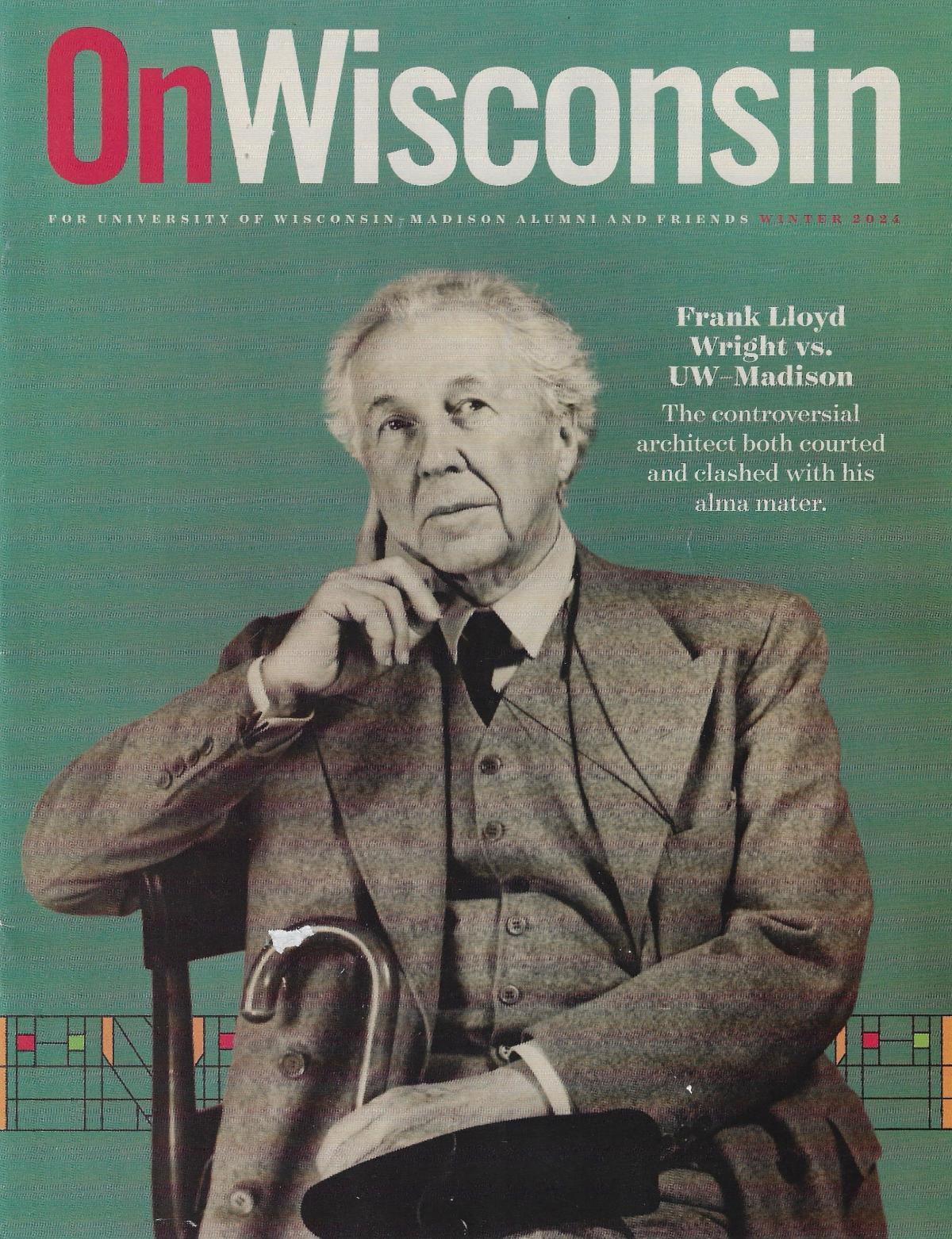
A recent issue of On Wisconsin, the magazine for University of Wisconsin–Madison alumni and friends, featured a fascinating story by Preston Schmitt about how Frank Lloyd Wright both courted and clashed with his alma mater.


The article features seven stories of his relationship with the university that lasted nearly his entire life and shows "what happens when a proud radical collides with a buttoned-up institution."


You can read the whole story here.


Frank Lloyd Wright Wisconsin Sites

Are you planning your summer activities? Are there Frank Lloyd Wright sites in Wisconsin that you have wanted to see and/or tour but have not yet? Wright in Wisconsin has you covered! Interested in visiting multiple sites? Click below to see site links for information about Wisconsin’s Frank Lloyd Wright Trail. Many sites also have occasional events, so even though the links below take you to tour information, feel free to click around to see what events the various sites might offer.


FLWT indicates that the site is on the Frank Lloyd Wright Trail


Frank Lloyd Wright Trail The Frank Lloyd Wright Trail connects 9 different sites across southern Wisconsin – from Racine to Richland Center.