|
Winter Season 1: Issue 3
January 1, 2026
By Jocelyn de Moubray
| |  | |
Xtra newsletter is published in association with the
| | | | | |
Good fortune or above average? |
Young stallions with good early results could fall into either camp and it is not really until they have a decent sample size of runners that we can assess if they are performing above industry standard, writes Jocelyn de Moubray
| |
Once they are established the best stallions have remarkably consistent records.
Frankel and Dubawi, for instance, produce somewhere between 18-28 per cent black-type performers to foals year after year.
However, before they can reach such a position, every stallion needs to have some luck and for his limited trump cards to fall the right way. Consider what would have happened to Wootton Bassett if the severe pneumonia virus had struck Jean Claude Rouget’s stable a year earlier in 2016 and his first-crop son Almanzor had not been able to become a champion winning Group 1s in France, England and Ireland?
Wootton Bassett might not have come to the attention of Coolmore and would have remained at the Haras d’Etreham probably covering middle quality mares at a middle market fee. Without Almanzor, Wootton Bassett’s early record was more than useful given the opportunities, but not enough to propel him to the top of the stallion market.
Before a stallion has had three or four crops to race as three-year-olds it is hard to be sure whether any success is due to good fortune or above-average ability, and then, particularly for those who start out with only limited numbers of representatives, there is the question of when a sample size is sufficient.
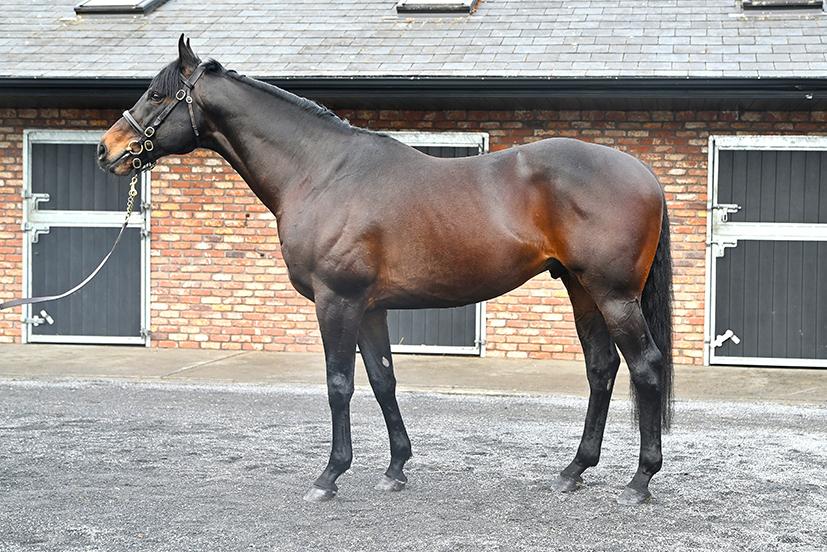
A stallion such as Starfield Stud’s King Of Change**, who has had four black-type winners from only 35 runners, has clearly made a great start, but in all probability 35 runners (Weatherbys Global Stallions App) is too small a sample from which to project accurately future success. The only sure sign of future prolonged success is consistently recording above average results crop after crop, and to try to evaluate this you need to have some established benchmarks to judge any stallion’s performance.
** UPDATE: After the first publication of this newsletter, it was announced that King Of Change has been purchased to stand at Tweenhills Stud in Gloucestershire, UK
| King Of Change: has had a great start at stud with four black-type winners from 35 runners | |
Industry standard
Looking only at the progeny of stallions with at least 50 foals to avoid too small a sample size, and using results from the main European racing nations in 2025, the industry figures were as follows:
European Two-year-olds 2025
Runners: 3,770
Winners: 1,243, 33%
Black-type winners and placed: 247, 6.6%
Group winners and placed: 163, 4.3%
Group 1 winners and placed: 30, 0.8%
European Three-year-olds 2025
Runners: 5,000
Winners: 2,292, 46%
Black-type winners or placed: 335, 6.7%
Group race winners and placed: 185, 3.7%
Group 1 race winners and placed: 55, 1.1%
| |
First-crop three-year-old sires: beating the industry
Among the sires with their first three-year-olds in 2025 there are five who were able to beat the benchmark of 6.7 per cent black-type performers to runners – Golden Horde, Pinatubo, Ghaiyyath, Sands Of Mali and Kameko. This suggests they are above average sires, even if none of this quintet were among the elite (all-aged sires) with more than 10 per cent black-type performers to runners among their three-year-olds.
Looking at their second crops there are three who are likely to do better in 2026.
Darley’s Pinatubo had more two-year-old winners in 2025 than 2024, and better ones too with seven black-type performers and five Group performers from 50 runners – 14 per cent and 10 per cent.
And Pinatubo’s non-black type juveniles of last year include some good prospects such as Pintara, Greek Mythology and Domina Ignis.
| Hardy Warrior: the Joseph O'Brien-trained colt by Pinatubo finished second in the KPMG Champions Juvenile Stakes (G2) and fourth in the Criterium International (G1) | |
Newsells Park’s Without Parole had only 45 foals in his first crop and 34 in the second, but the second included the Group 1 winner and top two-year-old Zavatari and two black-type performers from only 19 runners, 11 per cent.
Haras d’Etreham’s Hello Youmzain looked all set to establish himself amongst the leading sires with his first three-year-olds, but for one reason or another it didn’t work out.
However, his second crop of two-year-olds also returned above average statistics with four stakes horses (eight per cent) from 50 runners, including the French Listed winners Dostoievsky and Valasara.
|
|
Third crop sires: three-year-old stand-out sires
Among the sires with two crops of three-year-olds to have run, Darley’s Blue Point and Too Darn Hot and Lanwades' Study Of Man have already made their mark with consistently above average results.
However, there also in this group are three sires whose second crop of three-year-olds were better than their first who may yet join the established trio from this generation.
| |
The Arc winner Waldgeist has left Ballylinch Stud for Gestuet Lunzen in Germany, but his second crop of three-year-olds included the Group winners Light The Ghost and Furthur from only 59 runners and a total of six black-type performers, 11 per cent of his runners.
The Irish National Stud’s Phoenix Of Spain confirmed his position with four black-type three-year-olds from only 40 runners, 10 per cent, and they included the Group 1-placed Atsila, third in the Matron Stakes. His first Group 1 winner was his first-crop son Caballo De Mar, now a five-year-old, winner of the Prix du Cadran.
Finally, Haras d’Etreham’s City Light, one of the first sons of Siyouni to go to stud, had a particularly high proportion of winners-to-runners from his first crop, 65%, and his second crop included seven black-type performers and four Group horses suggesting he, too, has a chance of long term success.
For the best stallions there is a clear confirmed correlation between statistical success and the ability to pass this on. It does, however, take time to eliminate anomalies produced by small sample size and good or poor fortune. Setting benchmarks and comparing stallions against them from year to year is one way trying to get ahead of the curve.
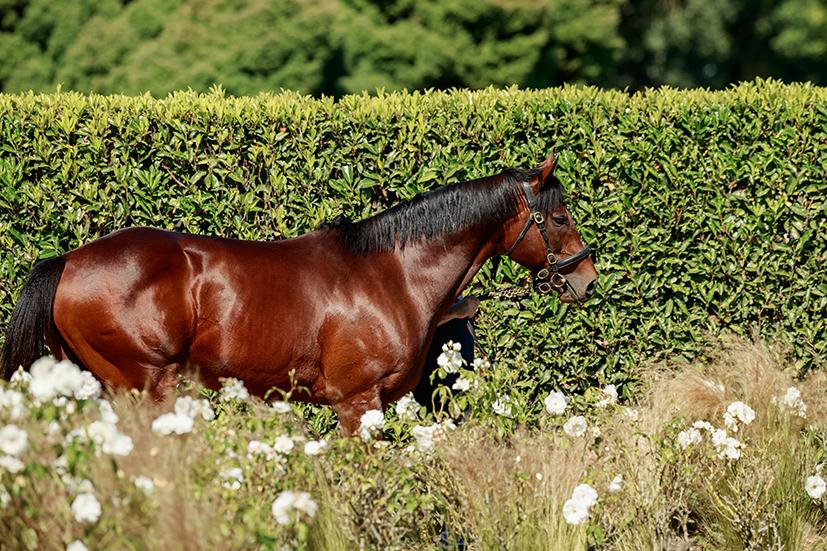
| City Light: boasted a 65 per cent winners-to-runners strike-rate with his first crop, and his second crop included seven black-type performers and four Group horses | | | |
OUT NOW!
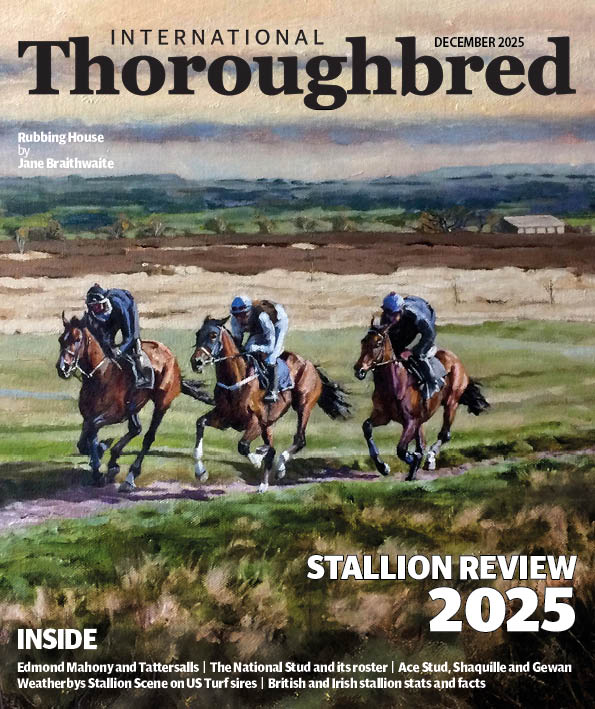
December 2025: including our Stallion Fact Pack and the Weatherbys Stallion Scene
Features with long-time Tattersalls CEO Edmond Mahony as his position within the company changes to one that is more of a "helicopter role", the Weatherbys Stallion Scene features US Turf sires, Paul Curran of Ace Stud talks about the farm's young stallion Shaquille and Dewhurst winner Gewan, and Sam Sangster chats about Diego Velazquez as The National Stud welcomes the son of Frankel to join a commercial roster for 2026.
READ HERE
| | | |
BOURGOIN
2023 colt
Ardad-Mutahamisa (Mehmas)
Owner: Haras de Treli
Breeder: Haras de Treli
Trainer: Fabrice Chappet
| | |
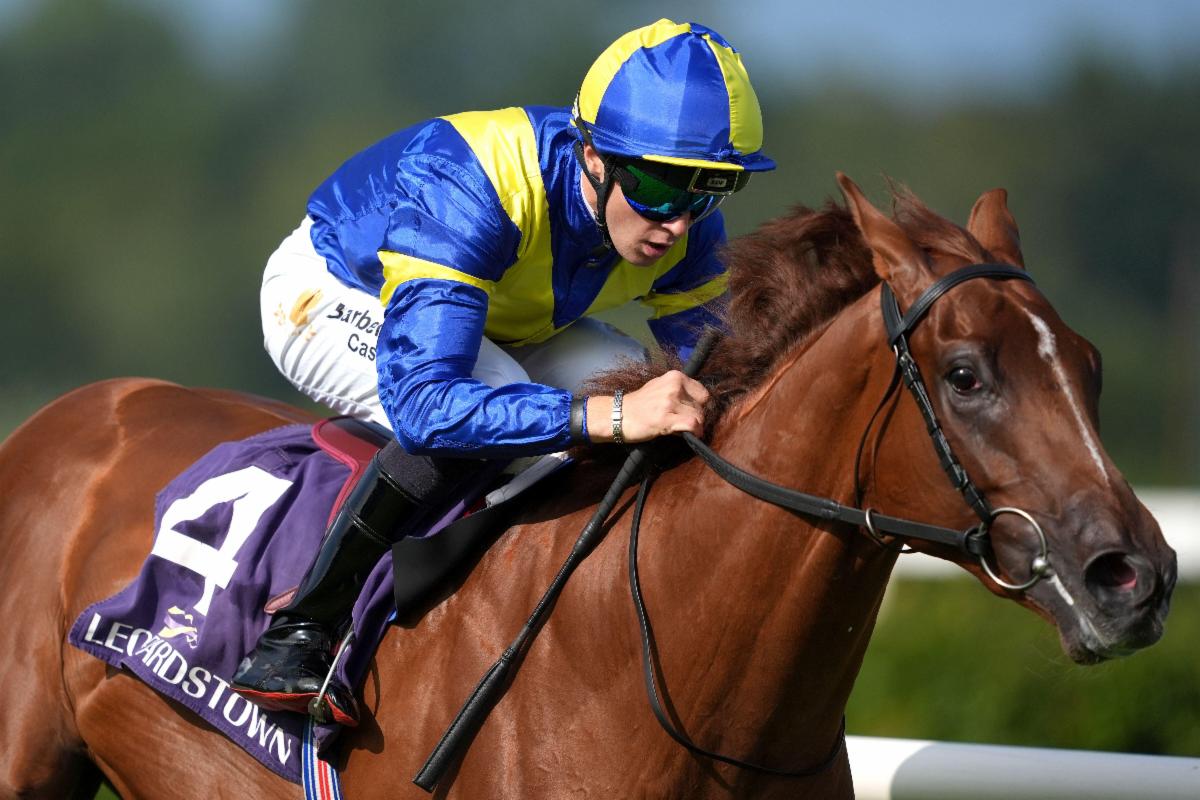
Bourgoin was second on his debut over six and a half furlongs on Deauville’s All-Weather at the end of November, finishing fastest of all having missed the break and losing any chance of victory at the start.
The Haras de Treli’s homebred colt returned to the same track three weeks later on December 18 and looked a different proposition. Under a confident Christophe Soumillon ride he ran past most of his rivals with ease in the straight and came clear for a 3l win.
| | |
Bourgoin is from the fifth crop of his Overbury Stud-based sire Ardad, a son of Kodiac.
Ardad made a mark with his first crop when he had 23 two-year-old winners, including the Group 1 winner Perfect Power. His three subsequent crops had only 130 foals between them and although each included at least one black-type performing two-year-old he inevitably slipped from view.
Ardad had 142 two-year-olds for 2025, the crop produced after the success of his first runners, and proved once again that he is an above-average sire.
His two-year-olds of 2025 included 39 winners, the Group winner Tadej as well as the £300,000 earner Ardisa.
If he needs another top-class horse to cement his position it is possible Bourgoin could be the one. After the colt's race win, trainer Fabrice Chappet announced that Bourgoin could be given a Classic campaign and will be aimed at a Listed race in Chantilly in March and then the Poule d’Essai des Poulains (G1) in May.
| | | | |