A Quarterly Publication
Produced BY & FOR NC Youth with Disabilities
| | |
Big News From YAT & JYAT
ECAC is excited to launch our newly structured Youth Advisory Team (YAT) and Junior Youth Advisory Team (JYAT) - and the response was amazing! This year we received over 70 applications from students across North Carolina who want to grow as leaders, build confidence, and use their voices to make a difference.
These teams are designed to amplify youth voice, build leadership skills, and give students with disabilities meaningful opportunities to shape programs, advocate for change, and grow as confident leaders in their communities.
We’ve restructured both teams to create clearer leadership pathways, more opportunities for student voice, and developmentally appropriate supports for different age groups. The goal is simple: empower students not just to participate - but to lead.
Stay Tuned, Big Things Are Ahead!
| | Your Voice Matters: Self-Advocacy for Students with Disabilities | | |
One of the most important life skills for students with disabilities is self-advocacy, or speaking up about what you need to learn and succeed. It includes sharing your strengths and asking for support or accommodations. Self-advocacy can look different at different ages. For younger students, parents and caregivers often help model and support self-advocacy. Over time, students gradually take on more of that role themselves as they are ready.
Why Self-Advocacy Matters for Students With Disabilities
Many students with disabilities learn, communicate or process information differently than their peers. Some students may need accommodations or support to fully access and participate in school, activities, or in the community after school. Self-advocacy helps to make sure needs are clearly understood, support is provided and students feel included.
Asking for support is not a weakness. It is a skill that helps students access the same opportunities as others.
Self-Awareness: The Foundation of Self-Advocacy
Self-advocacy starts with self-awareness. When students understand their strengths and needs, they are better able to express what helps them succeed. With support, practice, and time, self-advocacy becomes a lifelong skill that empowers students to navigate school, work, and life with confidence.
Self awareness includes:
- Knowing your strengths
- Knowing what is challenging for you
- Knowing what helps you succeed and what makes things harder
For parents, helping children build self-awareness early can lead to greater confidence and independence later. For students, it’s important to know that no one has everything figured out right away. Learning about yourself is a process that happens over time.
How Self Advocacy Affects the Future
Self-advocacy skills do not stop at school. They may develop across elementary, middle and high school and carry into college, training programs, and jobs. As students get older and more independent, knowing how to explain needs, ask questions, and request support becomes more important. Strong self-advocacy skills support independence, confidence, and positive long-term outcomes.
| | |
Tips for Parents:
- Talk openly about strengths and challenges: Use everyday language to help your child understand what they do well and what they may need help with.
- Model self-advocacy: Let your child hear you ask questions, request clarification, or explain your needs respectfully.
- Include your child in conversations: When possible, involve them in meetings, decisions, and planning so they learn how to speak up over time.
- Encourage problem-solving: Instead of fixing everything right away, ask, “What do you think would help?” and guide them through options.
- Celebrate effort, not perfection: Speaking up can be hard. Praise trying, even when it feels uncomfortable or doesn’t go perfectly.
| | | |
Tips for Younger Students:
- Notice what helps you learn: Do pictures help? Quiet time? Extra help from an adult?
- Practice using your words: Saying things like, “I need help” or “Can you explain that again?” is a great start.
- Ask for help when something feels hard: Everyone needs help sometimes and that’s okay.
- Talk to a trusted adult: Teachers, parents, and caregivers are there to help you learn and grow.
| | |
Tips for Older Students:
- Learn about your strengths and needs: Knowing what works for you makes it easier to explain it to others.
- Practice speaking up in small ways: Start by asking one question or explaining one need at a time.
- Understand your supports and accommodations: Know what they are and how they help you succeed.
- Remember that self-advocacy is a skill: It gets easier with practice, experience, and confidence.
- You don’t have to do it alone: Trusted adults, mentors, and support systems can help you prepare and practice.
| |
Share What Helps You Succeed
Self-advocacy starts with knowing yourself, and we want to hear from you!
We invite students (with support from families if needed) to share:
1 Strength
1 Challenge
1 Thing that helps you succeed
There is no right or wrong answer because this is about learning what works for you.
Your response may be featured in a future newsletter or shared on our social media to help inspire and support other students and families.
| | | | Youth Highlight: Nicholas Batley | | |
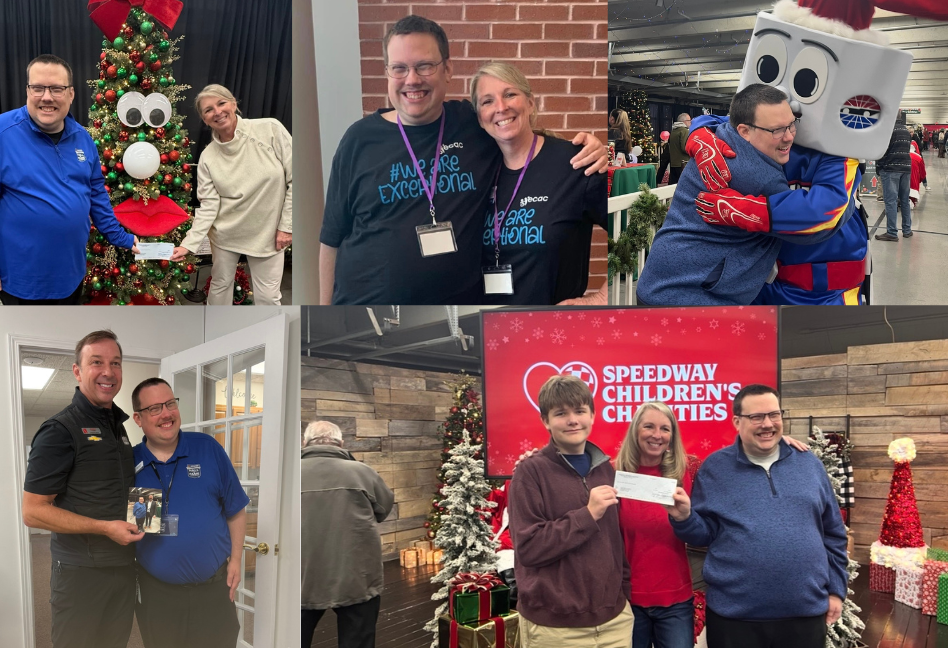
ECAC recognizes and celebrates Nicholas Batley—one of the founding members of ECAC’s Youth Advisory Team. From the earliest days of a small group gathered around a table to a statewide network of youth voices, Nicholas has been a constant presence, sharing his experiences, advocating for others, and leading with humor, honesty, and heart. Through seminars, summits, and countless conversations, he has shown what self-advocacy, growth, and determination truly look like. As Nicholas prepares to close this chapter of his YAT journey, we are honored to share his reflections and the legacy he leaves behind.
Click here to read more from Nicholas
| |
ECAC Youth Advisory Team Members Participate in
"Dare to Lead" Panel at The Arc National Convention
| | |
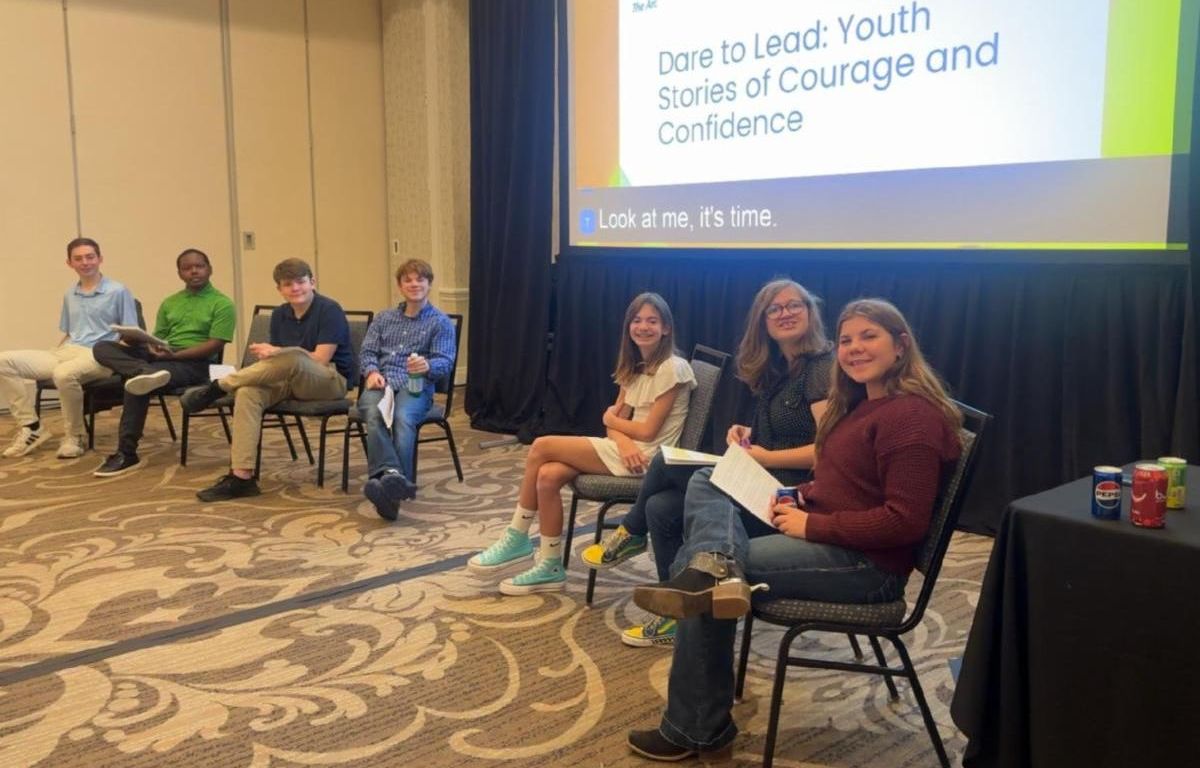
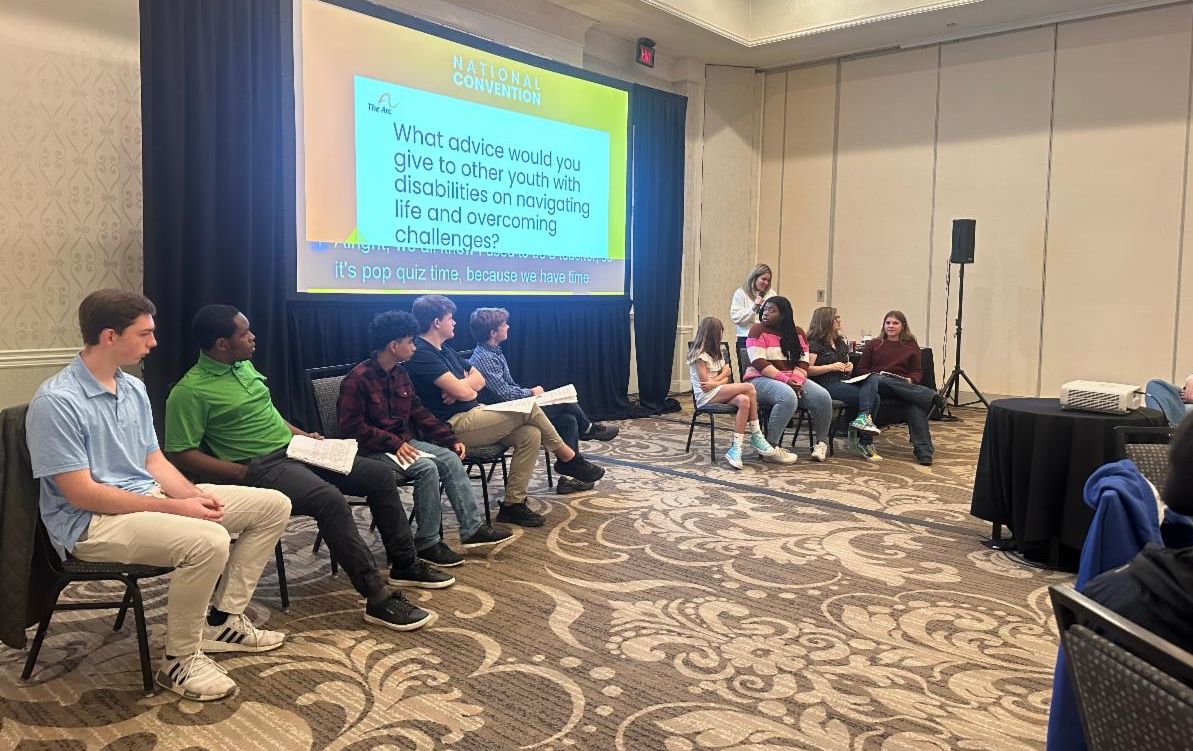
Members of the ECAC Youth Advisory Group attended the Arc National Convention held in Charlotte, NC this past November. They were part of the "Dare to Lead" panel. The convention gathered advocates, people with intellectual and developmental disabilities, families, professionals, and leaders from across the U.S. in a multi-day event focused on advocacy, inclusion, community building, and leadership.
Advisory team members share their thoughts on the experience...
"Participating in the ECAC Youth Advisory Team panel has been one of the most meaningful experiences I've had while on the team. Listening to other youth advocates share their stories taught me that every disability journey is different, yet we all share common challenges and victories. I wanted to join this panel because I know what it's like to navigate school with hearing loss, and I believe that sharing my experiences helps teachers, parents, and other youth understand strategies that make a difference in their day-to-day lives. Speaking about my journey made me feel heard, knowing my voice could truly help people think differently about disabilities. I also want other teachers and adults to know how to support other people with disabilities and have the tools to help them succeed."
- Matthew Markus
"Participating in the youth panel at the National ARC convention was exciting because I got to participate with my friends at YAT and share my experiences with others who may benefit from my story. I felt proud that what I shared may help others gain a better understanding of what it is like to live with a disability. I would tell other youth who want to share their experience with others to remember that there are no wrong answers. Everyone has a different story and experiences, so just share who you are." - Jaxson Eroh
| | North Carolina's Got Talent! | | |
YEP's North Carolina's Got Talent is here to put a spotlight on the many talents and abilities of N.C. Youth & Young Adults with Disabilities ages 5 to 26. The format of submissions can be a poem, artwork, blog, video, song, essay, article, presentation, an "About me" article, you name it. ECAC's Youth Advisory Team then reviews the submissions and chooses which ones to feature.
The NCGT application is now open. Apply by Tuesday, March 31, 2026. 10 winners will be chosen and featured in the April edition of the YEP Newsletter. Selected entries receive a $25 check in the mail!
| | Opportunities for Youth and Young Adults! | |
American Association on Health and Disability Scholarship Program
The AAHD Frederick J. Krause Scholarship on Health and Disability is awarded annually to deserving students with a disability who are pursuing undergraduate or graduate studies in an accredited university. This scholarship recognizes students pursuing studies related to health and disability, particularly majors that will impact the quality of life of persons with disabilities. Students who have not yet graduated from high school will not be considered. Deadline to apply is March 6th.
| | | |
National Disability
Leadership Series
A 100% virtual training series on disability advocacy and action for inclusion in school, work and community. It will be held from May 2026 to February 2027 with 100 people: young disabled adults, educators, professionals, and family members.
Eligibility:
-A disabled young adult (age 18-30)
-A family member or legal guardian of a disabled youth/young adult (age birth to 30)
-An educator, transition professional, non-profit staff, or other professional who works with disabled youth/young adults.
Deadline: February 15, 2026
| | | |
New Paid Fellowship for Community Reporters with I/DD
Community Reporters are individuals with I/DD who enjoy storytelling, meeting people, and sharing news from their communities. They will use their skills to collect local stories, interview community members, and create short stories in a format of their choice, such as blog posts, audio or video interviews, graphic art, and infographics. Their stories will be shared on NCCDD’s website, newsletters, and social media. This is a paid, five-month fellowship with a $2,000 stipend. 23 East Group, the marketing and communications agency for the North Carolina Council on Developmental Disabilities, will provide training, monthly check-in sessions, and ongoing support throughout the program
| | | | |
North Carolina Community Foundation
Nearly 140 college scholarships administered by the North Carolina Community Foundation are now open for applications! Most close on March 3rd - no cost to apply.
Most scholarships close for 2026 applications on March 3. There is no cost to apply and students can apply online using NCCF's Universal Scholarships Application.
| | |
CLICK HERE FOR A PDF VERSION OF YEP
| | ECAC is providing this newsletter as a public service. Reference to any specific product or entity does not constitute an endorsement or recommendation by the ECAC. The views expressed by guest writers, speakers and artists are their own and their appearance in YEP does not imply an endorsement of them or any entity they represent. Views, thoughts and opinions expressed by YEP contributors are their own and do not necessarily reflect the view of ECAC or any of its staff. | | |
1-800-862-6817
www.ecac-parentcenter.org
| | The production of this material was funded by the Office of Special Education Programs Grant No. H328M200039. The views expressed herein do not necessarily represent the positions or policies of the U.S. Department of Education. No official endorsement by the U.S. Department of Education of any product, commodity, service or enterprise mentioned is intended or should be inferred. | | | | |