Graphic by Rivka Reich ('24)

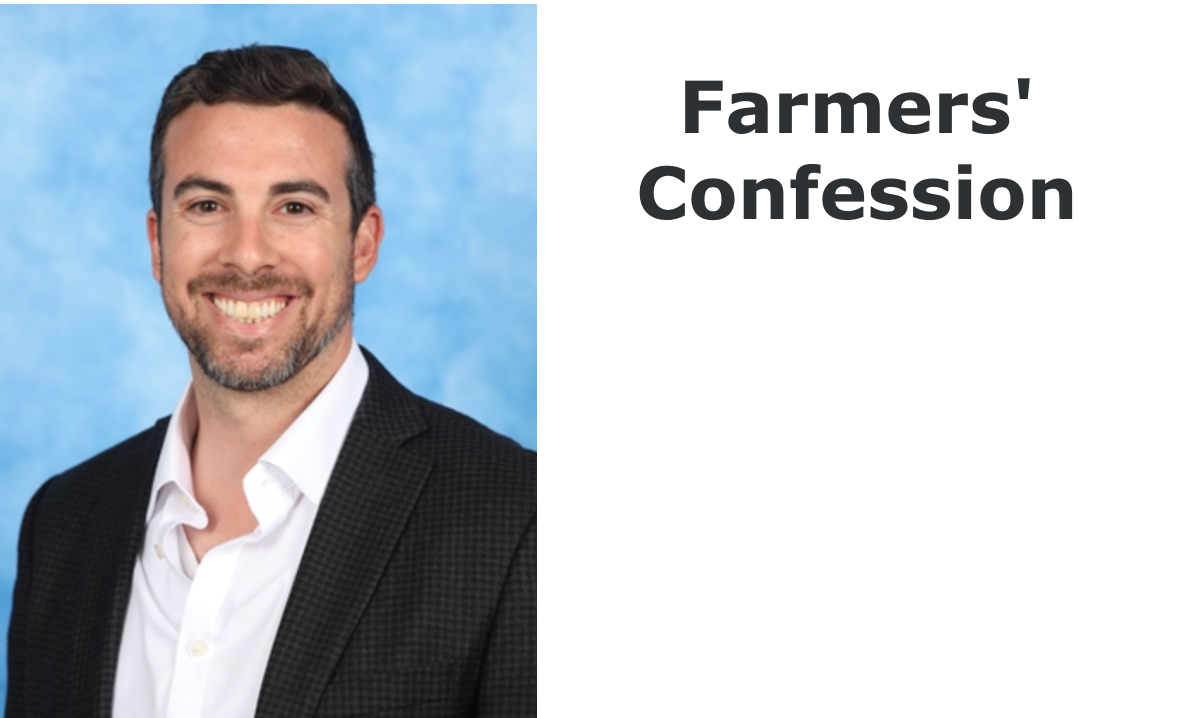
The words vidui/confession usually conjure up memories of Yom Kippur and the process of teshuva. However, in this week's Parshat Ki Tavo, we are told of the concept of vidui, but not in the context that we would expect. Farmers are told to bring their bikkurim/first fruits to kohahim in Yerushalayim and to recite vidui upon these fruits. The text they recite might sound familiar:


“A wandering Aramean was my ancestor; he went down into Egypt and lived there as an alien, few in number, and there he became a great nation, mighty and populous. When the Egyptians treated us harshly and afflicted us, by imposing hard labor on us, we cried to Hashem, the God of our ancestors; Hashem heard our voice and saw our affliction, our toil, and our oppression. Hashem brought us out of Egypt with a mighty hand and an outstretched arm, with a terrifying display of power, and with signs and wonders; and He brought us into this place and gave us this land, *Eretz Zavat Chalav uD’vash* (a land flowing with milk and honey). So now I bring the first of the fruit of the ground that You, Hashem, have given me.”


These words are the centerpiece of the mitzvah of sippur yetziyat Mitzrayim at the Pesach seder as they recount our history from the very beginning.


Why is the recitation of our basic history called vidui, as it doesn't seem much like a confession? Moreover, what is the connection between vidui bikkurim and saying vidui relating to teshuva? Why are they both called vidui?


The vidui the farmers say on the fruit is clearly not a confession, but an acknowledgment of Hashem. It comes from the same word as modim, as we acknowledge, confess, our thanks during chazarat hashatz. We are verbally acknowledging and articulating God’s hand in history and recognizing what He has given us. This imbues within us a sense of gratefulness for the first fruits. The same case can be made for vidui regarding teshuva. Understanding and knowing our relationship with Hashem will generate a sense of connection that will help us want to do teshuva and become closer to Hashem. As our last week in Elul is winding down, let’s utilize this time to develop an appreciation for what Hashem has granted us, which will, in effect, change our whole teshuva mindset.


Shabbat Shalom,

Rabbi Shulkes

Never Forget

KYHS Commemorates 9/11 with

Powerful Speakers

Graphic by Abby Rosenthal ('23)


Last Friday, KYHS held a meaningful program in commemoration of the 9/11 attacks. During the schoolwide program, students watched a video in which footage of the attacks was interspersed with interviews about individual experiences as well as news reports from that day.


We then had the honor of welcoming a firefighter to speak about his experiences during 9/11. He shared stories about some of the heroic people who sacrificed their lives to save others, stories that haven’t made it into the history books. He further spoke about how 9/11 has impacted first responders in the long run. This poignant program helped us memorialize and respect the many lives lost during this integral period of American history. 


Students were able to view the tragedy of 9/11 in a completely new light after hearing from someone who experienced it firsthand. Elior Basson (‘23) remarked that, “the assembly was absolutely eye opening and really moving. It brought the events of 9/11 to life and made sure to fulfill the promise of ‘Never Forget’.” Many other students share this sentiment. It was an important and educational assembly that allowed the KYHS community to honor the lives lost on 9/11 and the heroism exhibited on that day.


Article by Hannah Shapiro ('23)

Meet the Teacher Night

Roles are Reversed as Parents Attend School to Learn More About KYHS

Graphic by Aaron Newman ('24)

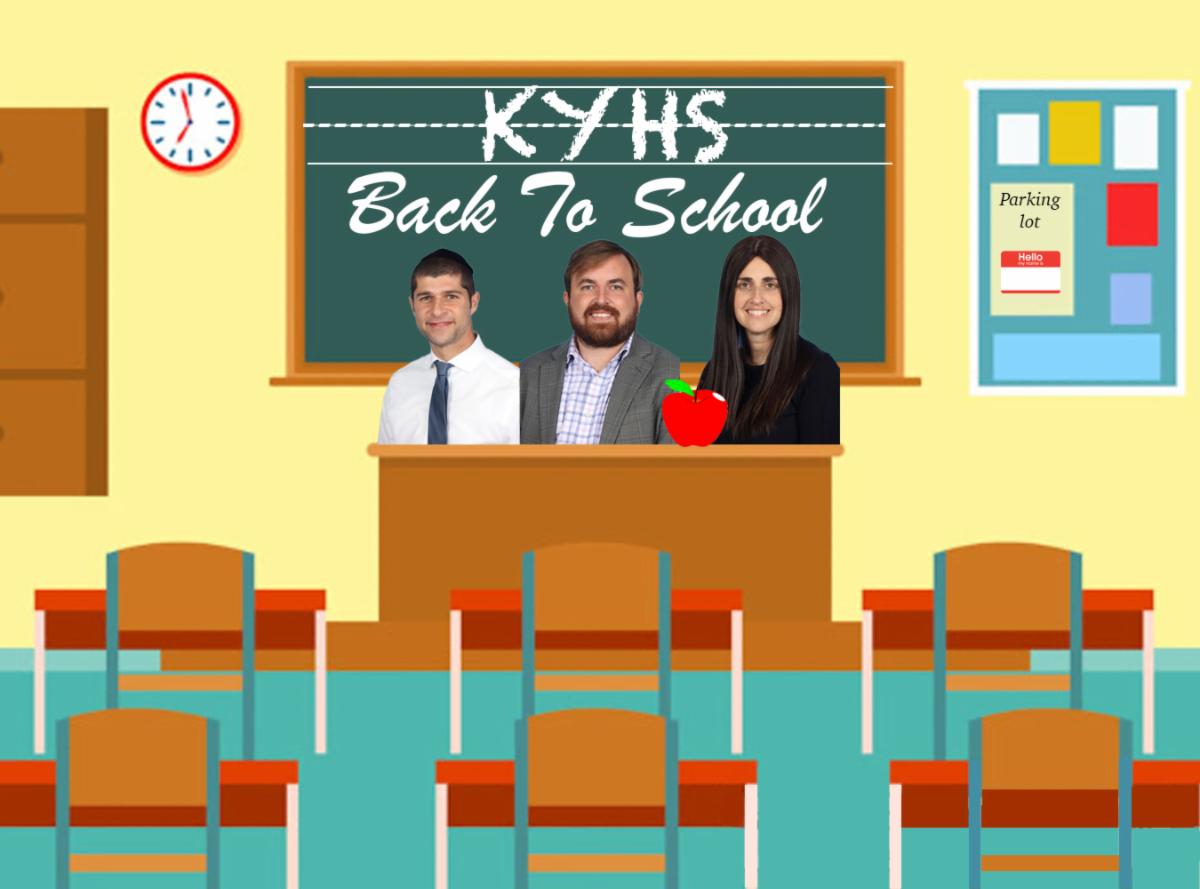
This past Monday evening, KYHS parents joined our wonderful teachers at school to gain some insight about what their kids are learning. Parents got a glimpse of our beautiful campus where students get to spend their time studying, playing sports, and hanging out. Teachers had the opportunity to present their plans for their classes this year, giving parents a taste of the energy and excitement of KYHS classes.


Upon arrival, parents received a copy of their child’s schedule and began going from class to class to hear from their child’s teachers. Each presentation was a brief overview, providing a small demonstration of a lesson so that parents could get a feel for what their child experiences each day at school. Elana Lazar, head of the STEAM department, remarked, “It was so nice to meet my students’ parents and explain to them our lessons so they can really grasp what their kids are learning.”


Article by Keren Lazar ('25)

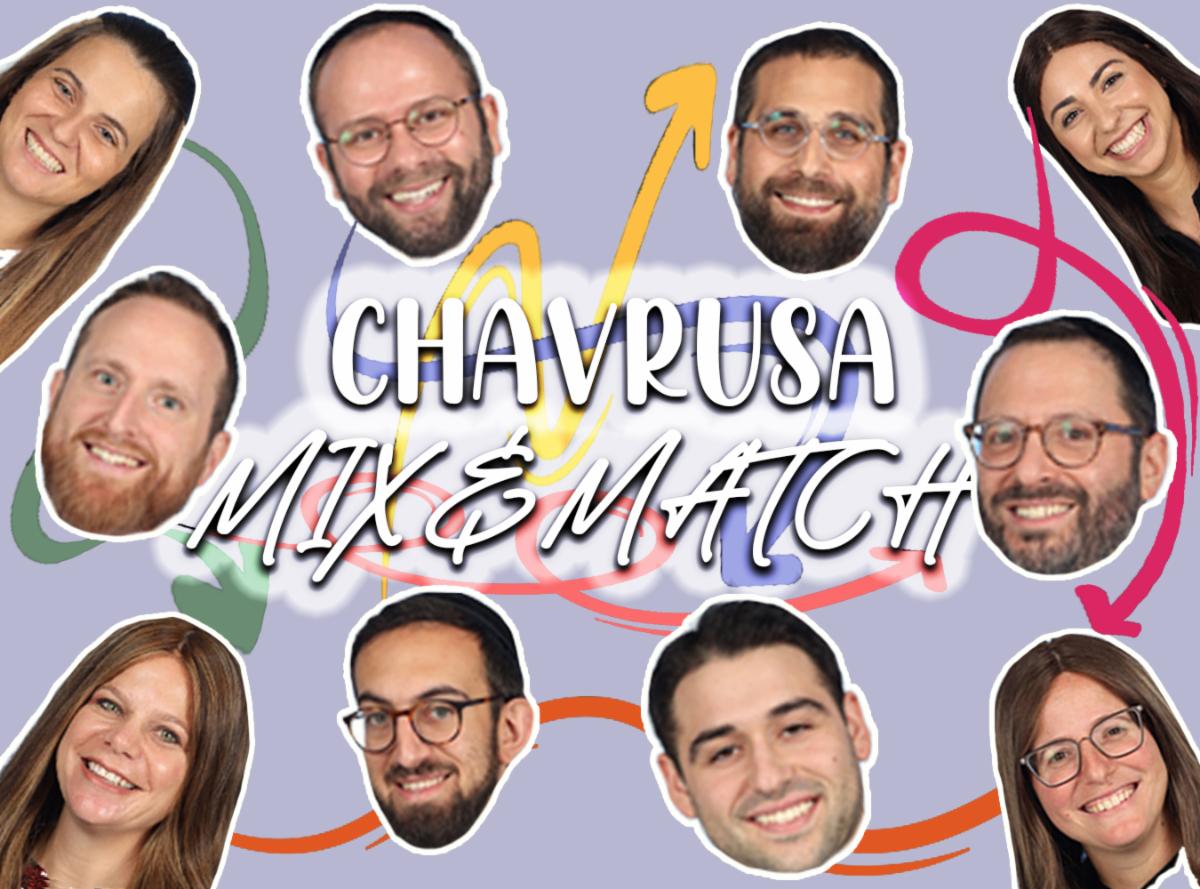
Torah, Teachers, Together!

Judaic Studies Teachers Pair Up to Learn a Wide Range of Topics

Graphic by Shoshana Weinstock ('24)


KYHS students become KYHS teachers. Old news.


At a vigorous pace, former KYHS students have continually returned as members of our illustrious faculty. They currently occupy positions on our Judaic Studies staff, our General Studies staff, and our administrative team. And that is certainly something our school is very proud of. We look forward to more alumni coming aboard!


But did you know that KYHS teachers also become students?


Members of our Judaic Studies staff have grouped together in pairs in order to facilitate their own extracurricular learning. Beyond preparing material for classes and lectures, KYHS Rebbeim and Morot learn together with a chavrusa for—wait for it—fun! There are no tests, no grades, no prizes. It’s just something that we enjoy doing during our free time. 


Our Judaic Studies teachers enter their classrooms each day excited to make Torah learning come alive for our students so that they will want to do it for a lifetime. We want our talmidim to know that this excitement begins with our own learning and our own growth in Torah knowledge. Hopefully, the spark generated by our personal pursuit will follow us into our classrooms and ignite a fiery passion for Torah learning among our students as well!


Article by Rabbi Chaim Lanner

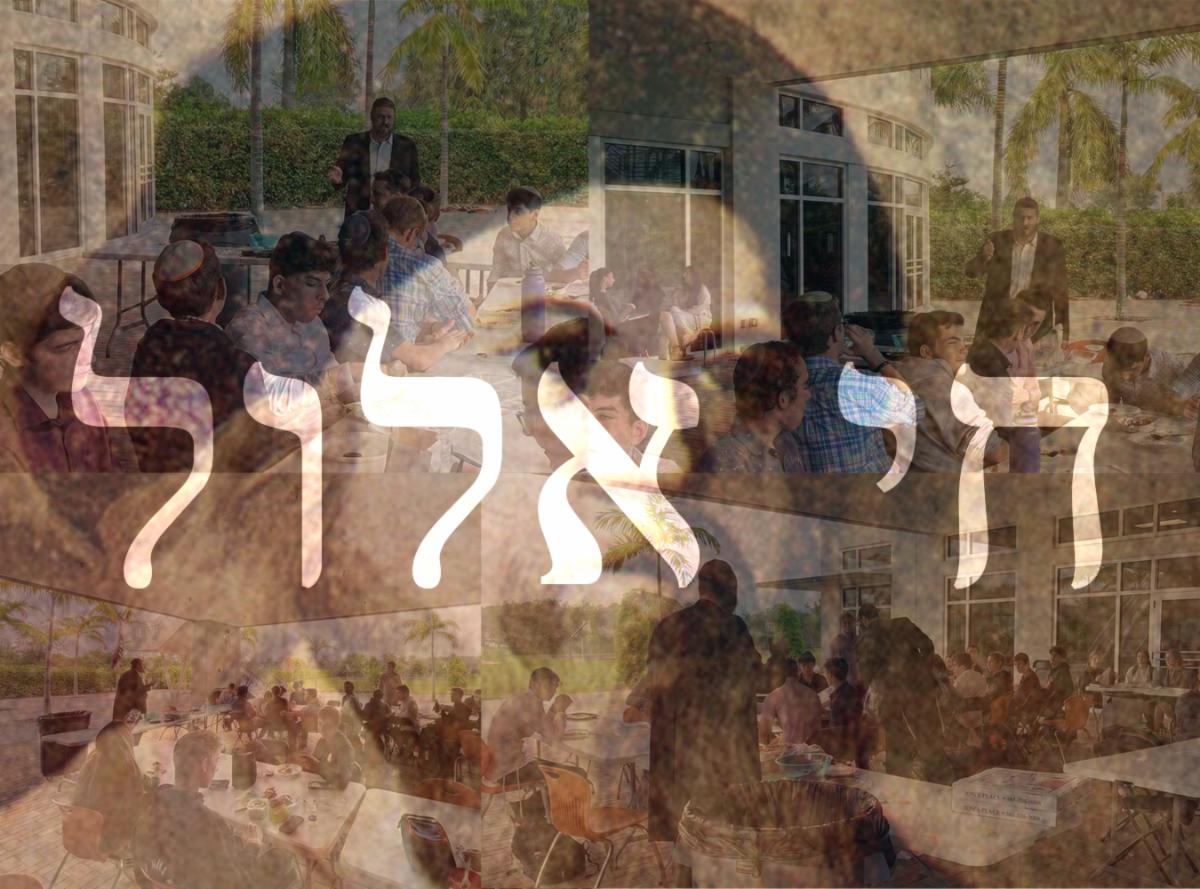
Besht Birthday Ever!

Students Celebrate the Birthday of the Holy Baal Shem Tov with Food and Inspiration

Graphic by Highlites Staff


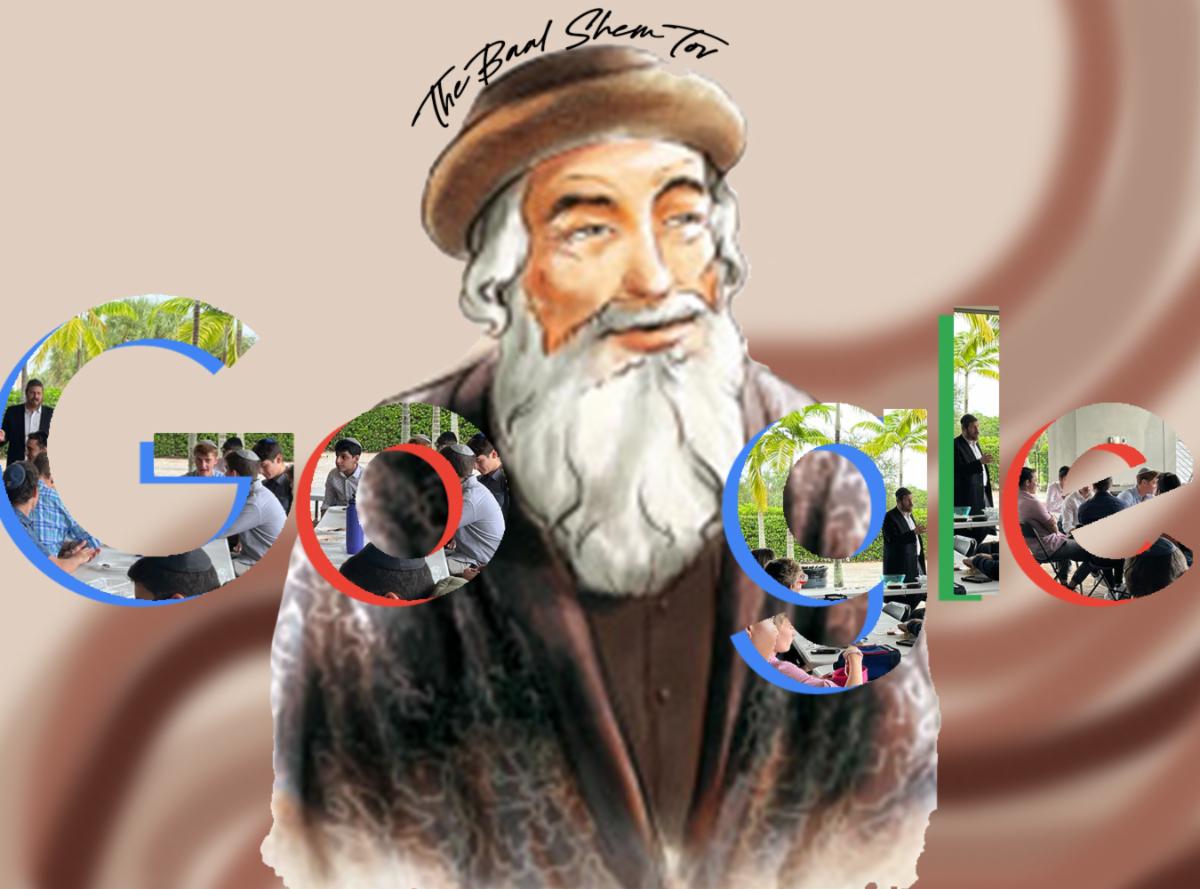
This Wednesday we celebrated Chai Elul, the celebration of the Baal Shem Tov's birthday. The Baal Shem Tov is credited for founding the Chassidic movement. Born in Israel in the 1700s, the Baal Shem Tov received his reputation for being able to perform miracles to help Jews in dire need. The Baal Shem Tov didn’t produce any books, rather he passed down his wisdom orally. 


On Wednesday during lunch, Dr. Yosef Wolf led a farbrengen to celebrate the birthday of the Baal Shem Tov. Students enjoyed a dairy lunch but, more importantly, inspirational words of Torah and beautiful singing. We were privileged to be joined by Rabbi Yossi Denburg of CTeen, who shared Divrei Torah and spoke about the impact the Baal Shem Tov had on the Chassidic world. Dr. Wolf shared: “Chai Elul, the birthday of the Baal Shem Tov and Alter Rebbe, was a day on which a new level of “chiyus” (life) was introduced into Yiddishkeit.” This farbrengen was a beautiful way for students to gather and learn about the start of the Chassidic movement.


Article by Atara Keehn ('23)

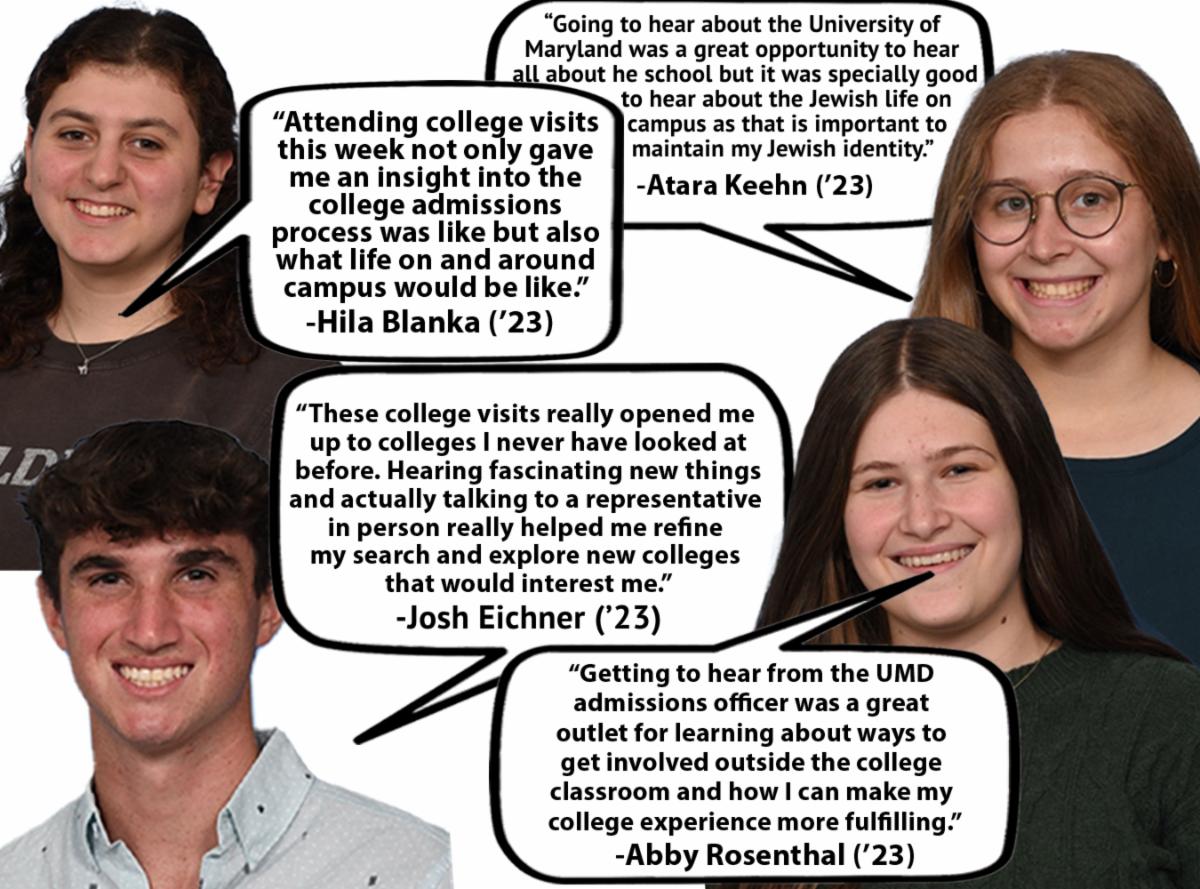
Storm Speaks

Seniors Share Their Impressions of Colleges that Came to Visit KYHS

Graphic by Ezra Dimont ('25) and Eitan Kaminetzky ('25)

Highlites Staff