Graphic by Mikaela Gottheil ('26) | | |
Upcoming Events:
JV Invitational Tournament
Feb. 1-3
Presidents Day
Feb. 16
| |
| |
MAKE SURE TO JOIN THE WEEKLY POLL CHAT FOR SHTICKY ARGUMENTS.
Click Here to Join
| |
| |
Good & Welfare:
Births:
Daniel (‘04) and Hudi Krasna on the birth of a baby girl, Avigail Devorah
Sarah (Katz ‘12) and Josh (‘12) Hirth on the birth of a baby girl, Moriah Ayla
Rebecca (Muller ‘13) and Dr. Jeremy Feintuch on the birth of a baby boy, Henry Kasten
David (‘10) and Devorah Petrover on the birth of a baby boy, Eitan Yehuda
Evan (‘07) and Avital Abitbol on the birth of a baby boy
Perla (Maikhor ‘09) and Seth Salver on the birth of a baby girl, Aviva Ida
Rachel (Gittler ‘16) and Marc Nechmad on the birth of a baby girl, Emunah Lielle
Doni (‘14) and Sarah Simon on the birth of a baby boy, Menachem Yitzchak
Marriages:
Yonina Kaminetsky (‘21) to Zeke Zwelling from Chicago, IL
Isabella Berkeley (‘18) to Noam Kuritzky from Teaneck, NJ
Amitai Tokayer (‘20) to Lily Weinstein from Raleigh, North Carolina
Engagements:
Ikey Betesh (‘21) to Sarah Simcha from Highland Park, NJ
Condolences to:
Lori Landes on the passing of her beloved father, Myron David Introligator
Faculty Mazel Tovs:
Mazel Tov Rabbi Binyamin and Shana Brodman on the birth of a baby boy, Meir Simcha
| |
| |
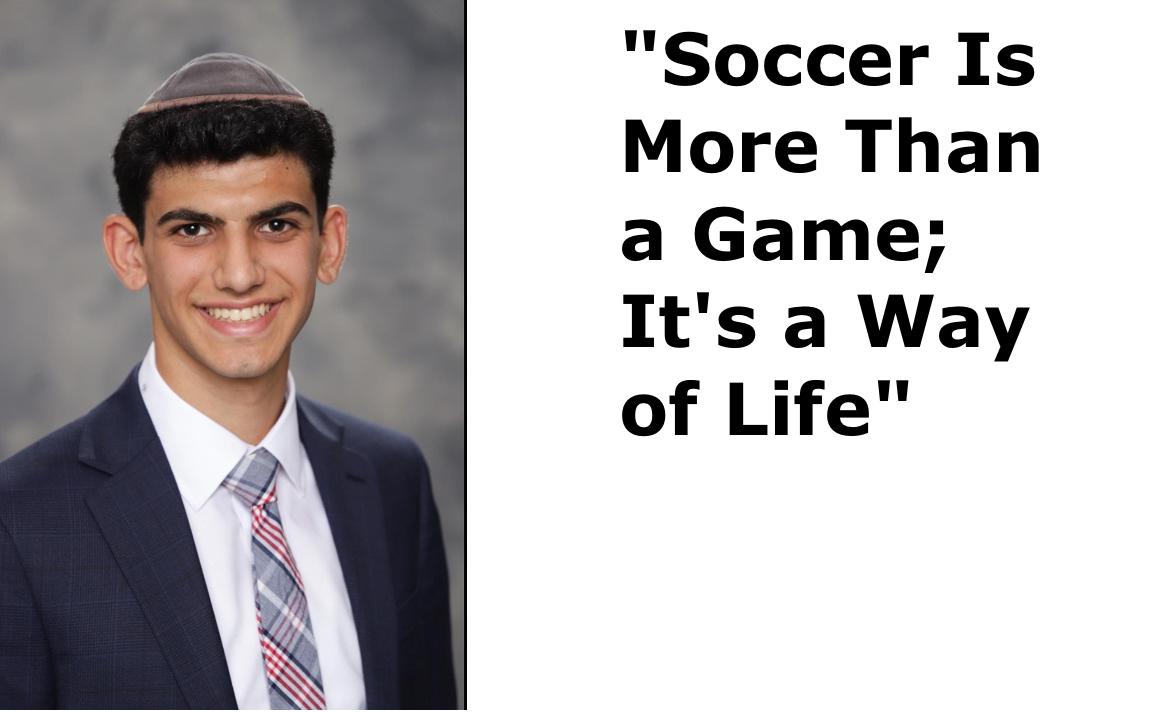
The Tuesday before break, the Storm played against Oxbridge in a regular four o'clock boys varsity soccer game. From the kickoff, the game was extremely fast-paced and aggressive, players getting shoved and kicked to the ground. The very mushy and slippery field contributed to the falling and on many occasions angered players as they were left in shock on the ground, looking around for a penalty. Soon after the second water break, the Storm took a two-goal lead which started from a beautiful strike from senior Avi Bloom (‘26), which just made Oxbridge play more aggressively. The refs noticed the increase in fouls and quickly started to hand out yellow cards. The fouls started as regular soccer plays, such as accidentally missing the ball and hitting an ankle or leaning in to an opposing player but extending an arm too much, but, in the last 20 minutes, turned into dirty slidetackles, shoves from behind, and disrespectful comments to us and the refs. Even though we were getting fouled and yelled at, we remained calm and played with respect.
After we came out with a 2-0 victory, I was walking on the sidewalk from the field to the gym and passed an Oxbridge player and his father. As I sped up to go around them, I turned and said, “good game, guys” and casually waved. The father responded the same, and I kept walking to the gym. However, after passing the boy, I realized he was crying. I assumed he must be really upset he lost and was probably angry because he thought the refs did not call the game fairly. When I saw his red face, I instinctively added a simple, “sorry” so he and his dad would not think that KYHS is home to a bunch of insensitive jerks. The boy’s father responded by saying that we “played a great game and [he] loved watching [us] play.” I immediately said thank you, but the dad continued, saying that “these kids played like idiots, and it’s really amazing that [we] kept [our] composure even when [we] got fouled.”
Being the person I have grown to be, Baruch Hashem, treating others with kindness and respect is something that I make sure to never overlook. After speaking with the father for a few more seconds, I walked toward the gym feeling proud of the kiddush Hashem our team just made. We took a regular soccer game and made it holy. As Jews, we must act dignified at all times, especially on a field where everyone is watching.
Obviously sports teams worry about getting the win, but many forget that the derech eretz and respect our players play with does not go unnoticed. While many do remember you for a remarkable goal or a fade away three, what really makes an impact is the way you act and treat others on and off the court/field.
Good Shabbos,
Golan Aghion ('26)
| |
| |
Student Standoff
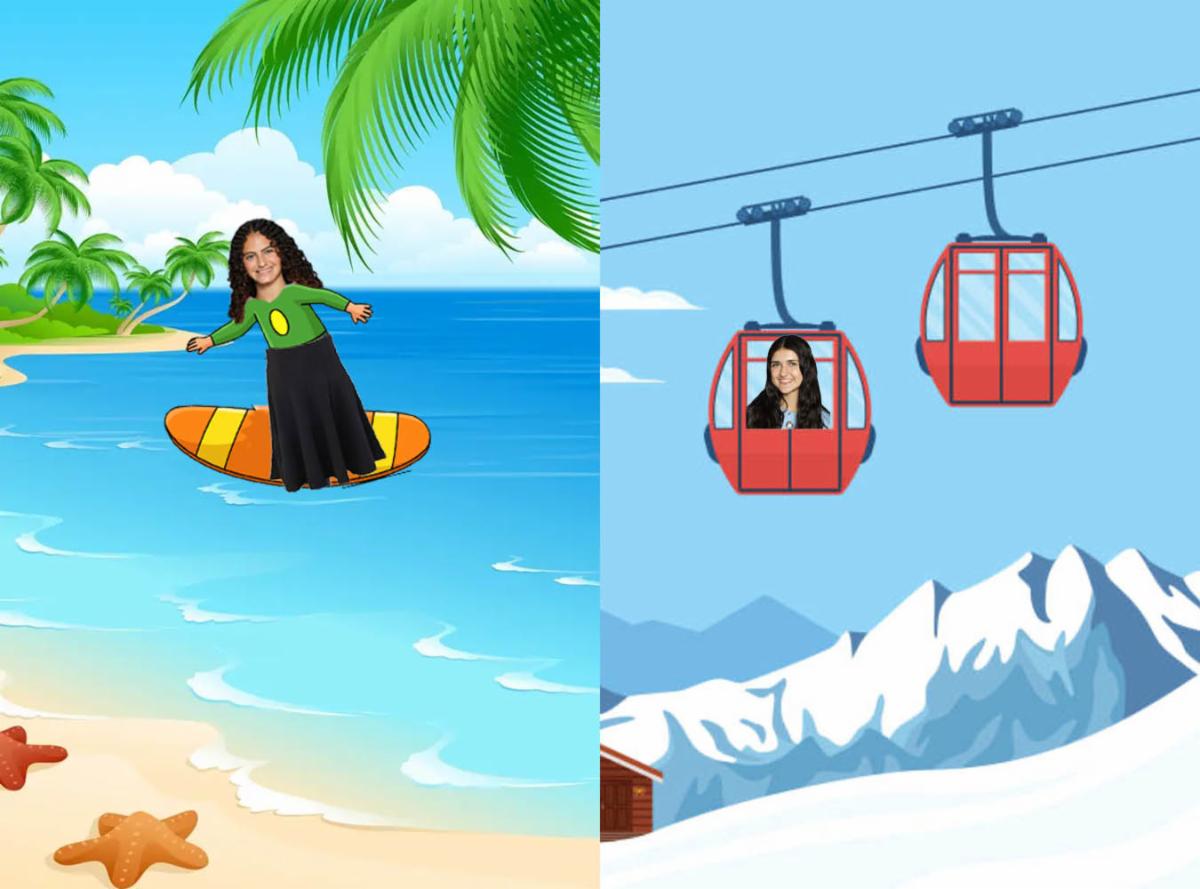
Warm Beach Vibes🌴 VS Shredding the Slopes🏂
| |
|
Graphic by Serena Fialkoff ('27)
When it comes to winter break vacations, warm and beachy destinations are clearly on top. As a Floridian, I am already freezing when it is 60 degrees, so winter break is the perfect chance to escape the cold instead of making it worse. The last thing I want is to travel somewhere even colder and somehow make winter feel longer. I never have to worry about piling on layers just to leave the house. I could step outside, feel the sun, and actually enjoy being outdoors.
Warm destinations also give you way more freedom. Cold vacations usually revolve around skiing, but in a warm place, there is always something to do. You can hike, explore beach towns, relax on the beach or by the pool, go down waterslides or float on a lazy river. The ocean and warm weather make everything feel calmer and more enjoyable, which is exactly what winter break should feel like.
Food is another reason warm trips are superior. Eating ice cream or açaí bowls in cold weather feels wrong. In warm weather, those foods are actually refreshing. You can enjoy them without shivering or rushing back inside. Being able to get some sun during winter break is a huge bonus. Coming back to school sunkissed, tan, and actually looking refreshed rather than even paler is another reason why sunny vacations are the better option. It beats returning tired from freezing temperatures and is proof that your break was actually a break.
At the end of the day, winter break should feel easy and refreshing. Warm and beachy destinations let you relax, stay active if you want to, and escape the cold you already deal with at home. While cold trips have their moments, nothing beats sunshine, ocean air, and coming back from break feeling warm, relaxed, and tan.
Argued by Liel Levy ('27)
| |
|
Cold, snowy destinations are the superior choice for winter break vacations because they actually feel like winter. They offer more adventure and a sense of seasonal magic that warm-weather trips just can’t compete with. When you travel somewhere cold, the experience changes completely: you’re switching locations, yes, but you’re also stepping into a whole other world.
Winter destinations come with endless activities that are both exciting and energizing. Skiing, snowboarding, sledding, and tubing aren’t things you can casually do anywhere, and they let you stay active for hours without being drained by heat or humidity. Compare that to beach vacations, which tend to feel repetitive year-round: sun, sand, sweat, repeat. After a while, the heat gets exhausting, and every day starts to blur together.
Snowy landscapes also offer something especially meaningful for students from Florida, where seasons barely exist. Snow-covered mountains, frozen lakes, and cozy towns feel almost unreal when you’re used to palm trees and 80-degree winters. That contrast makes the trip more memorable and more exciting, making it a real, meaningful experience and not just a casual break from school.
Most importantly, cold destinations match the purpose of winter break itself. Winter break is meant to pause your routine and let you fully embrace the season. Traveling somewhere cold allows you to do exactly that, creating memories that are tied to the time of year instead of ignoring it. Warm destinations may be comfortable, but cold ones are unforgettable, and winter break should be exactly that: a reset that helps you finish the year strong.
Argued by Orlee Shemesh ('28)
| |
OOO We're Half Way There
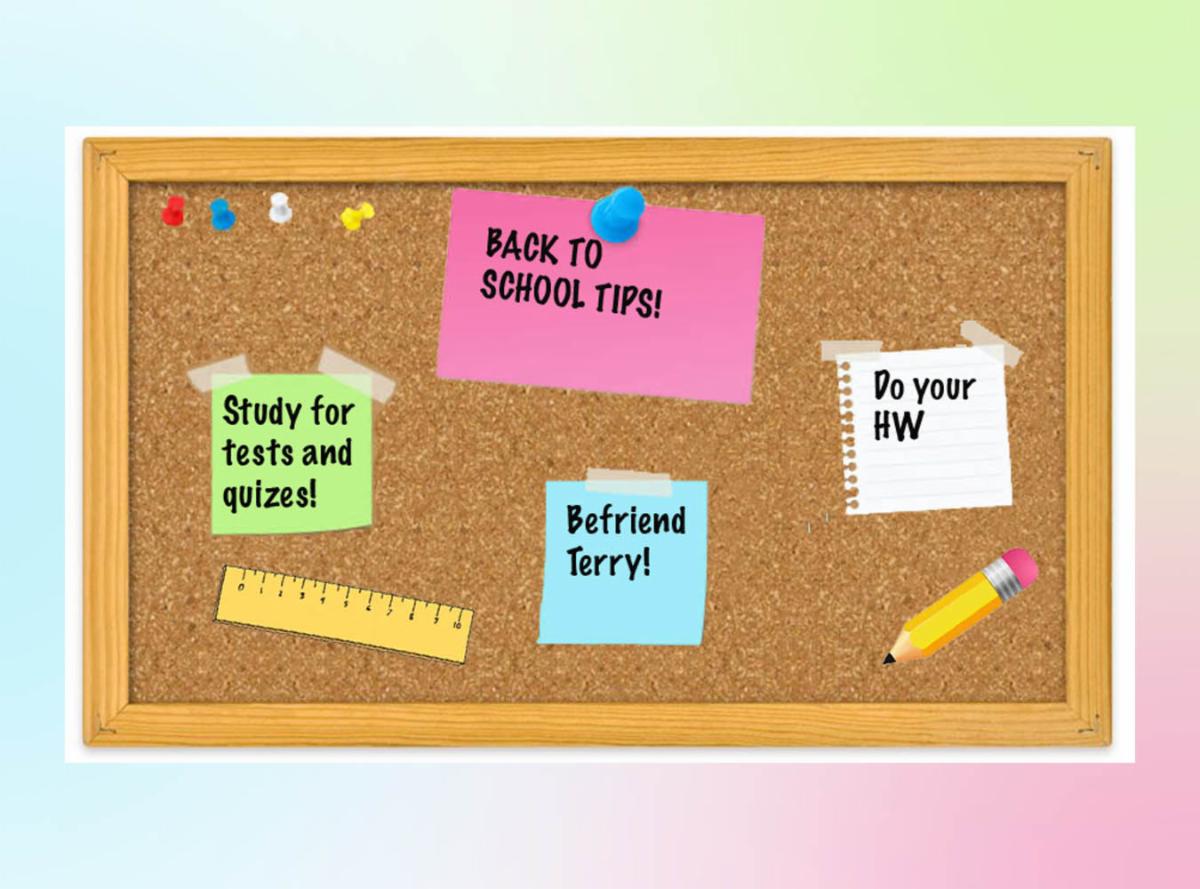
Tips to Get Back in the School Mindset
| |
|
Graphic by Talya Zaretsky ('27)
Getting back into the school mindset can be super difficult, especially after coming back from winter break. While it can feel like a bit of a struggle initially, the good news is that you can get refocused and re-energized with a few helpful tips.
First, it is important to set clear, achievable goals that can be accomplished to motivate yourself. Instead of tackling homework all at once, try to work on it in sessions of fifteen minutes or so. Setting these mini goals builds confidence and momentum, as well as relieving stress from assignments. Another great tip is to gradually ease back into your schedule. If you are not working at the same pace as before your break, that is completely fine. Easing back into your routine helps to avoid overworking yourself and burn out.
Additionally, starting assignments earlier than you usually would makes them more manageable, lowering your stress levels. Fellow student Yossi Jaimovich (‘27) motivated his peers by sharing some tips of his own. According to Yossi, “A great way to get back into the school mindset is to make sure your sleep schedule is back to normal. Also, don’t overload yourself with work in the first few days.”
Using the tips provided by Yossi and myself will surely make getting back into a stable routine more manageable. By rebuilding schedules and setting goals, school becomes less stressful and overwhelming. Doing these things over time will help you regain confidence and academic discipline, with success following suit.
Article by Aryeh Gross ('27)
| |
|
"It's Pronounced לא aye👊"
KYHS Hosts Loay Alshrareef, an Arab Muslim Peace Advocate, Historian, and Social Media Influencer
| |
|
Graphic by Lexi Newman ('28)
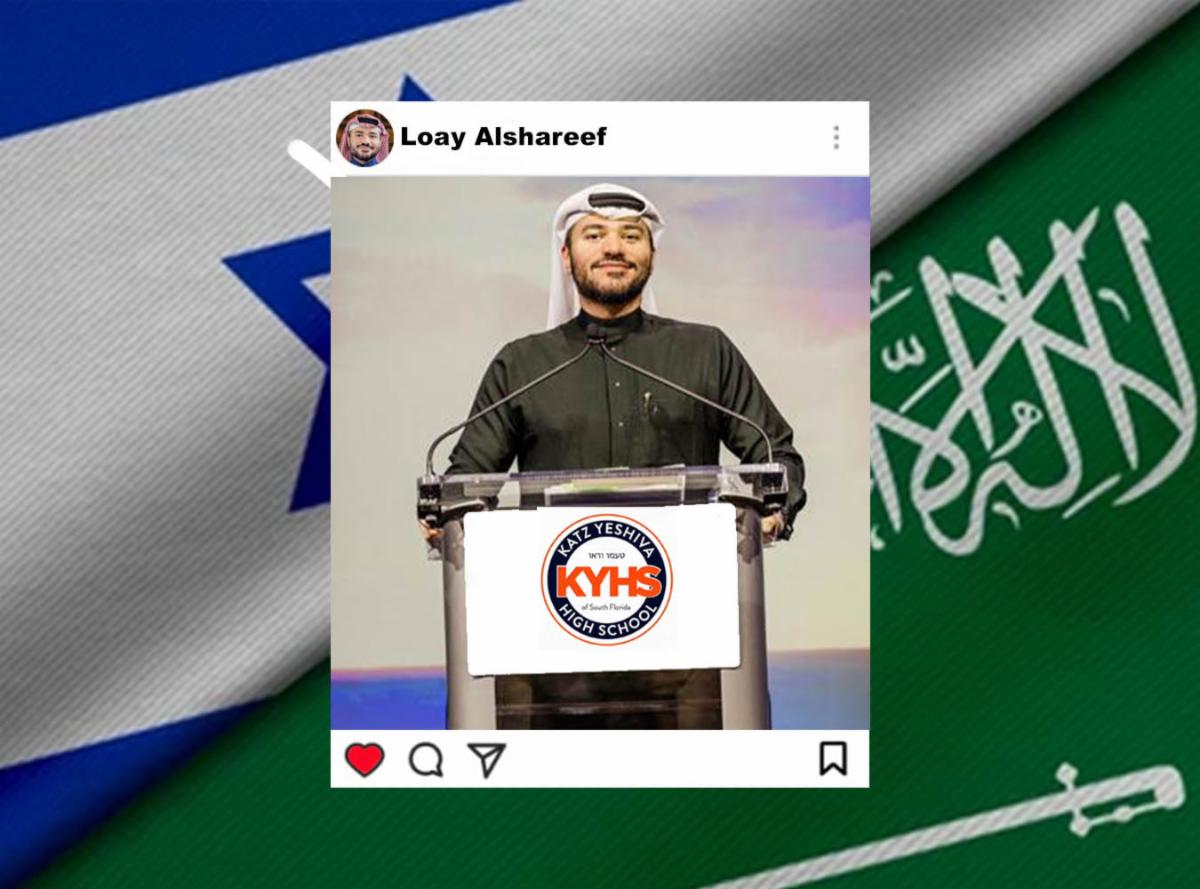
This past Tuesday, KYHS had the privilege to hear from Loay Alshareef, an Arab Muslim Peace advocate and social media influencer. Loay (pronounced לא and then aye, or just Louis to his American friends) came to speak to us about his experience growing up in an Arab country and his journey toward seeing the truth and escaping the cycle of Jew hatred that is normalized in most Muslim countries. He grew up in Saudi Arabia where he was taught in school to hate Jews and even though he had never met a single Jew in his youth, he hated them anyway.
Because of this baseless hatred, Loay was shocked and enraged when, doing an exchange program in France, he was paired with a Jewish family. Immediately, he wanted to switch, but he was convinced to stay a little longer because the family served the most delicious Jewish cuisine. This gave him his first chance to really speak to other Jews and learn the truth, escaping the propaganda that had been taught to him his entire life.
Now knowing the truth rarely shown in Muslim countries, Loay realized that he had a unique opportunity to try and bridge the gap between Jews and Muslims. He decided to launch an Instagram account to create short, informational videos exposing the truth about Jewish-Muslim relations. Loay now travels around the world speaking and sharing his experiences, trying to do his part in helping to create a true and lasting peace between Jews and Muslims.
This was definitely a unique opportunity because we got to hear from someone that didn’t necessarily hold all of the same views as us. Benny Hochner (‘27) said, “It was really special being able to hear from someone who had first-hand experience of all the hatred that is being taught in some countries.”
As a school, we thank Loay for coming to speak to us and reminding us that each of us have a responsibility in creating peace and bridging the divide between Jews and Muslims.
Article by Avi Weinstock ('27)
| |
| | | |