Graphic by Mikayla Gottheil ('26) | |
|
Good & Welfare:
Condolences
Mrs. Debby Levitt on the passing of her beloved father, Gamliel Aharon
Liz Stadlan on the passing of her beloved father, Rabbi Samuel April
Births
Jonathan (‘17) and Tamar Leff on the birth of a baby girl, Kira Batya
Engagements
Lindsay Munter (‘17) to Victor Allaham from Brooklyn, NY
Moshe Levenson (‘14) to Amanda Klestzick from New Rochelle, NY
Faculty Mazel Tovs
Rabbi Chaim & Rina Lanner on the engagement of their son, Yitzy (‘19), to Tamar Mayer from Queens, NY
| |
|
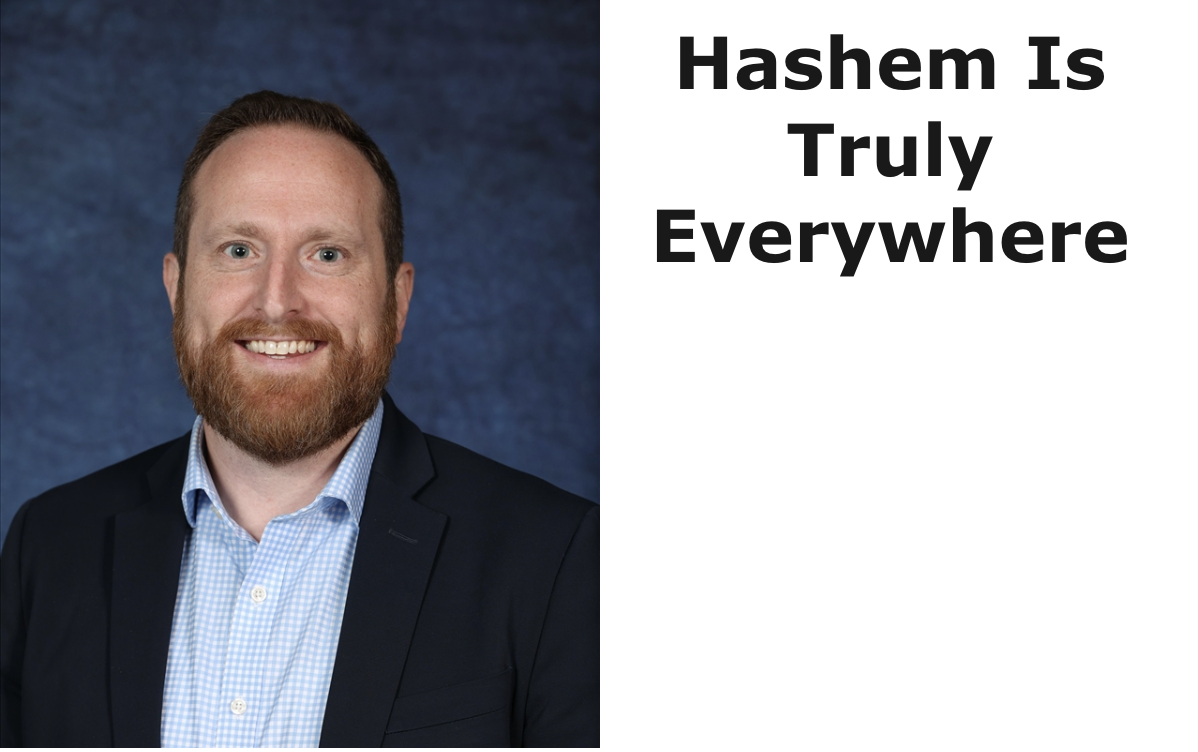
Parashat Bo begins with Hashem commanding Moshe to go to Pharaoh and deliver the message of the impending eighth plague. The verb used, however, seems off. The pasuk says: “וַיֹּ֤אמֶר ה’ אֶל־משֶׁ֔ה בֹּ֖א אֶל־פַּרְעֹ֑ה - Hashem said to Moshe, come to Pharaoh…” ‘Come’ to Pharaoh? Shouldn’t it be ‘Go’ to Pharaoh? Since Moshe is being sent on a mission, certainly the appropriate word to use here is ‘Go.’ Why, then, does Hashem say ‘Come’?
To answer this question, the Chozeh of Lublin points us to the first conversation between Hashem and Moshe -- as you may recall, this took place at the burning bush seven perakim earlier. Hashem tells Moshe that the affliction of his people has become too much and that He intends to release them from the bonds of slavery. Moshe would serve as the leader of this redemption. Hashem explains Moshe’s crucial mission very clearly:
וְעַתָּ֣ה לְכָ֔ה וְאֶשְׁלָֽחֲךָ֖ אֶל־פַּרְעֹ֑ה וְהוֹצֵ֛א אֶת־עַמִּ֥י בְנֵֽי־יִשְׂרָאֵ֖ל מִמִּצְרָֽיִם
So now I will send you to Pharaoh, and take My people, the children of Israel, out of Egypt.
Faced with this daunting task, Moshe responds in a manner in which we likely would have ourselves. The Torah continues:
וַיֹּ֤אמֶר משֶׁה֙ אֶל־הָ֣אֱלֹקים מִ֣י אָנֹ֔כִי כִּ֥י אֵלֵ֖ךְ אֶל־פַּרְעֹ֑ה וְכִ֥י אוֹצִ֛יא אֶת־בְּנֵ֥י יִשְׂרָאֵ֖ל מִמִּצְרָֽיִם
But Moshe said to God, "Who am I that I should go to Pharaoh, and that I should take the children of Israel out of Egypt?
Moshe does not feel adequate for the job. Moshe does not think that he has what it takes to complete the mission and lead the Jews out of Egypt. In his mind, he’s just not worthy. If it were my place to convince Moshe to head out on this mission, I’d jump into some type of pump-up speech. I’d tell him that he’s been a great shepherd, and that leading the people out of Egypt would be the same. I’d tell him that he’s a great leader and that he’s the perfect man for the job. But, Hashem responds to Moshe with three simple, yet dramatic words: “כִּי־אֶֽהְיֶ֣ה עִמָּ֔ךְ - For I will be with you.” With that, Moshe is set. All he needed was the reassurance that he would not be alone on his mission. Hashem promises Moshe that for as long as needed, Hashem would be there right beside him.
Now it makes sense: “וַיֹּ֤אמֶר ה’ אֶל־משֶׁ֔ה בֹּ֖א אֶל־פַּרְעֹ֑ה - Hashem said to Moshe, come to Pharaoh…” Moshe was not going alone, but coming with Hashem to Pharaoh. Moshe would not have to face Pharaoh alone, rather Hashem would be there to lend guidance, support, and confidence.
Shabbat Shalom,
Rabbi Akiva Wolk
| |
|
The Moment Music Stood Still
KYHS Students Visit the Nova Music Festival Exhibition in North Miami
| |
|
Graphic by Gabriella Asher ('25)
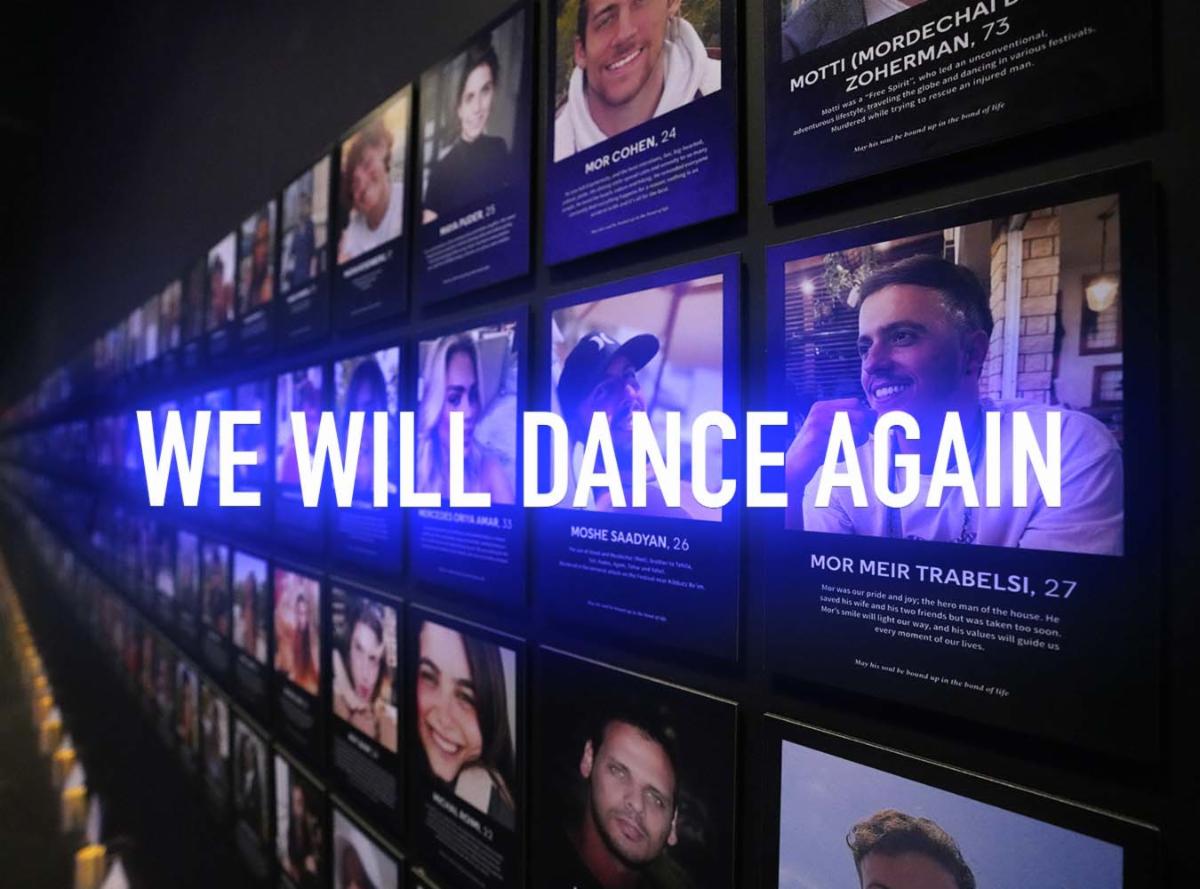
This past Tuesday, students and faculty from KYHS traveled to North Miami to experience the Nova Festival exhibition. Students were prepared in advance by the school and by their parents for the horrifying scenes they would encounter.
The exhibit began in a dark room with a few paragraphs on the walls explaining the Nova Festival and what tragically occurred on October 7th. Scattered throughout the main room were cars that were burnt to pieces alongside camping areas that were disheveled, set up to mimic the way they looked after the attendees of the festival attempted to escape in haste. Nearby stood portable toilets with bullet holes strewn through the doors. These artifacts are authentic and actually were at the nova festival. There was also a stage, like there was at the festival, and a bar that was a complete mess, replicating what was left after the Nova Festival massacre. Beyond the visual component of the room, the auditory components were the most poignant. Throughout the room, there were videos to watch, some testimonies, some from the perspective of proud Hamas terrorists, and some phone calls between parents and children who were taken hostage. Senior Amira Kahn said, “I closed my eyes and just listened. I couldn’t escape the noise. I listened to a phone call between a mother and daughter as the daughter, Romi, who has now, thank G-d been returned home, said what she thought were her final words to her mother. It was absolutely heart-wrenching. What gave me strength was her mother’s ability to stay calm and be there for her daughter.”
The final room was called the healing room. There was finally quiet and serenity after all the noise of the main room. On the walls, there were explanations of what has been done to help the survivors of the festival, families of the hostages, and released hostages recover and process what they went through. In the healing room, we were also privileged to hear testimonies from survivors of the festival.
Overall, it was extremely important for students to see what happened so that we can refocus and continue to be advocates for Israel. May the remaining hostages be returned quickly and safely.
Article by Kira Kornbluth ('25)
| |
Israeli Hostages Released Despite Setbacks | |
|
Graphic by Esti Distenfeld ('26)
As of January 30, 2025, the Israeli-Hamas hostage release deal continues to play out with significant developments. The agreement, which began on January 19, has led to the release of multiple Israeli hostages in exchange for Palestinian prisoners, with more to come.
Among those freed in the first exchange were three female civilians—Emily Damari, Romi Gonen, and Doron Steinbrecher—followed by four female Israeli soldiers: Karina Ariev, Daniella Gilboa, Naama Levy, and Liri Albag. In return, Israel released Palestinian prisoners, primarily women and minors. Since then, three more Israeli hostages have been returned, along with five Thai nationals. Israeli officials have described the deal as a crucial step in bringing home those taken hostage during the October 7 Hamas attack.
Despite the progress, the process has faced setbacks. Hamas recently informed Israeli authorities that eight of the hostages set to be released had died, a revelation that has further complicated negotiations. Israel has demanded more information on these cases while continuing efforts to secure the release of additional captives. Many are wondering specifically about the Bibas family and the condition of Kfir and Ariel.
Domestically, the deal has sparked mixed reactions. While many Israelis have celebrated the safe return of hostages, critics of the release deal have voiced opposition, arguing that releasing Palestinian prisoners could embolden Hamas and pose future security risks. Others argue that every effort must be made to bring back those still held captive.
Israeli Prime Minister Benjamin Netanyahu has reiterated that securing the release of all hostages remains a top priority. Talks are ongoing, with mediators from Qatar, Egypt, and the U.S. working to broker further agreements. The situation remains fluid, with the fate of the remaining hostages and future security concerns at the center of national discussions.
Article by Jacob Zucker ('25)
| |
|
Judaism Is The Priority
Jonothan Yunger Talks to the Class of 2025 on Upholding Jewish Values in the Secular Workforce
| |
|
Graphic by Ezra Dimont ('25)
This Monday, the twelfth-grade class had the privilege of hearing from Jonathan Yunger, an executive film producer who has worked with stars like Ryan Reynolds, Samuel L. Jackson, and Megan Fox. Yunger joined Millennium Films/Nu Image in 2011. He has worked on more than fifty films during his time with the company. After being introduced by Mrs. Mizrahi, the students were soon surprised by the fact that Jonathan Yunger is actually Mrs. Mizrahi’s younger brother! Yunger shared his journey, but the highlight of his talk was a deeply personal story about a near-death experience that changed his life.
This past year, Yunger tripped, hit his head, and was in critical condition. He told the students that, during the time he was unconscious and then recovering, he reflected on the way that he had always promised himself he would start keeping Shabbat or eating kosher "after this next project." Yunger realized he had been putting off his Judaism for years, always thinking he’d have more time. In that moment, he was forced to face the truth that there might not be a “later”. After he was brought back to life by Hatzalah, Yunger took his reflection and put it into action. He shared that while he was trying to change his ways, he was almost fired. When he insisted on taking Saturdays off to observe Shabbat, his boss said, "I’m running a business, not a religion." However, Yunger stood firm in his decision, knowing what he wanted to prioritize. His message to students was clear: don’t wait to live your values. Judaism shouldn’t be something you keep putting off for later—it should be a priority, today.
Article by Abby Tache ('25)
| | | | |