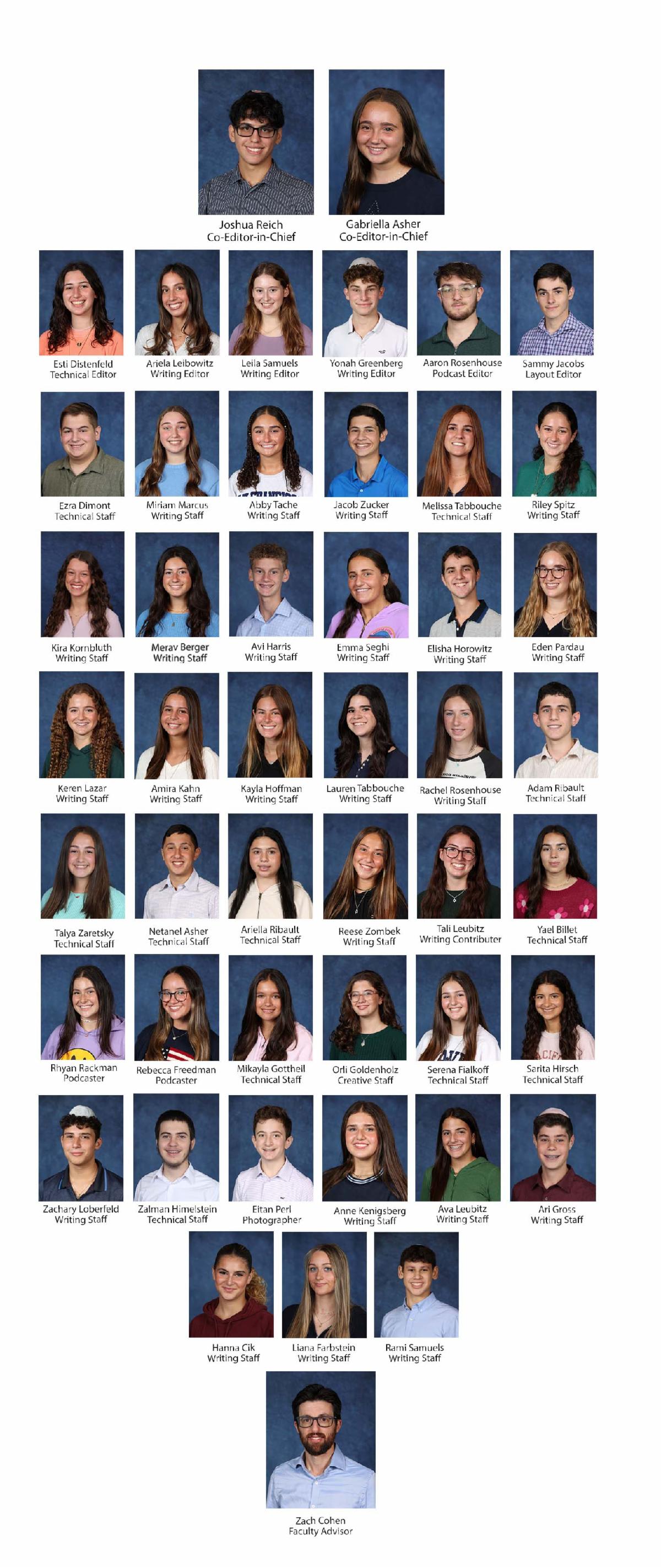
Graphic by Esti Distenfeld ('26)

Upcoming Events:


Girls Shabbaton 

Feb. 28th - Mar. 2nd


Happy Rosh Chodesh Adar!

Feb. 28th- Mar. 1st


Staff Professional Development

(No Classes)

Mar. 3rd


End of Quarter 3 (12th Grade)

Mar. 7th

Good & Welfare:


Alumni Mazel Tovs:

Alex (Berger ‘12) and Shmuel Zidell on the birth of a baby boy

Shosh (Linzer ‘12 ) and Eli Nussbaum on the birth of a baby boy


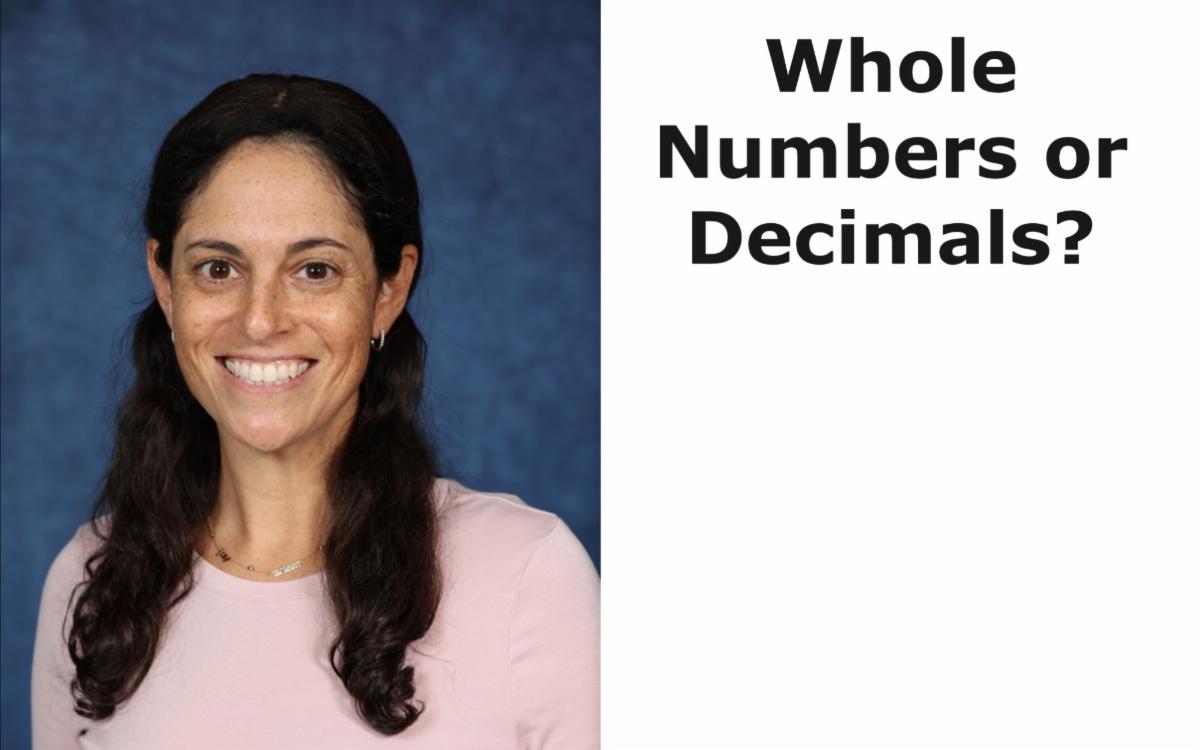
Parshat Terumah describes the construction of the Mishkan. The Torah details all the materials used and the precise way to construct each vessel placed inside the Mishkan. Let’s look at the dimensions of the Ark, Table, and Copper Altar. Each measurement is measured in Amot (Cubits).


Length

Width

Height

Ark

2.5

1.5

1.5

Table

2

1

1.5

Alter

5

5

3

Notice that the measurements of the Altar are all whole numbers and of the Ark are all parts of numbers or decimals. The Table has a mix of both types of numbers.


What can we learn from each of these vessels and their specific dimensions?


The Copper Altar was used for animal sacrifices and meal offerings to Hashem. People brought Karbanot to serve Hashem and become closer to Him. The Copper Altar symbolizes man’s desire to connect to Hashem; it reminds us that we can always find a way to be close to Him. Therefore, the Altar’s dimensions are ‘whole’ or ‘full’; when a person makes an effort to serve Hashem, there is nothing missing. They are doing exactly what Hashem wants from them.


The Table, on the other hand, symbolizes something different. The purpose of the Table was to display the Showbread. When it comes to physical things like food, man might think that he is responsible for its existence. It is man who turns wheat into flour and flour into bread. Man might think that he is ‘wholly’ responsible for physical things like bread; hence the whole numbers in the Table’s measurements. However, the decimal measurement reminds man that he is not completely responsible for physical things like making bread and Hashem always has a part in everything.


Why are all the Ark’s dimensions decimals? The Ark – the Aron HaKodesh – symbolizes Torah. When it comes to learning Torah, we are never complete. We always have more to learn and higher levels of understanding to strive for. 


The dimensions of these vessels give us insight into the mindsets we should have. When we serve Hashem by davening, doing acts of chessed or making any effort to connect to Hashem, we are whole and complete. If we ever start to think that we are completely responsible for things happening in our lives, the Table reminds us that Hashem has a part in everything. Lastly, when it comes to learning Torah – we are never done. There is always another sefer to learn or commentary to explore. Keep Learning!


Shabbat Shalom,

Mrs. Chava Epstein


KYHS Honors the Bibas Family

Graphic by Serena Fialkoff ('27)


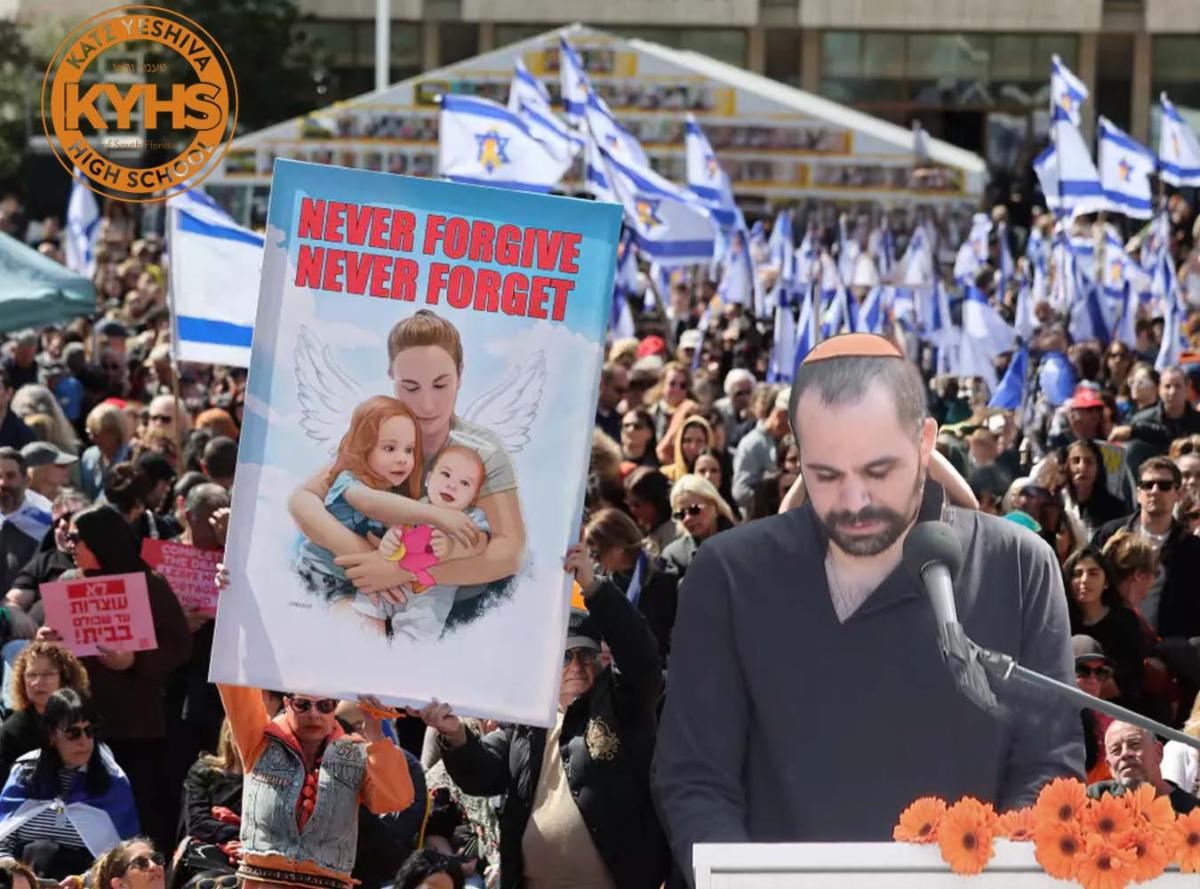
This past Monday, February 24, 2025, marked 506 days since the tragic events of October 7. As we returned to school following the devastating confirmation of the Bibas family's deaths, the weight of their loss hung heavy in our hearts. Ariel, Shiri, and baby Kfir—the youngest hostage of them all—became symbols of the suffering that our people have endured. For over a year and a half, the Jewish people have davened fervently for their safety, holding onto hope, feeling their pain as if they were our own family. Their loss is not just Israel’s loss—it is ours.


In their honor and memory, our entire school gathered in the Beit Midrash to commemorate their lives and the tragic reality that stole them away. At the front of the school, a table stood all day with orange Israeli flag stickers, a quiet but powerful symbol of our support for the Bibas family and for those still held in captivity.


The program began with words from Caleb Snow ('25), who has walked through these halls every day since October 7 with a tape marking each day since captivity began, a reminder that time has not healed the wounds of those still waiting, still suffering. Following him, Talia Leubitz ('25) recited a heartfelt MiSheberach for Tzahal and Israel, a prayer carrying the voices of all who long for peace and redemption. Rabbi Wolk then led us in reciting Tehillim, uniting our voices in an ancient plea for mercy, strength, and justice.


Our head of school, Dr. Raab, shared deeply personal words, reflecting on his own experience of captivity as a young child. Yet, he reminded us how fortunate he was to survive, to live, to tell his story. Not everyone is granted that gift. He urged us not to take our safety and freedom for granted, to recognize the horrors the hostages have endured, and to open our eyes to the responsibility we bear as Jews, as humans, to remember, to care, and to act.

The program concluded with a powerful video depicting the moment the Bibas family was taken as a haunting, heartbreaking reminder of the brutality they suffered. We watched in silence, holding their memory close, honoring not just them, but all the beautiful souls stolen by this war.


Remembrance alone is not enough. We leave this gathering carrying their stories in our hearts, with the responsibility to ensure their memory fuels our unity, our resilience, and our determination. May the Bibas family’s souls be bound in eternal life, and may we never stop fighting for those who still long to come home.


Article by Rachel Rosenhouse ('25)

 Model UN:

High School Voices Shaping Global Futures

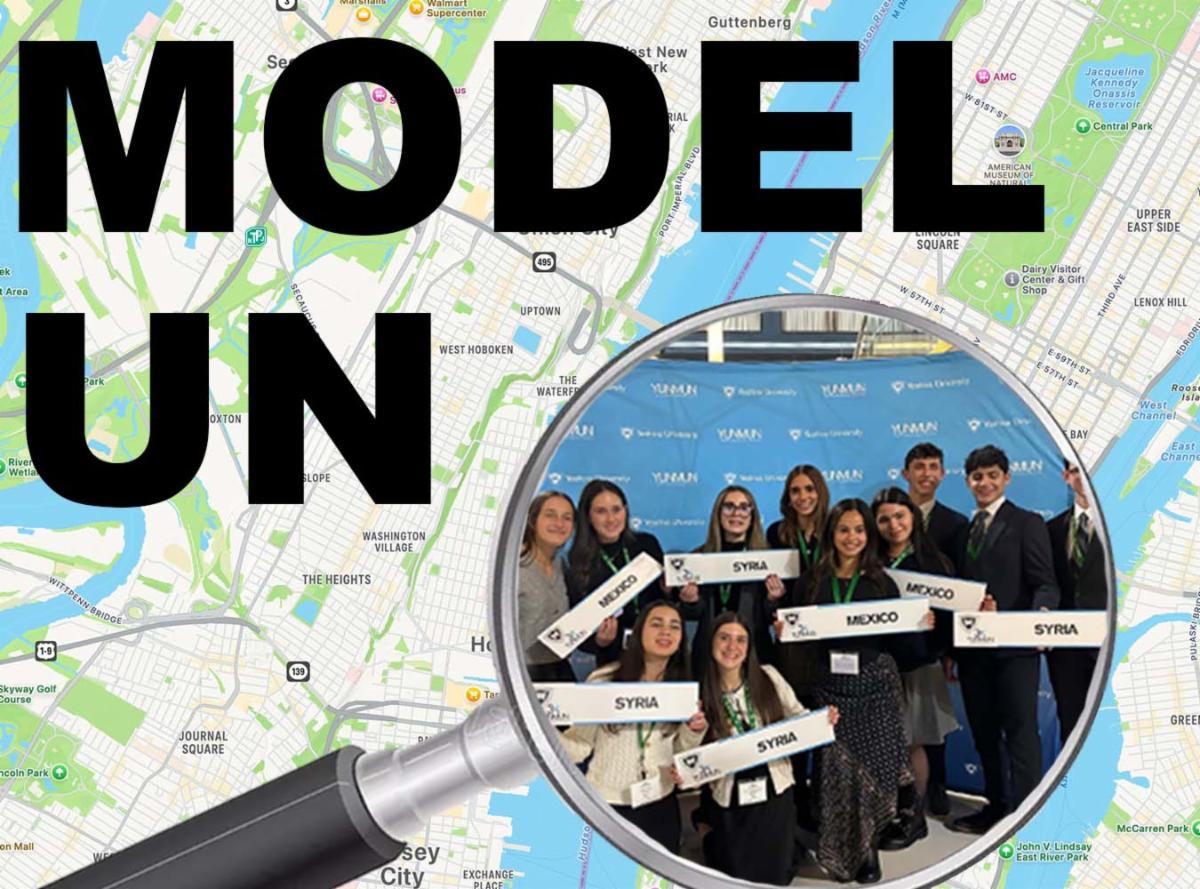
Graphic by Mikaela Gottheil ('23)


Students from Katz Yeshiva High School traveled to Connecticut to participate in the Yeshiva University National Model United Nations (YUNMUN), an intense three-day competition where delegates represent different countries in simulated UN committees. This year, KYHS proudly represented Syria and Mexico, engaging in debates on global issues such as international security, world food programming, and human rights.


Throughout the conference, KYHS delegates demonstrated impressive research, negotiation, and public speaking skills while forming alliances with students from Jewish high schools nationwide. They worked tirelessly to craft resolutions, respond to diplomatic challenges, and defend their nations’ interests in realistic committee sessions. Their ability to think critically, adapt to new information, and collaborate with peers made a lasting impact on the debates.


“The experience was incredible,” said team captain Ari Mergui (‘25). “It was amazing to collaborate with students from different schools and debate global issues from multiple perspectives. We learned so much, and it was also a great bonding experience for our team.”


Beyond the competition, students had the opportunity to hear all about Yeshiva University, interact with faculty, and gain insights into the world of international relations. The trip was both intellectually stimulating and socially rewarding, fostering new friendships, forming leadership skills, and you cannot forget about all the shtick.


With another successful YUNMUN behind them, KYHS students are already looking forward to next year’s competition. The experience not only strengthened their diplomatic abilities but also deepened their understanding of global affairs, preparing them to be the next generation of leaders and problem-solvers.


Article by Merav Berger ('25)

The Future of Technology

What's Next for Our School?

Graphic by Adam Ribault ('25)


As society becomes more technologically centric, KYHS takes pride in using technological innovations to its utmost advantage. Applications such as Google Classroom and RenWeb are vital in running students’ day-to-day lives. Both of them allow students to access assignments and view grades, along with communicating and gaining vital feedback from teachers. Without them, both students and teachers would undoubtedly struggle. Fortunately, Kris “KrisP” Permanan runs a smooth ship in the background of our school’s technology.


In addition, many classes at KYHS are geared toward learning and adapting to technological advances. For example, 10th-grade STEM, taught by Mrs. Lazar, takes place in our very own Makerspace; “We’re very fortunate to have this incredibly innovative area that is always filled with all sorts of tools and cool tech,” says Yossi Jaimovich (‘27). Juniors have the opportunity to take AP Computer Science Principles, followed by AP Computer Science A in 12th grade. Ronen Ben-Aharon (‘26), one of Ms. Milbeck's best students, says that AP Comp-Sci Principles “is an unbelievable way to learn so much about the devices that consume so much of our lives; it gives me an entirely new appreciation of the intricacies of technology.” 


As technologies continue to shape our world, KYHS remains committed to integrating technological innovation into our everyday education. Thanks to the dedicated faculty and staff, KYHS ensures that students are well-equipped to navigate and thrive in an increasingly digital future. 


Article by Cobey Nadel ('27)

Model Congress Win and Wrap Up

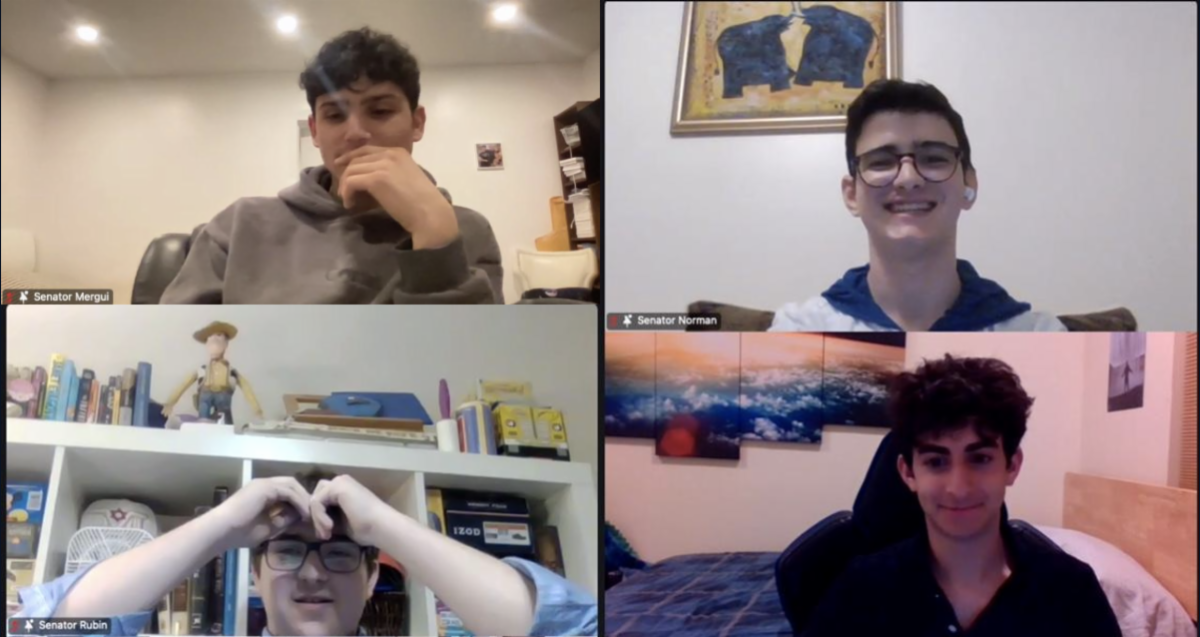
On Wednesday, February 19, our Model Congress team had its final regular-season competition against yeshiva high schools from around the country. 


Team Captain Yosef Norman ('25), Ari Mergui ('25), and Akiva Tokayer ('27) all placed in the Top 7, and our own Netanel Fridman-Rubin ('26) took home the first-place individual prize after a brilliant performance. KYHS emerged victorious as the winning school!


Ms. Crowther, the Model Congress coach, is so proud of her team’s hard work and dedication. 


Now on to the post-season! 


Some pictures from the courtroom!