Graphic by Technical Staff

Upcoming Events:


Yom HaZikaron

Apr. 21


Yom Ha'atzmaut

Apr. 22

Good & Welfare:


Births:


Shmuel (‘20) and Tova Belizon on the birth of a baby boy, Yitzchak Yaakov


Tali & David (‘09) Clements on the birth of a baby girl, Riley Ash


Rachel (Gittler ‘16) & Marc Nechmad on the birth of a baby girl, Emunah Lielle


Doni (‘14) & Sarah Simon on the birth of a baby boy, Menachem Yitzchak


Jacob (‘19) and Daniella (Kaminetzky ‘19) Schulman on the birth of a baby boy, Dovid Refael


Engagements:


Dovid Lanner (‘21) to​ Tamar Axelrod from New York


Condolences to: 


Lori Ben-Ezra on the passing of her beloved mother, Marilyn Lederman 


Lauren Malkiel on the passing of her beloved father, Robert Fisher 

Dr. Samuel Heering on the passing of his beloved father, Mark Heering


Faculty Mazel Tovs:


Dr. Gil and Melissa Perl on the birth of their new granddaughter, Eliana Rivka


This week's parshiyot are Tazria-Metzora which are most well known for their laws about impurity, including tzaraat. In Parshat Metzora (Vayikra 14:33-34) the Torah says : 


“וַיְדַבֵּ֣ר ה׳ אֶל־מֹשֶׁ֥ה וְאֶֽל־אַהֲרֹ֖ן לֵאמֹֽר׃ כִּ֤י תָבֹ֙אוּ֙ אֶל־אֶ֣רֶץ כְּנַ֔עַן אֲשֶׁ֥ר אֲנִ֛י נֹתֵ֥ן לָכֶ֖ם לַאֲחֻזָּ֑ה וְנָתַתִּי֙ נֶ֣גַע צָרַ֔עַת בְּבֵ֖ית אֶ֥רֶץ אֲחֻזַּתְכֶֽם׃” — “GOD spoke to Moses and Aaron, saying, When you enter the land of Canaan that I give you as a possession, and I inflict an eruptive plague upon a house in the land you possess,” 


We see here that one of the requirements of the punishment of tzaraat is needing to be in Eretz Yisrael. This seems counterintuitive, because a sin should receive its punishment independent of whether you commit the sin in Eretz Yisrael or not.


Ramban (Vayikra 18:25) speaks about the way in which Hashem rules the world. He explains that Hashem placed “princes” over every location in the world to supervise those places by means of constellations. This obviously causes a separation between people in those lands and God. But, for Israel, ״נחלת ה׳ מיוחדת לשמו״ — His special land, Hashem put no princes in place; instead He rules directly. Ramban explains that this, coupled with the fact that Bnei Yisrael is Hashem’s sanctified people, makes Eretz HaKodesh particularly sensitive to any sin. This can possibly answer our original question: tzaraat on the house only happens in Israel because there we have to be especially cautious about our mitzvah observance.


It seems fitting this week to focus on the kedusha of Eretz Yisrael as Yom Haatzmaut approaches. Not only do we see from this week’s parsha that Eretz Yisrael has a built-in closer connection to HaKadosh Baruch Hu than any other place, but we also see throughout Tanach how special the Holy Land is. There is not one parsha that does not talk about or reference the Land of Israel in some way. Rav Samson Raphael Hirsch on Parshat Shlach explains that Eretz Yisrael was untouched by the mabul in the time of Noach and therefore it has an inherent strength and kedusha. 


Rav Herschel Schachter suggests that a special aspect of kedushat Eretz Yisrael is referenced in the mishna (Keilim 1:6-10). There, the mishna lists 10 levels of the kedusha of the Beit Hamikdash, starting with the holiness of the land itself. Rav Schechter explains: “the core of kedushat Beit HaMikdash, its most intense degree, is found in the Kodesh HaKodashim. The kedusha then spills over to the other areas in descending levels, until it fills the boundaries of Eretz Yisrael itself.”


As I myself am zoche to be learning in Eretz Yisrael this year, I have seen the kedusha of this land day in and day out. One of my teachers pointed out that instead of being upset when the streets are crowded and full of traffic on Erev Shabbat or Chag, we should be joyous that there are so many Jews who are preparing to keep one of Hashem's mitzvot. The atmosphere here is completely centered around Hashem and Torah and you can often feel that closer connection to Hashem here. Not only did the stories of Tanach happen here, but at every turn you are reminded that Yad Hashem is holding you. The Ramban says that the punishments are more severe in Eretz Hakodesh because of Hashem's direct presence there, but I would add that for the same reason there is so much clarity, and keeping the Torah and mitzvot becomes easier and more natural.


Good Shabbos and Chag Atzmaut Sameach!


Meirav Horowitz ('25)

For those who don't know me, my name is Daniel Lugassy, and I am a proud graduate of Katz Yeshiva High School, Class of 2024. Just two weeks ago, I had the privilege of fulfilling one of my lifelong dreams: drafting into the IDF and joining the Kfir Brigade. 


For those who are on my army chat, you know that every time I make a post, I start it off with this phrase – BOKER TOV AM YISRAELLLL. I do it obviously to wish everyone a good morning, but more importantly to tell Jews who are there waiting to make a difference that it is time to WAKE UP. 


My story begins just like all of yours. I was just a classic Floridian, but as I grew older my Jewish pride and love for Eretz Yisrael and Am Yisrael grew with me. Growing up in a house where I was always hearing powerful stories from my father, who also served in the IDF, is what made me aspire to serve in צה״ל.


Through highschool I spent my summer volunteering in children homes in Israel (SHOUT OUT TO MY KH PEOPLE). Being part of these programs gave me so much light and inspiration that strengthened my belief that there is even more I need to do to give back. I drafted into the army not only because I wanted to, but because I see it as my responsibility. 


As soon as you join the army, your life makes a whole 180 degree turn. 


The army is a hectic time and we never know what's going to happen next, but what I have learned is that no matter the up, no matter the down, we are always trying to roll with the punches and just have a good time. Personally, I strive to approach everything with energy, simcha, and passion, remembering the words: מצווה גדולה להיות בשמחה תמיד.


No matter where I am, I'm always trying to brighten up the crowd or make someone smile and I am just trying to give back to the country and to the people that make my life so special and help protect Am Yisroel. While being in the army is a HUGE responsibility when you think of it in the big picture, I’ve learned that it's also the little things that count: saying thank you, giving someone a smile, or saying a funny joke to keep the vibes high. 


As tough as the army is (and it will only get harder from here on out) I’m living the dream. It's more than being in the “army.” I grew up and live every day as a Jew but it is sometimes hard to feel PART of the Jewish nation. Whether it's the laughs, smiles, or even cries, I want to feel it. All my life I have said Am Yisrael Cha, but now I am finally starting to really feel it. Being in the army is what that means. Even when it becomes difficult, I remind myself to step back and I that am doing something that's bigger than myself. 


I wish everyone continued success in all that you do. May we always find ways to grow, to uplift one another, and to strengthen Am Yisrael.


Am Yisrael Chai,


Daniel Lugassy ('24)

If you want to stay updated in Daniel's Army Journey, click here to join his army chat!

The Highlites Podcast: BEHIND THE BLACKBOARD


AGAIN.

With Hostesses Rebecca Freedman ('25) and Rhyan Rackman ('25)!


A special thank you to Aaron Rosenhouse ('25) aka @lazaar.point.focus for editing this masterpiece!


Hey, I Went to High School with That Guy!

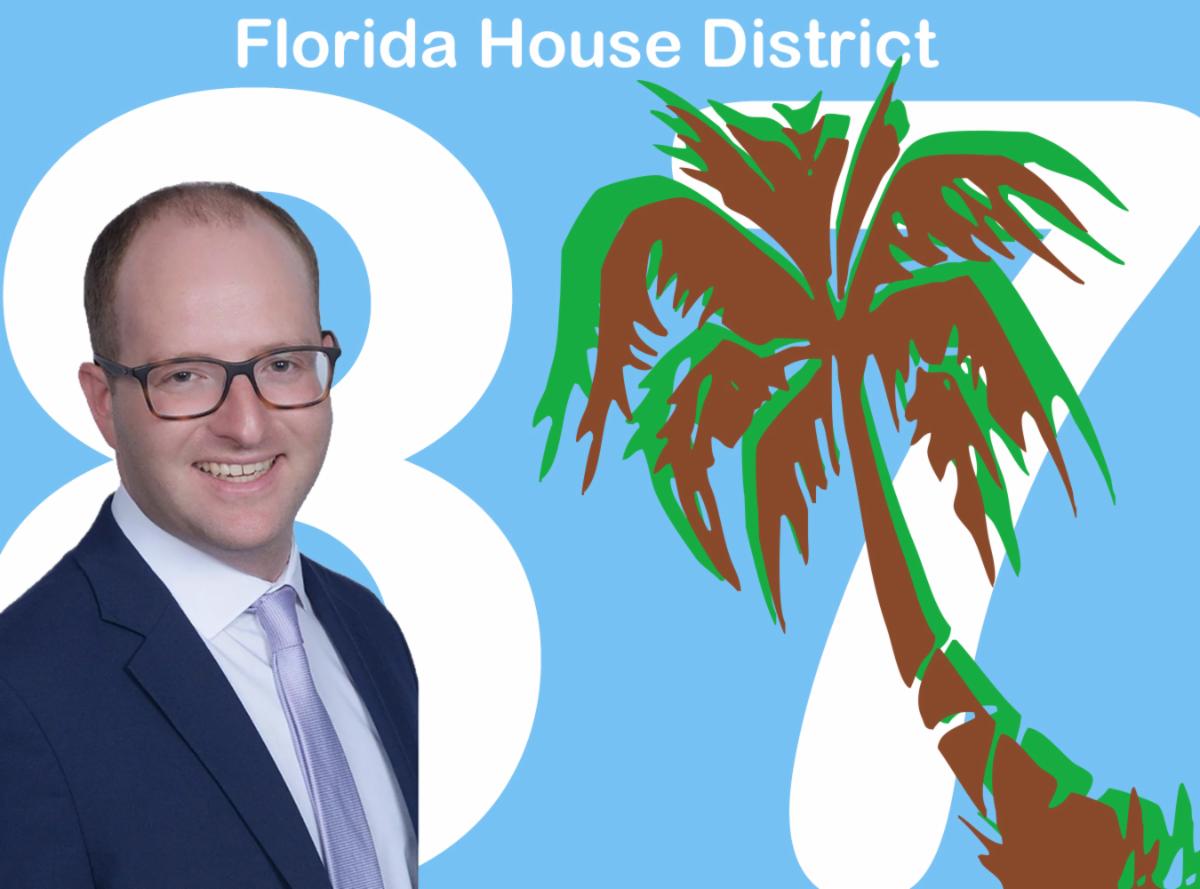
KYHS Alumnus Jonathan Rubin Files for State Office in Palm Beach County

Click the graphic above to read more!


An individual can donate up to $1,000 to the race via this link: Vote Jonathan Rubin