Dear Friends,


Today is Yom HaShoah - the date on the Jewish calendar set aside to remember the Holocaust and the six million Jews and millions of others who were systematically murdered by the Nazis during World War II. May each and every one of their memories be for a blessing.


Memory is one of the most important elements of what it means to be a Jew. Over the recently completed Passover holiday, we retold the Passover story not only as something that happened in the past, but as if we ourselves went free from Egypt — eating foods, singing songs, and teaching lessons to our children that help us embody the experience of slavery, and then of freedom. This retelling continues — albeit in shorter form — throughout our daily liturgy, in the Shema, and in Kiddush for Shabbat and every holiday. The stories we remember are the ones we tell over and over again.


The Shoah holds its own countless stories we must continue to retell, to ensure we and our children remember them. At only 81 years after the end of World War II, there are still many more stories to gather from living survivors and their children and grandchildren. We are grateful to have the Fortunoff Video Archive for Holocaust Testimonies here at Yale, preserving survivors’ stories for future generations when they pass through New Haven.


At Slifka, we consider it an imperative to encourage student engagement with the Shoah as learners, teachers and leaders. As usual, the global Jewish community reflects a multitude of views on how the lessons from the Shoah should play out in our day. Slifka’s role is to encourage as many students as possible to “Never Forget,” and join in the conversation.


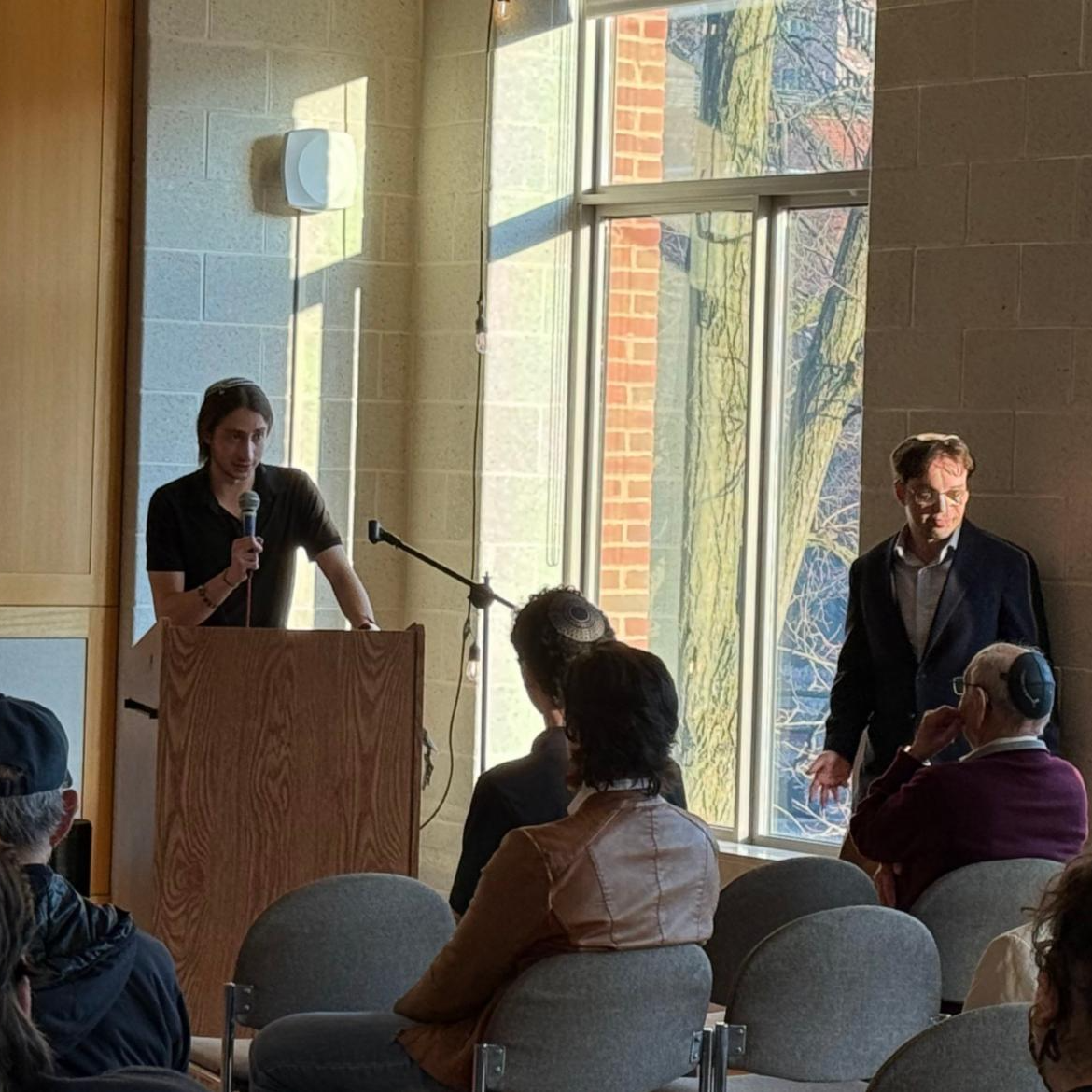
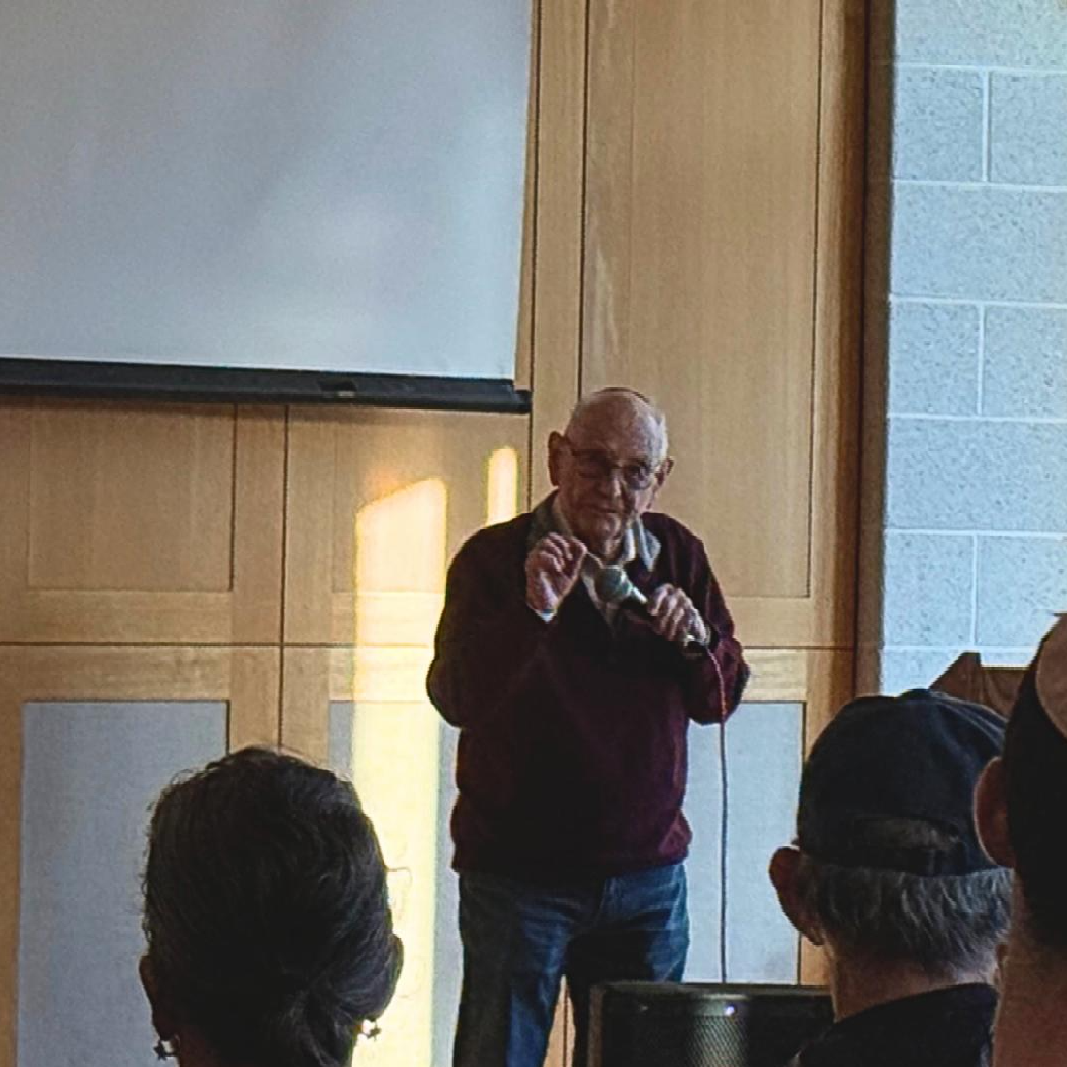
This year, the student leaders who planned Slifka’s Yom HaShoah program invited Endre Sarkany, a Survivor of the Shoah, to speak at Slifka last night. 


Endre (Andy), who will turn 90 this fall, filled the Sylvia Slifka Chapel with emotional recollections of his childhood in the Budapest ghetto surviving the Nazi occupation. He spoke about his devout Catholic kindergarten teacher, who risked her life to bring him to see a doctor after he sustained a serious head injury, and about the many unlikely twists of fate that allowed him and much of his family to survive when most of his fellow (~650,000) Hungarian Jews did not. Andy also shared his difficult experiences under Soviet rule, his gratitude for the life he found in the United States, and his reflections on the meaning of all of this for a hopeful Jewish future.


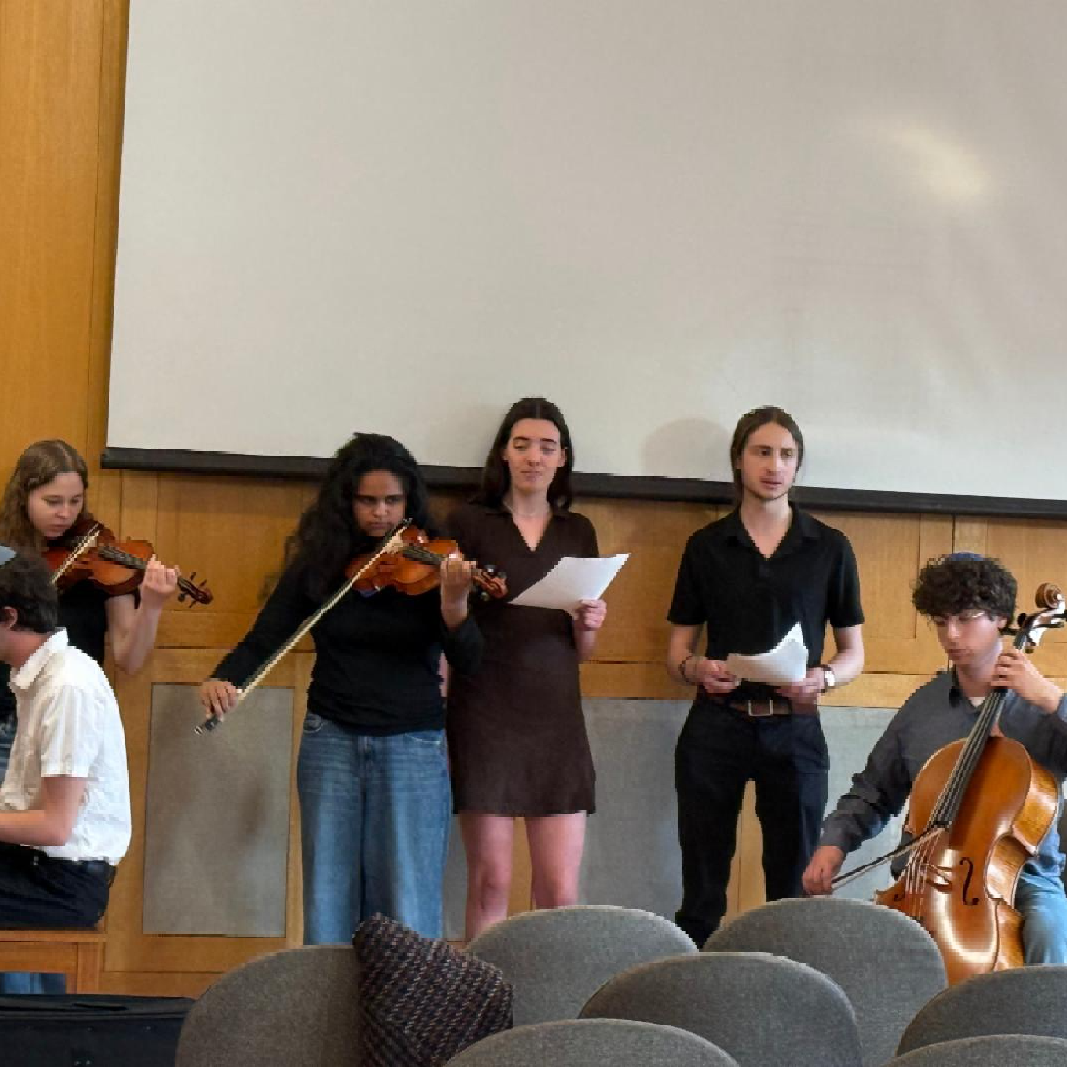
Following Andy’s talk, Elijah Weisel ’28 – grandson of author and humanitarian Elie Wiesel z"l – reflected on Passover seders with his grandfather that were tinged with sadness: a Passover Seder was one of the the last meals his grandfather shared with his family before they were sent to the Sighet ghetto. Elijah then joined students from our Klezmer Music group and Magevet in a short musical commemoration and tribute.


At Slifka, we aim to foster an environment in which these important conversations can take place, and to cultivate the next generation of Jewish and non-Jewish leaders who will — both by thought and action — author the renewal of the legacy of the Holocaust for Jews and for all humanity. I am proud that our commemorations and activities attract not only Jews, but also many others across the Yale community, increasing the number of people who will tell and hear stories from the Shoah and who will be instrumental in helping future generations to “Never Forget.”


May we all play our part by remembering the darkness and pain of the Holocaust and by bringing Urim v’Tumim - Lux et Veritas - light and truth to the world.


Uri

Uri Cohen

Executive Director

View as Webpage

LinkedIn  Facebook  Instagram  Web