|
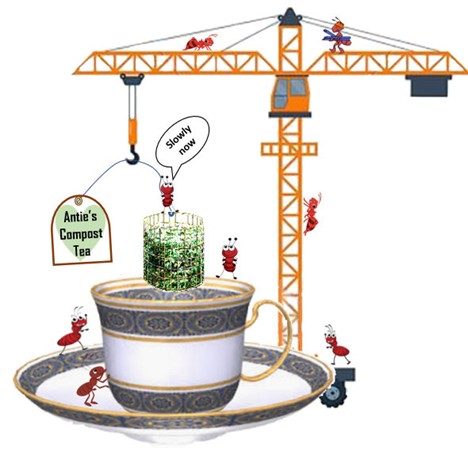
This month’s article completes our discussion of compost tea.
As you may already know, brewing compost tea is not a new idea. Researchers have found evidence that early Roman, Greek, and Egyptian farmers were making tea using brewing methods that probably involved a bucket, compost or manure, water, and occasional stirring. Such methods, unfortunately, create a high probability of developing anaerobic conditions. Therefore, these methods are discouraged and brewing Actively Aerated Compost Tea (AACT) that uses fully decomposed hot compost, as well as an aeration system, is recommended. This is the method described in last month’s article. While there are any number of enthusiasts painting compost tea as a panacea for all your garden ills there are many (including university and extension center) websites that paint a different picture. Who’s right is for YOU to decide.
PROS
¨ Reduces the need for chemical fertilizers as healthy soil is less likely to leach nutrients below plant root zones.
¨ Improves soil structure when applied regularly, as good structure requires bacteria, fungi, protozoa, nematodes, and micro arthropods to be present in the soil. Compost tea can provide these microbes.
¨ Helps loosen clay soils so air and water move more freely and helps sandy soils retain water and nutrients. This reduces the need for frequent watering.
¨ Stimulates plant root growth. Deeper roots retain moisture better and help to reduce runoff.
¨ Combats the negative impact of chemical-based pesticides, herbicides, and fertilizers on beneficial microorganisms.
¨ Allows gardeners to target specific conditions and plant needs by developing and fine-tuning different tea recipes.
¨ Prevents potential disease organisms from gaining a hold on leaf surfaces (when sprayed onto plants) by adding beneficial microbes to the foliage.
CONS
The following potential problems and shortcomings of compost tea are taken from various articles and should be reviewed before deciding whether to use compost tea:
¨ Using compost tea (especially on food crops) can create food safety issues as it may be a source of illness causing microbes like E. coli and Salmonella. Brewing can increase the number of bacteria and microbes in the tea; However, there is little control over which bacteria and microbes you are growing.
¨ Since no two batches of compost are exactly alike and brewing methods can vary, scientific studies have not provided definitive conclusions regarding the efficacy of using compost tea for disease control. While there are many claims of added disease resistance, there are legitimate studies that find little to no benefit from foliar spray applications. Some studies even found increased disease spread.
¨ While compost tea can generate high microbe populations, these microbes will not thrive unless there is sufficient organic matter in the soil to feed them.
¨ Overuse of compost tea and its runoff may contribute to water pollution. Experts seem to vary in their recommendations regarding the frequency of use. Some authors indicate daily use will not harm plants, while others suggest applying tea every 14 days to once per month during growing season. One thing to consider is the strength of the compost tea when determining how often to apply it.
¨ It has been noted that compost tea could burn plants if the compost used has high levels of nitrogen and is used frequently.
¨ pH values can be too high or too low which can cause unsatisfactory results.
¨ Compost tea has a fraction of the nutrients used to brew the liquid and is typically spread across a large area which means the number of microbes and amount of nutrients may not produce the desired results.
¨ Brewing compost tea is considered by some to be a waste of time and money as quality compost can provide the same nutrients and microbes provided by compost tea.
If you decide to try compost tea, you may be disappointed by the results OR you may have fun and become a compost tea advocate. Either way, remember to follow the best practices for brewing safe compost tea and review the National Organic Standards Board “Recommendations for Guidance: Use of Compost, Vermicompost, Processed Manure and Compost Tea:
https://www.ams.usda.gov/sites/default/files/media/NOP Final Rec Guidance use of Compost.pdf
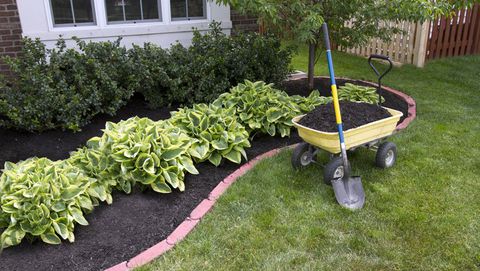
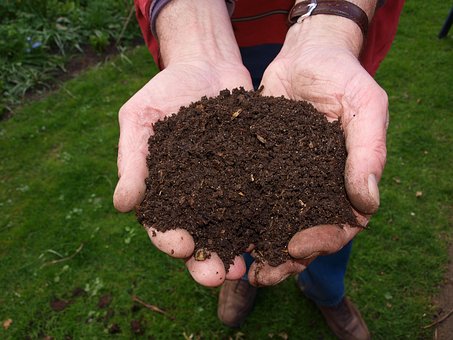
If you decide not to use compost tea, you can layer compost in your garden and let nature extract the nutrients and microbes for you. So, it is up to you. Will you decide “to tea” or “not to tea”?
________________________________________________
You can find additional information at the following websites used as references for this article:
Piedmont Master Gardeners; The Truth About Compost Tea: Making it, Using it, and What to Expect from it
https://piedmontmastergardeners.org/article/the-truth-about-compost-tea-making-it-using-it-and-what-to-expect-from-it/
University of Illinois Extension; Compost Tea – Miracle Product or Snake Oil?
Compost Tea- Miracle Product or Snake Oil? | Good Growing | Illinois Extension | UIUC
Washington State University: The Myth of Compost Tea Revisited: "Aerobically brewed compost tea suppresses disease"
https://wpcdn.web.wsu.edu/wp-puyallup/uploads/sites/403/2015/03/compost-tea-2.pdf
|