Strategic Foresight and the Changing Face of Industry in Greater Green Bay
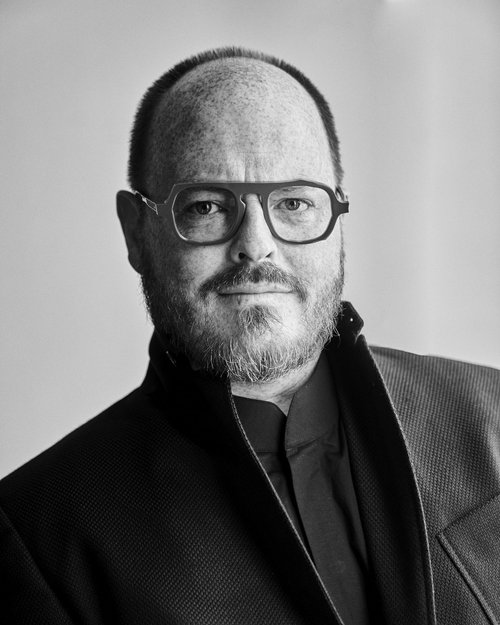
by Envision board member Gratzia Villarroel, Ph.D.
We often assume tomorrow will be just a slightly updated version of today. But strategic foresight teaches us otherwise.
The future is rarely linear. It’s shaped by innovation, disruption, and bold decisions made before a crisis hits. Right now, in Greater Green Bay and across Wisconsin, we're witnessing powerful examples of how local leaders are embracing foresight to build resilient, future-ready organizations
Industry is Changing—Right Here in Wisconsin
In De Pere, EDL Packaging is building a new 45,000-square-foot facility focused on custom automation and employee wellness. With over 40 years in the region, EDL is evolving from traditional manufacturing toward smart systems built for speed, precision, and human-centered design.
In Monroe, Klondike Cheese Company has integrated robotic production lines to boost the output of its award-winning cheeses. But this is not automation replacing workers—it’s automation complementing them. Klondike still relies on Master Cheesemakers, proving that tradition and technology can thrive together.
In Green Bay, Green Bay Packaging completed Wisconsin’s first new paper mill in over 30 years. The $500+ million facility—fully operational since 2021—is among the most environmentally sustainable mills in the world, featuring net-zero water use and advanced automation. With continued expansion into Arizona, GBP is proving regional innovation can scale nationally.
What Happens When Automation Grows?
These companies aren’t just reacting to change—they’re anticipating it. This is strategic foresight in action.
And here’s the key insight: Automation doesn’t mean fewer jobs—it means different jobs. The future of work will rely on new mindsets, continuous retraining, and community resilience. We’re already seeing new roles emerge in:
-Automation & robotics
-Systems engineering
-Sustainability
-Data analytics
-Digital design
-Skilled trades with tech fluency
This shift is about more than machines. It’s about preparing people—across generations, languages, and sectors—for a workforce that doesn’t yet fully exist.
|