|
Please share this edition of Wildlife Highlights with other outdoor enthusiasts
and help our subscription list grow!
| |
In Search of Mallard Nests | |
|
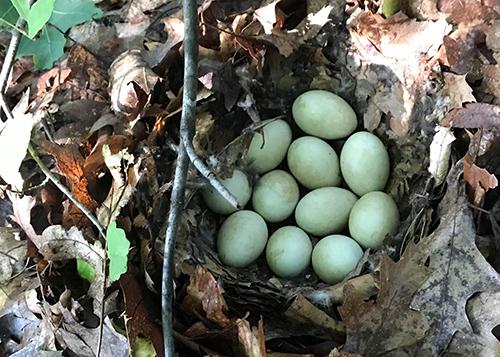
Wildlife and outdoor enthusiasts, have you found an active mallard nest on your property or while visiting outdoor areas? The DEEP Wildlife Division wants to know! We are in the midst of a large-scale project to assess nesting success, nest habitat selection, brood movement, and habitat use in mallard ducks and we need to know about mallard nests throughout Connecticut and in all types of habitats. Please email min.huang@ct.gov if you find a nest.
More on searching for mallard nests . . .
| |
Leave Young Wildlife Alone | |
|
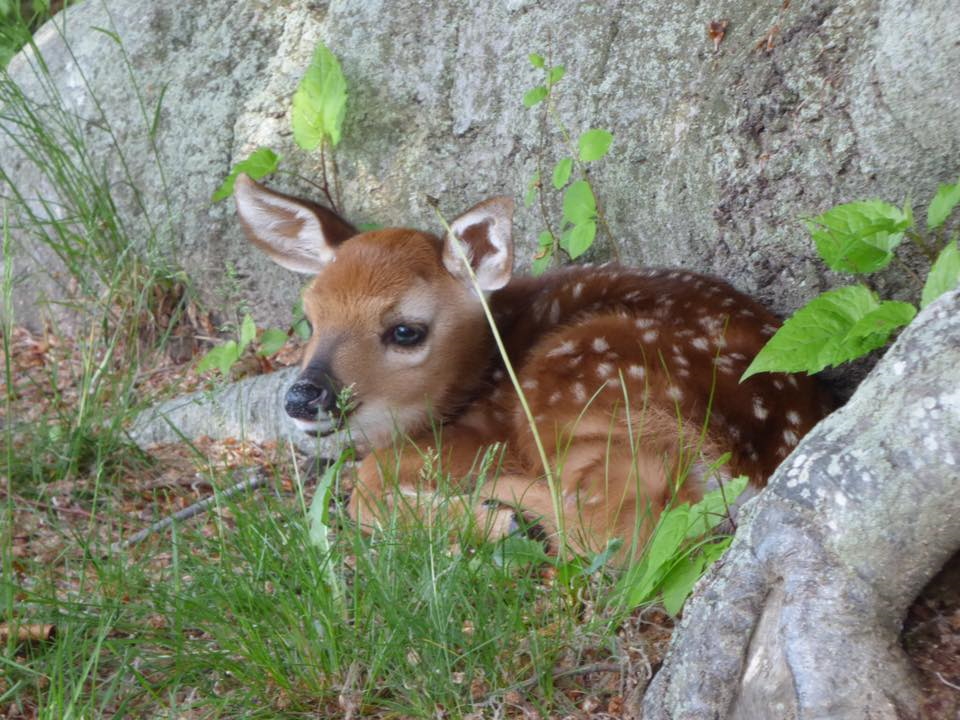
May is the time of year when many species are raising their young, and there is a good chance of encountering young wildlife, whether it be on your property or at other outdoor spaces. Young animals may appear to be “abandoned”, but in most cases, an adult is likely out of sight close by, waiting for you to leave. The best thing you can do for young wildlife is to leave them alone. If you are certain that a wild animal has been injured or orphaned, before touching it or moving it, please consult the DEEP website for a list of licensed wildlife rehabilitators. If you have any questions, please contact us at deep.wildlife@ct.gov.
Special Note About Deer Fawns: Most fawns that are found are not orphaned! Female deer give birth to their fawns from May through the end of June. The doe will rarely be found near her fawn for the first few weeks of its life because her presence may attract predators. The fawn is able to hide from predators because it is well camouflaged and has very little odor. Often times, young fawns are found in and around yards. This is not abnormal. The only time a female (doe) will be found with a fawn is during feeding times. During the long periods left alone, newborn fawns instinctively freeze and will lay motionless when approached. If you come across a fawn, it is best to leave it alone for at least 48 hours to determine whether the adult is returning for feedings. While waiting for the doe to return, it is important that both people and dogs stay away from the fawn. A truly orphaned fawn may show signs of distress by walking around aimlessly and calling out for several hours.
| |
Conflicts with Black Bears Rise During BBQ Season | |
|
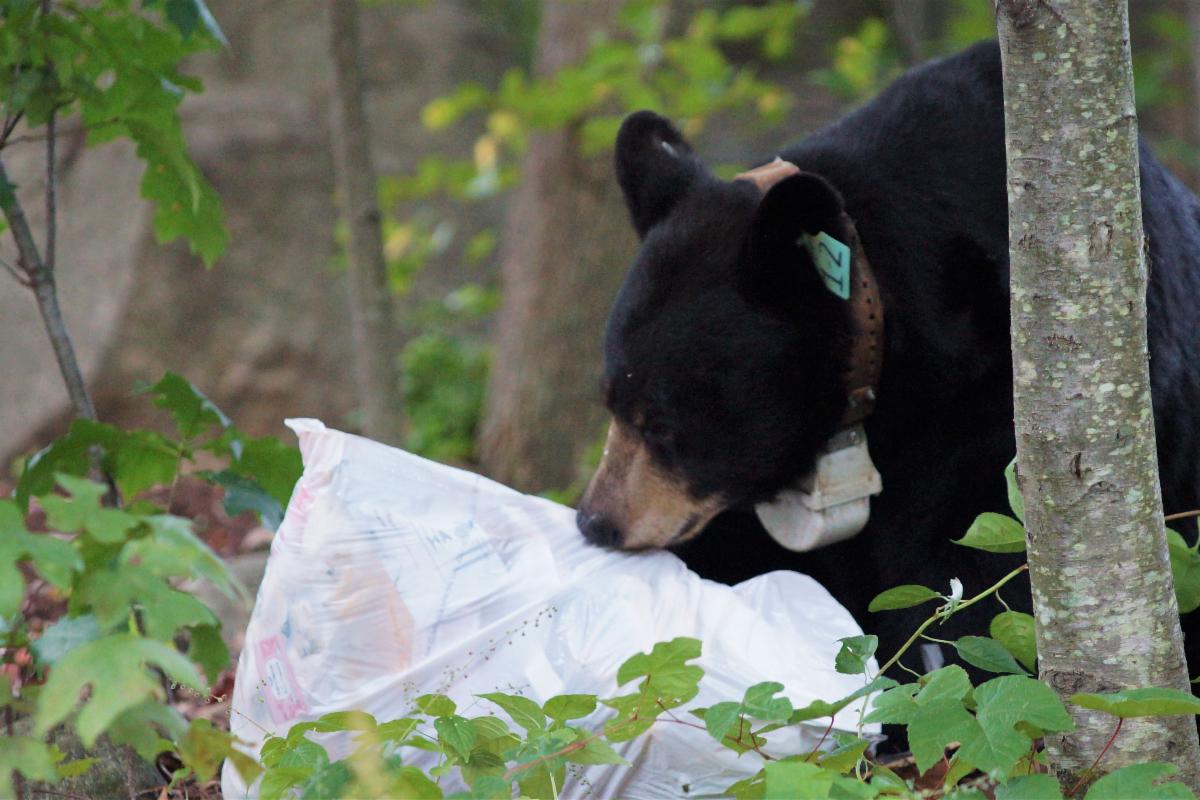
Bear activity continues to increase throughout spring and into the summer as people are able to spend more time outdoors in the warming weather. While there is plenty of suitable habitat and natural food available for bears throughout Connecticut, the lure of calorie-rich foods from humans draws bears into neighborhoods and to homes for an easy meal. Bears have one of the best sense of smells around and can sniff out a careless picnic from a mile away. As the summer BBQ season approaches, here are a few tips to keep bears off the guest list and help reduce conflicts with people:
- Clean grills after use. Empty grease traps and burn off food residue.
- Clean up and secure food waste and garbage right away. This will also prevent other wild guests, like raccoons, skunks, and birds from causing messes.
- Keep ground floor windows and doors of your house secured when you are not around. Bears can easily push in screens to gain access to food inside your home.
- Talk to your neighbors about preventing wildlife conflicts. Most conflicts are the result of animals finding human-related foods near homes.
For more tips on preventing conflicts before they happen, watch this video from the Wildlife Division.
| |
|
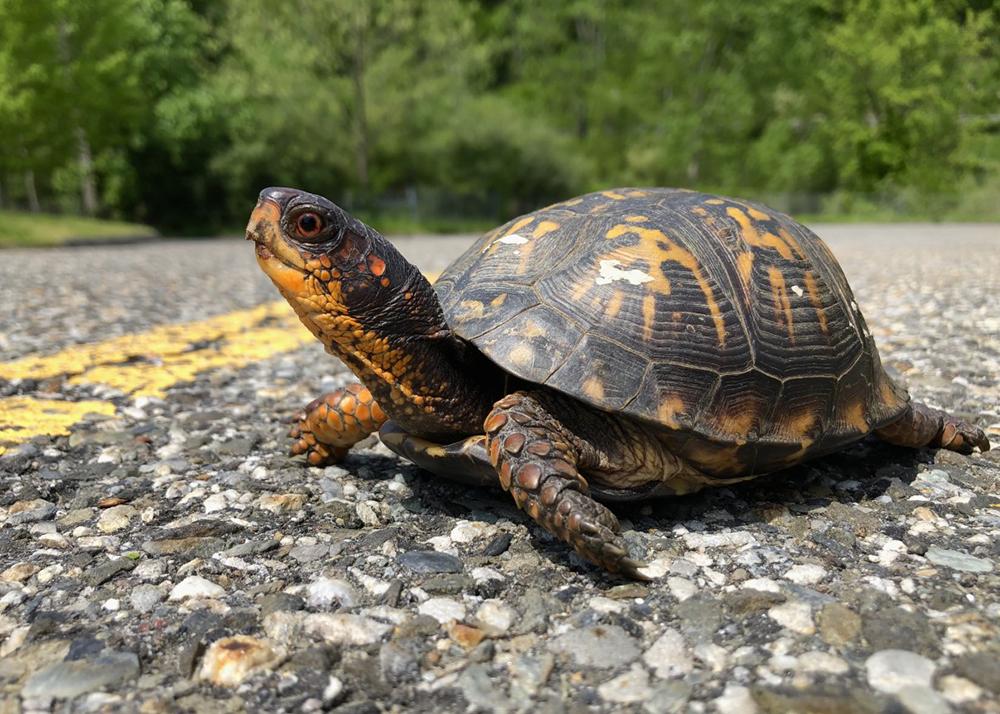
As people get outdoors and enjoy the nice spring weather, many of Connecticut’s turtles will soon be on the move. Upon emerging from their winter dens, turtles are focused on feeding and searching for mates. From mid-May to late June, female turtles search for a place to lay their eggs. Some turtles stay within their home range and find a suitable place to dig a nest while others may travel as far as just over a mile. It is during this time when turtles are particularly vulnerable to being hit by cars.
Connecticut’s landscape is highly fragmented by busy roads, and many turtles are forced to travel great distances – and across roadways – to find suitable nesting habitat. Helping a turtle move across the road can be the difference between life and death for the animal, and for future generations, but your safety comes first. Be sure to assist a turtle in the road only when it is safe to do so and do not attempt to stop traffic. Always keep the turtle pointed in the direction it is going. If you turn it around in the other direction, the turtle will only make another attempt to cross the road. Also, DO NOT move the turtle to a “better spot,” and DO NOT put terrestrial box turtles in a lake, pond, or other water body – leave the turtle in the same area where it was found once it is removed from the road.
| |
Blossoming Trees Take the Spotlight in Spring | |
|
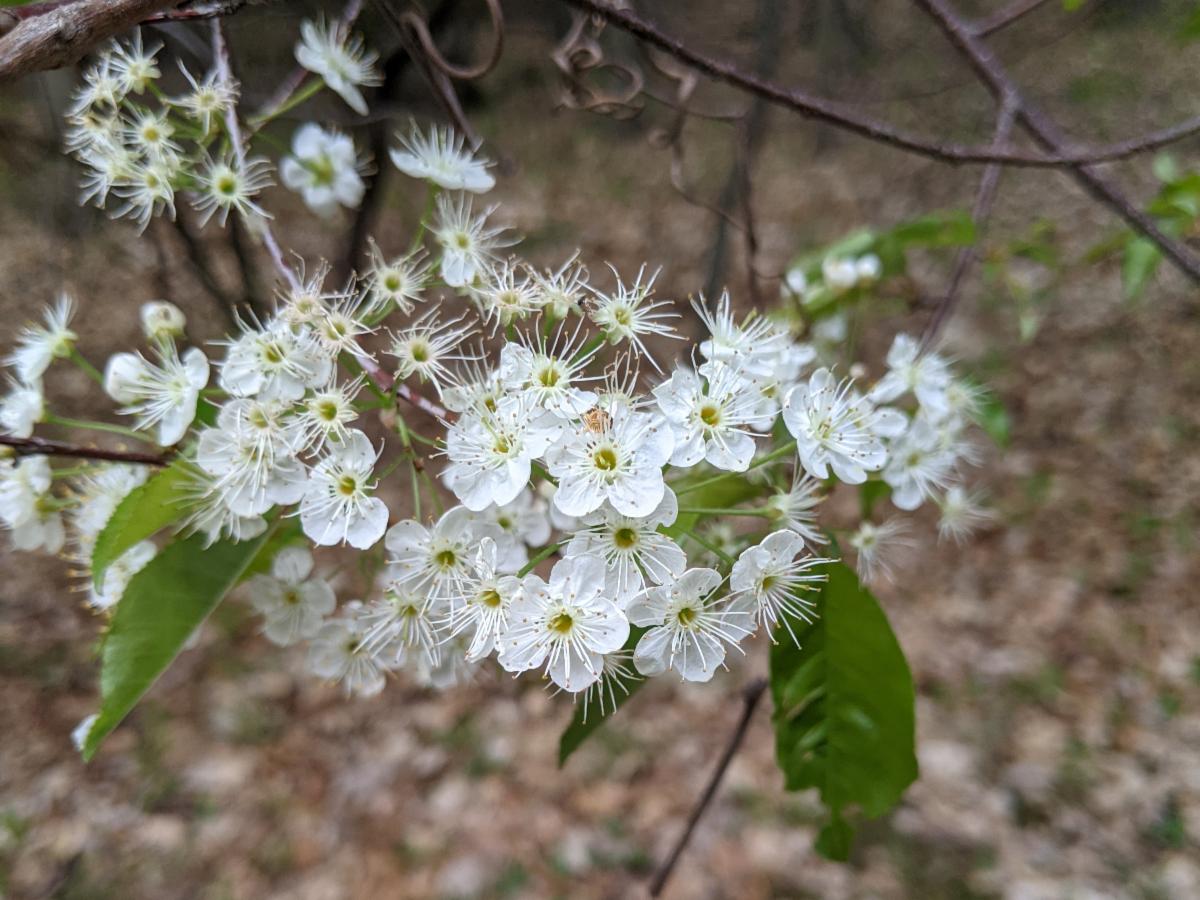
Before the most colorful summer wildflowers get their chance to bloom, many native trees share their pretty flowers for us to enjoy. Throughout May, look for blooms from black cherry (Prunus serotina), choke cherry (Prunus virginiana), serviceberry (Amelanchier canadensis), and hawthorns (Crataegus spp). (Prunus spp. is pictured.)
These colorful blooms are an important source of pollen and nectar for dozens of pollinating bee species, including mining bees, mason bees, and bumble bees, as well as other insects which attract migratory birds looking to refuel on their long spring journeys. Each of the tree types mentioned earlier not only supports pollinators, but also hundreds of different species of caterpillar which feed on the trees' foliage. These caterpillars, in turn, are preyed upon by birds, many of which depend on caterpillars to feed their growing young. Edible fruits, the products of bee pollination, are also produced by these spring blooming trees, many of which are important for humans and wildlife.
Interested in learning more about the trees in your favorite outdoor spot? Visit Native Plant Trust's Go Botany website to search trees in your area.
| |
Avoid Bringing Invasive Species Home from the Garden Store | |
|
Invasive species have a detrimental impact on our ecosystem by aggressively spreading and outcompeting native species. Invasives often thrive so well because they are not vulnerable to most of the same threats that our native species encounter. For instance, many invasive plants are not eaten by herbivores and insects, giving them an advantage over more palatable native species. As a result, non-native plants do not provide the same habitat benefits for wildlife that native plants do.
Many non-native plants that have become invasive in Connecticut were first brought in as ornamental plants, and some can still be purchased at garden stores locally and online. To slow the spread of invasive plants, avoid purchasing and planting invasives in your yard. Shop for native species of trees, shrubs, and perennial plants. Do some research beforehand about what plant characteristics you are looking for and talk to a local nursery about sourcing native species to fit your needs.
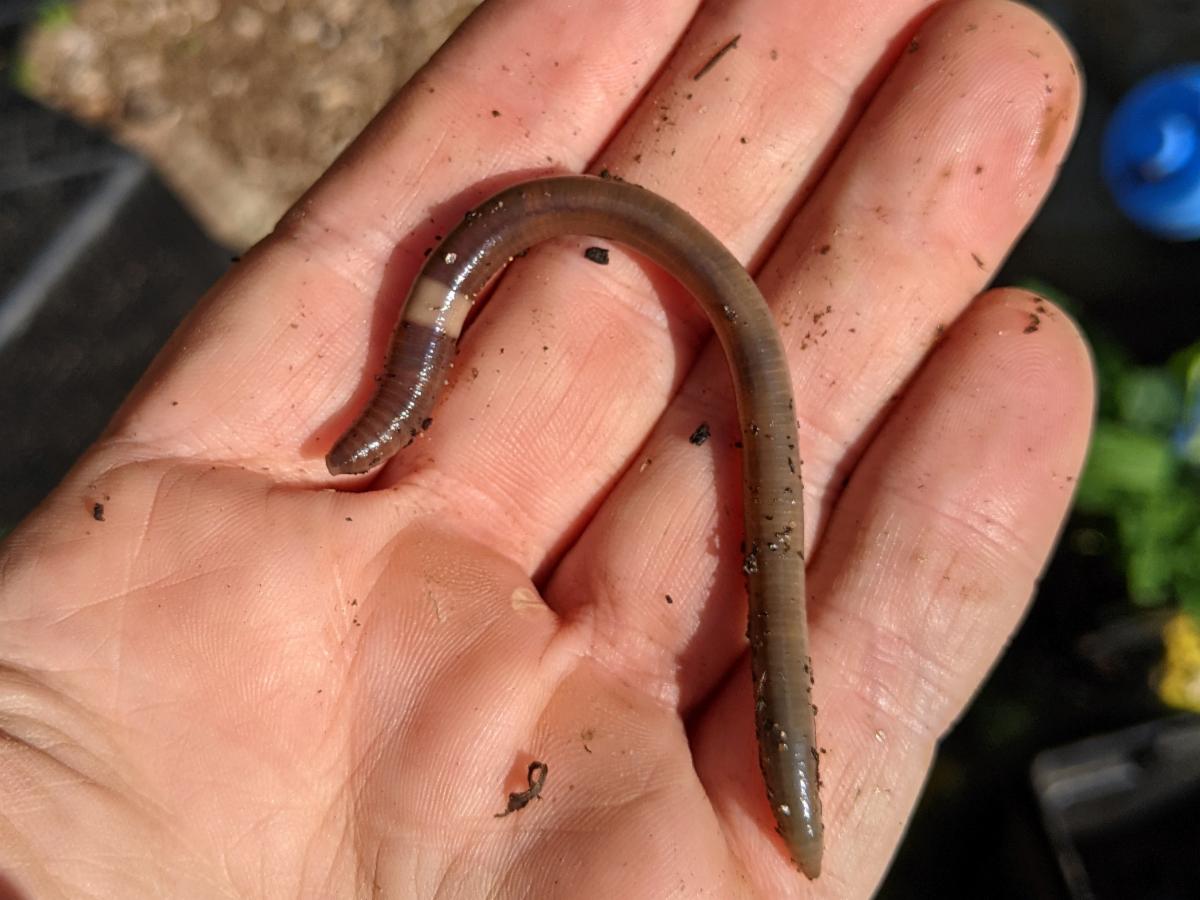
After making your purchase, be on the lookout for invasive jumping worms that may have hitched a ride in the soil of your plant’s pot. These invasive worms can spread fast once introduced to your yard and have negative consequences for many native species of plants, as well as impacting nutrient turnover in the soil.
Learn more about jumping worms and how to avoid bringing them home . . .
| |
Report Wild Turkey Brood Sightings | |
|
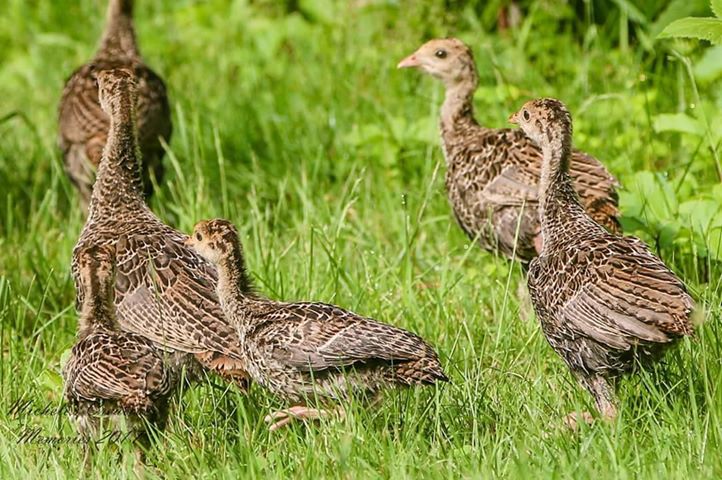
The Wildlife Division conducts the Annual Wild Turkey Brood Survey to estimate the average number of turkey poults (young-of-the-year) per hen statewide and to assess annual fluctuations in the turkey population. All you have to do is record all the hens and poults observed during your normal travel from June 1 through August 31. Each observation is categorized by total number of hens observed, total poults, and total number of hens with poults. Observations of male (tom) turkeys by themselves are not requested for this survey. We appreciate your assistance!
More on the Annual Wild Turkey Brood Survey . . .
| |
Species of the Month: Red Fox | |
|
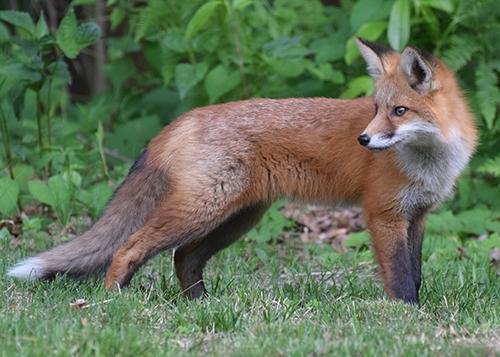
The red fox is widespread and abundant in Connecticut and will commonly live in close association with human residences and communities where they can find plenty of food, water, and cover. Each year, the Wildlife Division receives calls from the public concerning foxes denning under porches and sheds. While foxes can become accustomed to human activity, they are seldom aggressive toward people. In just a two to three months, when the kits are old enough to fend for themselves, the family will naturally disperse.
Fun Fact: Connecticut’s current red fox population is actually made up of hybrids, a result of interbreeding between native red foxes and the European red fox, which was introduced into the eastern coastal areas of the United States in the mid-18th century.
More on the red fox . . .
| |
|
Stay Connected!
Follow us on Social Media
| |
|
-- Quick Links --
Your Feedback Is Important to Us!
Send your comments or suggestions to deep.ctwildlife@ct.gov
|  | The Connecticut Department of Energy and Environmental Protection is an Affirmative Action/Equal Opportunity Employer that is committed to complying with the requirements of the Americans with Disabilities Act. If you are seeking a communication aid or service, have limited proficiency in English, wish to file an ADA or Title VI discrimination complaint, or require some other accommodation, including equipment to facilitate virtual participation, please contact the DEEP Office of Diversity and Equity at 860-418-5910 or by email at deep.accommodations@ct.gov. Any person needing an accommodation for hearing impairment may call the State of Connecticut relay number - 711. In order to facilitate efforts to provide an accommodation, please request all accommodations as soon as possible following notice of any agency hearing, meeting, program or event. | | | | |