|
Why Financial/HR Records Matter In A Crisis.
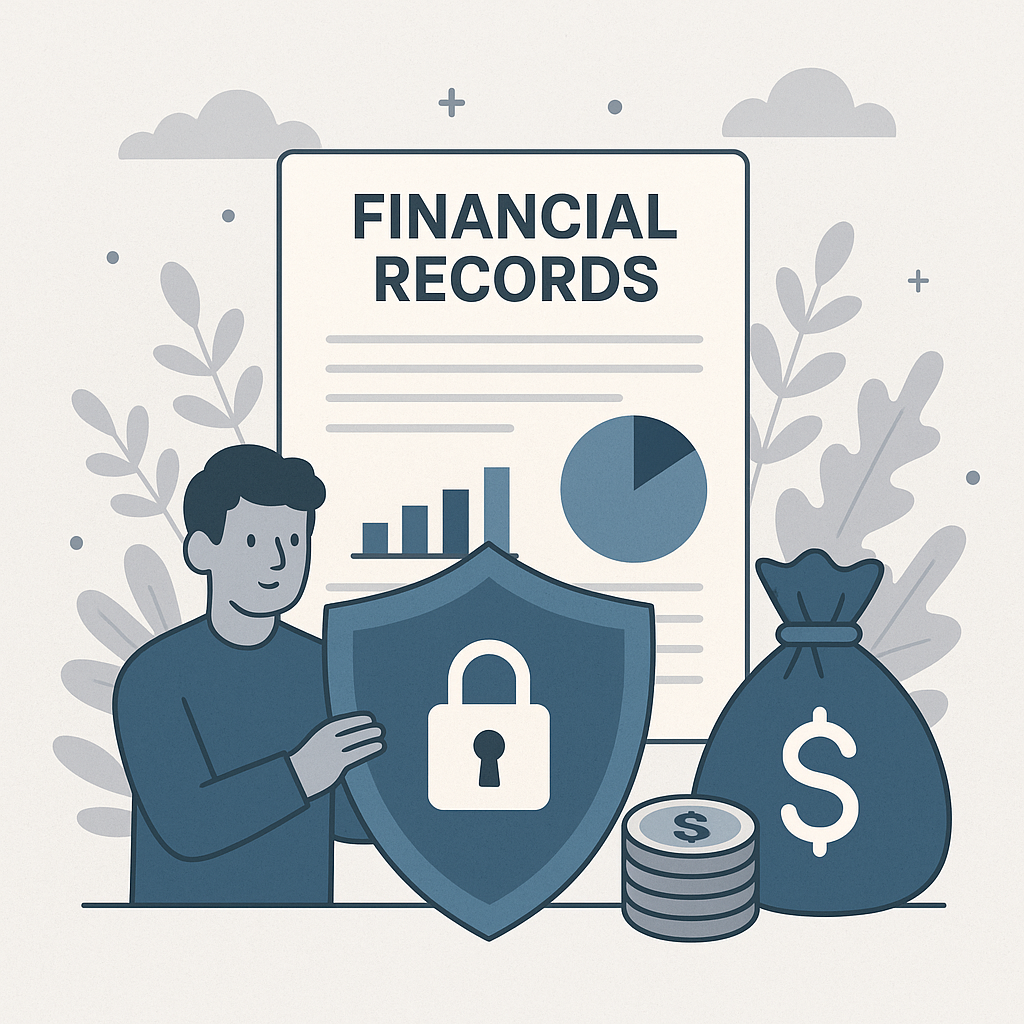
Financial and HR documents are the backbone of your business operations. Without access to employee, payroll, tax filings, bank accounts, or vendor agreements, you may struggle to meet obligations, file insurance claims, or resume services. In some cases, the inability to access financial data can delay recovery by weeks, or worse, lead to permanent closure.
What Files/Records Should Be Protected?
Focus on securing the following critical documents:
- Banking and credit account information.
- General ledger and accounting data.
- HR related items.
- Insurance policies and claims history.
- Payroll records.
- Tax returns and compliance documents.
- Vendor and client contracts.
Make sure both digital and physical copies are accounted for. If you still use paper files, consider digitizing them for secure off-site storage.
How To Safeguard Your Financial Data.
Store digital records in an encrypted cloud-based system with automated backups. Limit access to authorized personnel and assign responsibility to a designated data manager. Ensure at least one team member has remote access to key records in the event of on-site disruption.
Test, Train, And Update Regularly.
An emergency plan is only as strong as its execution. Conduct regular drills and audits to ensure that your financial data can be accessed when it matters most. Keep procedures up to date and educate your staff on proper response protocols.
Bottom Line: Don’t Overlook Financial Preparedness.
Your emergency plan isn’t complete without a strategy for protecting financial records. Taking the time now can save time, money, and your business’s future during a crisis.
|