CDLRN Annual Forum
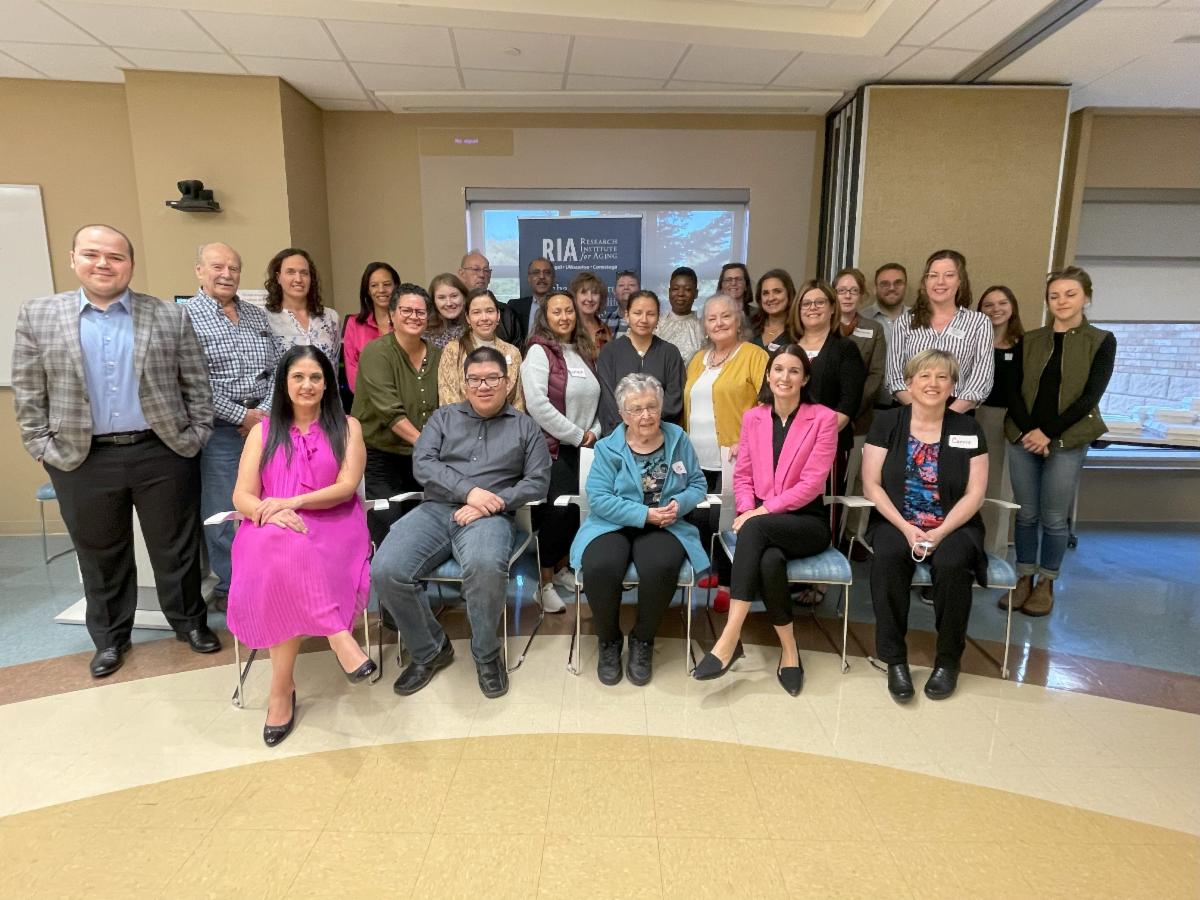
The CDLRN Annual Form was held at the Schlegel-UW Research Institute for Aging (RIA) in Waterloo, Ontario from September 25 - 26. This event welcomed more than 40 attendees from across Canada who are involved in community-based dementia initiatives, including members of CDLRN’s Community Advisory Committee. The Forum began with a Lived Experience panel which featured care partners and people living with dementia who shared their experiences with diagnosis and how they have learned to live well with dementia. The event included workshops, panel discussions, and keynote addresses focused on co-design, building meaningful partnerships, sustainability, and cultural humility. There were ample opportunities for networking and learning from and alongside people living with dementia.
Read the Voices of Dementia section at the end of this newsletter for tips and ideas from people living with dementia about making the most of in-person events.
|
|
CDLRN co-lead keynote address
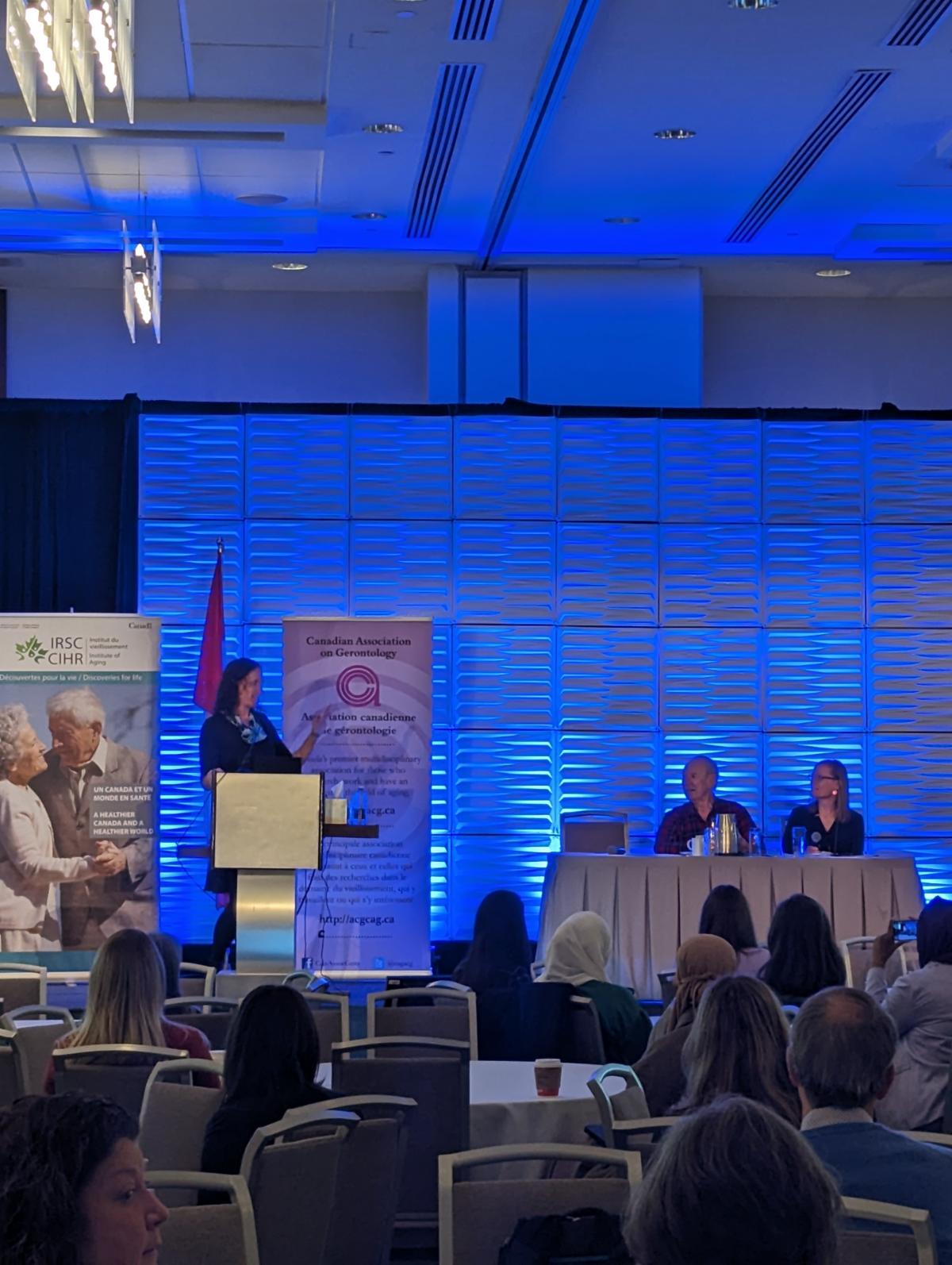
Dr. Laura Middleton, Schlegel Research Chair in Dementia and Active Living and CDLRN co-lead, gave a keynote speech at the Canadian Association of Gerontologists conference in Toronto on October 28. During her presentation, titled “Providing support for living well with dementia through participatory action” Laura shared her inspiration for using participatory action on projects including DICE, past DCI project Dementia Resources for Eating, Activity, and Meaningful Inclusion (DREAM) and her current work on Dementia Lifestyle Intervention for Getting Healthy Together (DELIGHT). Laura was joined onstage by research partners Crystal Hughes, wellness director at the YMCA of Three Rivers, and Bill Heibein, a dementia advocate and member of CDLRN’s Community Advisory Committee.
|
|
Led by the SE Research Centre, the Our Dementia Journey Journal (ODJJ) is an innovative resource that aims to improve the lives of people living with dementia, their family and friend care partners, and care providers. The ODJJ is available in English, French, Hindi, and Punjabi. There's a general version suitable for anyone, as well as versions tailored to meet the specific needs of First Nations and South Asian communities. The ODJJ is available in paper format, digital version, and a mobile app, which is currently in development.
In the next phase, SE Research Centre will explore the practical implementation of the ODJJ in long-term care homes in Alberta, within First Nations and South Asian communities. The focus will be engaging with care partners, care providers, individuals living with dementia, and leaders from ethno-cultural communities to create a plan for the widespread use of the ODJJ across Canada.
Researchers from the SE Research Centre would like to connect with members of South Asian communities who are living with dementia, family care partners, or are health care providers for people living with dementia to help finalize the paper version of the South Asian ODJJ (available in English, Hindi and Punjabi). If you are interested in providing feedback on the South Asian version of the ODJJ or want to learn more about this work, please contact Valentina Cardozo by email.
|
|
The Dementia-Friendly Canada project, led by the Alzheimer Society of Canada, describes a dementia-friendly community as one where people living with dementia, their families and care partners feel included and supported. How to be a dementia friend describes how individuals and organizations can promote dementia-friendly principles and make meaningful changes in their community and/or workplace.
|
|
Mary Beth Wighton, Phyllis Fehr, Bill Heibein and Myrna Norman share their observations and recommendations to help people living with dementia make the most of in-person events. They also share tips for people living with dementia and event organizers to ensure the event is enjoyable for all.
What differences do you notice between in-person vs. online events?
In-person events are described as powerful, emotional, rejuvenating and create long lasting bonds and memories. Some people living with dementia shared that they find it easier to learn, contribute and pay attention in person without the distractions of home. Online events make it easier to take a break and take much less energy and time as there is no need to travel.
Sharing a meal, reconnecting with new and old friends and feeling the energy from the group has a certain kind of magic that is not duplicated online.
What advice can you give to people living with dementia to help them prepare for a successful/enjoyable event experience?
-
Prepare ahead of time: noisy environments with lots of distractions (noise, people, visual stimuli) might impact your cognition or cause you to become overwhelmed. Consider using hearing aids, noise cancelling ear plugs and choosing a seat where there are fewer distractions. If possible, review any reading materials ahead of time and keep a list of the questions you want to ask.
-
Take care of yourself: Prioritize your own rest and take breaks, even if it means stepping out of the room for a few minutes. Stay well hydrated and fed, as these days can be long.
What tips can you give to event organizers?
-
Consider the timing: spread an event over a few half days if possible, rather than condensing into one or two packed days. Booking events at times where there aren’t as many conferences, like in the winter, would help.
-
Include breaks: if a dinner or evening event is included, allow time for participants to return to their hotel room and have enough time to rest in between.
-
Design a welcoming environment: reserve seats where people living with dementia can hear well and easily participate in conversations. Reserve a room on site for people to take a quiet break and remind people about it. Take the time to reduce or eliminate unnecessary noise. Make sure there is lots of water and food easily available.
|
|
We'd Like Your Input!
We appreciate you taking the time to read our newsletter. To better understand what type of content our readers would like to see, we’d like to ask you a few quick questions.
|
|
CDLRN is hosted by the Schlegel-UW Research Institute for Aging (RIA). Production of this project has been made possible through a financial contribution from the Public Health Agency of Canada. The views expressed herein do not necessarily represent the views of the Public Health Agency of Canada. |
|
|
|
|
|
|