-
A Recap: Neurodivergent Community Living Introduction course
-
Rocky Brook Cohousing: Cohousing Coming to Hightstown, New Jersey
-
San Francisco Cohousing: Aging Successfully with Nicholas Dewar
-
Alone in the Village: An article by Charles Durrett
-
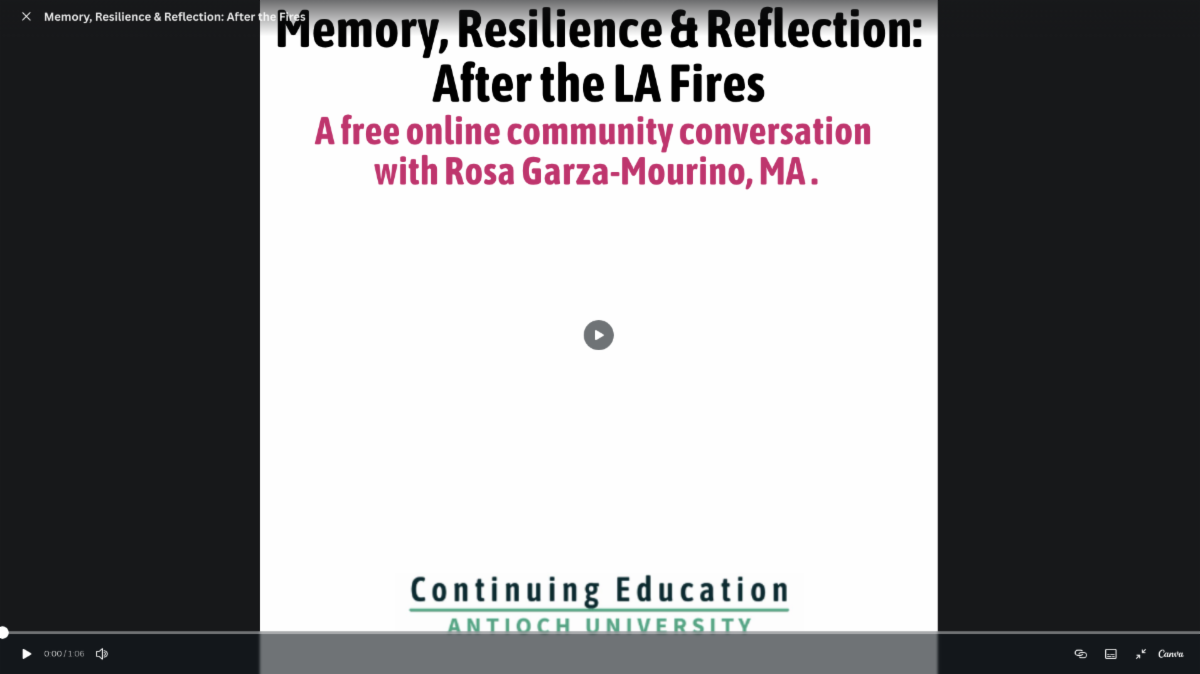
Memory, Resilience, & Reflection After the Fires: A free webinar by Antioch University
-
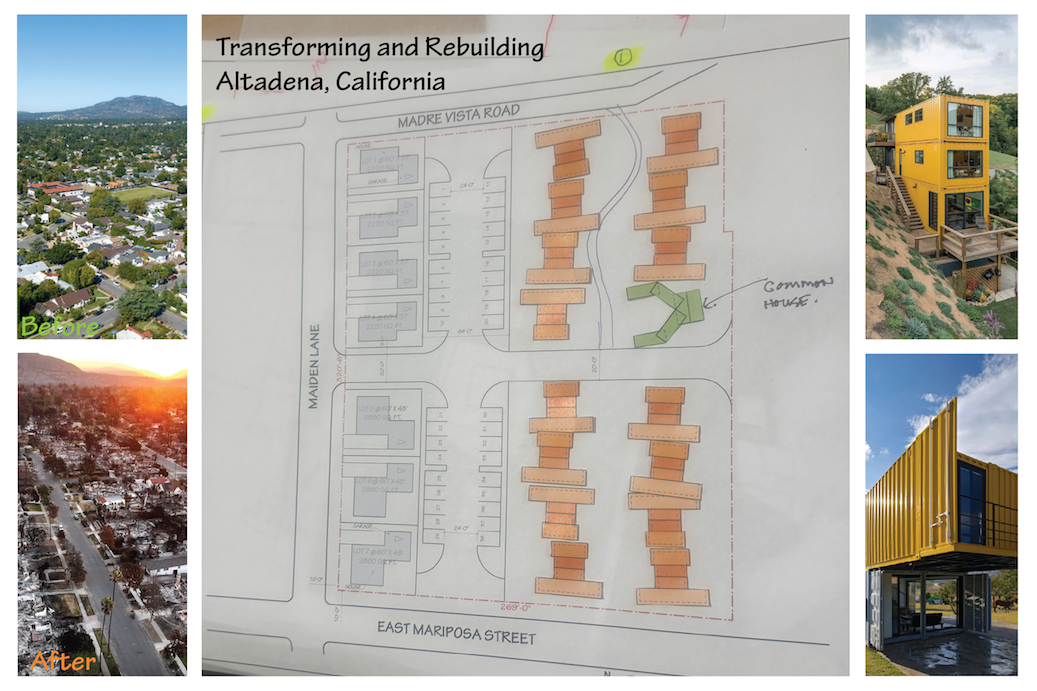
Altadena: From Ashes to Community
-
In the News: Don't miss these reads!
| |
Follow us to see what we're up to! | |
|
A Recap
Neurodivergent Community Living
| |
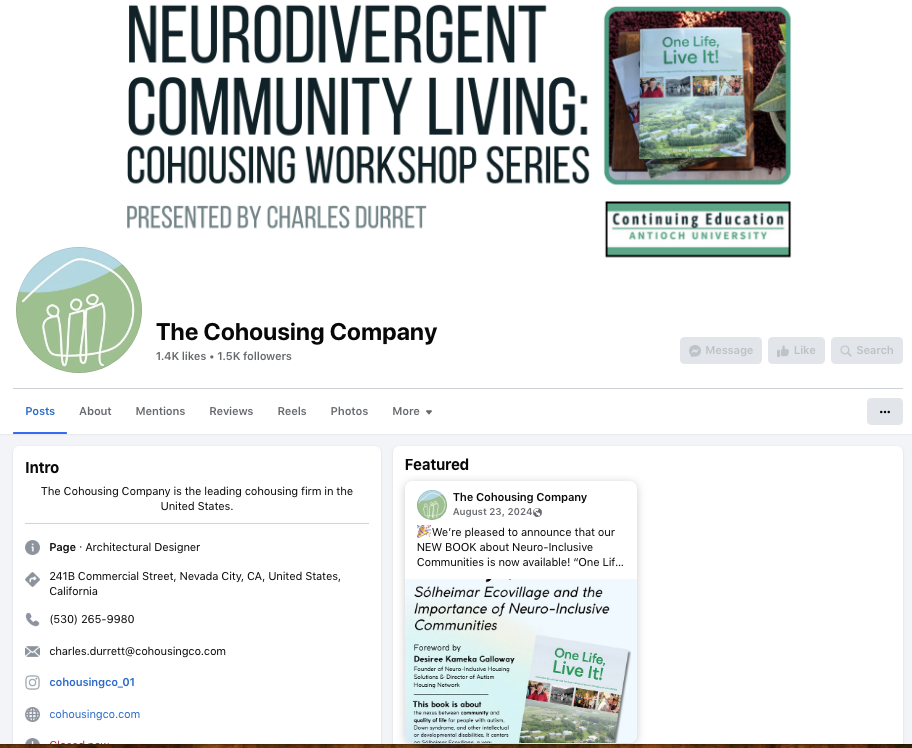
We are excited to share that, on January 22nd, the first-ever seminar in North America dedicated to creating welcoming communities for neurodiverse individuals took place. This groundbreaking, free introductory seminar attracted nearly 200 sign ups from across the globe.
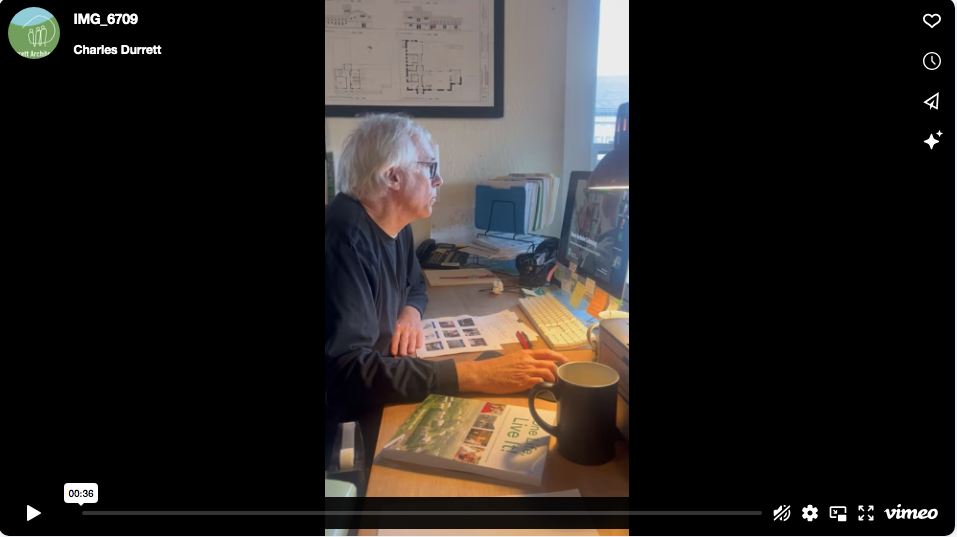
During the 90-minute session, Charles Durrett shared insightful strategies on how cohousing can significantly benefit the neurodiverse community. He also provided valuable guidance on how to begin building such communities locally, emphasizing the importance of inclusivity, mutual support.
Following the presentation, participants had the opportunity to engage directly, submitting their questions for further discussion and exploration. This seminar marks a meaningful step toward fostering inclusive, supportive communities where neurodiverse individuals can thrive. We are inspired by the global interest and look forward to continuing this important conversation as we work towards building more inclusive spaces for all.
This free seminar paved the way for the six-week workshop that is currently in session. The participants are exploring the shaping of neurodiverse communities, including policies, programs, and societal shifts. Charles offers guidance through every step of fostering inclusive environments and discusses strategies to advocate for belonging, accessibility, and social integration. As well as collaborative learning and interactive activities that provide opportunities to connect and network with like-minded advocates, professionals, and community leaders.
If you, or anyone you know have interest in the second offering of the course, please Contact Antioch University for Spring/Summer dates.
|
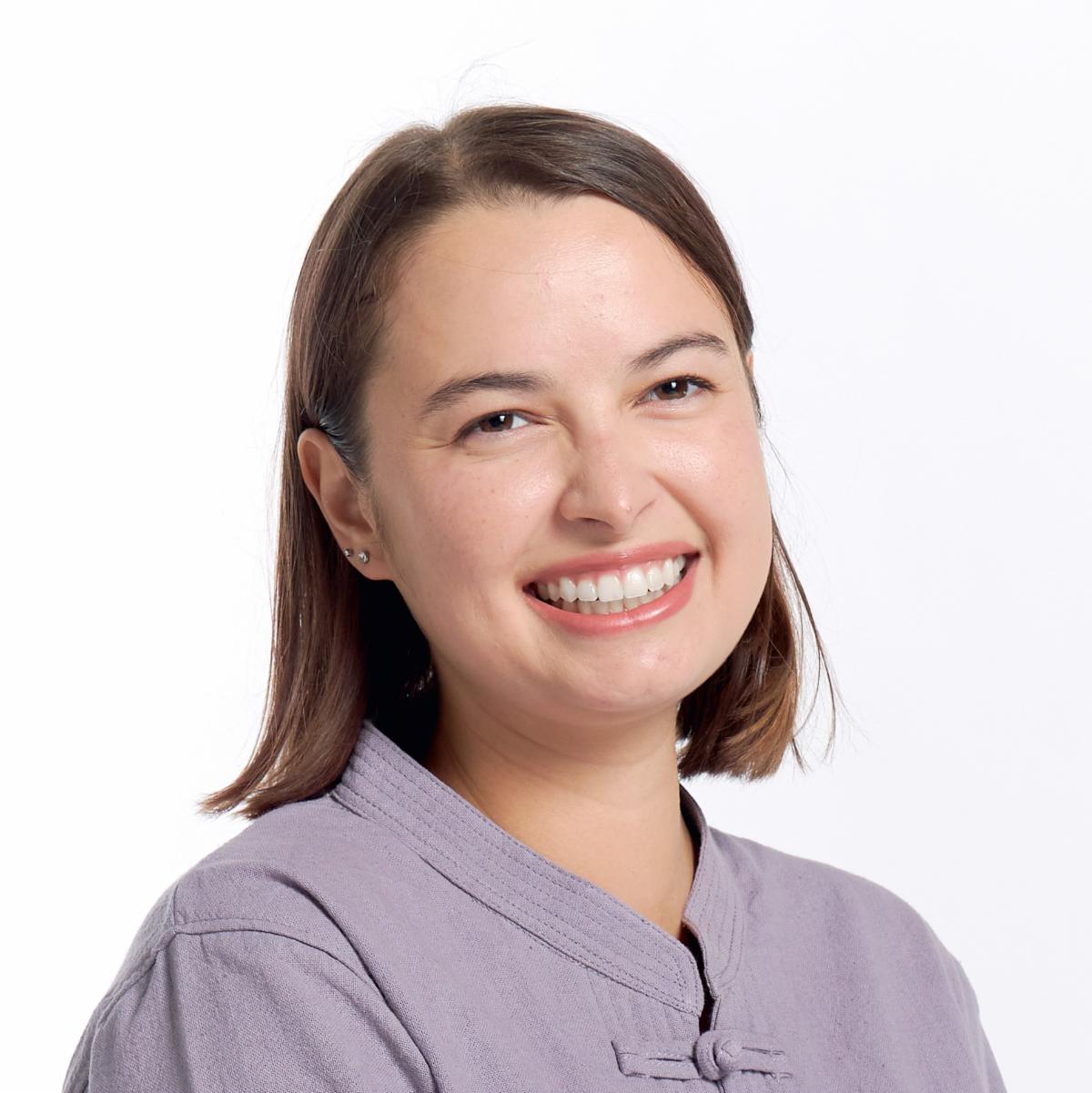
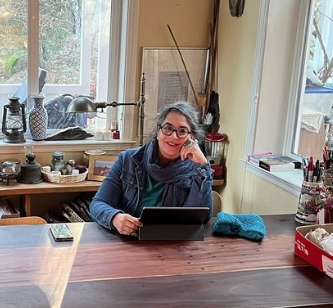
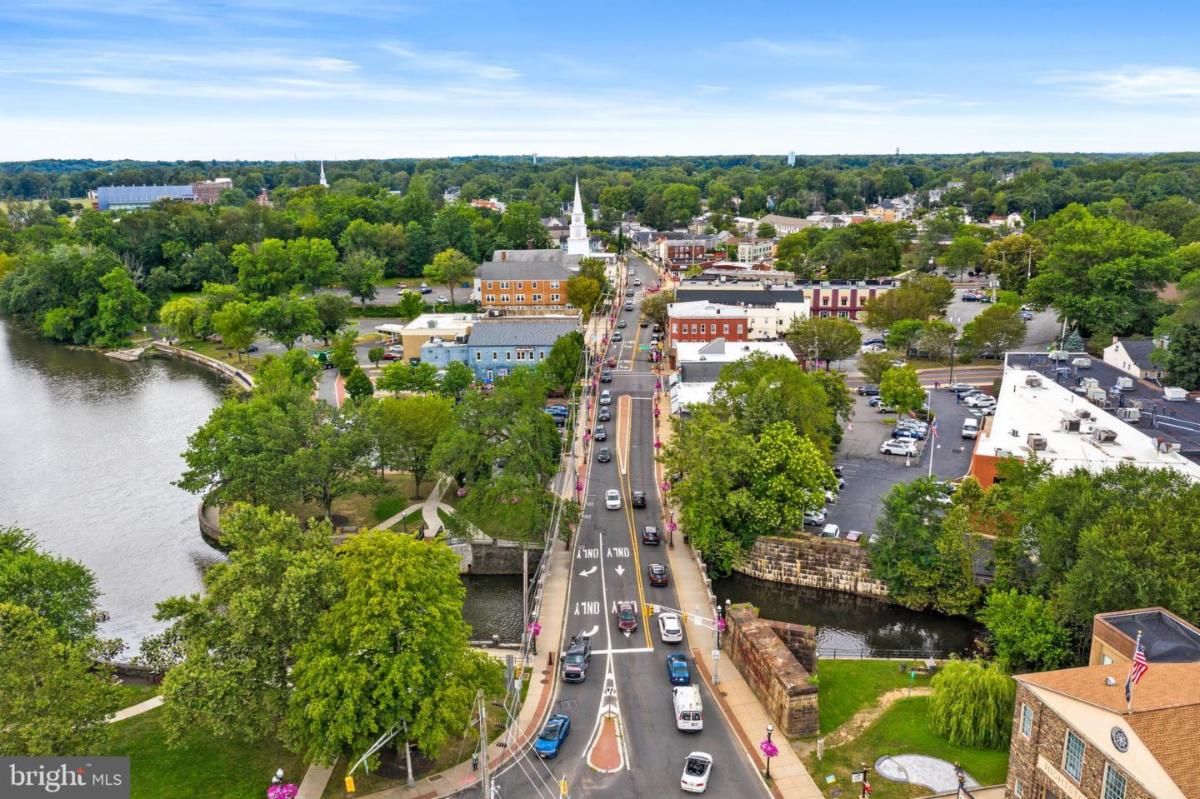
Rocky Brook Cohousing: Cohousing Coming to Hightstown, NJ | Nestled in Central New Jersey, Hightstown offers a unique blend of small-town warmth, rich history, and modern convenience. Tree-lined streets, vibrant community, and proximity to major cities make this borough of ~5,200 residents a great place to call home. Located between NYC and Philadelphia, and only a 20 min commute to Princeton. This neighborhood has a small walkable urban core while close to rural lands. These factors are the reason Sofia Kyle has sought out making Hightstown a cohousing community. | Sofia Kyle, Image provided by Sofia Kyle | Sofia Kyle, AICP, is a Hightstown resident dedicated to fostering social community and sustainable growth. She has 9 years of professional experience in urban planning and transportation engineering. Focusing on the intersection of people, infrastructure, equity, safety, and long-term strategic planning. She has experience leading engagement efforts with large stakeholder groups, creating strategic development guides and communication plans, and formulating recommendations from data analysis. Most importantly, she is committed to living in community. |
|
San Francisco's Senior Cohousing
Aging Successfully with Nicholas Dewar
| |
As the demand for alternative living arrangements grows, particularly for seniors, it’s clear that cohousing offers a promising solution to support aging populations. While San Francisco is known for its innovation, it has yet to establish a senior cohousing project. Especially stark in light of the fact that a major survey in Denmark of 80,000 seniors shows the favored housing solution there is senior cohousing. More desirable than any of the other options put together.
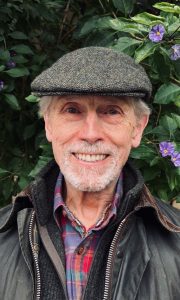
However, there is hope on the horizon. Glen Park’s Nicholas Dewar is leading the charge to create the city's first senior cohousing network. Dewar believes that recent shifts in state and local legislation could pave the way for a successful senior cohousing project in San Francisco, providing renewed optimism that a cohousing community for seniors may soon become a reality. This project has the potential to address both the housing crisis and the growing issue of isolation among older adults.
| Nicholas Dewar, Image by sfcohousing.com |
|
Alone in the Village
By Charles Durrett
| |
“A healthy social life is found only when, in the mirror of each soul, the whole community finds its reflection, and when in the whole community, the virtue of each one is living.” -Rudolph Steiner
Some folks thrive in community, others struggle. I used to feel a little guilty about organizing new cohousing communities that brought together the coolest, most responsible people in town. The can-do, type-A personalities into one ghetto. It usually takes very capable folks to pull off cohousing. The shipmate that navigates the large schooner to an entirely different land. S/he and cohorts must plan the journey, gather crew members, assess their skills, encourage participation from everyone, and set sail onto the vast, uncharted sea.
Public hearings, financing, building– in the planning phase, not everyone has to be gifted the aggregate shine of effort has to move things forward. I have learned that there is always something for people to do. Not until they move in do you realize that social dynamics change for some. Some folks have autism, Down syndrome, or ADHD or one of the other 200 DSM diagnoses. To weave them into a functioning community, cohousing or something as benign as a functioning neighborhood requires understanding, consciousness, empathy and a technique to help them plug in.
Weathering high seas and big storms and landing the boat may feel like a battle you won together, as a group. Then everyone gets into their own individual boats and settle. That’s when it gets tough on some folks, who worked hard like everyone else, but have a hard time fitting in. Apparently, when “can-do” was the order of the day, they did more than their share, but when it came to fitting in after the move, that was another question. They may be awkward conversationalists; they may be intimidated by those amazing conversationalists. That was probably why they shrank.
However, it is the larger committee’s responsibility to help them fit in by resonating with them at some level, and this requires a willingness. They do not need your sympathy. But to make the community work, they do require your empathy. How do we work this out together? Cohousing desires inclusion, but inclusion as a conscious act and it won’t happen as an accident.
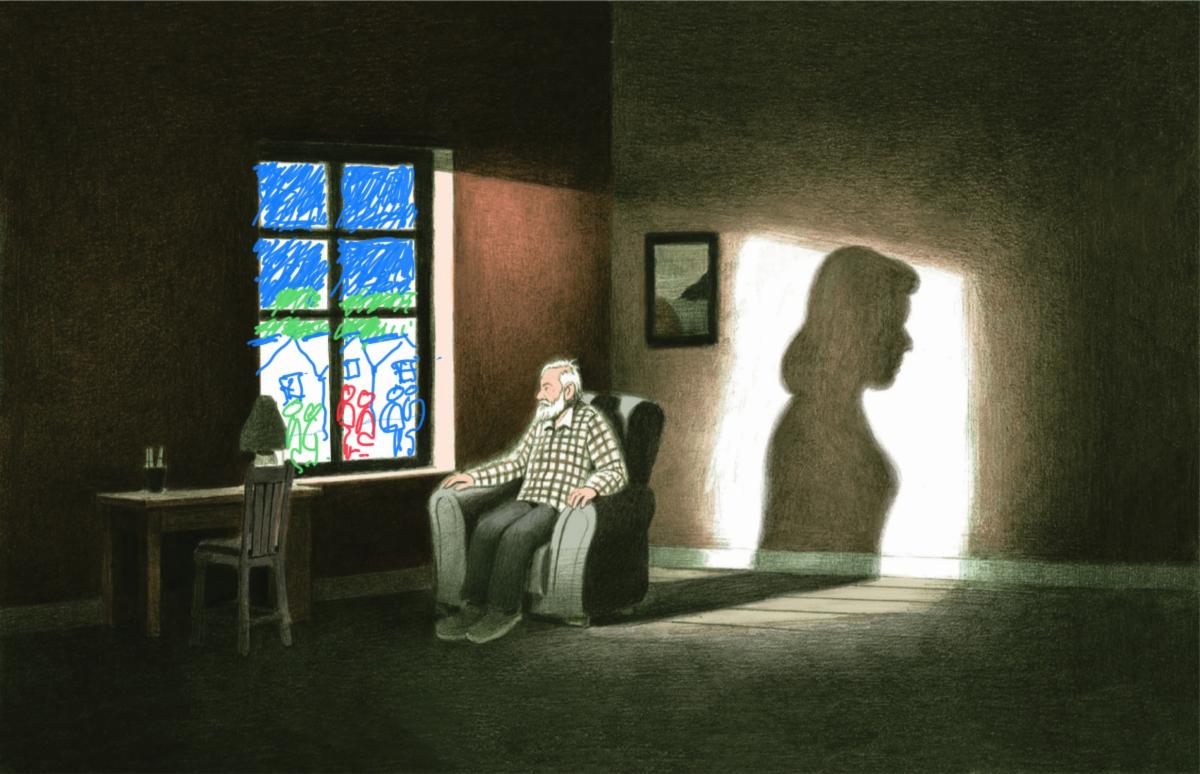
In the context of writing my last book, One Life Live It!, I read so many fascinating stories about people who are “left out”, even when “let in”. One young man with high-functioning autism wrote, “I never went to recess my entire elementary school, because it was too hard having such unique emotions that no one else related to or could even imagine relating to. My heart was racing with a feeling of not fitting in, self-consciousness, wrought anxiety, isolation and loneliness--I couldn’t stand it. So, I stayed in the classroom; sometimes I talked to the teacher, sometimes I read; I tried to escape to another world, sometimes homework; you can imagine it was hard staying inside”.
|
|
Memory, Resilience, & Reflection After the Fires
Webinar by Antioch University
Community Webinar | FREE
Sat. Feb. 22, 2025 |10 am PT / 1 pm ET
Live Virtual Online
| In the wake of the devastating fires in Los Angeles, Antioch University is hosting a free live webinar that honors the city's rich and unique history, as well as the incredible resilience of its community. The webinar will shine a spotlight on how LA's Indigenous Native roots are deeply woven into the fabric of its iconic architecture, offering a perspective on the city's cultural and historical significance that often goes unnoticed. |
|
We are very excited to be featured in "What's on the Bookshelf?" in Autism Parenting Magazine's February issue.
This award winning magazine features articles from respected professionals, autism experts, parents of children on the spectrum and adults with autism. Their focus covers inspiring success stories from real people and experiences. Their focus is to educate the community and to help parents make informed decisions. Click below to learn more.
| |
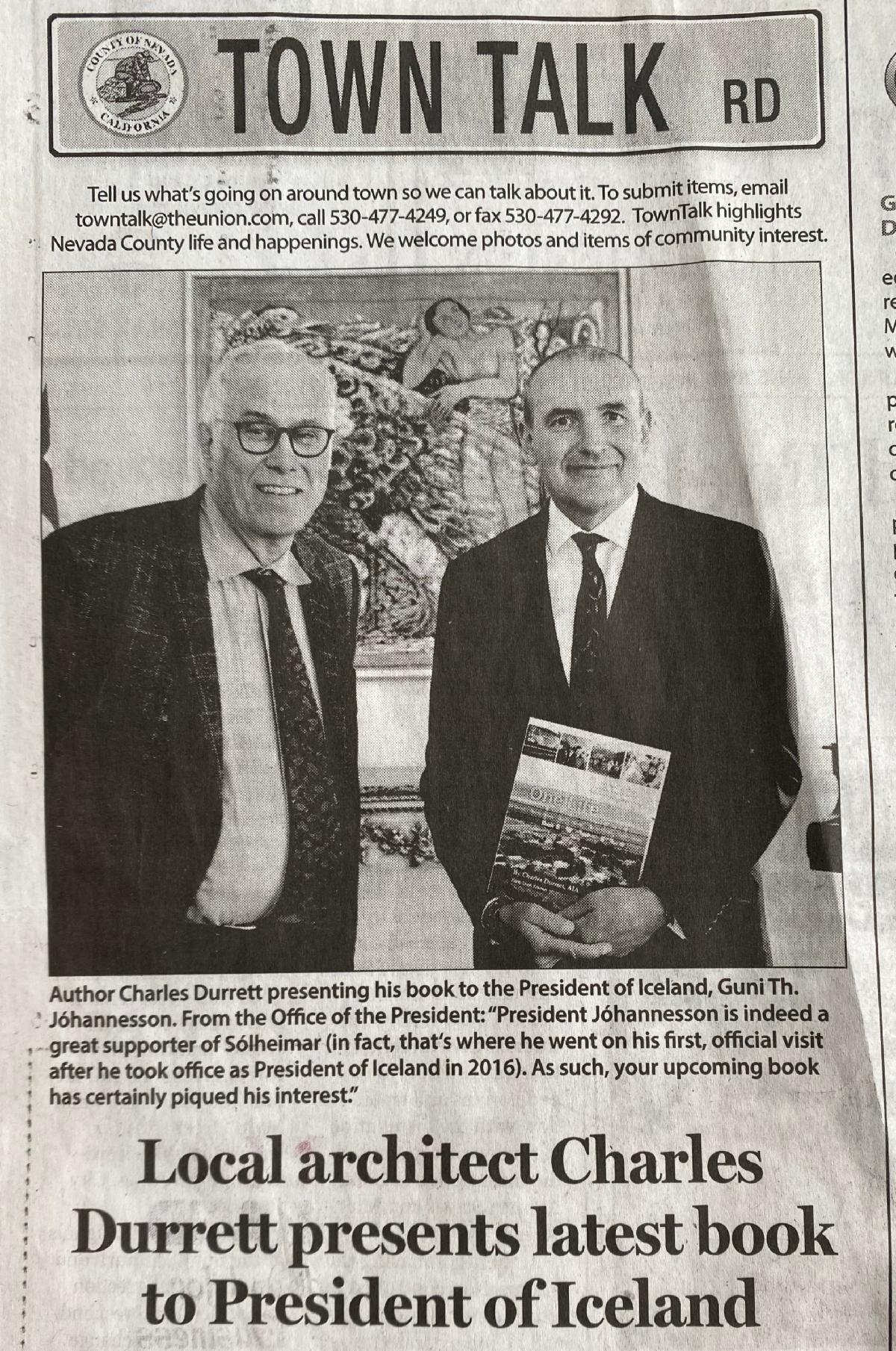
We appreciate our local newspaper, The Union, for the featured article about Charles Durrett's meeting the president of Iceland. We applaud them for providing their readers stories that reflect the interests, values, and achievements of the community they serve.
The Union is a daily newspaper that provides Nevada County, California local and regional news coverage. Their compelling articles include news, sports, opinion, entertainment, and more.
| |
|
Instructor’s note:
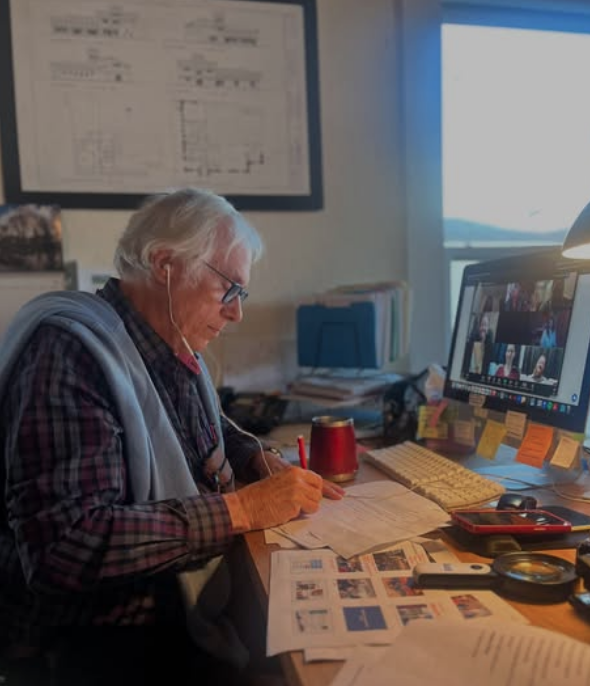
The workshop series, really a master seminar, of can-do and opinioned students from Brazil to British Columbia. This course is for families that have or have a member with a diagnosis of medium to low support needs autism, Down syndrome, or similar, to create a community like the example laid out in the book One Life, Live It! The class has had 2 of the 6 sessions and has been a bit of a triumph. A couple of seminars like this, and I believe there will be new neuro-inclusive communities in North and South America.
| |
By Moyena Ahmed
"The introductory class was an inspiring ninety minutes full of hope! As an architect, I’ve felt that architecture standards are not always the right reference for more sensitive and human design projects. Therefore, it’s so important and refreshing to see someone write a book that shines light on an area of housing design previously lost in the dark. It takes a master of the profession and the founder of cohousing in the US, to show a simple way forward for a life nurturing neurodivergent community. Like the books title says, One Life Live It! – the introduction elaborated on how to do that. My favorite architecture teacher in Pakistan taught me that there is a solution to every problem but remember that every solution has its own problems to be solved. The six-session course further elaborates on each of the milestones."
|
Hightstown, NJ, Image by estately.com | |
On May 15th, Sofia and Charles Durrett will be presenting at an introductory meeting to introduce this community to cohousing and its benefits, particularly for families. In an area with good public schools and access to multiple private schools, Hightstown is a great place to raise children. Being home to a lake, adjacent to preserved farmland, and close to wildlife areas gives a unique character of feeling urban and rural at the same time.
If you or anyone you know are interested in being part of a community in the New Jersey area, contact Sofia Kyle at rockybrookcohousing@gmail.com or learn more by visiting the website below.
|
Glen Park, San Francisco, Image by redfin.com/blog | |
Dewar, who participated in the Study Group 1 course this past fall, is now forming a core group of future residents to bring the project to life. In January, he launched the process with a free workshop to engage the community and educate others on the benefits of senior cohousing. His own Study Group 1 began February 13th, his enthusiasm and motivation propelling his progress on the project. There is still time to join!
Thanks to Nicholas Dewar, San Francisco may soon join the cohousing movement, potentially improving the quality of life for its senior residents.
If you or someone you know might be interested in this project, you can contact Nicholas at nicholas@sfcohousing.com or visit his website below for more information.
|
|
Neurotypical people need patience. So, you should invite all those that who are new to the meetings, and those who are or have been marginalized at any level. Just talk to them. Even at complicated committee meetings, like finance or energy savings, you will be surprised how useful they can be sometimes. Suzie volunteered to call rental companies to see what a three-yard refuse bin costs, for this weekend’s landscape clean-up! If you live in wildfire territory you know what I’m talking about.
There are two early essential ingredients to successfully being in the community: be on time, be thoughtful of others. Both are easy to gauge and measure, whether you do them or not. If you are chronically late for meetings, stop everything and work on that specifically. The Danes would say that cohousing started and thrived in Denmark because Danes came to meetings on time and started meetings on time even if they were fooling themselves. That is, tell yourself that the meeting starts at 6:00 PM even when it starts at 6:15 PM. Community may not be for you, although it probably is. But what people usually say is, “I couldn’t do it earlier but now I live with people I respect, so I’m on time all the time”.
There are so many reasons to live in a village. The winter solstice spiral with candles, the day-to-day sense of care, the knowing, the day of the dead; the internal TED talks; dinner with others, the star gazing in the hot tub, the singing; the strumming; the drumming, the dances, the support, the community and dozens more. All of these are, of course, voluntary, but most people come. More fun than they expected over and over again.
The highs are higher, and the lows are lower in cohousing because the more you know others, the more you care about them. Sometimes, as you walk by a stranger in the city, the only thing you think about is the level of threat. No perceived threat, no worry. Perceived threat keeps an eye on them. “The lows are lower in cohousing because you care, and the highs are higher, but I would not want to live anywhere else”, said a woman in cohousing.
There are so many high-functioning people in cohousing. I am not going to say they can’t tolerate people with shortcomings. But I will say that they tend to overlook the couple of people with atypical behavior. Those lucky enough to live in cohousing need to consider those who struggle but it’s a two-way street. I know from personal experience that those who struggle need to best assure that everyone is comfortable, the best that they can. This article talks about how to relate to others who might go unnoticed. It’s an important and fun challenge. Let’s start today.
|
Presenter Rosa Garza-Mourino will guide attendees through LA's complex and challenging past, highlighting its ability to recover and rebuild in the face of adversity. This discussion will offer a profound look at the strength of the city's spirit, its history of overcoming obstacles, and the ways in which these experiences continue to shape Los Angeles today. |
|
Thank you so much to Autism Digest for featuring my article "Rethinking Home: How Inclusive Design Fuels Belonging and Connection" in their February - April Issue. In this article One Life, Live It! is used as an example to convey the importance of communities that highlight inclusivity in design.
Autism Digest's forward thinking challenges assumptions when it comes to autism. Their science-based approach propelled them to completed three autism-related research projects for the National Science Foundation and the National Institutes of Health. This fantastic magazine has a progressive outlook giving them the opportunity to publish compelling content representing the diversity of the autism community. See their website below to learn more.
| |
|
Altadena
From Ashes to Community
We here at the Cohousing Company, at the request of some folks from LA, have taken a one-day stab at replacement housing in an existing neighborhood in Altadena, California. These houses are made of steel shipping containers and other fire-resistant materials.
| | | | |