A Competitive Advantage


Part One


Imagine this: Your patients walk into your dental practice, thinking they’re just going to get their teeth cleaned or a cavity filled. But what if, instead, you offer them something radically different—a path to better health, not just a better smile?


That’s where salivary analysis comes in. You’re not just fixing teeth; you’re delivering insights that can change lives.


Read More

Part Two


Now that we’ve explored how salivary diagnostics can elevate your practice from routine care to comprehensive health management, let’s dive deeper. In Part 1, we introduced how identifying bacteria linked to systemic diseases like heart disease and Alzheimer’s positions you as more than just a dentist—you become a key partner in your patients’ overall health.


Read More

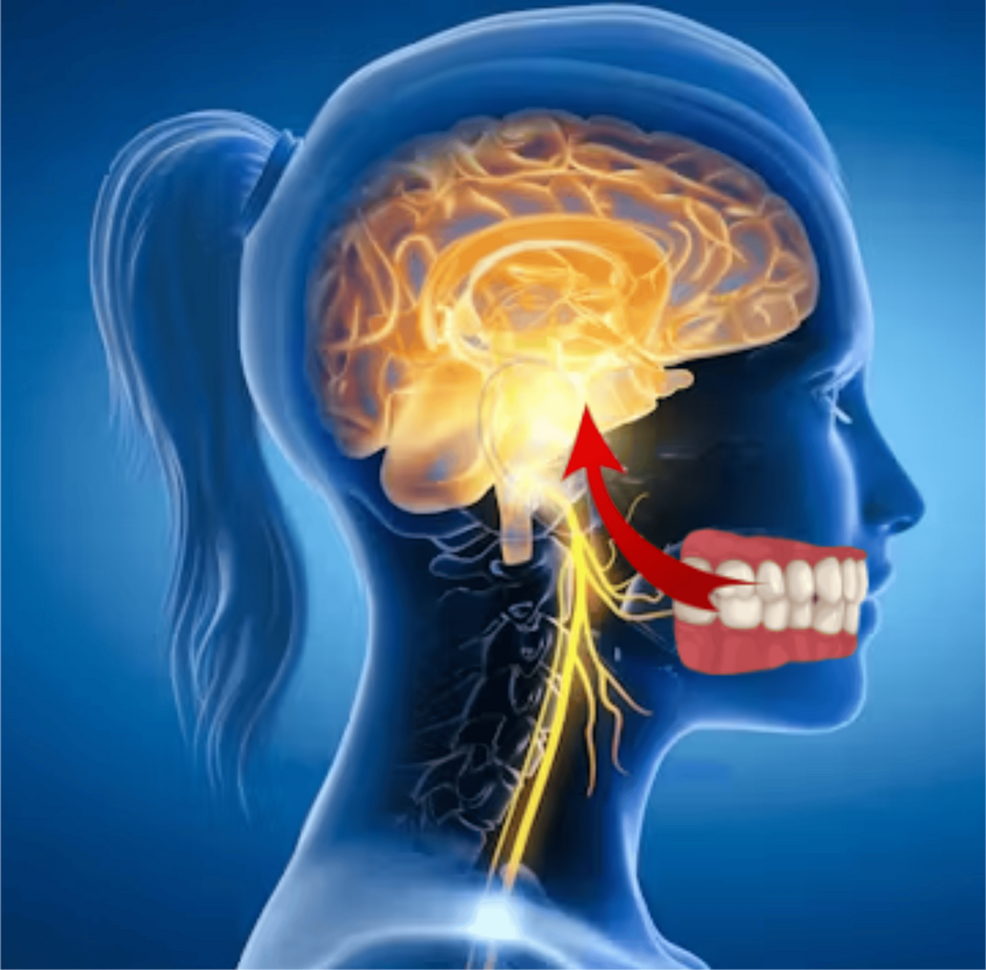
Oral Biofilm and Its Connection to Alzheimer’s Disease

Abstract

Dementia and Alzheimer’s disease are common occurrences in the population, affecting many patients. Recent research and studies have found a link between oral biofilm and the initiation of these conditions or the worsening of their presentation. Periodontal disease and the associated oral biofilm with its bacteria are often not considered by the medical community when treating these or their patients. Coordination of therapy with a dentist can improve the patient’s oral health. Decreasing bacteria in the oral biofilm allows the physician and dentist to provide coordinated total healthcare. Emphasis and education of the patient on the importance of maintaining good oral homecare and routine dental recall prophylaxis appointments to improve their systemic health and limit the progression and worsening of mental health conditions. This article discusses the connection between oral biofilm and systemic health, specifically Alzheimer’s disease, and how to improve those conditions through oral healthcare.


Read More

Research Spotlight: Oral Squamous Cell Carcinoma and the Role of Salivary Diagnostics by Emily Long, BS

Oral squamous cell carcinoma (OSCC) accounts for 90% of all head and neck cancers, posing a significant public health concern worldwide (Shafiq et al., 2023). Despite increasing awareness, OSCC is frequently diagnosed at advanced stages, leading to poor prognoses and lower survival rates (Roi et al., 2019). If untreated, this type of cancer can metastasize, spreading to other regions of the body. According to the National Cancer Institute, 53% of cancers in the oral cavity and pharynx are identified only after they have spread to neighboring lymph nodes, of which some sources report a 50% decrease in patient survival rates (The Surveillance, Epidemiology, and End Results (SEER) Program, 2024; Bugshan & Farooq, 2020).


Read More

How Do You Speak Testing? With Bianca Velayo DMD – Part 1

Hypothetical Patient Bio:


Patient A (Husband): A 35-year-old male, non-smoker, generally healthy with no systemic conditions. The patient reported that his symptoms began approximately three years ago and progressively worsened despite regular brushing.

Patient B (Wife): A 32-year-old female, non-smoker, generally healthy with no systemic conditions. She is currently 18 weeks pregnant with her first child.


Periodontal Assessment:


Patient A: Probing depths: 5-8 mm in several sites, indicating moderate to severe periodontitis. Radiographic analysis showed significant bone loss around the molars. Presence of subgingival calculus and heavy plaque buildup.

Patient B: Probing depths: 4-6 mm, indicating moderate periodontitis. Radiographic analysis showed mild to moderate bone loss. Presence of subgingival calculus.


Read More

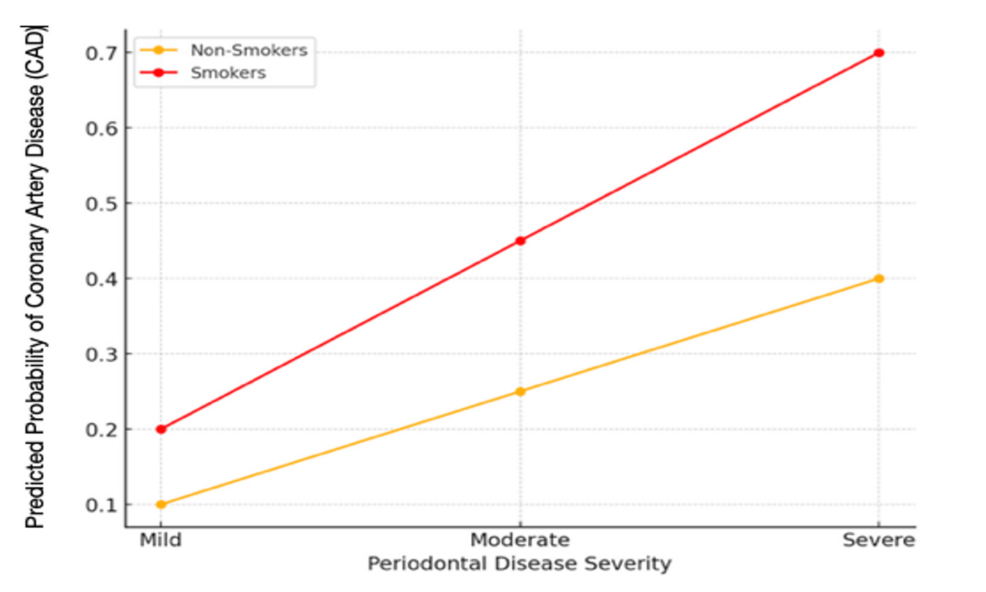
The Relationship Between Periodontitis, Gingivitis, Smoking, Missing Teeth, Endodontic Infections, Aortic Aneurysm, and Coronary Artery Disease: The 10-Year Results of 25 Patients

Abstract

Background

Emerging research suggests a correlation between poor oral health and cardiovascular diseases (CVDs), with inflammation being a central mechanism. Periodontitis and gingivitis are chronic inflammatory diseases that can lead to systemic health issues if untreated. It has been indicated previously that endodontic infections and missing teeth may contribute to elevated cardiovascular risk, and smoking exacerbates both periodontal and cardiovascular conditions. This study expands upon existing research by examining both periodontal and endodontic health factors together and investigating smoking as a potentially amplifying factor. Poor periodontal health may contribute to systemic inflammation, which is a recognized risk factor for atherosclerosis and cardiovascular events. This study aims to evaluate these relationships over a decade, providing insights into the potential preventive impact of periodontal care on cardiovascular health.


Read More

Follow Us On Social Media!
Facebook  Instagram  LinkedIn  X
 
www.oraldna.com