|
Quarterly News & Updates, Volume 3, Summer 2025
Conservation, Education & Economic Development
| | | |
Greetings Members and Friends,
| | |
We are pleased to share several exciting updates about our recent work and the road ahead for the Florida Ocean Alliance (FOA).
This year, FOA has been proud to support our members and partners by advocating for vital funding opportunities that strengthen Florida’s ocean and coastal resources. We recognize the importance of sustaining grant programs for our members, and we are pleased to have helped secure both federal and state funding.
| | |
Notably, FOA supported funding for the newly established Office of the Ocean Economy, a critical initiative for advancing innovative solutions that will expand Florida’s ocean economy while protecting the pristine ocean and coastal environments that make this prosperity possible.
Over the past three years, FOA has also championed federal and state funding on behalf of:
- Coastal States Organization for coastal zone management programs
- Florida Sea Grant
- SECOORA (Southeast Coastal Ocean Observing Regional Association)
- Nova Southeastern University’s coral reef grant
- Florida’s estuaries
-
Federal grants for multiple port projects
These efforts reinforce our statewide leadership role in shaping a sustainable and resilient ocean economy.
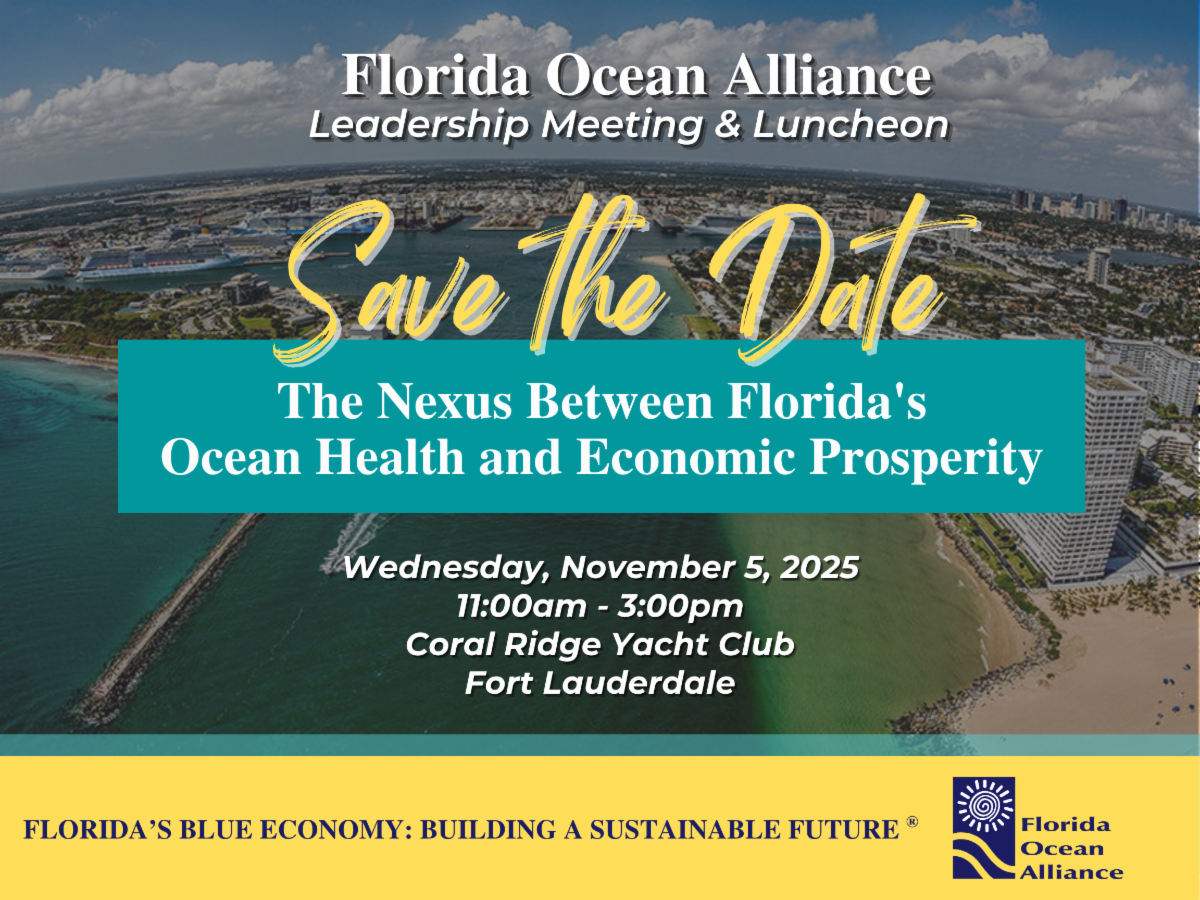
Our Board recently held a very successful Strategy meeting to lay out our plans for 2026 that you will hear more about, and we look forward to seeing you at our Leadership Meeting & Luncheon in November.
Thank you for your continued involvement and unwavering support of the Florida Ocean Alliance. Together, we are driving meaningful progress for Florida’s ocean economy, our coastal communities, and the natural resources that sustain them.
Sincerely,
| | |
Glenn Wiltshire
President
| | |
| |
FOA Strategy Meeting | August 2025
| | |
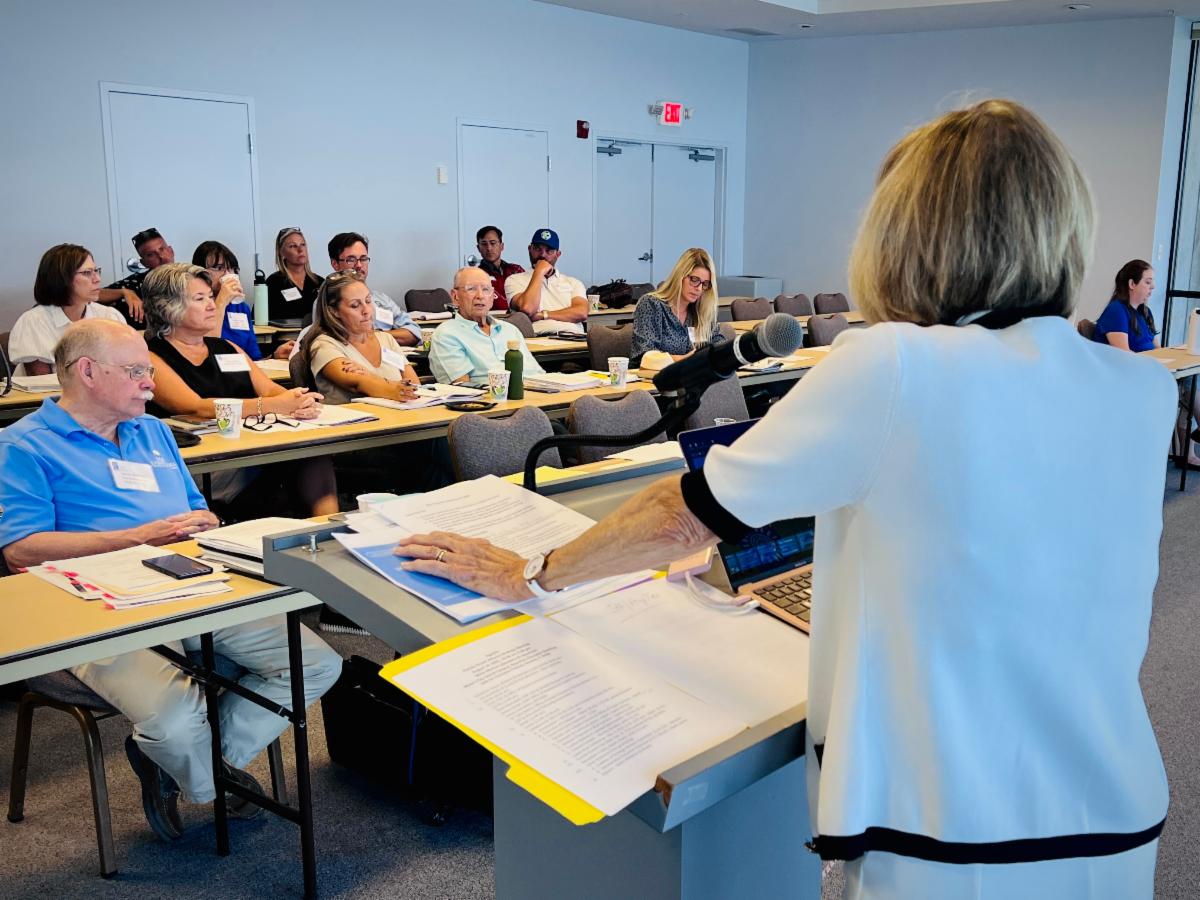
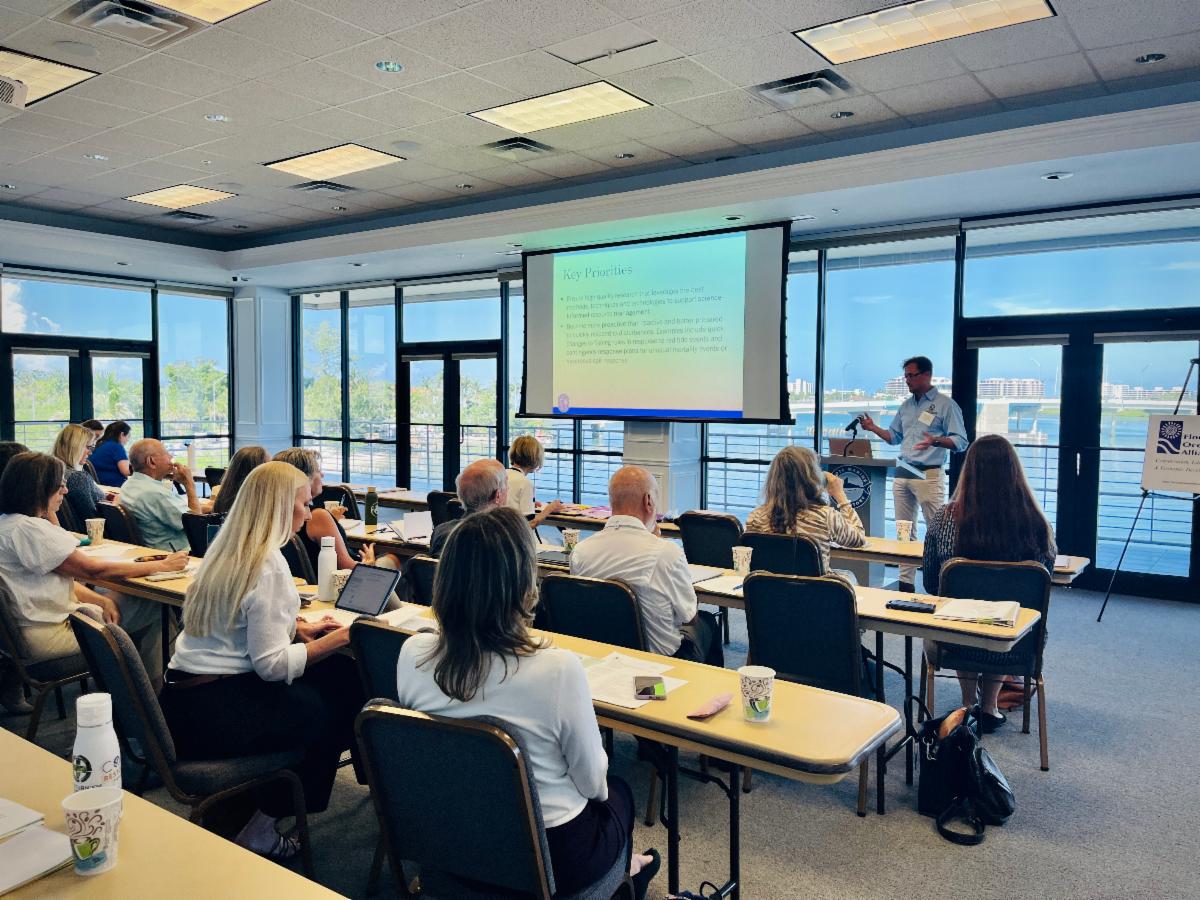
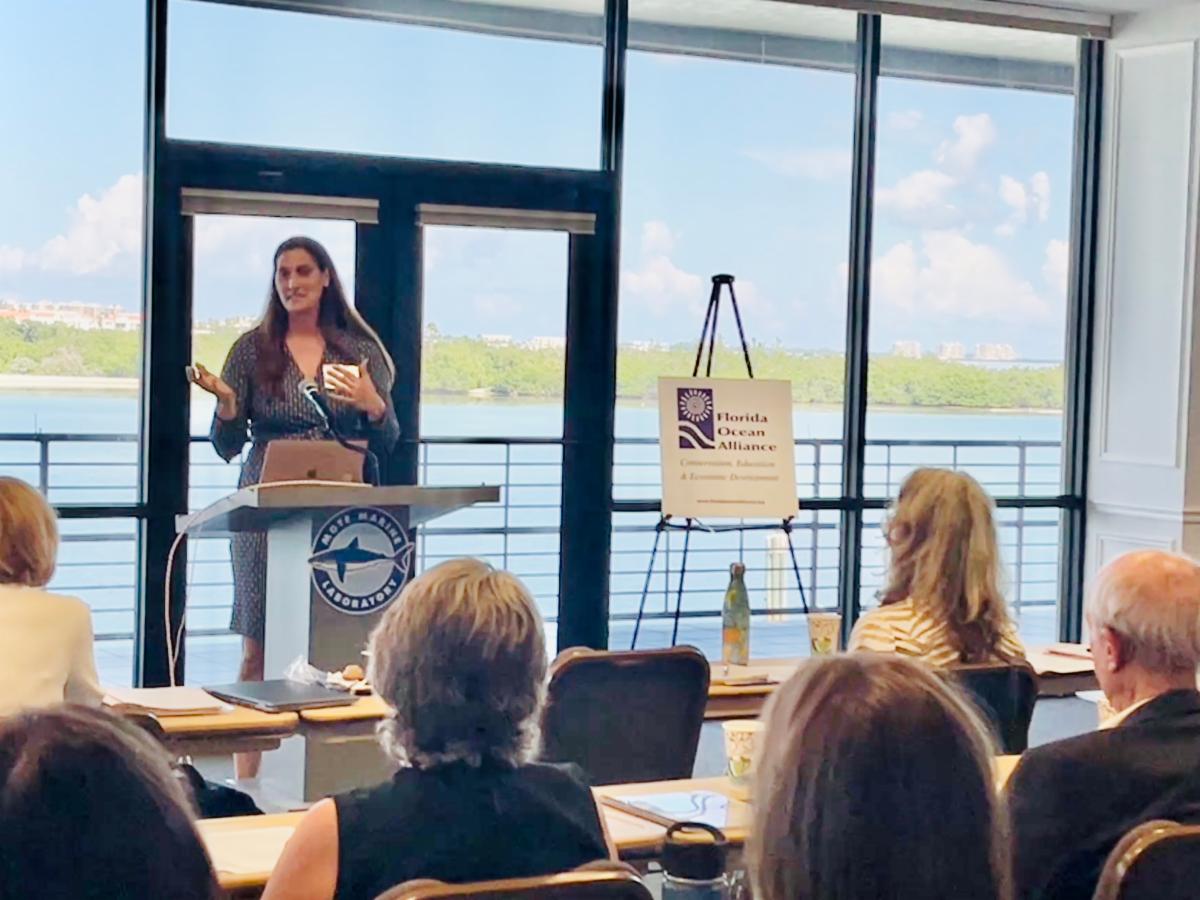
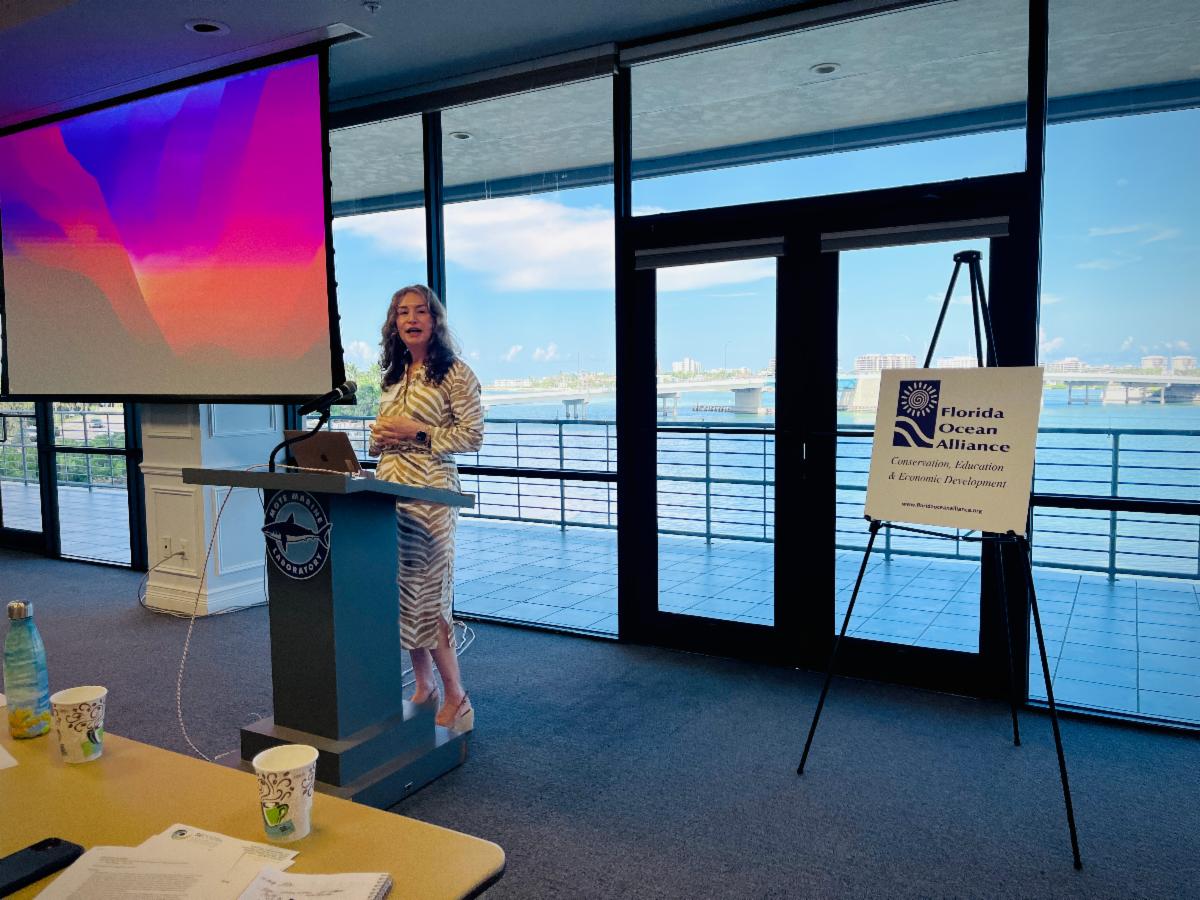
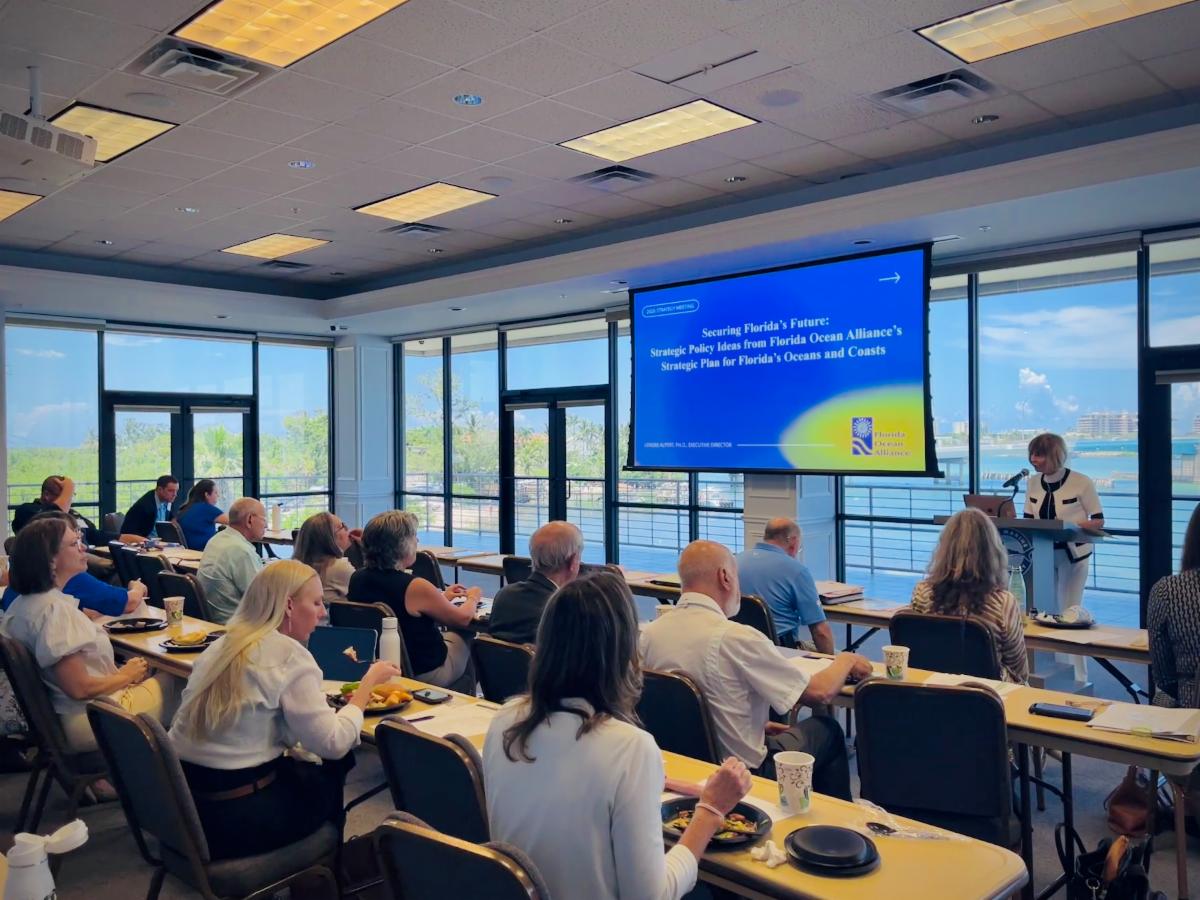
This month, FOA hosted a highly constructive and energizing exchange of ideas during our annual Strategy Meeting at Sarasota's Mote Marine Laboratory and Aquarium Education Building.
| |
This year's meeting saw excellent attendance across a broad sector of our membership with guest presentions by Dr. Colin Polsky of the Office of Ocean Economy at Florida Atlantic University and the following:
| | |
René Baumstark of the FWC Fish & Wildlife Research Institute
| | Jenna Harper from the Florida Department of Environmental Protection Office of Resilience & Coastal Protection | | Debra Hernandez of SECOORA | | Dr. Lenore Alpert of the Florida Ocean Alliance | | |
The priorities they shared helped us understand channels for partnership while the main discussion focused on how FOA's Strategic Plan for 2026 may help guide our collective work in the months ahead. We were also honored to be joined by Dr. Kumar Mahadevan, one of FOA’s founders alongside Jim Murley.
| |
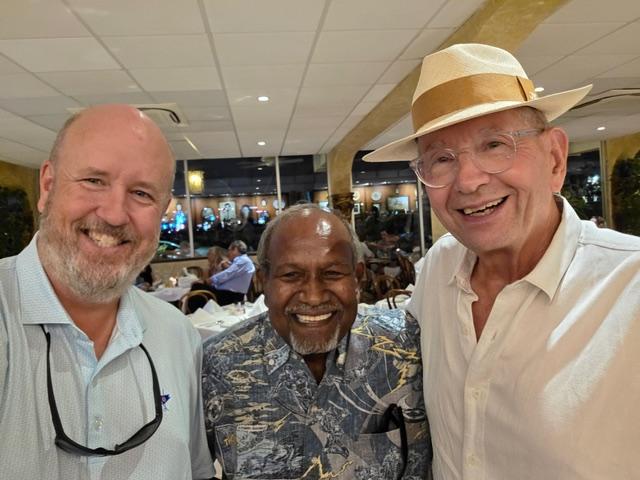
FOA Vice President, Spencer Crowley with founding FOA members Dr. Kumar Mahadevan and Jim Murley.
| | | |
And we'd like to extend a special thanks to Dr. Michael Crosby, Director of Mote for his generosity
and leadership in bringing members together for this important event.
| | | |
FOA Leadership Meeting & Luncheon | November 2025
| | |
As we look forward, we are excited to invite you to this year’s FOA Leadership Meeting and Luncheon, an innovative event designed to help shape Florida’s future—one where economic prosperity, environmental resilience, and cultural heritage thrive together. This annual gathering will convene leaders across sectors to explore the intersections of ocean economy, climate resilience, and coastal culture.
Your participation—and especially your support as a sponsor—is invaluable. Sponsorship not only elevates your organization’s leadership role in Florida’s ocean and coastal future, but also ensures that our state continues to serve as a model for forward-thinking coastal stewardship.
To sponsor this event:
All confirmed sponsors will receive a follow-up email with details about sponsorship benefits and guest registration.
We would be honored to have your support as we work together to elevate Florida’s blue economy and coastal future. Please don’t hesitate to reach out with any questions.
| | |
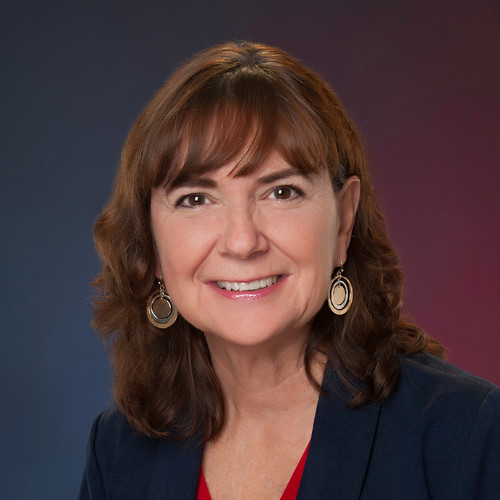
With a remarkable career spanning nearly four decades at MarineLab/ Marine Resources Development Foundation, Ginette has been at the heart of marine and environmental education since 1986. Her leadership has helped shape impactful programs such as the MarineLab Environmental Education Program, teacher workshops, and Elderhostel programs — reaching thousands of students, educators, and lifelong learners.
Ginette’s work spans logistics, program development, marketing, and digital strategy — a powerful combination for advancing environmental awareness and stewardship.
We're honored to have Ginette’s passion, experience, and insight as part of the Alliance as we continue working together to protect and promote Florida’s ocean and coastal resources.
| | |
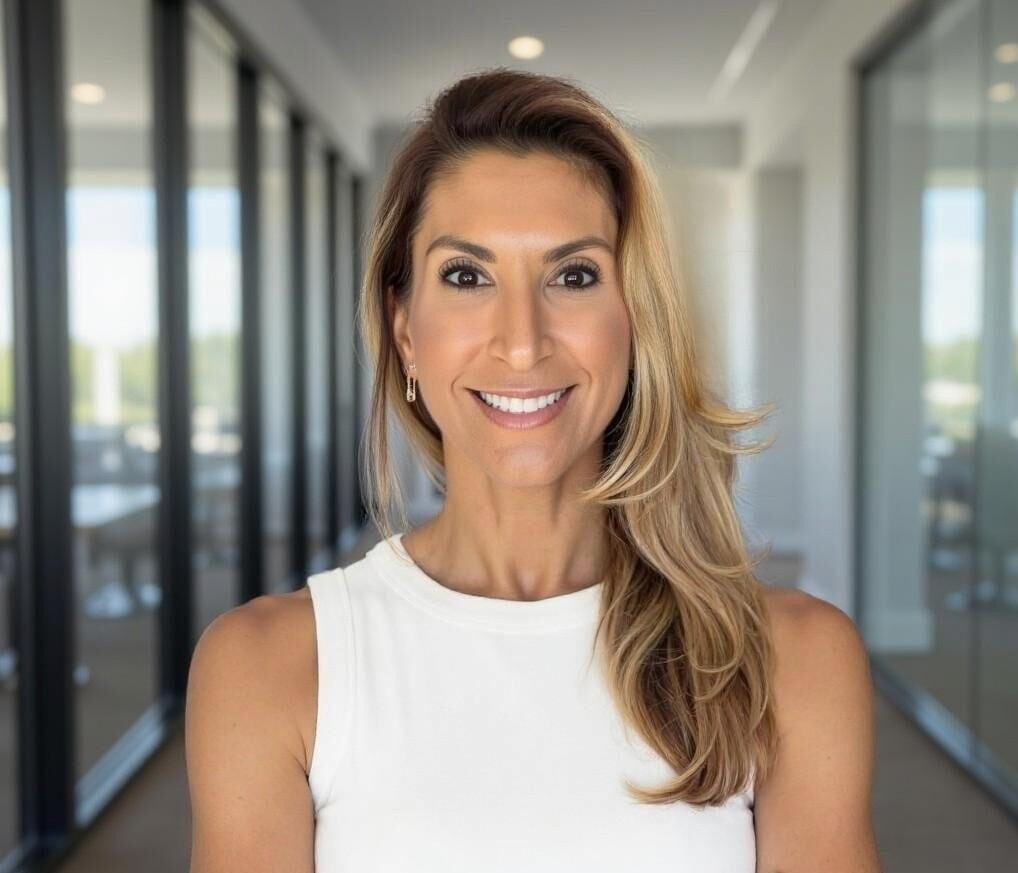
Serving as Partner at Panza Maurer, Jennifer brings over 15 years of experience in government relations, with a strong record of advocacy before Florida’s legislative and executive agencies. Her work spans critical issues like healthcare, technology, insurance, and environmental policy—making her a powerful voice for ocean-focused progress in the Sunshine State.
As a strategic advisor and policy expert, Jennifer helps organizations develop forward-thinking advocacy plans that align with both immediate policy needs and long-term business goals. Her ability to bridge public policy with corporate strategy brings valuable insight to our alliance.
A native Floridian, Jennifer has a deep-rooted connection to the state’s natural resources and a strong commitment to protecting the ecosystems and economies that depend on healthy coasts and oceans.
| | |
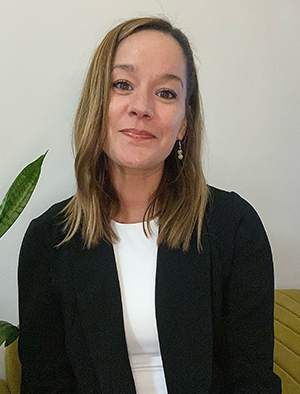
As the Florida Program Manager at the Environmental Defense Fund, Ali brings a wealth of expertise in climate policy, clean energy, plastic and packaging waste, and electric vehicle infrastructure—key areas shaping Florida’s environmental future. In her role at EDF, she focuses on advancing the adoption of medium- and heavy-duty electric vehicles, supporting port electrification, and strengthening state and local climate policy across Florida.
Her cross-sector experience spans government, nonprofits, education, and the private sector, where she’s led on corporate sustainability, stakeholder engagement, and environmental policy strategy. She also serves on the boards of Trash Free Maryland and the Maryland Pesticide Education Network.
| | |
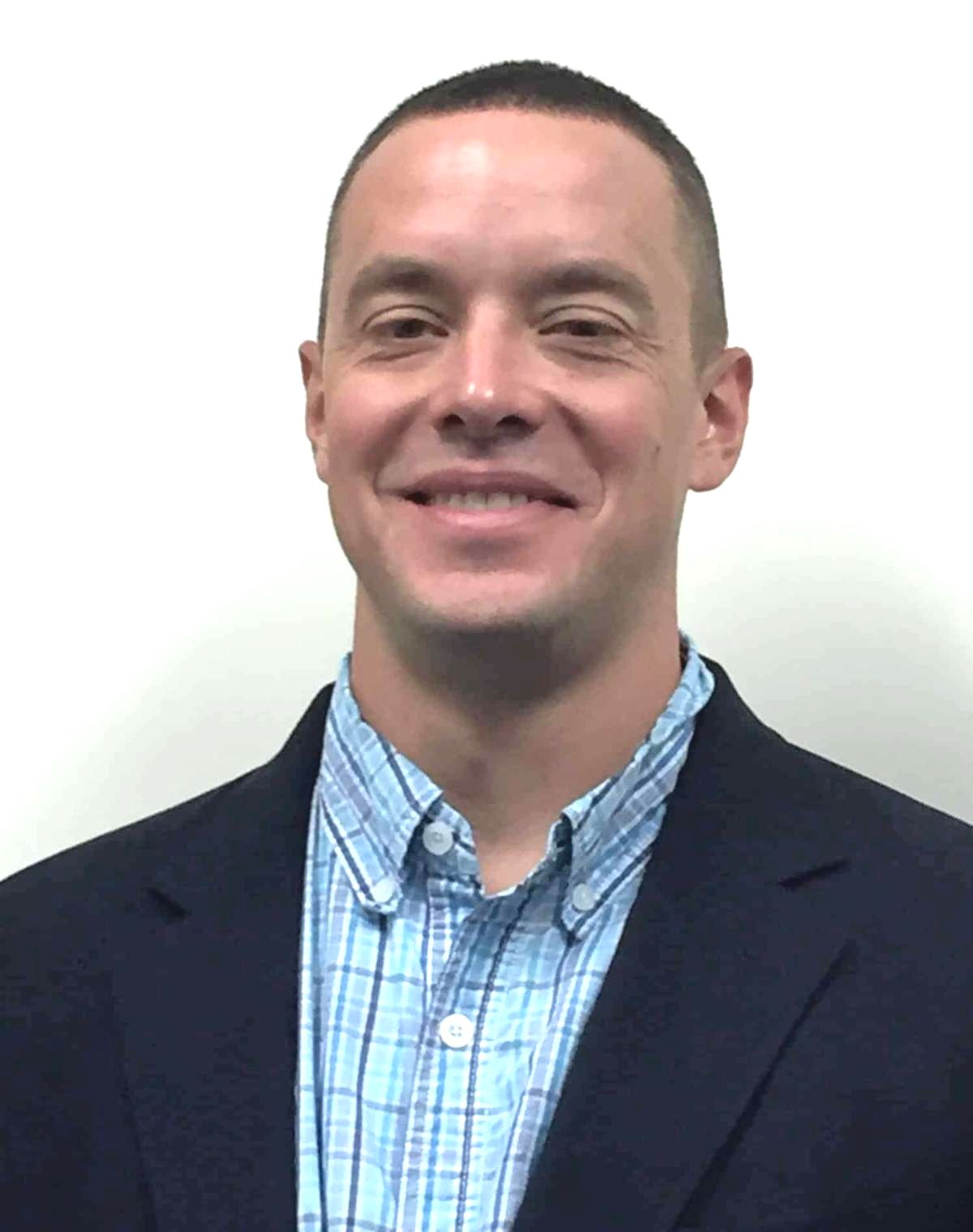
Serving as the Executive Director for Research and Policy at the Guy Harvey Foundation, Greg champions marine science, conservation, education, and policy advocacy across the globe. With a background in marine biology, he brings deep expertise and passion to leading GHF’s mission in preserving ocean health and advancing the blue economy.
In his role, Greg coordinates pivotal programs that support vital research—from shark tagging initiatives to satellite tracking—and elevates collaborations with institutions like Nova Southeastern University’s Guy Harvey Research Institute (GHRI) and Rock the Ocean.
Greg is also a compelling voice for policy change and ocean protection. He regularly remarks on the foundation’s strategic use of data—from tagged shark migration patterns to insights on coastal ecosystems—to inform environmental governance and resource management.
| | |
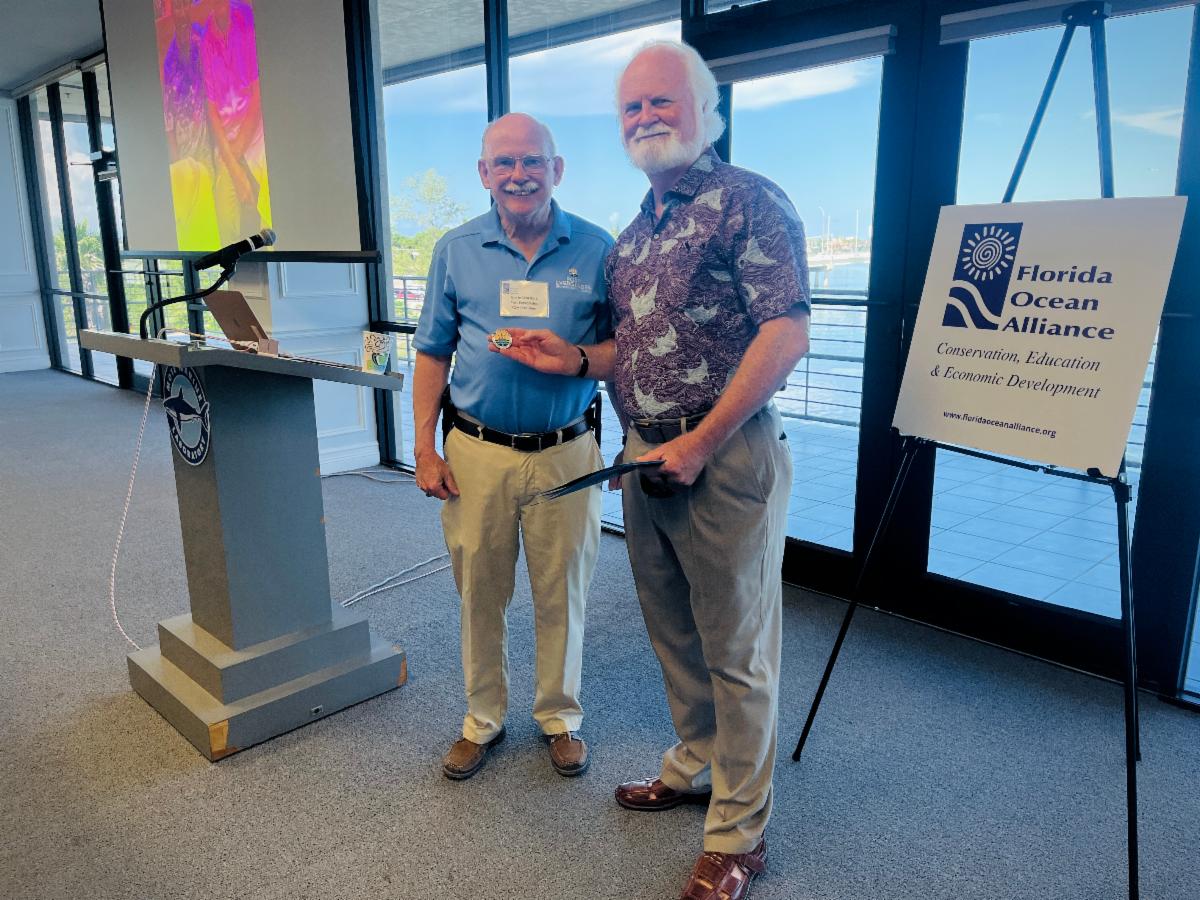
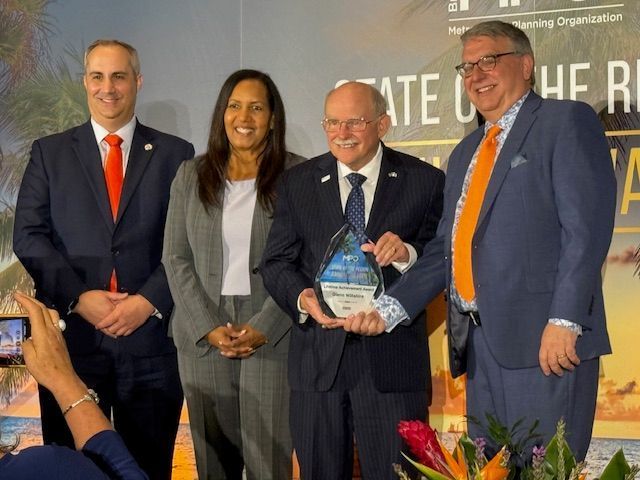
We are proud to share that our President, Glenn Wiltshire, Deputy Port Director at Port Everglades, was honored with the 2025 Lifetime Achievement Award by the Speak Up Broward- Broward Metropolitan Planning Organization at their State of the Region & Annual Awards.
A retired U.S. Coast Guard veteran with over 30 years of service, Glenn has been instrumental in transforming Port Everglades into a global leader in cruise and cargo operations. Under his leadership, the port has introduced innovative technologies and expanded infrastructure, contributing significantly to Florida's ocean economy.
Please join us in congratulating Glenn on this well-deserved recognition!
| | |
Kudos to our longtime Alliance member Dr. Ellen Prager, Chief Scientist of StormCenter Communications, for her television appearance on the Weather Channel to discuss the Pacific Ocean tsunami on July 30.
She gave an excellent and informative segment that used data science to educate the public.
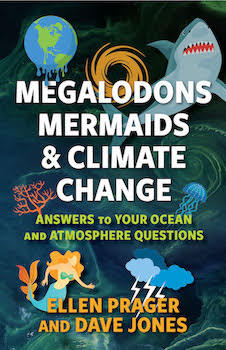
Ellen and Dave Jones have just released a book (shown above) explaining ocean and atmosphere questions. The book is also intended to serve as a resource to help educators and science communicators become a trusted, credible source within the community.
| | FDEP Enhancing Safety and Access Along Florida's Coast | | |
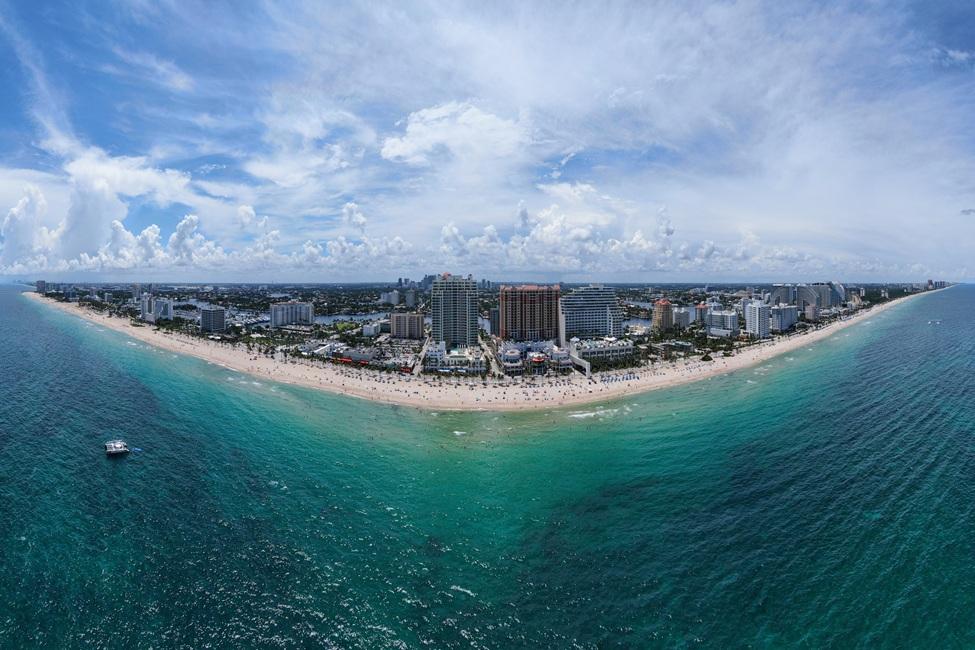
With 825 miles of sandy beaches, Florida’s coastline is renowned for its beauty, crystal clear waters and year-round sunshine. From tranquil dunes and mangrove islands to vibrant communities and historic sites, the coast offers a rich mix of natural and cultural resources. The Florida Coastal Management Program (FCMP) works to ensure residents and visitors can safely enjoy these coastal assets.
To support public access, FCMP created the Coastal Access Guide, an interactive online tool that maps public access points along the Gulf and Atlantic coasts. Users can explore locations and find detailed information about parking, boat ramps, shelters, food options, boardwalks, accessibility and more. Whether visitors are planning a picnic or a paddle, the guide can help find the perfect spot.
| | | |
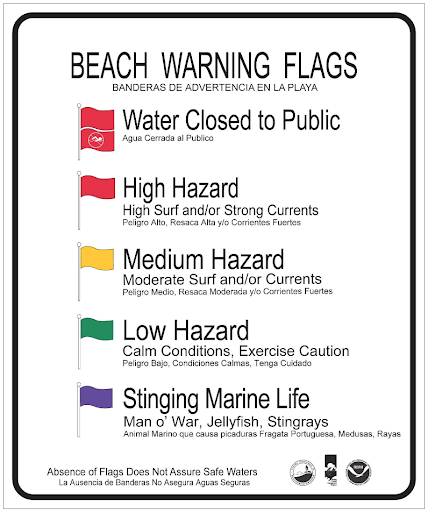
Beach safety is a top priority in Florida, and conditions can change quickly due to tides, surf and weather. To help keep visitors informed, Florida uses a uniform beach warning flag system. This statewide system reduces confusion and promotes safer beachgoing experiences. Flags are posted along public beaches with signs explaining what each one means. The program is managed locally, with many communities receiving flags and signs through the FCMP. FCMP also distributes rip current safety signs to raise awareness of this common coastal hazard.
Local governments are encouraged to check availability of beach safety flags and signage. Through tools like the Coastal Access Guide and safety initiatives like the Beach Warning Flag Program, FCMP continues its mission to protect, promote and improve Florida’s coastal access and public safety.
For more information, contact: FCMPmail@FloridaDEP.gov
| | Florida Office of Ocean Economy Publishes First Annual Report | | |
The ocean is a cornerstone of Florida's economy and identity and in recognition of this, the Florida Legislature established the Florida Office of Ocean Economy in 2024--housed at Florida Atlantic University.
The Office of Ocean Economy is designed to position Florida as a global leader in ocean-linked industries. Acting as a hub for collaboration across business, research, capital, and policy, it seeks to advance sustainable economic growth while protecting the ecosystems that make prosperity possible.
FAU recently released the office’s first annual report, highlighting the scale and impact of Florida’s ocean economy. In 2023, ocean-related activity supported approximately 909,000 jobs, generated $59 billion in labor income, and contributed $96 billion in Gross State Product—more than 6% of Florida’s total economy.
This makes Florida the largest ocean economy by employment in the nation and one of the most ocean-dependent economies in the world.
“The Florida Office of Ocean Economy is a vital initiative advancing economic growth through the sustainable use of our ocean and coastal resources,” said FAU President Adam Hasner. “We look forward to working alongside partners to cultivate an ocean economy that delivers opportunity, security, and prosperity for every Floridian.”
Looking ahead, the Office will collaborate with partners across state agencies, academic institutions, federal research centers, industry leaders, conservation nonprofits, and private innovators to drive forward-thinking solutions.
By aligning expertise and resources, Florida is building a model for how ocean economies can thrive while safeguarding the natural systems that sustain them.
| | Member Updates & Announcements | | Port Everglades Preparing for Sea Level Rise with New Bulkheads | | |
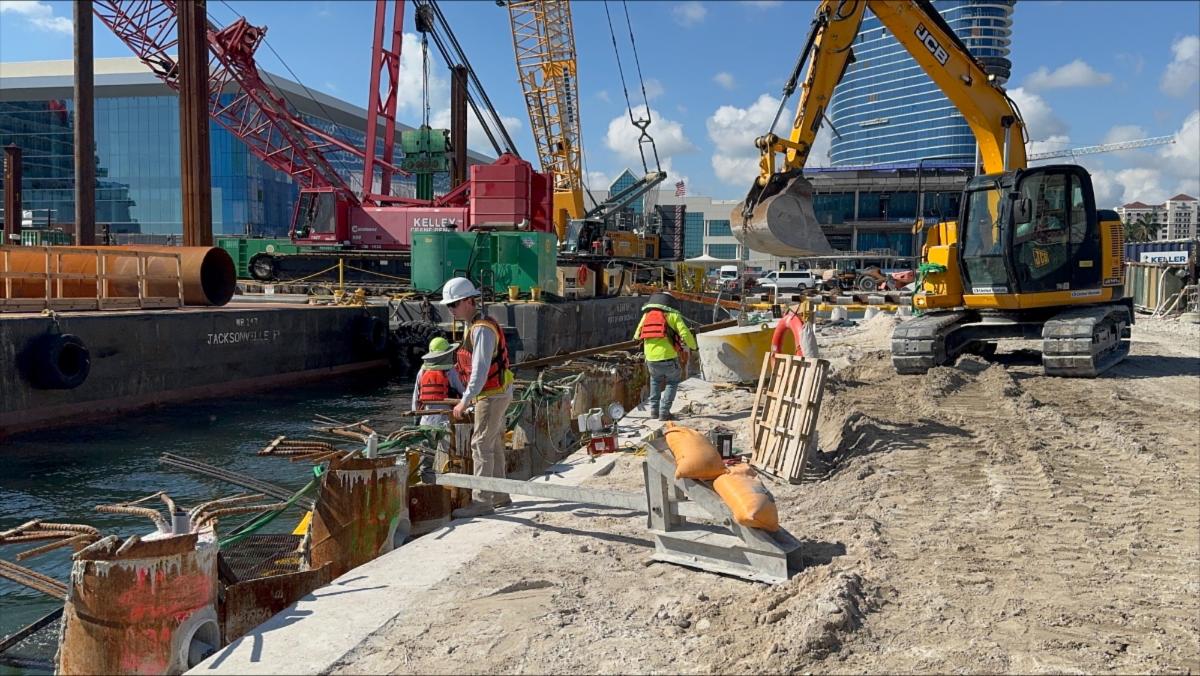
Port Everglades is replacing the bulkheads and seawalls at several locations throughout the port and entrance channel, which are expected to have a design life of 75 years and are adaptable for sea level rise.
Replacing aged bulkheads assists with the safe navigation of all marine traffic. The new seawalls will also be deeper and stronger to improve wall stability and accommodate today’s larger, more powerful ships.
| | A project to replace four of Port Everglades' bulkheads is expected to be completed by 2026 (courtesy of Port Everglades). | | |
The project will enhance the structural integrity and safety of the berths and their resilience to climate change and sea level rise.
In addition to replacing bulkheads inside the port, the Entrance Channel north bulkheads were constructed in the 1920s and must be replaced to protect Broward County property located along the entrance channel for the safe navigation of the waterway for all marine traffic, including cargo, cruise and petroleum vessels.
Construction is underway on Phase I of the project, which includes Berths 1, 2 and 3 and the entrance channel, with an expected completion date of April 2026. The port received a $32 million Resilient Florida Infrastructure Grant through the Florida Department of Environmental Protection for this phase of the project.
Port Everglades also received approximately $19 million in grant funding through the 2022 Port Infrastructure Development Program (PIDP) for Phase II of the project, which is slated to begin within the next three years and will support construction activities for Berths 16, 17 and 18 under the port's 2018 Master/Vision Plan. The remaining funds will be paid from revenue generated at the port and does not include local tax dollars.
Check out the port’s special video about the bulkhead replacement project.
Port Everglades is a self-supporting Enterprise Fund of Broward County and does not rely on local property tax dollars for capital improvements or to operate.
| | |
MIA Breaks Records in 2024, Driving Growth in
Trade, Tourism and Jobs
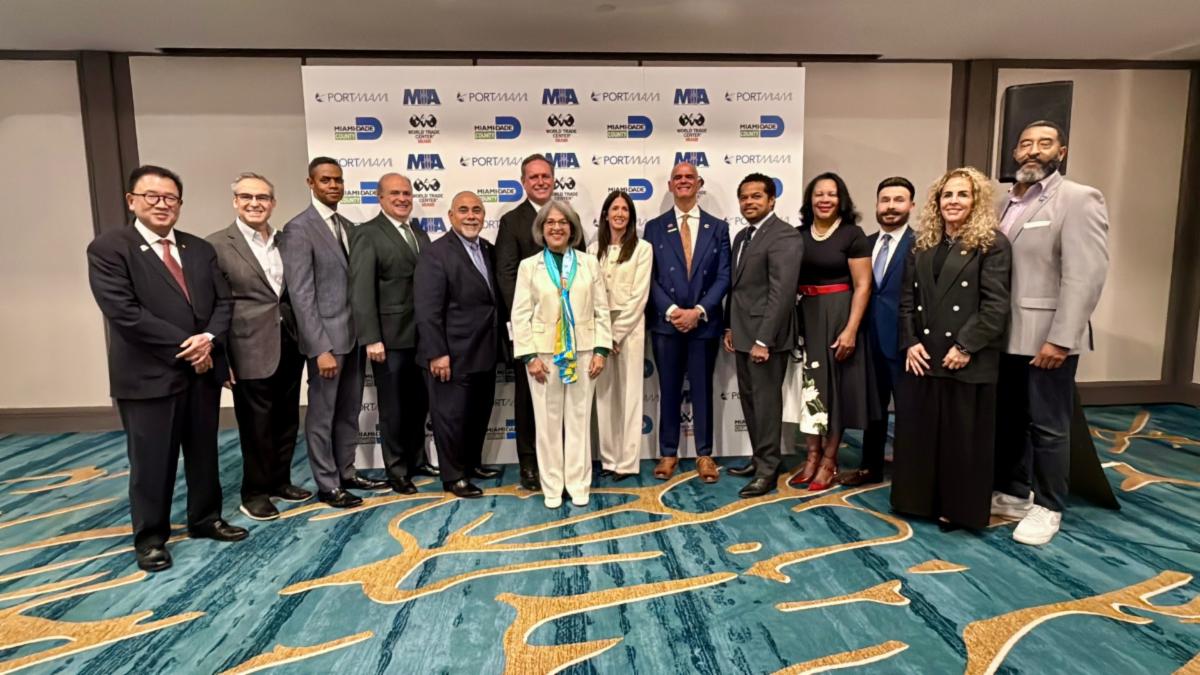
| | Image Courtesy of Miami Dade County | | |
Miami International Airport (MIA) has reached a historic milestone, generating $181.4 billion in statewide business revenue and supporting over 842,000 jobs, according to its 2024 Economic Impact Study by Martin Associates.
The findings were unveiled at the World Trade Center Miami’s annual State of the Ports luncheon, highlighting MIA’s continued role as a key economic engine for Florida.
| | |
Together, MIA and PortMiami now drive a combined $242.8 billion in economic activity and sustain nearly 1.2 million jobs across the state. Miami-Dade County Mayor Daniella Levine Cava called the achievement “a testament to the extraordinary opportunities they create for our community, our region, and our nation.”
In 2024, MIA saw record-breaking growth:
- 56 million passengers, a 7% increase year-over-year
- 3 million tons of cargo, up 9%
- Maintained its title as the busiest U.S. airport for international freight and rose to 5th in the world
MIA’s regional economic impact includes:
- $41.2 billion in business revenue and 311,000+ jobs in Miami-Dade County alone
- A major boost to the cruise sector, with over 766,000 MIA passengers connecting to cruises at PortMiami
The airport’s $9 billion Modernization in Action (M.I.A.) Capital Improvement Plan is also underway, already generating over $250 million in construction revenue and nearly 3,000 jobs.
MIA’s growing footprint underscores its strategic role in trade, tourism, infrastructure, and job creation—reinforcing its place as one of Florida’s most powerful economic drivers.
| | |
Image - Miami-Dade County Mayor Daniella Levine Cava (center), County Commissioners
J.C. Bermudez and Keon Hardemon, Miami-Dade County Chief Operating Officer Jimmy Morales,
MIA Director and CEO Ralph Cutie, and PortMiami Director and CEO Hydi Webb at World Trade
Center Miami’s 2025 State of the Ports luncheon (Courtesy of Miami Dade County).
| | Action Alert: Help Protect Florida’s Bonefish Population
| | | | |
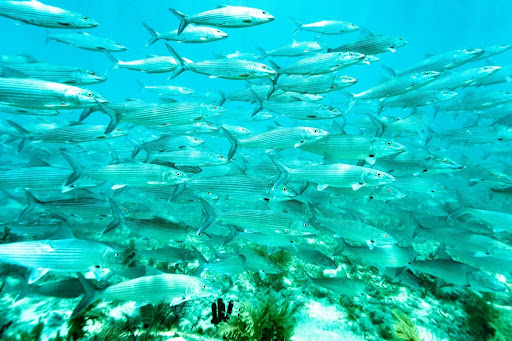
Voice your support for the Florida Fish and Wildlife Conservation Commission’s proposed protection of the bonefish pre spawning aggregation (PSA) site discovered by Bonefish & Tarpon Trust in Biscayne National Park!
The discovery in 2023 was the first of its kind in Florida waters, and a promising sign of the fishery’s long-awaited recovery.
| | |
The rule change proposed by FWC would close a small area in Biscayne National Park to fishing during peak bonefish spawning season. The area is less than two square miles (less than half of 1% of the Bay’s total area of 429 miles) and has not been identified as a significant destination for anglers or guides. It is a patch-reef site, not a flat, and the water is too deep to pole a skiff.
BTT expects this proposed rule change to be refined in the coming months, incorporating your public comments, before it is finalized at the Commission's August meeting.
Learn more and voice your support for protecting Florida’s spawning bonefish by clicking below: www.bonefishtarpontrust.org/protect-florida-bonefish/
| |
Image: The bonefish pre-spawning aggregation discovered by BTT in Biscayne Bay National Park. Photo: Ian Wilson
| | The Hybrid Shoreline Revolution: Resilient Waterfronts
for a Changing Florida | | (Courtesy of Cummins Cederberg) | | |
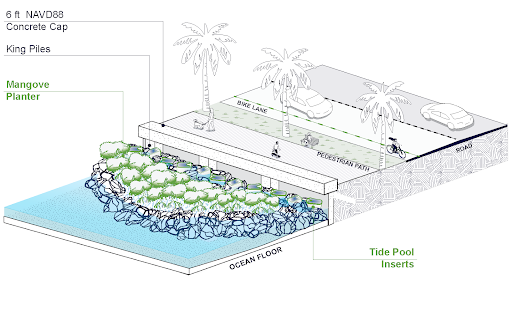
Florida’s coastlines have long relied on shoreline hardening, such as seawalls, to provide flood protection and stability. While effective, these traditional structures can degrade habitats. Living shorelines—using natural materials like native plants and oysters—offer ecological benefits but are not always feasible in high-energy or urban areas. A hybrid approach that combines engineered elements with ecological features presents a promising solution.
The Rise of Hybrid Designs Hybrid living shorelines integrate structures like seawalls or planters with habitats such as mangroves, oyster reefs, and salt marshes. Unlike hardened shorelines that cause habitat loss, these designs support ecosystems and improve resilience. Examples include mangrove planter systems, textured seawall panels, and eco-sensitive construction.
Local Governments Leading the Way
-
Miami: Jose Marti Park includes mangrove planters and mangrove-mimicking seawall panels.
-
West Palm Beach: Currie Park replaces a seawall with mangroves planters and riprap.
Funding and Regulatory Hurdles
Federal programs like NOAA’s National Coastal Resilience Fund (NCRF) and the Community Development Block Grant (CDBG) offered financial support for some of these projects. FEMA’s Hazard Mitigation Assistance (HMA) grants including the Building Resilient Infrastructure and Communities (BRIC) and Hazard Mitigation Grant Program (HMGP) have also provided funding–though the future of these resources is uncertain. Permitting remains more complex than for traditional seawalls due to regulations on fill below Mean High Water and space constraints. Upcoming FDEP General Permits for nearshore reefs and living shorelines could streamline approvals.
Looking Ahead
With scalable examples emerging statewide, hybrid shorelines offer a path toward resilient, ecologically rich coastlines. Aligning regulatory frameworks and acting quickly to secure funding will be key. By integrating nature-based features now, Florida can protect its coasts while preserving the ecosystems that sustain them.
Authors: Danielle H. Irwin and Megan Kramer, Cummins Cederberg
| | |
Don’t Miss FSBPA’s Signature Conferences
in Fall 2025 & Early 2026
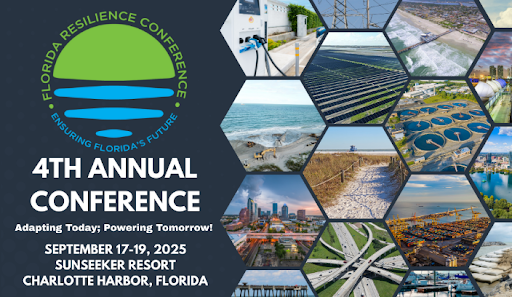
| | In just a few weeks, Florida Shore and Beach Preservation Association (FSBPA), in partnership with Resiliency Florida, will kick off the 4th Annual Florida Resilience Conference at the stunning Sunseeker Resort in Charlotte Harbor. The current program, featuring four concurrent themed tracks (Beach Management, Energy Management, Gray & Green Infrastructure, and Smart Planning), is now available on the conference website. | | | |
FSBPA is especially honored to welcome Senator Ana Maria Rodriguez (District 40), Chair of the Environment and Natural Resources Committee, who will deliver the Opening Keynote Address, and Colonel Brandon Bowman, Commander of the USACE Jacksonville District, who will provide updates on federal shore protection programs. Also of note:
- The Florida Department of Environmental Protection’s Office of Resilience and Coastal Protection will present on state funding opportunities and trends, regulatory monitoring requirements, inlet sand bypassing strategies, and its partnership with USGS to develop the Florida Seafloor Mapping Initiative for resource managers.
- Senator Jay Trumbull (Florida District 2) is invited to speak on recently passed legislation that allows local governments to once again adopt ordinances recognizing recreational customary use of beaches.
- The Florida Division of Emergency Management will offer expert guidance on reimbursement procedures for Category G Beach Projects.
Many other excellent presentations are planned throughout the three-day event, and you are encouraged to review the full program and make plans to join FSBPA September 17-19!
FSBPA has also opened the Call for Presentations for the 2026 National Conference on Beach Preservation Technology to be held February 4-6, 2026, at the Embassy Suites in St. Augustine, Florida.
For more information about FSBPA's upcoming events, visit www.fsbpa.com or email FSBPA at mail@fsbpa.com.
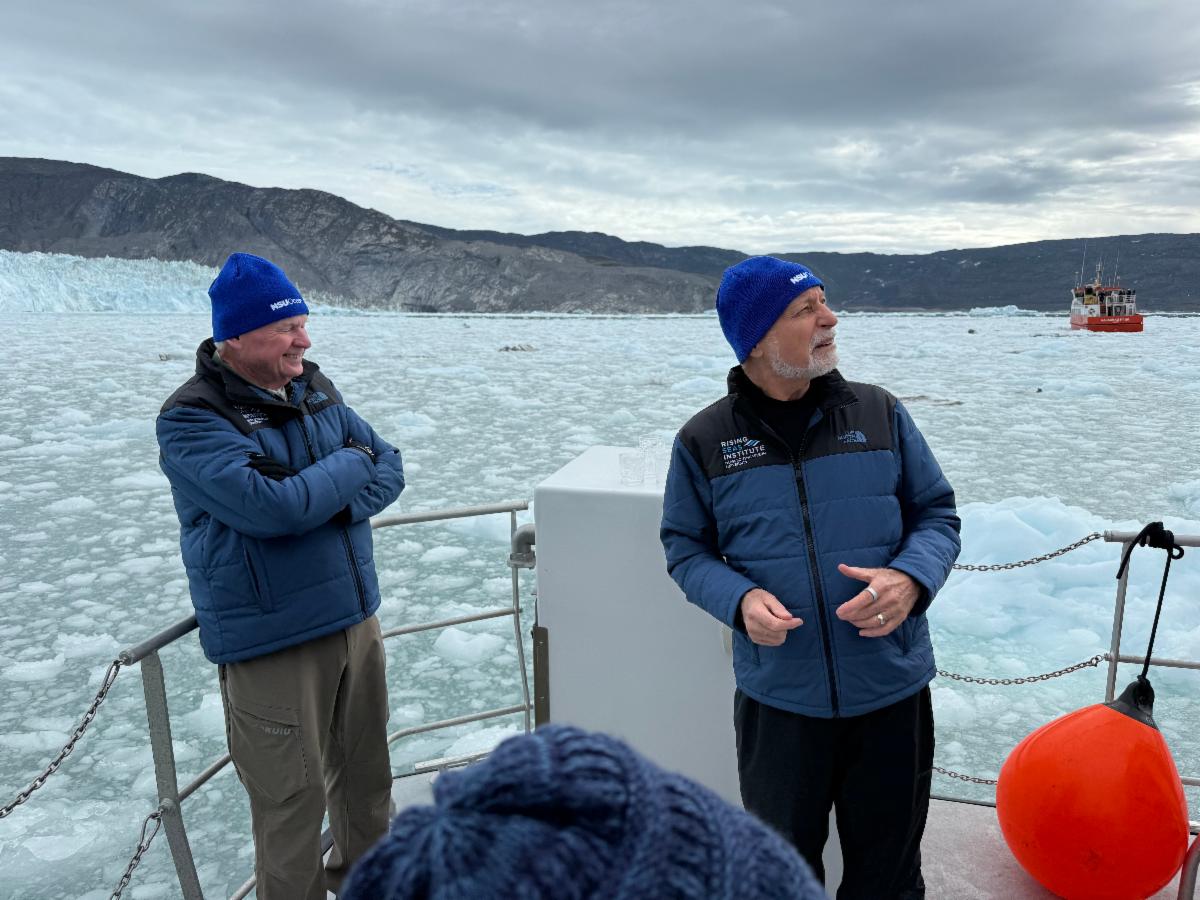
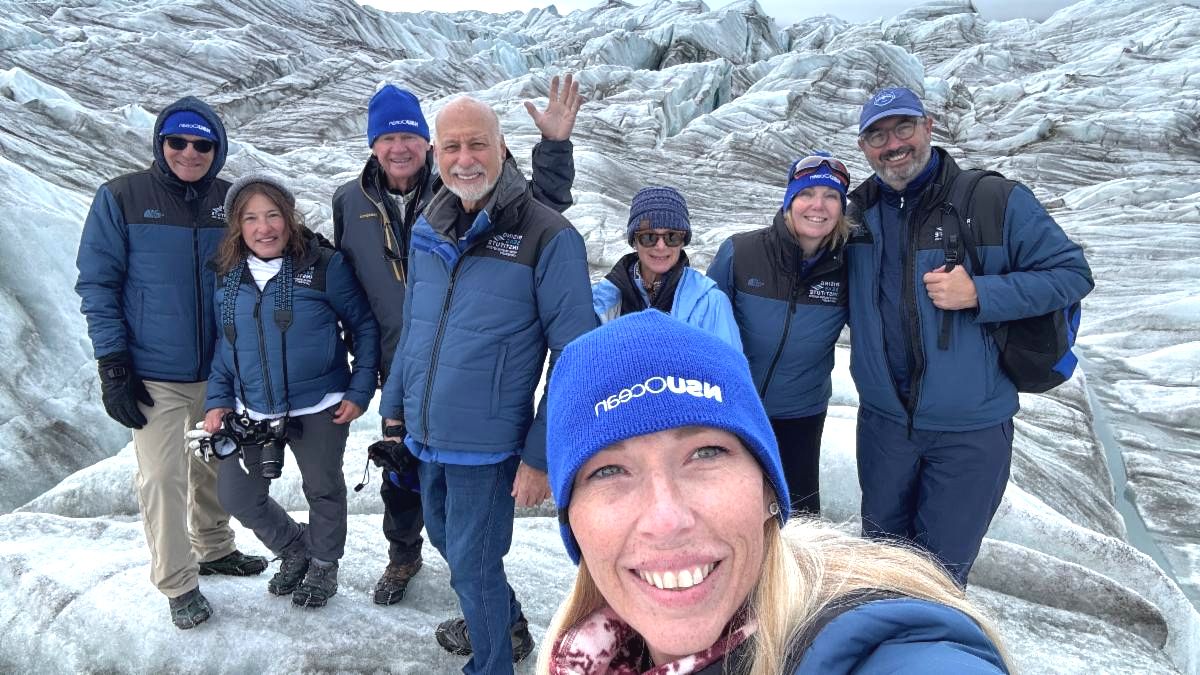
| | NSU President Dr. Harry J. Moon (l) and Rising Seas Institute Director John Englander (r) on expedition in Greenland (courtesy of John Englander). | |
NSU's Rising Seas Institute Unveils the Hidden Drivers of Global Change
| |
Greenland's gigantic melting glaciers appear to be something from another planet, in complete contrast to Florida's warm waters and comforting sandy beaches. Yet, they are now linked in a transformational connection, that challenges us to think of future generations as we deal with the issues of today.
| | |
Warming ocean temperatures affect everything from hurricane models to ocean currents and the survival of corals. However, one of the most profound effects is the melting glaciers which directly determines the large-scale increase in global mean sea level.
The Rising Seas Institute, now a program at Nova Southeastern University (NSU), is led by founding Director John Englander. It is the Institute's mission to provide global leadership for understanding and adapting to the challenges of rising sea level. This July, John led a Fact-Finding Expedition to Greenland where NSU President Dr. Harry K. Moon and FOA member and Executive Director of the Marine Research Hub Katherine O'Fallon were participants. Read more about her experience in this issue.
On November 5th, John will be presenting at the FOA Leadership Meeting & Luncheon where he will unveil stunning new images and videos captured during the Greenland expedition.
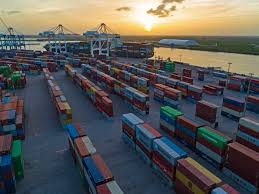
| | Image courtesy of Port Tampa Bay. | | |
Florida Ports Honored for Service Excellence
| Now in its 42nd year, the Quest for Quality Awards are determined by logistics and transportation service buyers, who evaluate ports and carriers on performance, customer satisfaction, and reliability. The award is considered one of the most respected honors in the transportation industry. | | |
Two of Florida’s leading ports have earned national recognition for outstanding performance, underscoring the state’s critical role in advancing the ocean economy.
-
JAXPORT (Jacksonville Port Authority) received the highest “Ease of Doing Business” score of any coastal port in North America. This marks the fifth time in the past decade JAXPORT has earned the Quest for Quality Award, reflecting its commitment to efficient operations, modern facilities, and seamless connectivity across Florida and the Southeast.
-
Port Tampa Bay was honored in the Gulf Ports category, marking its third Quest for Quality Award. The recognition highlights its dedication to operational excellence, tenant support, and continuous improvement in port services.
Both JAXPORT and Port Tampa Bay are strengthening Florida’s position as a leader in sustainable maritime commerce. Their continued investment in infrastructure, service quality, and partnerships ensures that Florida’s ports remain essential gateways for trade, while also supporting broader goals of resilience, efficiency, and sustainable growth within the ocean economy.
| | |
Job Opportunity: Environmental Scientist - Tallahassee | | |
Moffatt & Nichol, a global leader in waterfront and coastal infrastructure, is seeking an experienced Environmental Scientist to join its Tallahassee office.
This role is ideal for a motivated professional passionate about environmental resilience, permitting, and coastal restoration. The position offers the opportunity to work on complex projects nationwide, collaborating with engineers, planners, and scientists to deliver solutions that protect and shape our coasts and waterways.
Key Responsibilities:
- Lead environmental permitting and regulatory compliance at local, state, and federal levels.
- Conduct environmental and climate risk assessments, technical analyses, and impact studies.
- Develop reports, NEPA documents, and public engagement strategies.
- Support project management, proposal development, and business development in coastal resilience.
Why Join?
Moffatt & Nichol is ranked #1 in Marine & Port Facilities by Engineering News-Record and offers industry-leading benefits, including free employee healthcare, generous paid time off, 401(k) match, professional development programs, and wellness incentives.
This is a unique opportunity to grow your career with a firm shaping the future of coastal resilience and infrastructure worldwide.
📍 Location: Tallahassee, FL
🔗 Learn more and apply: Moffatt & Nichol Careers
| | Image courtesy of Mote Marine Lab. | | |
Mote SEA Moves Closer to Opening
| |
Mote Marine Laboratory & Aquarium is entering its final phase of preparation for the Mote Science Education Aquarium (SEA) at Nathan Benderson Park, marking a major milestone in this long-planned project.
On July 6, Mote’s City Island Aquarium welcomed its last public visitors. Starting July 7, the facility shifted entirely to support operations for Mote SEA, focusing on animal quarentine, transfer, and staff training
| | |
Importantly, no staff will be furloughed during this transition. Mote Members will receive further details directly from the Membership team.
This timing ensures that Mote SEA can open as quickly and safely as possible. Two key factors will determine the official opening date:
-
Exhibit readiness: Many habitats require a “leaching” process to stabilize water chemistry and life support systems before animals can be introduced. Mote’s expert team is carefully monitoring this process to ensure safe conditions for marine life.
-
Animal health and acclimation: Each animal must undergo quarantine and veterinary monitoring before transfer to Mote SEA. As an AZA-accredited institution, Mote follows rigorous protocols to ensure the wellbeing of every animal in its care.
By prioritizing water quality, habitat stability, and animal welfare, Mote is laying the groundwork for a world-class science and education facility that will expand marine research, conservation, and public engagement opportunities.
The opening of Mote SEA will mark a new era for ocean science in Florida, connecting people of all ages to the wonder and importance of our marine world.
| | |
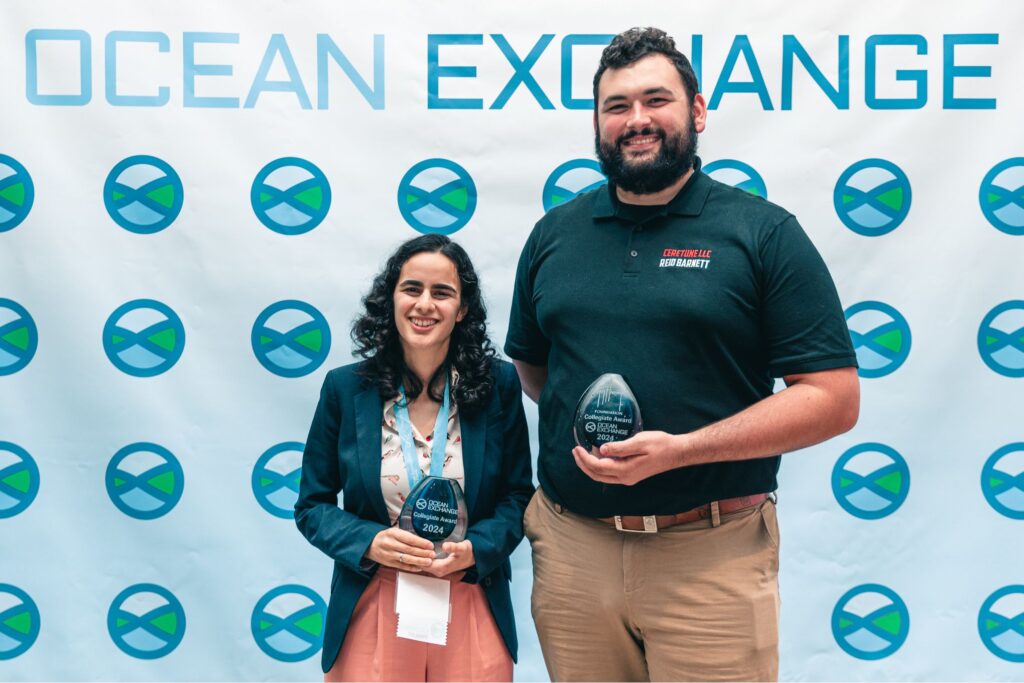
Ocean Exchange 2025 Call for Innovative Solutions
| Ocean Exchange has officially opened its 2025 Call for Solutions, inviting startups worldwide to compete for two $100,000 Neptune Awards. These prestigious, non-dilutive awards recognize breakthrough innovations that enhance our understanding of the ocean while reducing human impact, fostering healthier marine life, resilient coastlines, and stronger blue economies. | | Image of 2024 Ocean Exchange Collegiate winners of PhyCo Technologies (Image courtesy of Ocean Exchange). | | |
Eligibility & Awards Process:
-
30 semifinalists will be selected globally on August 22, with representation from the Americas, Europe/Middle East/Africa, and Asia/Oceania.
-
From these, 15 finalists will be announced on September 23 and invited to present their solutions at Ocean Exchange 2025 in Ft. Lauderdale, Florida (Oct. 26–28).
- Final awardees will be chosen by a panel of delegates representing business, academia, government, and nonprofits, offering not only funding but also invaluable networking opportunities.
This global competition is an opportunity for innovators to showcase transformative technologies and strategies that will shape the future of ocean sustainability and resilience.
An additional three $10,000 Collegiate Awards, including the Guy Harvey Foundation Collegiate Award will also be given. Graduate and undergraduate innovators in North America with ocean-forward ideas are invited to apply. This year, collaborations with the Marine Technology Society are welcome to expand the reach and impact of these awards.
For more information, contact Susan Zellers at susan.zellers@oceanexchange.org or visit oceanexchange.org.
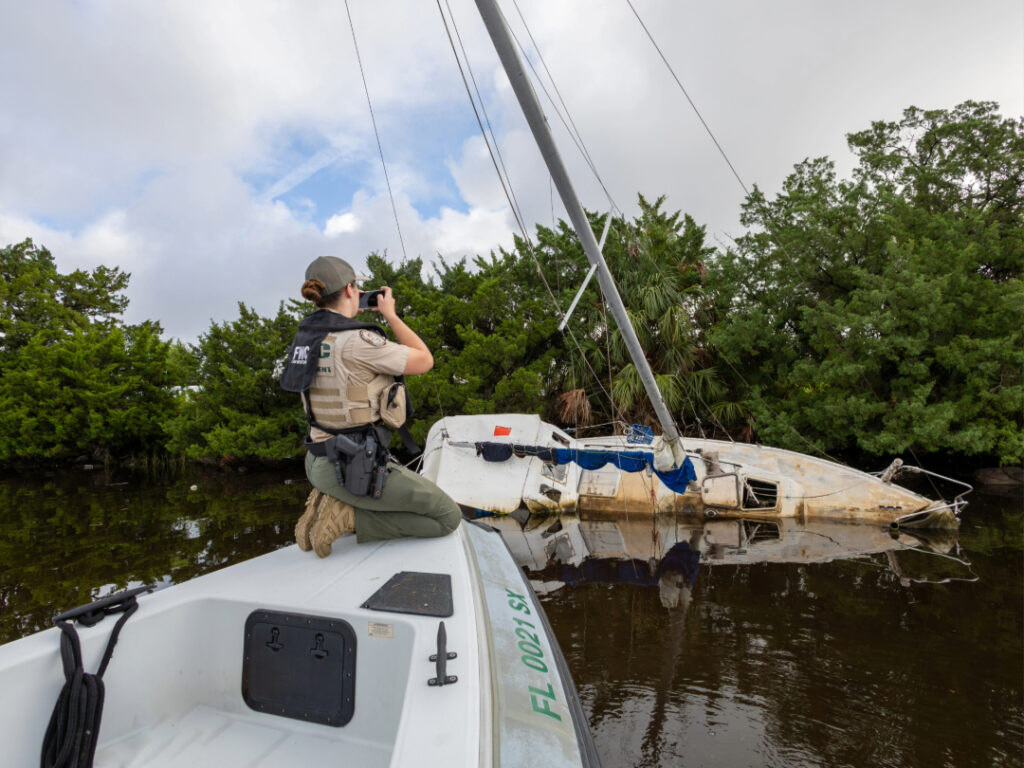
| | Florida Sea Grant: Florida’s Waterways and Boating Laws See Major Legislative Updates in 2025 | | | | |
Florida’s 2025 legislative session brought sweeping reforms to how the state manages boating activity, waterway access, and vessel-related enforcement. These changes respond to growing pressures on Florida’s waterways due to population growth, increased vessel registrations, and rising safety concerns. The legislative updates focus on improving safety, reducing risks, and expanding environmental stewardship.
| Image: derelict vessel. FWC Photo by Ashley Williams (courtesy of Florida Sea Grant). | | |
Key Highlights from the 2025 Session:
SB 1388 – A comprehensive bill addressing:
Regulation of vessel stops and safety checks
Marine sanitation enforcement
Oversight of vessel energy sources
Protection of Florida’s freshwater springs
SB 164 & HB 481 – These bills confront longstanding concerns around:
Long-term anchoring in crowded waterways
Proactive management of vessels at risk of becoming derelict
HB 735 – Expands Florida’s Clean Marina Program to include:
Marine manufacturers
New community grant opportunities for water access, administered by the Florida Fish and Wildlife Conservation Commission (FWCC)
All these legislative changes amend Chapter 327 of the Florida Statutes, which, along with Chapter 328, governs boating and waterway regulation across the state.
Despite the easing of some enforcement—such as limitations on random safety stops—boating accidents and fatalities rose in 2024, as noted in a recent FWCC report. These changes reflect Florida’s ongoing effort to strike a balance between freedom on the water and the responsibility to protect its increasingly crowded and ecologically sensitive waterways.
As with any major policy updates, the full impact will depend on how these laws are implemented by state agencies, interpreted by courts, and received by the boating community over time.
| |
Fish & Wildlife Foundation of Florida: 200,000 Lab-Grown Coral Babies Bound for Florida’s Reef
| | |
Everyone knows having a newborn is a full-time job. What about 200,000 of them?
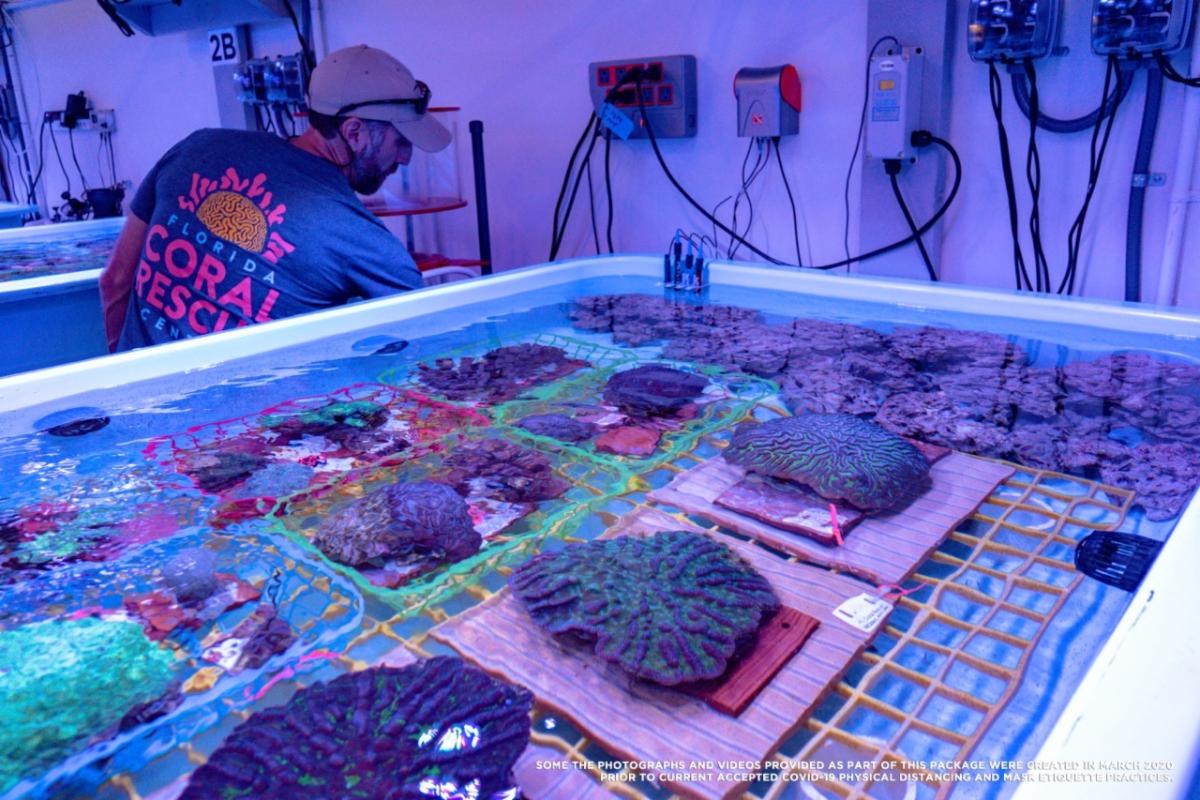
Another record-breaking spawning success at the Florida Coral Rescue Center (FCRC) left coral aquarists with too many babies to handle. After distributing thousands to partner facilities for further care and growth, biologists at the Orlando-based facility were left with 200,000 grooved brain coral larvae. Also known as Diploria labyrinthiformis, this species is highly susceptible to stony coral tissue loss disease in the wild, making it all the more important to spawn genetically diverse specimens on land.
| | Corals being grown and cared for by staff in a lab. (courtesy of Fish and Wildlife Foundation of FL) | | |
FCRC partnered with Coral Restoration Foundation to put the 200,000 extra bundles of joy back onto Florida’s Coral Reef.
The success of these spawning events is a testament to the immaculate care FCRC staff provide to rescue corals thanks to the support of the Fish & Wildlife Foundation of Florida, SeaWorld, Disney Conservation, and the Association of Zoos and Aquariums.
| | |
Ocean Conservancy Urges Congress to Reject
Harmful Budget Plan
| | Image courtesy of the Ocean Conservancy. | | |
This summer, the House Ways and Means and Energy and Commerce committees released proposed tax and energy provisions in the budget reconciliation bill that would significantly roll back clean energy investments secured under the 2022 Inflation Reduction Act (IRA). The bill proposes deep cuts to programs essential for ocean health, coastal communities, and the transition to a clean ocean energy future.
| | |
Ocean Conservancy’s Vice President of External Affairs, Jeff Watters, issued the following response:
“The bill would gut the Inflation Reduction Act, taking billions of dollars of manufacturing for clean ocean energy and investment in coastal communities off the board. The proposed cuts would mean fewer jobs in ocean communities and higher electric bills for all.
“Eliminating tax credits that support clean energy, including offshore wind, would stifle our nation’s transition to a clean ocean energy future. This would hurt the health of the ocean, the climate, and American consumers. These tax credits create jobs and are projected to help grow the American economy by $1.9 trillion in the next 10 years, all while moving us away from highly polluting energy sources that wreak havoc on both the ocean and the climate.
“And the bill would repeal the Clean Ports Program, which aims to modernize ports with clean port equipment and infrastructure, creating cleaner air and water for the nearly 40 million people across the U.S. who live in close proximity to ports and are forced to breathe the toxic fumes created by the shipping industry. While most of the funds appropriated for this program have already been disseminated, by eliminating the program altogether we risk missing out on the opportunity to continue investing in modernizing our ports, making them more efficient, creating much needed jobs in port communities, reducing pollution in the future, and ultimately being globally competitive with ports around the world.
“Protecting the ocean is bipartisan. We implore members of Congress on both sides of the aisle to fight for the future of the ocean, and say no to this irresponsible budget reconciliation bill."
Ocean Conservancy urges Congress to protect ocean-focused clean energy and infrastructure investments—and to reject the rollback of policies that support a healthy, sustainable ocean economy.
| |
Port Tampa Bay’s Bird Nesting Season Poised to Break Records
| |
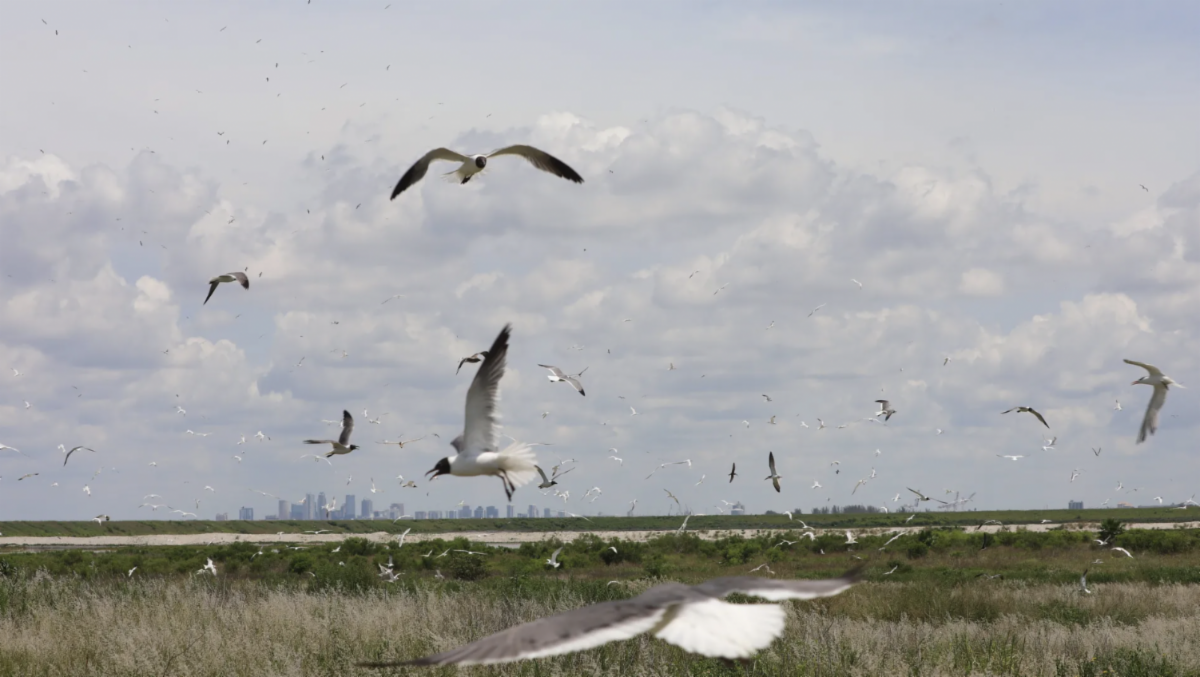
Port Tampa Bay’s bird nesting islands, 2D and 3D are set to become significant sites in Florida for nesting birds this season.
The nesting islands were created from disposed dredge material from the port's last major channel deepening project and have become the single-most significant spot for shorebirds during the annual nesting season in the state.
| |
Tampa's skyline can be seen from 3D Island in Hillsborough Bay (courtesy of Port Tampa Bay). | | |
This year's nesting season runs from April 1 to August 31. According to the Florida Audubon, the port's two nesting islands are set to break a record for the number of nesting bird species this season. The record for many species was last broken in 2001.
Port Tampa Bay plays a critical role in supporting the nesting cycle for a variety of species. Every year, we partner with the Florida Audubon and the U.S. Army Corps of Engineers to protect, monitor, and support the birds that visit two port dredge islands. American Oystercatchers are having a great nesting year, taking advantage of some of the habitat changes to the shoreline caused by the 2024 hurricanes.
Recently, the port guided members of the media to our nesting island to educate our community on how industry and environmental stewardship can go hand-in-hand, as well as the beneficial uses of dredge material ahead of our next deepening project.
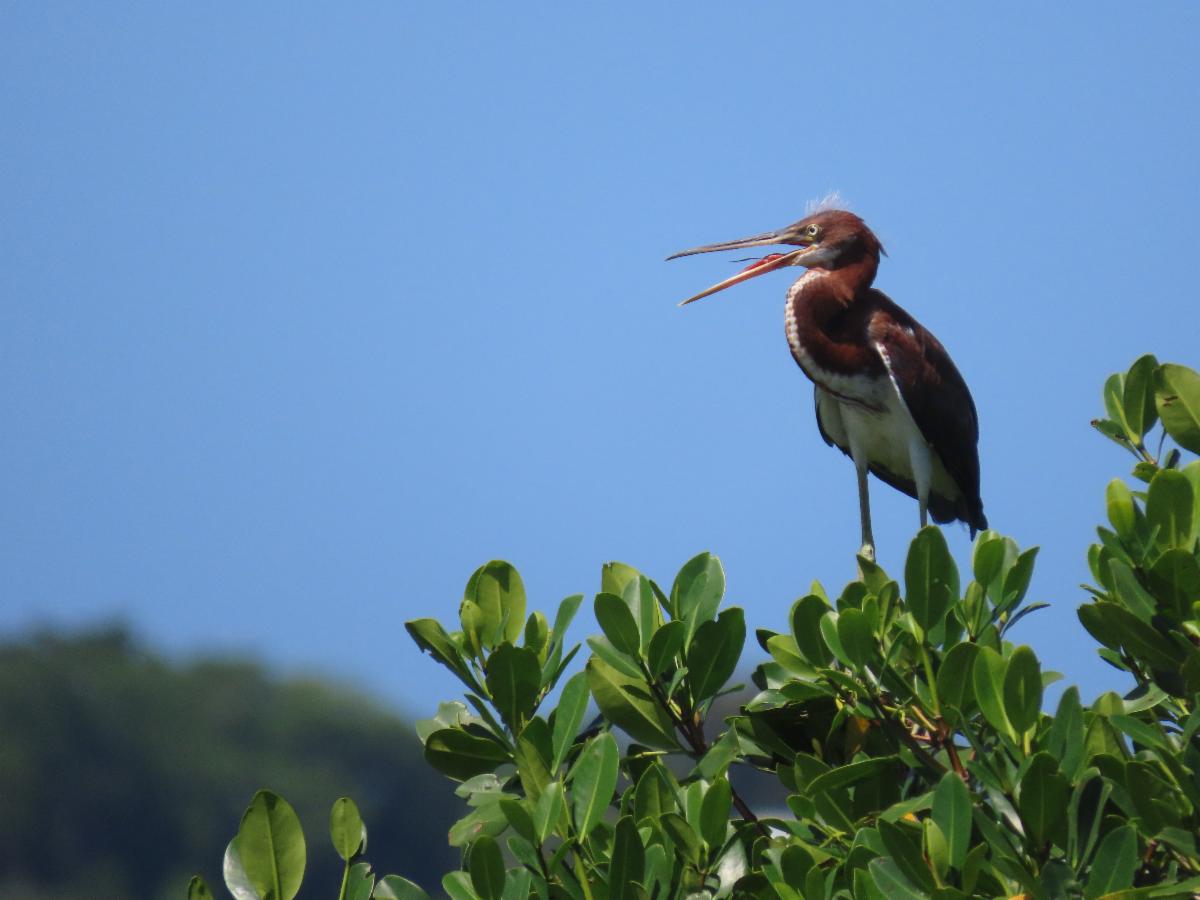
| | Tricolored Herons Get Much-Needed Assistance by Audubon Florida in Greater Tampa Bay | | Tricolored Herons nested at 37 sites in the greater Tampa Bay region (courtesy of Audubon Florida) | | |
Thank you to the Fish & Wildlife Foundation of Florida for their year-long grant to monitor and protect Tricolored Herons in Tampa Bay. Tricolored Herons are listed as threatened by the Florida Fish & Wildlife Conservation Commission due to declining populations across the state.
To reduce threats to Tricolored Herons, Audubon staff, led by Florida Coastal Islands Sanctuary Manager Jeff Liechty, posted signs to reduce human intrusion, deployed game cameras to monitor predator activity, and removed discarded fishing gear that poses an entanglement risk at busy nesting colonies.
| | |
Throughout the past year, we have focused efforts on Tricolored Heron's island nesting colonies to boost nesting success. We surveyed colonies to identify Tricolored Heron nesting sites, counted the number of nesting pairs in each colony, and recorded their success raising chicks.
Using the new data, Audubon will continue to work to not only protect nesting areas, but also conserve and restore critical foraging sites.
| | |
The Nature Conservancy Advancing Coral Reef Protection and Restoration
| |
Coral reefs are among the most diverse and valuable ecosystems on Earth, yet they face mounting threats from disease, rising sea temperatures, and bleaching events. Without immediate action, scientists warn we could lose up to 90% of the world’s reefs within our lifetimes.
The Nature Conservancy (TNC) is tackling this crisis head-on by championing reef protection, restoration, monitoring, and management worldwide. What began in 2004 as a small pilot restoration project has grown into a large-scale global effort to restore balance to Florida’s Coral Reef and beyond.
In Florida, TNC works alongside NOAA, FWC, FDEP, and restoration practitioners through
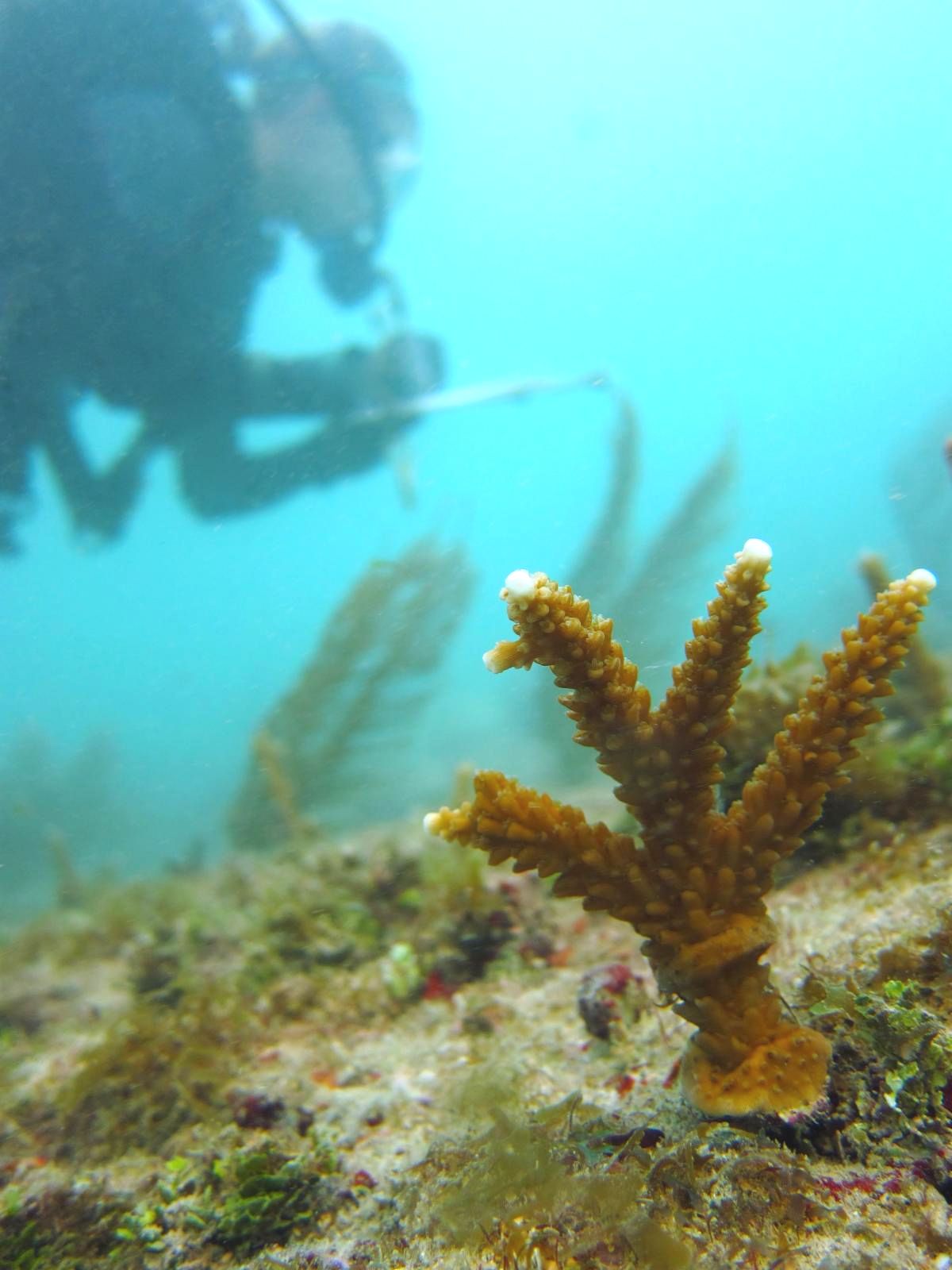
| | Image courtesy of Paola Espitia | | |
initiatives like the Florida Coral Reef Resilience Program. TNC also serves as a founding partner of the Coral Restoration Consortium (CRC)—a global community uniting scientists, reef managers, and policymakers to accelerate coral restoration through shared science and practice.
A milestone achievement came on July 1, 2024, with the establishment of the Kristin Jacobs Coral Aquatic Preserve, protecting 105 miles of Florida’s northernmost reef tract. This preserve connects to the Florida Keys National Marine Sanctuary, safeguarding vital habitat for more than 6,000 marine species. TNC and partners are now finalizing a detailed restoration plan for the preserve, ensuring the best science guides recovery.
TNC also co-authored the CRC’s Guide to Coral Reef Restoration, a comprehensive resource highlighting global best practices and lessons learned from restoration projects in Florida, Australia, Belize, Colombia, Fiji, Saudi Arabia, and beyond.
By building partnerships, advancing science, and scaling solutions, TNC is working to ensure that coral reefs continue to protect coastlines, support livelihoods, and sustain marine biodiversity for generations to come.
| |
Florida Harbor Pilots Welcome Star of the Seas to Port Canaveral
| | |
On August 9, Florida’s harbor pilots had the honor of guiding the world’s largest cruise ship, Royal Caribbean’s Star of the Seas, into Port Canaveral for the very first time. With precision and expertise, pilots safely navigated the vessel past Jetty Park, accompanied by a tugboat water cannon salute, before docking at the newly renovated Cruise Terminal 1.
The ship’s arrival marked a milestone for Port Canaveral, the second busiest cruise port in the world and now homeport to this state-of-the-art vessel. Harbor pilots once again demonstrated their vital role in ensuring the safe and efficient arrival of mega cruise ships that fuel Florida’s ocean economy.
The celebration continued with a “Star-Studded Sailabration” and the traditional maritime plaque exchange, welcoming Star of the Seas to her new home. Dignitaries including Port Canaveral CEO Capt. John Murray, Board Chairman Admiral Wayne Justice (USCG-Ret.), and Commissioner Kevin Markey joined ship Captain Rob Hempstead and his team of officers for the commemoration.
For Florida’s harbor pilots, the safe arrival of Star of the Seas underscores the growing importance of skilled pilotage in navigating larger, more complex vessels that contribute significantly to the state’s cruise industry, jobs, and economic vitality.
| | |
Caribbean Educators Dive into Marine Science at MarineLab Workshop
| | |
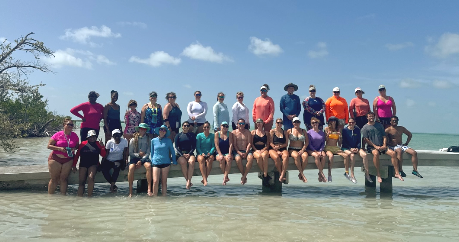
Eleven dedicated teachers from six different Caribbean island nations were immersed in an enriching marine science workshop at MarineLab in Key Largo, Florida from July 21 – 25, 2025. Their participation was made possible through generous scholarships funded by the Adam Taylor Fund, a cornerstone of MarineLab's impactful Caribbean Teacher Initiative.
Hailing from diverse educational backgrounds across the Caribbean, these educators spent the week engaging in hands-on activities, field excursions, and classroom sessions designed to enhance their understanding of marine ecosystems and conservation. The program equiped them with valuable resources and pedagogical strategies to bring back to their home islands, fostering a new generation of environmentally conscious citizens.
"We are incredibly proud to host this talented group of teachers," said Ginette Hughes, CEO. "The Adam Taylor Fund's commitment to the Caribbean Teacher Initiative is directly impacting marine education across the region. By empowering these educators, we are amplifying the message of ocean stewardship and ensuring a healthier future for our shared marine environments."
The workshop provided participants with practical experience in coral reef ecology, mangrove ecosystems, marine biodiversity, and the challenges facing ocean health. They returned to their classrooms with renewed inspiration and a wealth of new knowledge to share with their students.
The Caribbean Teacher Initiative, supported by the Adam Taylor Fund, is a testament to MarineLab's dedication to global marine education and conservation efforts.
| | |
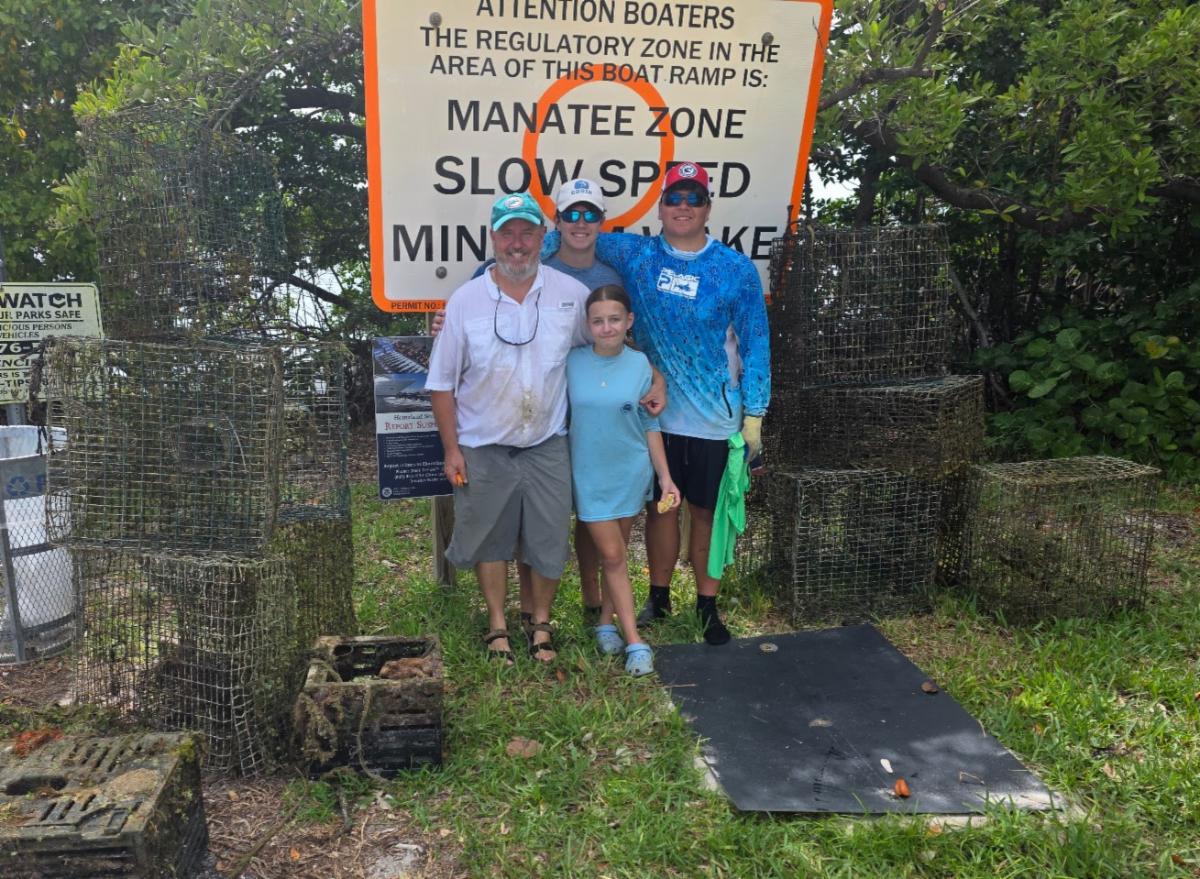
Spencer Crowley and his family removed 14 traps and saved 18 lobsters, 12 stone crabs, 2 nurse sharks and a skate (ray). | | |
Akerman LLP Joins Forces with Community and Environmental Leaders to Remove Ghost Traps
More than 100 volunteers took to the waters and shorelines of Biscayne Bay during the biannual Derelict Trap Rodeo, a large-scale marine debris cleanup organized by Friends of Biscayne Bay (FOBB) in partnership with Florida International University’s (FIU) Institute of Environment. The event focused on removing “ghost traps”—abandoned or lost crab and lobster traps that continue to endanger marine life long after they’re left behind.
| | |
Among the participants was Florida Ocean Alliance member Spencer Crowley, Principal at Akerman LLP, who joined the effort alongside his family, demonstrating strong community leadership and support for Florida’s marine ecosystems.
The event was a major success, with volunteers recovering 112 derelict traps and over 780 pounds of trash from the bay and its surrounding areas. The Rodeo coincides with a 10-day state closure for lobster traps, during which trap removal is permitted by the Florida Fish and Wildlife Conservation Commission (FWC).
Ghost traps, typically made of high-density plastic, continue to trap marine species long after they’re abandoned and contribute to long-term plastic pollution. Events like the Rodeo are essential for both habitat restoration and public education.
The cleanup effort aligns with the upcoming Biscayne Bay Aquatic Preserve Management Plan, expected in October, which outlines long-term strategies to protect water quality, restore habitats, and reduce marine debris in one of South Florida’s most critical ecosystems.
| | |
Study Links Dolphin Deaths to Seagrass Loss in Indian River Lagoon
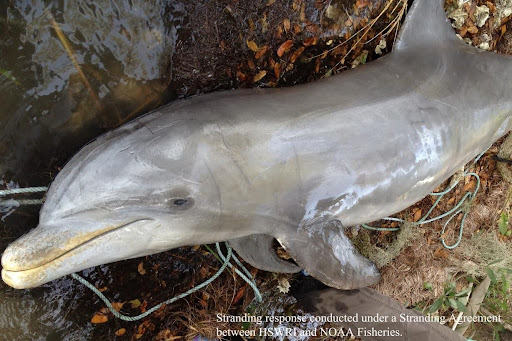
A new study coauthored by Hubbs-SeaWorld Research Institute revealed that widespread loss of seagrass habitat in the Indian River Lagoon contributed to the deaths of dozens of bottlenose dolphins in 2013.
The research shows that extensive seagrass habitat loss following several years of record setting harmful algae blooms lead to changes in prey availability for lagoon dolphins.
As seagrass habitat started to decline in 2011, dolphins shifted their diets to fish that were easier to find but provided less energy. This change left many dolphins undernourished, with over half of the animals assessed in 2013 exhibiting thin or emaciated nutritional condition.
This study highlights how the impacts of harmful algal blooms and related habitat loss can cascade through an ecosystem, harming even top predators. These findings illustrate the importance of continued seagrass and water quality restoration as well as conservation efforts to ensure the long-term health of Florida’s estuaries and wildlife.
Stolen, M. K., Durden, W. N., Jablonski, T., Worthy, G. A., Paperno, R., & Jacoby, C. A. (2025). An unusual mortality event for bottlenose dolphins links to altered diets resulting from ecological changes. Frontiers in Marine Science, 12, 1531742.
| | Image courtesy of Brevard County Natural Resources | | |
Brevard County Advances Indian River Lagoon Restoration
| |
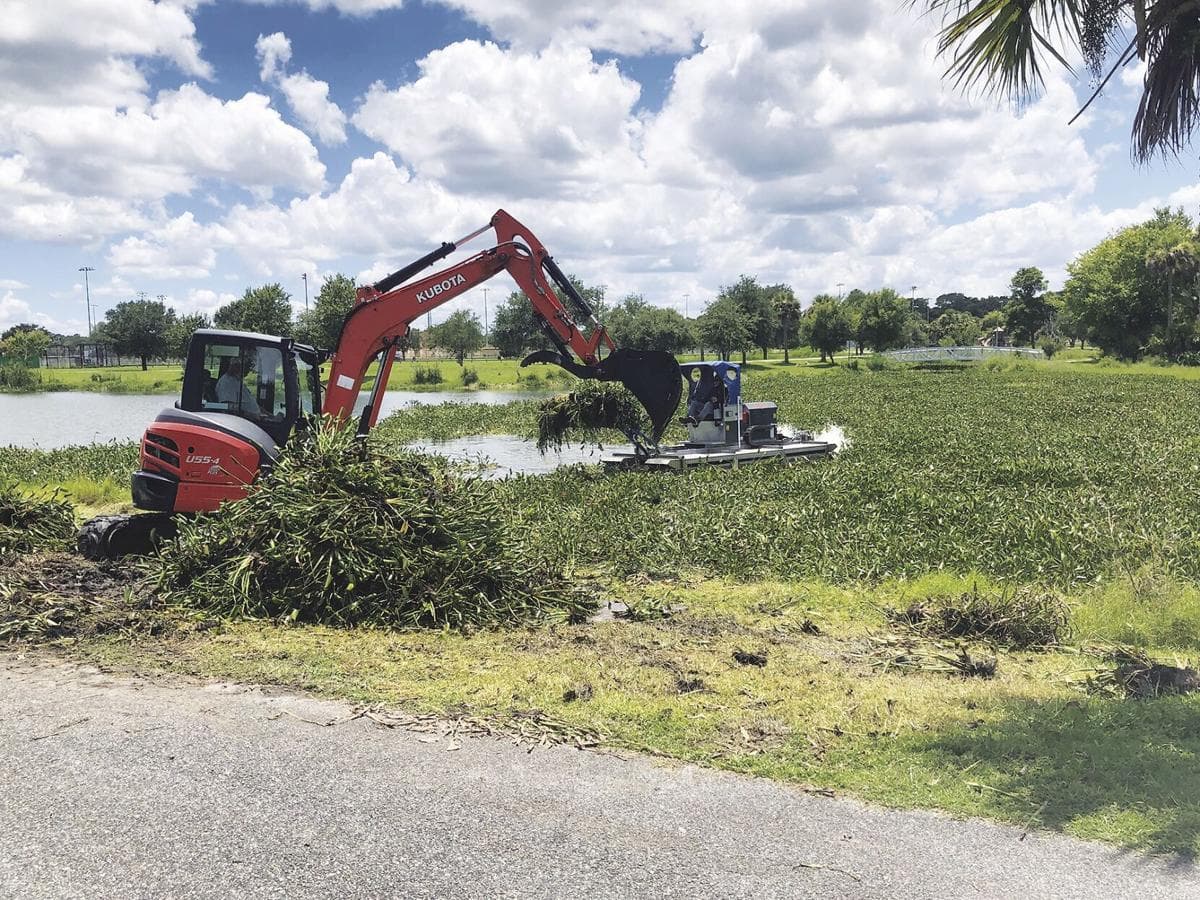
Brevard County is making measurable progress in restoring the Indian River Lagoon and Banana River Lagoon through a large-scale mechanical vegetation harvesting program aimed at improving water quality and ecological balance.
| | |
Key Results:
- North Indian River Lagoon:
- 8.5 million pounds of aquatic vegetation harvested
-
Removal of an estimated 11,532 pounds of nitrogen and 2,252 pounds of phosphorus
- Banana River Lagoon:
- 286,700 pounds of vegetation harvested
-
Reduced 586 pounds of nitrogen and 79 pounds of phosphorus
- Central Indian River Lagoon:
- 41,480 pounds of vegetation harvested
-
Removal of 80 pounds of nitrogen and 11 pounds of phosphorus
By extracting nutrient-rich vegetation, the county is directly curbing pollutants that drive harmful algal blooms and poor lagoon health. Even moderate reductions in nitrogen and phosphorus significantly improve water clarity and habitat conditions, supporting the lagoons’ long-term recovery.
These efforts are part of the broader Save Our Indian River Lagoon (SOIRL) initiative, a citizen-supported program combining long-term planning with on-the-ground action.
Funded by a voter-approved half-cent sales tax, SOIRL is helping restore balance to one of Florida’s most fragile and important waterways.
With continued commitment, Brevard County is showing how targeted, science-based interventions can revive ecosystems—measured here not only in pounds of vegetation removed, but in healthier waters and more resilient coastal communities.
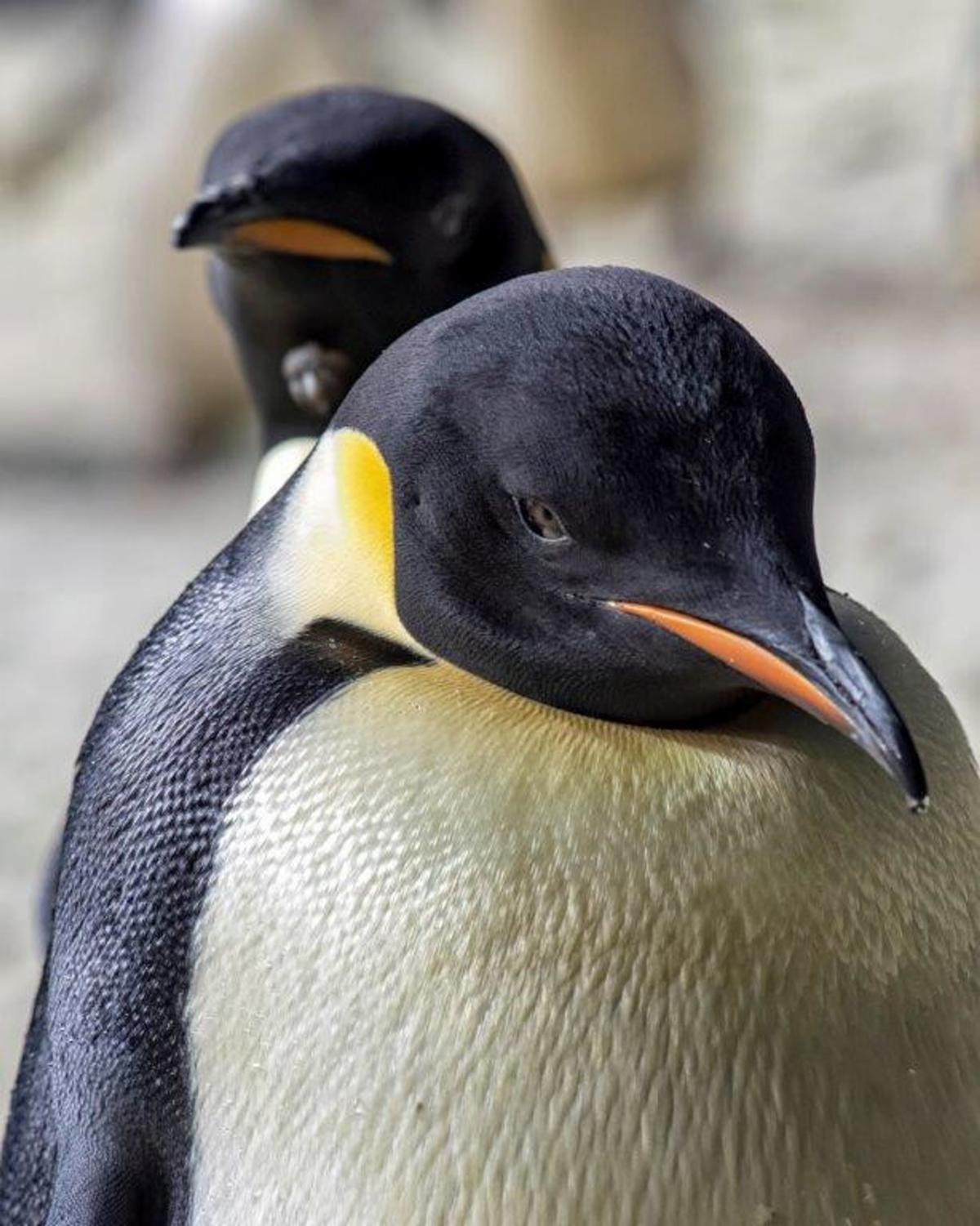
| | 16 Emperor Pengiuns Arrive at SeaWorld Orlando | |
Orlando just got a little cooler: 16 Emperor penguins have officially moved in to our Antarctica Realm habitat! Carefully relocated from our park in San Diego, these remarkable birds are a symbol of conservation. As a "near threatened" species, Emperor penguins need our protection more than ever.
As an AZA and American Humane certified and accreditation organization, we are proud to help safeguard these incredible birds through expert care, research and education.
To learn more about their arrival, read here!
| | |
Emperor penguins (courtesy of Sea World Orlando).
| | |
|
From Greenland to Florida: Marine Research Hub Explores Melting Ice with the Rising Seas Institute
| | |
Katherine O’Fallon, Executive Director for Marine Research Hub, joined the Rising Seas Institute at Nova Southeastern University on the latest Greenland Expedition this past July.
The Greenland Expedition, led by John Englander, founder of the Rising Seas Institute, has been taking place for about 10 years now to witness the realities of global sea level rise through up-close observations of Greenland’s extreme glacial melt. It is an opportunity to be at ground zero to observe the melting and understand the connection to sea level rise that impacts Florida.
During this trip, Kate sat down with Sharon Gray of the Rising Seas Institute live from Ilulissat, Greenland to film the latest MRH Blue Economy Podcast episode, “Melting Ice, Rising Seas: Greenland’s Global Warning."
Kate and Sharon unpack how the rapid melt of Greenland’s ice sheets drives global sea-level rise, the critical balance between adaptation and mitigation strategies, and why interdisciplinary research and education are central to mobilizing action.
The Blue Economy Podcast/Vlog brings marine research, innovation, and sustainability to life through expert conversations and actionable insights. Listen on various Podcast platforms by searching “The Blue Economy” or watch on the Marine Research Hub YouTube.
| | |
Jacksonville University Launches Sea Turtle Program
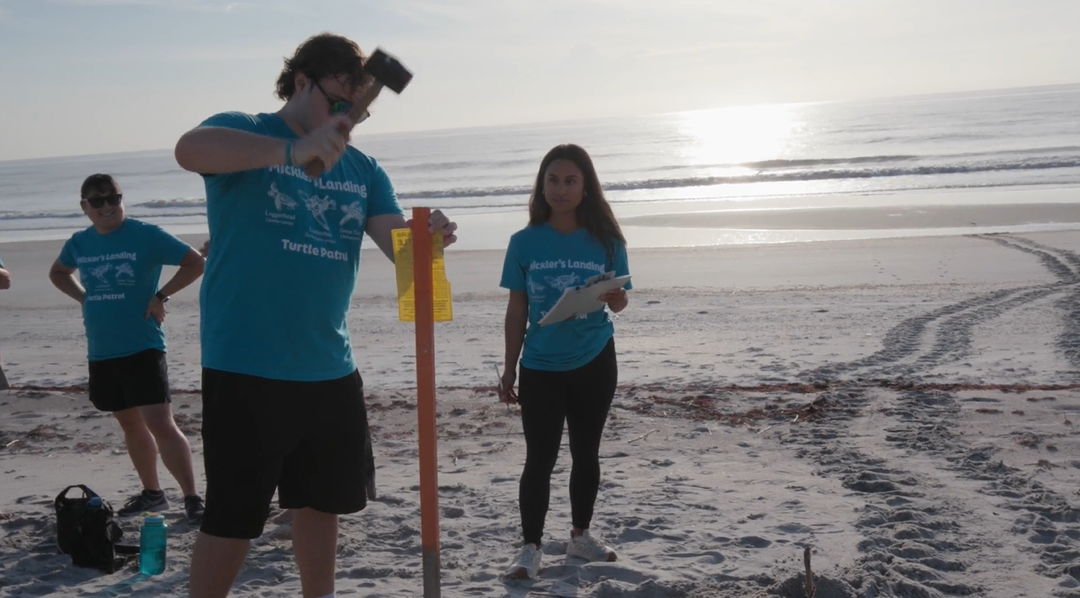
| | Jacksonville University (JU) has launched its new Sea Turtle Program, in partnership with Mickler’s Landing Turtle Patrol, to expand its marine conservation efforts to one of Florida’s most iconic species. Announced on World Sea Turtle Day, the program will focus on protecting sea turtles and their coastal habitats through collaborative research, education, and community engagement. | | | |
“This program is about more than research and data collection — it’s about empowering students and our community to protect a vital part of Florida’s ecosystem,” said Lucas Meers, Director of JU’s Sea Turtle Program and JU alumnus.
Florida is home to the world’s largest populations of nesting loggerhead, green, and leatherback sea turtles, with loggerheads listed as threatened in the U.S. The program supports daily nest monitoring from April 15 to October 31 along a 4.6-mile stretch of beach near the Guana Tolomato Matanzas National Estuarine Research Reserve. Volunteers begin at sunrise, locating new nests, tracking existing ones, and collecting data to inform conservation and coastal development policies.
Meers, who began his conservation career at JU’s Marine Science Research Institute, brings over a decade of experience, including leadership in developing wildlife conservation strategies at Jacksonville Zoo and Gardens.
The initiative is already providing JU students with valuable hands-on experience in field research and data collection. With strong partnerships and engaged volunteers, the Sea Turtle Program aims to play a vital role in advancing sea turtle conservation while preparing the next generation of marine scientists.
| | |
1,000+ Coral Babies Take a Big Step Toward Rebuilding Florida's Reef at the Keys Marine Laboratory
| | | | |
Florida’s coral populations are still reeling from the unprecedented bleaching event of 2023 but efforts to restore it are charging ahead.
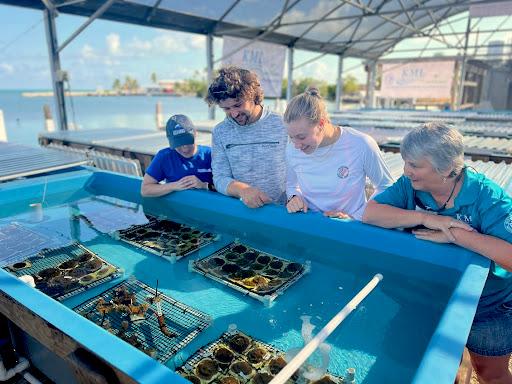
In May, more than 1,000 juvenile corals, spawned and raised at The Florida Aquarium, were relocated to the Keys Marine Laboratory (KML) in the Florida Keys. There, they’ll continue to grow and gain strength before being returned to the wild, offering a lifeline to a struggling reef system.
| | |
The transfer involved biologists and volunteers from the Florida Aquarium’s Coral Conservation and Research Center in Apollo Beach, who carefully packed the young elkhorn corals into coolers and drove them six hours south. Once at the facility in Long Key, the corals were gently moved into temporary tanks to adjust to natural seawater before being placed in reef nurseries or directly out planted to the reef.
KML is operated by the Florida Institute of Oceanography at the University of South Florida.
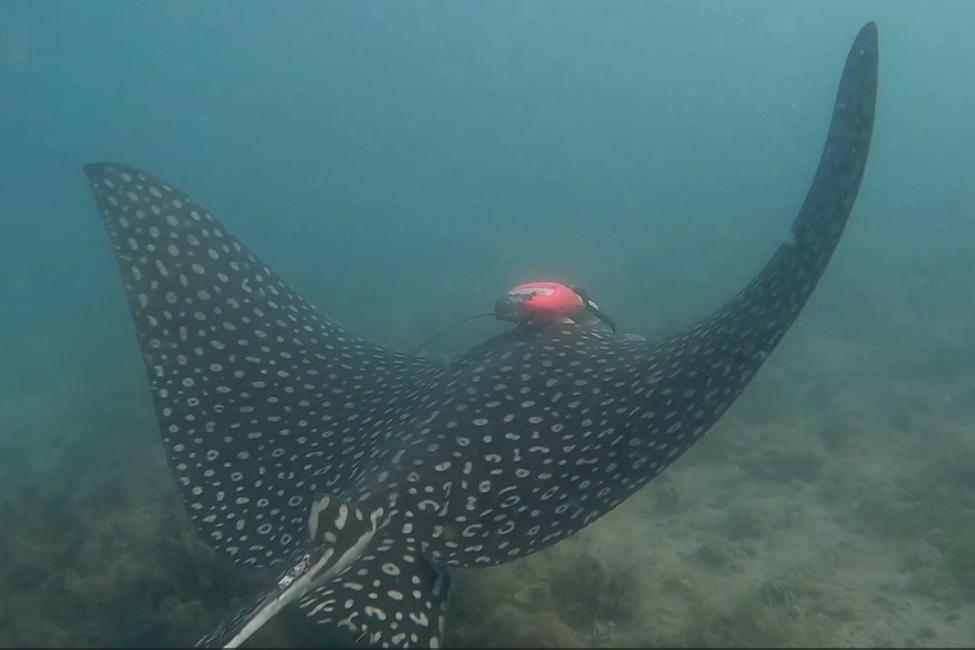
| | A whitespotted eagle ray swims with the multi-sensor tag. (courtesy of Florida Atlantic University). | | |
FAU Researchers Pioneer First Biologging Tags on Stingrays
| Florida Atlantic University’s Harbor Branch Oceanographic Institute has achieved a breakthrough in marine science with the first successful biologging of the whitespotted eagle ray (Aetobatus narinari). Using a custom-designed multi-sensor tag, researchers captured unprecedented insights into the species’ behavior, movement, and feeding patterns. | | |
The lightweight tag integrates a motion sensor, video camera, underwater microphone, satellite transmitter, and acoustic tracker, enabling scientists to observe how rays forage, navigate, and interact in their natural habitats. A new silicone suction cup and spiracle-strap attachment method allowed tags to remain in place for up to 60 hours—longer than any previous external tags used on pelagic rays.
The data revealed complex feeding behaviors, including crunching through hard-shelled prey, and demonstrated that sound and movement data alone can predict foraging activity. Using machine learning, researchers were able to classify behaviors such as swimming, browsing, and digging, paving the way for future long-term ecological monitoring with smaller, simpler devices.
“This marks a turning point in how we study elusive marine species,” said Cecilia Hampton, lead author and Ph.D. student at FAU Harbor Branch. “We’re beginning to map entire behavioral landscapes—from foraging strategies to social dynamics—that are essential for conservation.”
The innovation opens possibilities for adapting the system to other ray species, helping scientists better understand how these ecologically important animals respond to environmental changes. Supported by the National Science Foundation and the Harbor Branch Oceanographic Institute Foundation, the study was published in Animal Biotelemetry.
| | |
Follow FOA on social media for more industry news and information.
| | |
|
Glenn Wiltshire, President
Port Everglades
| |
Jackie Larson, Secretary
Florida Shore & Beach Preservation Association
|
|
|
Spencer Crowley, Vice President
Akerman LLP
| |
Jeff Eble, Ph.D., Treasurer
Hubbs-Sea World Research Institute
| | |
Kumar Mahadevan, Ph.D.
Founding Member
Florida Ocean Alliance,
FOA Director Emeritus
| | |
Julie Wraithmell
Audubon of Florida
| |
Kellie Ralston
Bonefish & Tarpon Trust
| |
Bradley Watson
The Everglades Foundation
| |
Chris Sharp
Florida Institute of Oceanography
| |
Gretchen Winters
Florida Harbor Pilots Association
| |
John B. Hutton
Greenbert Traurig, P.A.
| |
Jim Sullivan, Ph.D.
Florida Atlantic University- Harbor Branch Oceanographic Institute
| |
Phil Purcell
Marine Industries Association of South Florida
| |
James F. Murley, Esq.
Miami-Dade County,
Florida Ocean Alliance
Founding Member and
Executive Committee
| |
David McDonald
McDonald, Miller & Coleman LLC
FOA Director Emeritus
| |
Becky Prado
Moffatt & Nichol
| | |
John Englander
Nova Southeastern University
| |
Richard Dodge, Ph.D.
Director Emeritus
| |
Susan Zellers
Ocean Exchange
| |
Jeff Watters
The Ocean Conservancy
| |
Duane E. De Freese, Ph.D.
Indian River Lagoon Council
FOA Executive Committee
| |
Alexis Meschelle
Organized Fishermen of Florida
| |
Paul Anderson
Port Tampa Bay
| |
Matthew Upton
Roffer's Ocean Fishing Forecasting Service
| |
Sherry Larkin, Ph.D.
Florida Sea Grant College Program
| |
Jon Peterson
SeaWorld Orlando
| |
Lenore Alpert, Ph.D.
Executive Director
| | | |
Florida Ocean News is published by the Florida Ocean Alliance, a nonprofit, nonpartisan, private-public partnership of private industry, trade, academic and environmental organizations promoting awareness and understanding of the ocean’s importance to the economy and environment of Florida. | | | | |