|
Quarterly News & Updates, Volume 4, Winter 2025
Conservation, Education & Economic Development
| | | |
Greetings Members and Friends,
| | |
As we reflect on the past several months and look toward the year ahead, I want to extend my sincere appreciation for your continued engagement and support. Together, we are strengthening Florida’s leadership in coastal stewardship, scientific innovation, and the sustainable growth of our state’s ocean economy.
Last month, we were proud to host our 2025 Leadership Meeting & Luncheon, which
brought together nearly 150 leaders from across Florida’s research institutions, port authorities, marine industries, conservation organizations, and coastal communities. The presentations — spanning ocean health, coastal resilience, economic valuation, responsible development, and blue-tech innovation — showcased the strength of Florida’s expertise and the importance of cross-sector collaboration. The energy in the room affirmed what we already know to be true: Florida’s future depends on a united, informed, and proactive ocean and coastal community.
| | On December 8th we held our Annual Board Meeting to discuss our accomplishments in 2025, policy goals for 2026, and a change to the Bylaws to streamline the process for approving new Organizational Members. We also held our officer elections, and I am honored to be re-elected as President along with Jim Sullivan as our new Vice President, and Jeff Eble continuing as Treasurer, and Jackie Larsen continuing as Secretary. A special thank you to Spencer Crowley for serving as Vice President for the last two years. | | |
Now that we’re preparing for the 2026 legislative session, the Alliance has outlined a set of Policy Priorities and Long-Term Goals that support and complement key initiatives of the Governor and state agencies, reinforcing a shared commitment to Florida’s sustainable future. These priorities – Coastal Resilience and the Ocean Economy – are key strategies from the Alliance’s legislatively funded 2020 Strategic Plan, Securing Florida’s Blue Economy: A Strategic Plan for Florida’s Oceans and Coasts. They address the core challenges and opportunities before us:
-
The interdependence of ecosystems and the economy
- Water quality and harmful algal blooms
- Intensifying hurricanes and storm surge
- The mounting impacts of sea level rise and coastal flooding
While these priorities chart a clear path forward, the road ahead is not without challenges. Florida continues to grapple with worsening storms, persistent water quality issues, and growing development pressures along and off our coasts. Now more than ever, we must stand together to ensure that local and state governments advance policies that protect our fragile ecosystems, keep coastal communities safe, and preserve Florida’s competitiveness in the global ocean economy.
As we close out this year and look ahead to 2026, I want to thank each of you — our
members, partners, sponsors, and supporters — for your commitment to the Alliance
and to Florida’s ocean and coastal future. Your engagement strengthens our collective
impact and ensures that the voices of science, industry, and community continue to
guide Florida’s resilience strategy and economic opportunity.
This trusted, nonpartisan forum remains one of the Alliance’s greatest strengths — and
your continued involvement is what makes it possible.
With appreciation and warm wishes this holiday season,
| | |
Glenn Wiltshire
President
| | |
| |
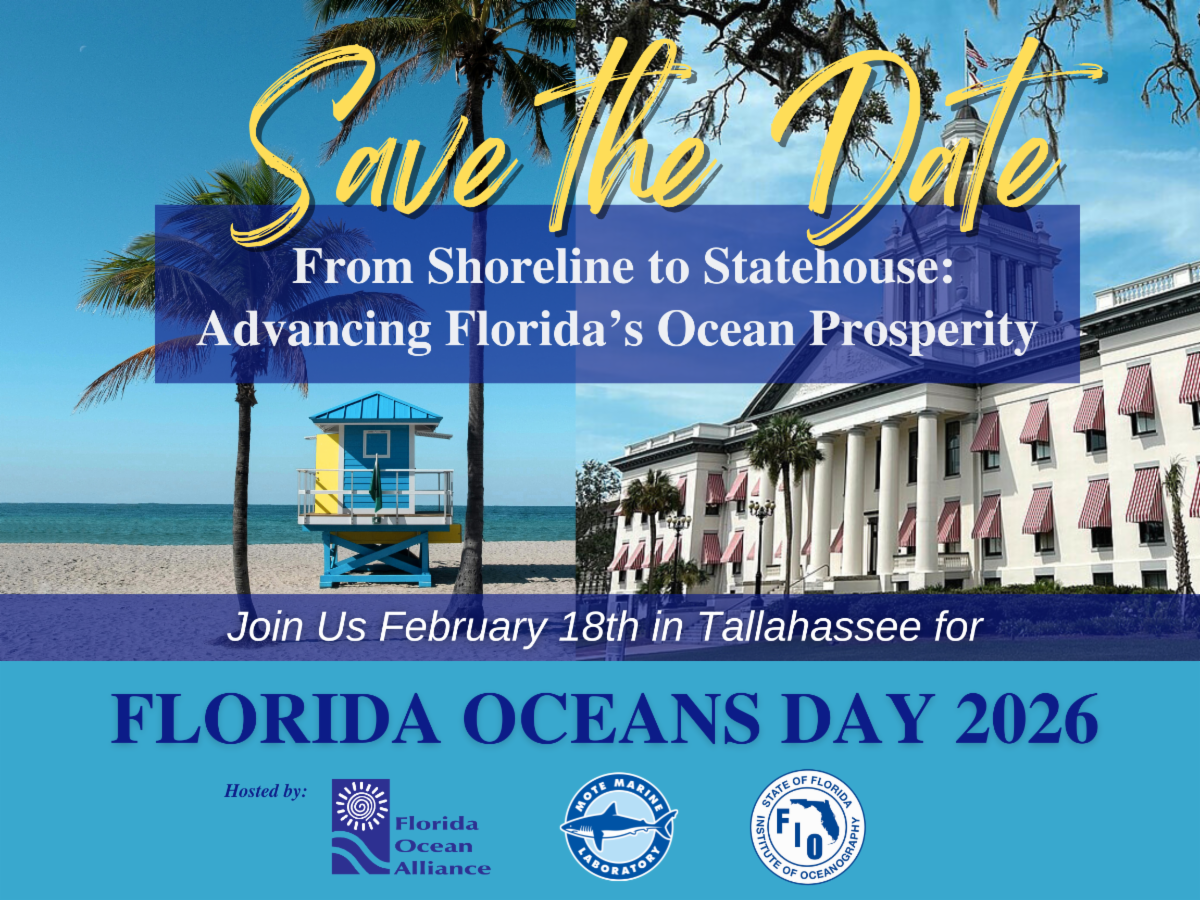
Please mark your calendar for Florida Oceans Day 2026, taking place on Wednesday, February 18, 2026, in Tallahassee.
Florida Oceans Day is an annual gathering that brings together scientists, industry leaders, conservation organizations, agency partners, and legislators to foster a mutual allegiance to protecting Florida’s marine and coastal resources—and to recognize their essential role in sustaining a strong and resilient ocean economy.
The 2026 program, From Shoreline to Statehouse: Advancing Florida’s Ocean Prosperity, will highlight the policies, partnerships, and innovations shaping the long-term health and vitality of Florida’s coasts and oceans.
The day’s events will include:
Florida Oceans Day is organized and hosted by the Florida Institute of Oceanography, Mote Marine Laboratory & Aquarium, and the Florida Ocean Alliance.
We encourage all members and partners to save the date and plan to join us for this important opportunity to engage with decision-makers and champion Florida’s ocean future.
|
| |
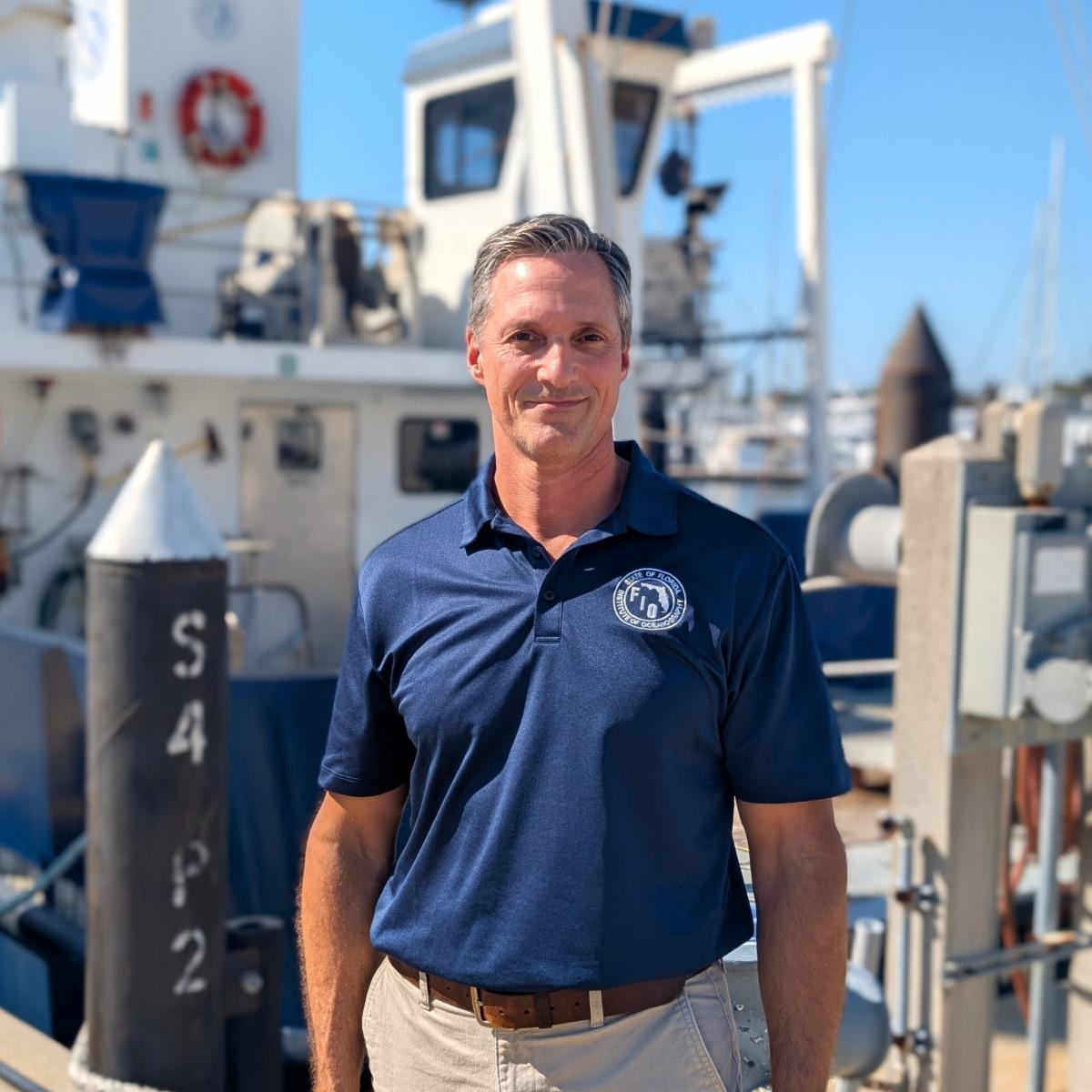
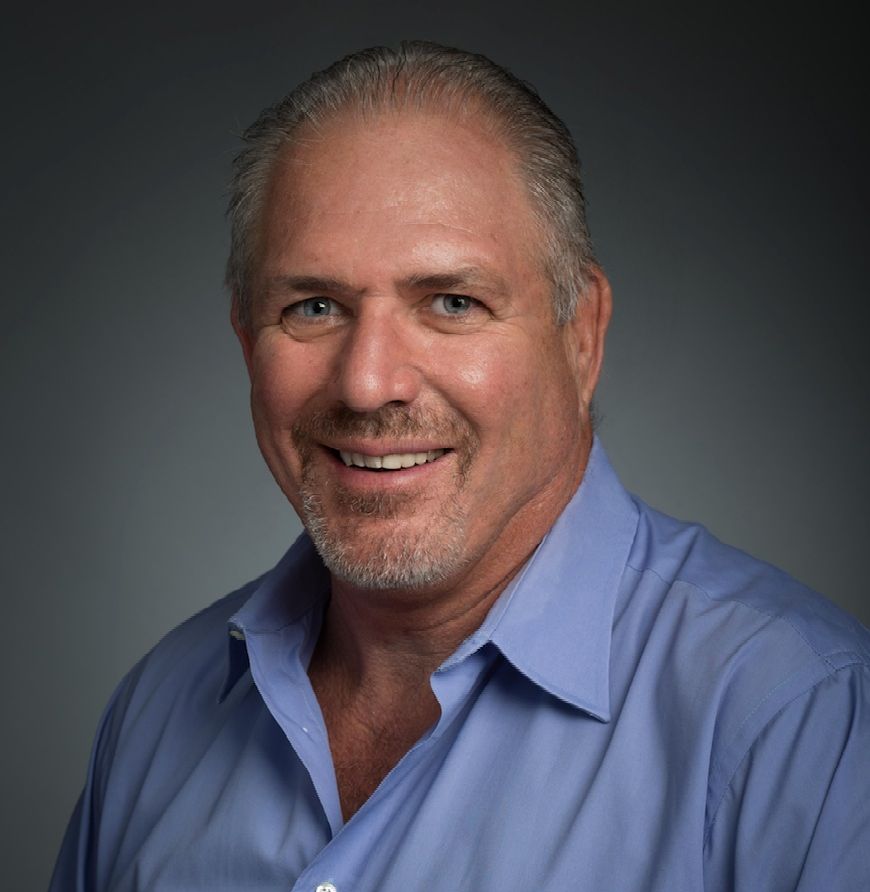
Captain Michael Kahle replaces Dr. Monty Graham as the new Director of the Florida Institute of Oceanography. Captain Kahle brings more than 25 years of leadership experience in national security, crisis management, and interagency collaboration.
Most recently, he served as Sector Commander for U.S. Coast Guard Sector St. Petersburg, leading more than 2,600 personnel and overseeing maritime law enforcement, port security, and regulatory operations across Florida’s Gulf Coast, including the Tampa Bay region.
Known for his operational leadership and strategic foresight, Captain Kahle directed complex, multi-agency responses to major hurricanes and spearheaded the nation’s first federally approved cybersecurity annex to a regional Area Maritime Security Plan.
His expertise in strategic planning, risk management, and organizational transformation will play a vital role as FIO continues to grow their research enterprise and impact.
| | |
Robert Kornahrens is founder, president and CEO of Fort Lauderdale-based Advanced Roofing, Inc., a full-service commercial roofing contractor that provides services for buildings in Florida and the Caribbean.
Kornahrens got into solar energy 15 years ago and today Advanced Roofing, Inc. ranks among the top 50 in solar energy and the top 10 in roofing in the country.
Kornahrens is active in several professional associations and community organizations including the National Roofing Contractors Association, Sonrise Mission, Winterfest Boat Parade, Multiple Sclerosis Foundation and the American Heart Association Broward Heart Walk. Kornahrens has a B.S. in Business Administration and Management from University of Arizona.
| | | |
Bob Musser, Jr. serves the Canaveral Port Authority as Senior Director of Environmental, overseeing all environmental and ecological functions tied to port operations and planning.
Bob serves as the primary liaison for dredging, inlet, and beach renourishment projects with the U.S. Army Corps of Engineers, as well as port-related initiatives with federal, state, and local agencies. He is an appointed member of the Space Coast Transportation Planning Organization Technical Advisory Committee and has held leadership roles with the Indian River Lagoon National Estuary Program, the Florida Ports Council, and the American Association of Port Authorities.
Outside of work, Bob enjoys spending time with his family, participating in coastal cleanups, and leading a weekly community run club on the Space Coast.
| | |
Tindl Rainey serves as Interim Executive Director and Director of Conservation and Strategic Initiatives at the Fish and Wildlife Foundation of Florida, where she helps advance conservation solutions that protect Florida’s unique natural resources while supporting the state’s economy and communities.
In her role, Tindl leads strategic conservation initiatives, cultivates public–private partnerships, and oversees programs that invest in habitat restoration, species protection, and outdoor recreation across Florida.
Tindl brings extensive experience in conservation strategy, nonprofit leadership, and collaborative problem-solving, working closely with state agencies, private partners, and local organizations to deliver measurable conservation outcomes.
| | | |
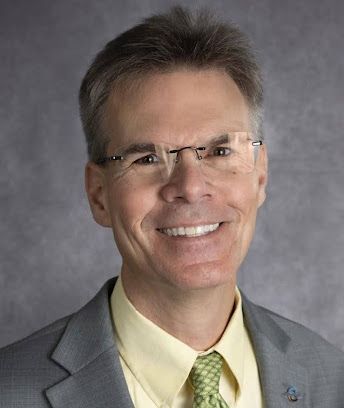
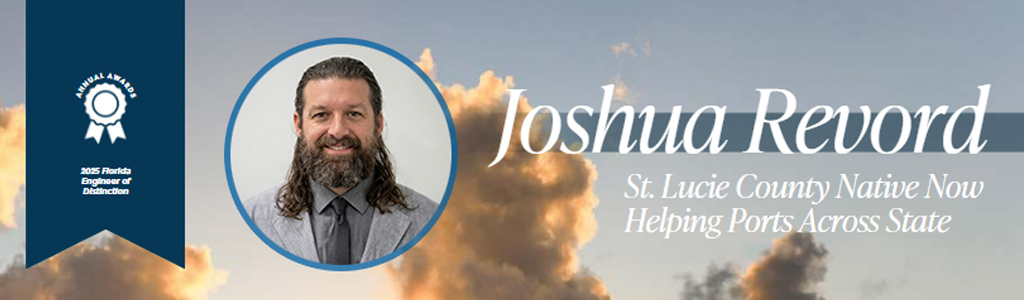
Joshua J. Revord leads the Department of Port, Inlet & Beaches (PIB) for St. Lucie County. Joshua is a native of St. Lucie County, and previously worked as the Sr. Coastal Engineer, where he helped manage the Erosion District (a special taxing district) and the County's 21 miles of Atlantic shoreline, including Fort Pierce Inlet.
As Director of PIB, Joshua will continue the management of the County’s beaches and inlet but will now help manage the Port of Fort Pierce and the county’s relationship with Derecktor Shipyards (a tenant servicing megayachts at the port).
Other responsibilities include the routine maintenance of the inlet’s navigation channel (and turning basin) and the future development of the County’s Harbour Pointe Park, consistent with the adopted 2020 Port of Fort Pierce Master Plan.
| | |
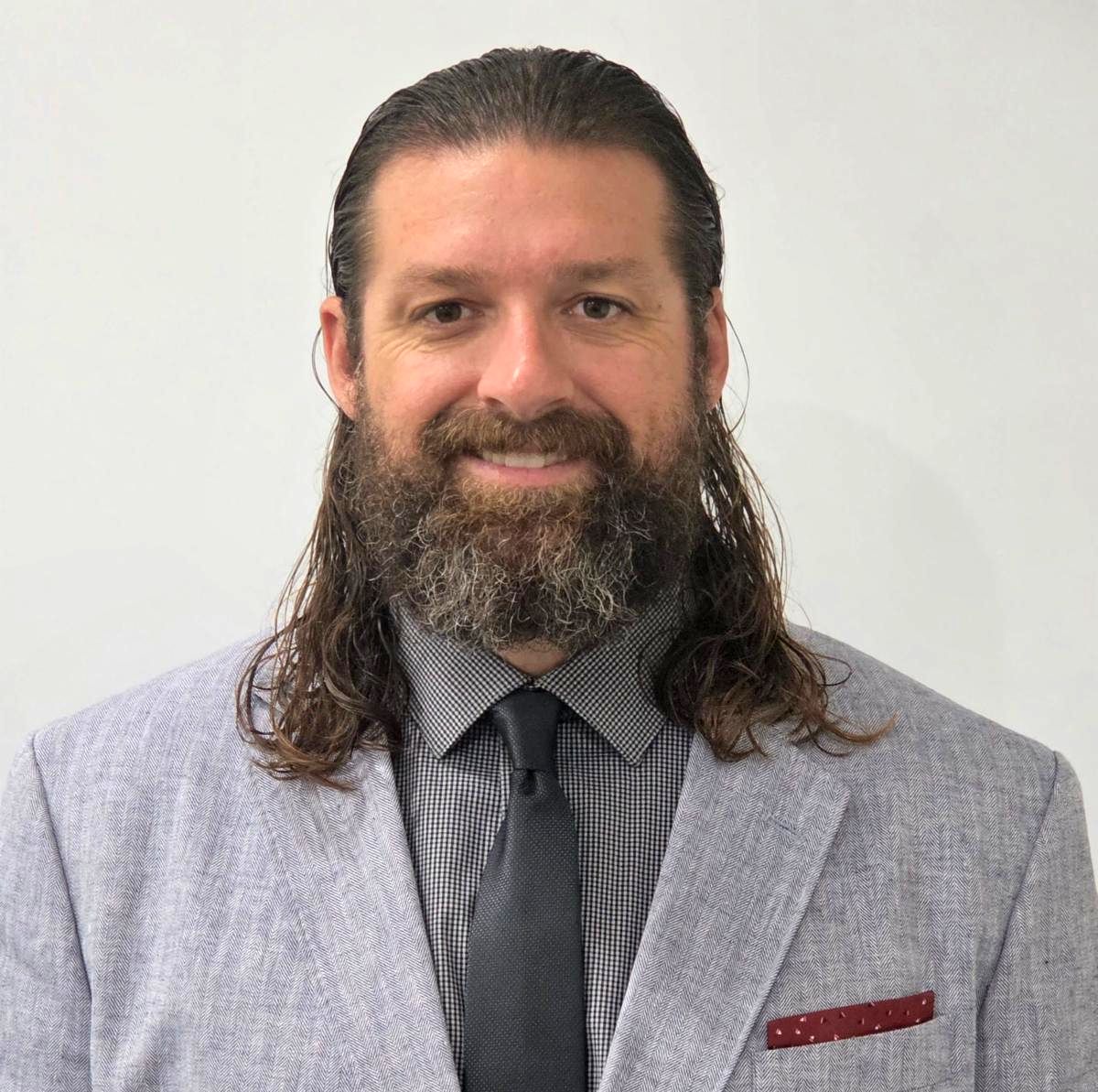
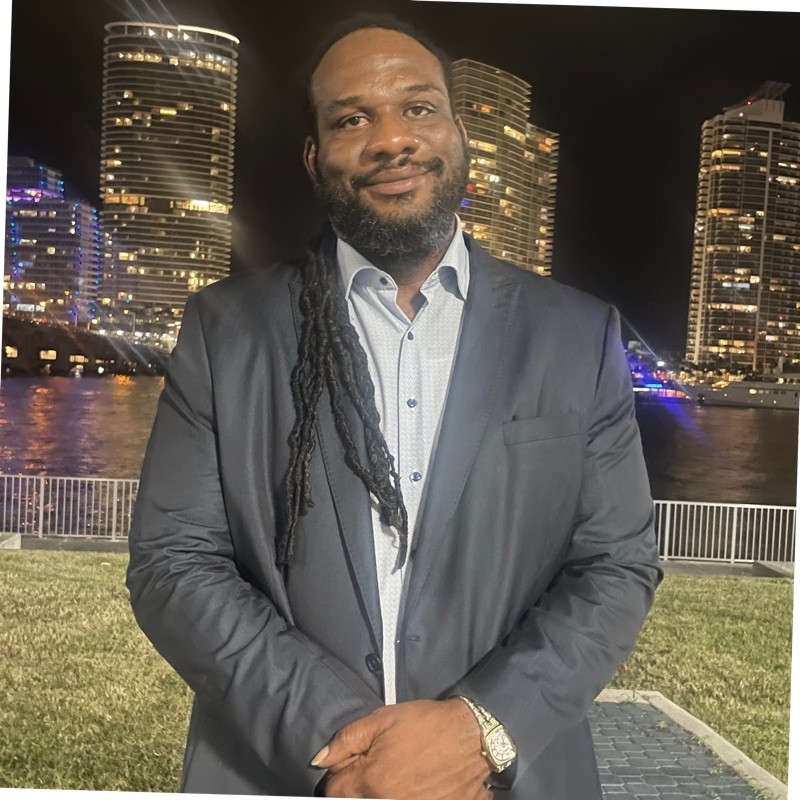
Bert J. Strong, Sr. is a Port Manager with Norton Lilly International, overseeing operations at Port Miami, Port Everglades, Palm Beach, and Key West. With more than 23 years of experience in the maritime industry, Bert brings deep operational knowledge and leadership across some of Florida’s busiest and most strategically important ports.
He has been an ASBA Certified Agent since 2005 and holds an ASBA Certificate of Achievement in Maritime Law for Ship Brokers and Agents. Bert is also a Certified Facility Person in Charge, certified by the National Cargo Bureau, and trained in OSHA General Industry Safety, reflecting his strong commitment to safety, compliance, and operational excellence.
Outside of work, Bert enjoys staying active, spending time at the beach, and maintaining a healthy lifestyle.
| | | |
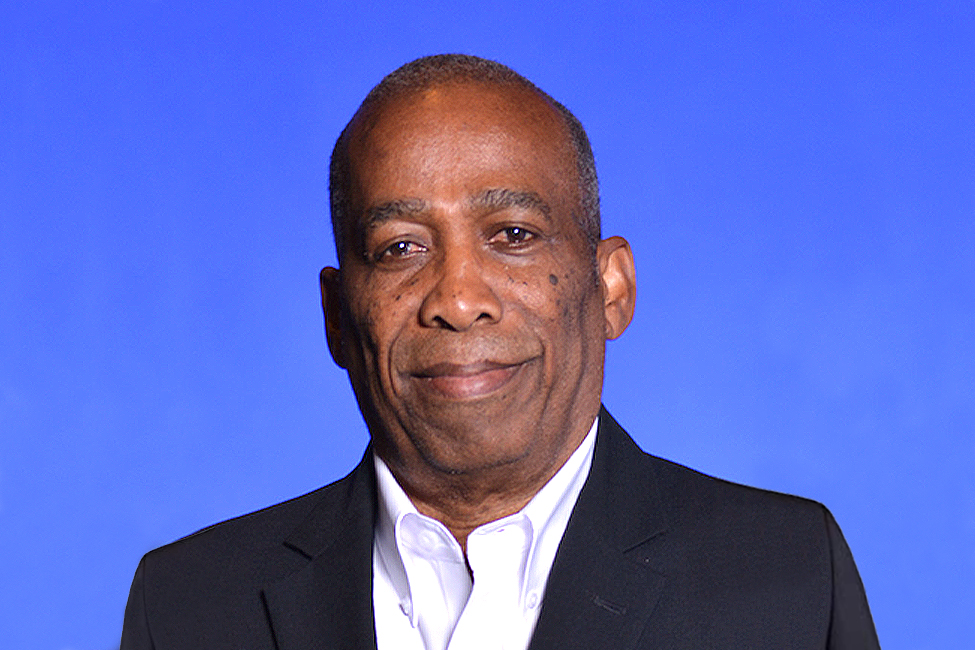
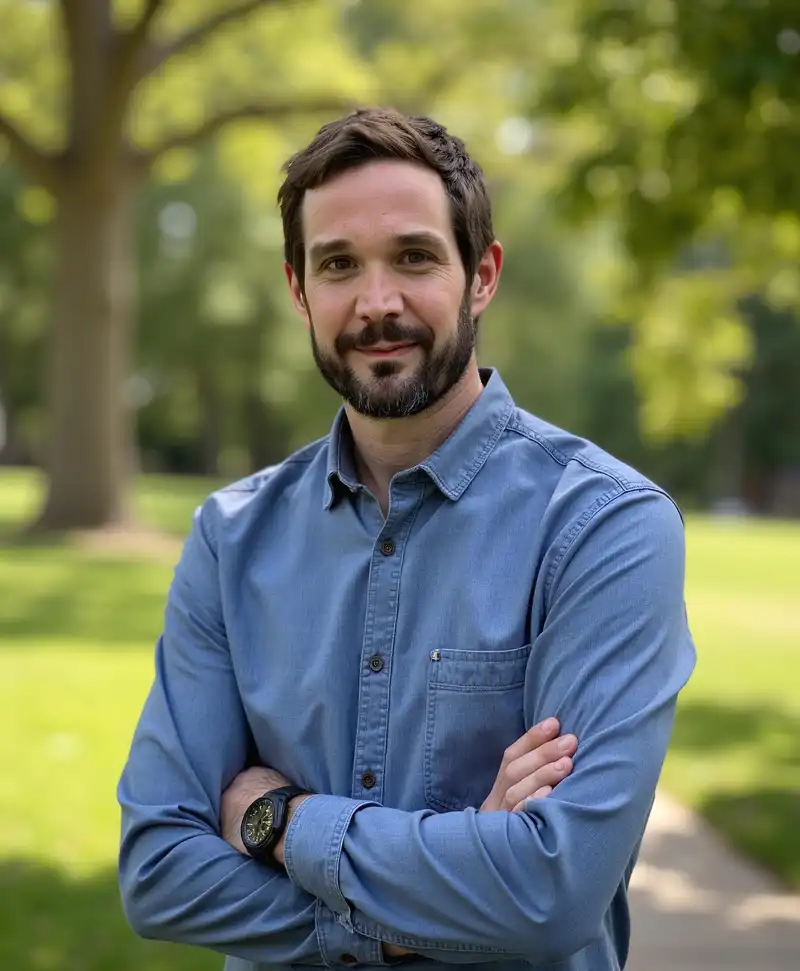
Dr. Rhodd is the Associate Dean for Florida Campuses at Florida Atlantic University College of Business where he researches the areas of International Economic Development, International Monetary Economics, Macroeconomics, and Caribbean & Latin American Economics.
He has publications in the Journal of International Development, the Journal of Policy Modeling, Atlantic Economic Journal, Quarterly Review of Economics and Finance, the Journal of Third World Studies, Southern Economic Journal, Applied Economics, the Journal of Economics and Finance Education, the International Review of Economics Education, and Indian Journal of Economics and Business.
Along with Donna Cooke and Sandra Schrouder, Dr. Rhodd has completed a book titled Issues in the Development of Contemporary Caribbean Economies.
| Jonathan (Jon) Thompson, Ph.D. | |
Dr. Jonathan Thompson is Associate Dean of Research and a Professor at Nova Southeastern University’s Halmos College of Arts and Sciences, where he plays a key role in advancing interdisciplinary research across the college’s academic and scientific programs. In his leadership role, Dr. Thompson supports the development, coordination, and dissemination of research initiatives that contribute to the university’s mission of promoting discovery and innovation.
With a broad academic background and commitment to research excellence, Jon helps guide projects spanning natural sciences, environmental studies, analytical chemistry, and related fields.
| | | |
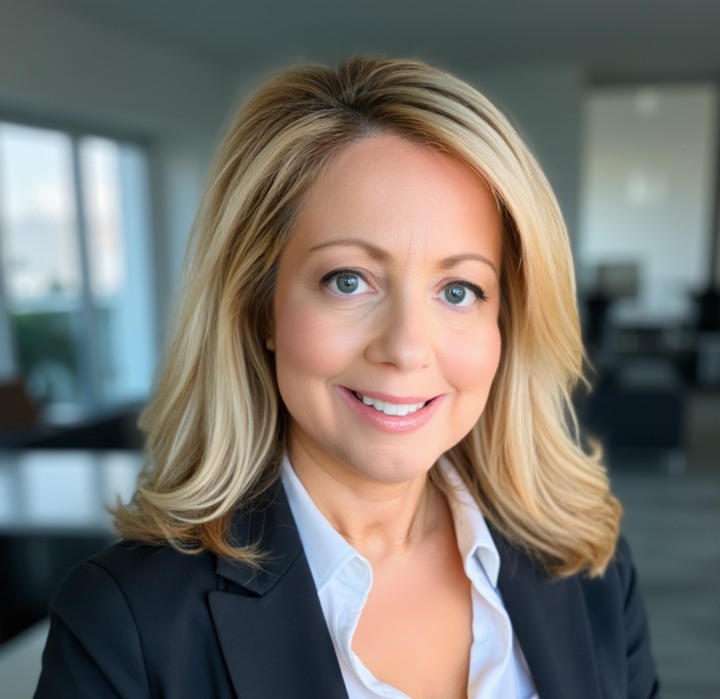
Bonnie Schneider is the Co-Founder of SkyWind Solutions, where she and her team of Ph.D. scientists are transforming complex weather and ocean data into AI-powered, hyperlocal forecasts that help coastal operators anticipate risks and make smarter, faster decisions.
Their platform is already closing critical gaps in total water level forecasting—accounting for local winds, tides, river inflows, and shoreline features that traditional public predictions overlook. SkyWind is also advancing tools to forecast harmful algal bloom conditions with high resolution, supporting Florida’s environmental health and ocean economy.
Before launching SkyWind, Bonnie worked as a national television meteorologist and reporter (CNN, HLN, MSNBC, The Weather Channel, Bloomberg TV, and Yahoo Finance) and is the author of Taking the Heat (Simon & Schuster) and Extreme Weather (Palgrave Macmillan). She now leverages that background to make climate and resilience insights accessible, actionable, and impactful.
| | Member Updates & Announcements | |
North Central & Northeast
(Jacksonville, St. Augustine, Gainesville, Tallahassee, etc.)
| | Environmental Defense Fund |
Flood Insurance Reform Raises Affordability Concerns
for Vulnerable Communities
| | |
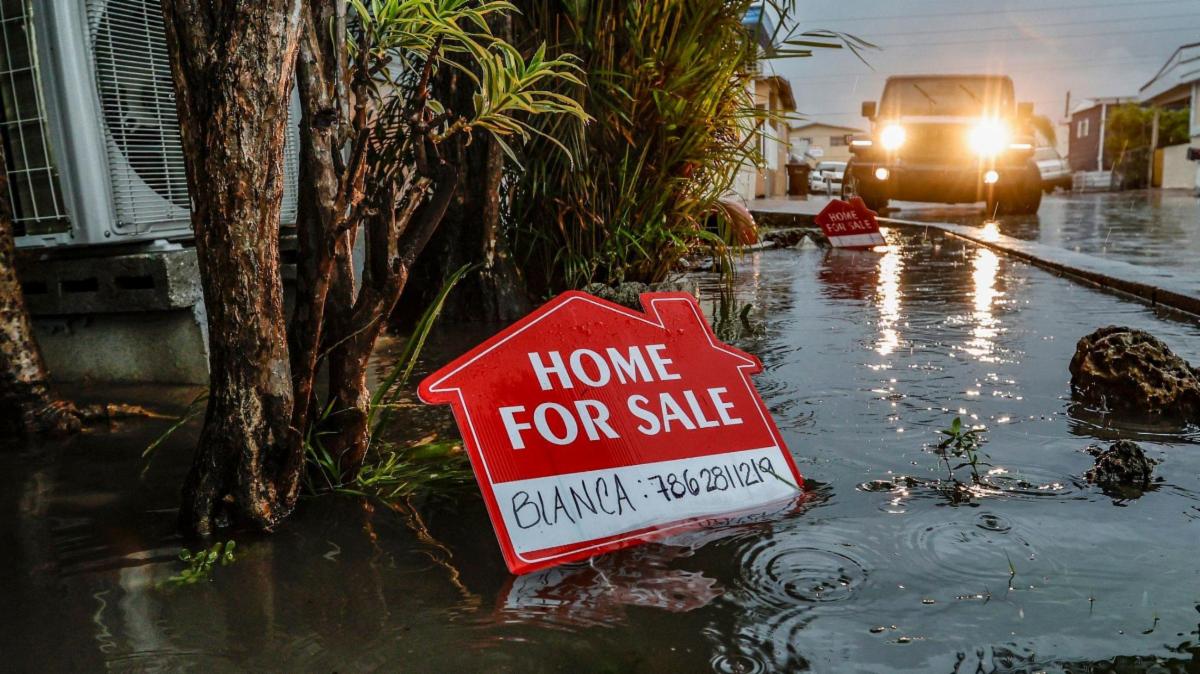
A new study published in the Journal of Catastrophe Risk and Resilience highlights how recent federal flood insurance reforms are affecting households as flooding risks increase nationwide.
The paper, Effects of Risk-Based Pricing Reform on Flood Insurance Uptake, examines the impacts of the National Flood Insurance Program’s (NFIP) updated pricing system, Risk Rating 2.0, which adjusts premiums based on property-specific flood risk. While the reform was designed to better reflect actual risk, researchers found it has led to significant declines in flood insurance participation—particularly in lower-income communities.
According to the study, new policy uptake has declined by as much as 39%, while existing policies dropped by up to 13% in some areas. Rising premiums are prompting many households to forgo coverage altogether, increasing financial vulnerability when floods occur.
“Flood insurance coverage is critical to managing financial risks associated with flooding,” said lead author Dr. Jesse Gourevitch, an economist at Environmental Defense Fund. “Our findings show that without affordability protections, many families—especially those with lower incomes—are at risk of losing coverage as premiums rise.”
The authors emphasize that risk-based pricing still has important benefits, including encouraging flood-risk reduction and smarter development decisions. However, they recommend pairing pricing reforms with means-tested assistance to help low- and moderate-income households maintain coverage.
The study reinforces Environmental Defense Fund’s broader policy recommendations to modernize flood insurance while ensuring affordability—an approach increasingly important as climate change drives stronger storms and more frequent flooding.
The full paper by Jesse Gourevitch, Max Snyder, and Carolyn Kousky is available HERE.
Photograph by Al Diaz adiaz@miamiherald.com
| |
Save the Date:
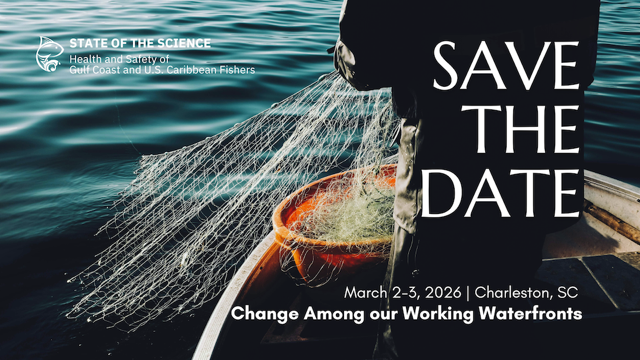
10th Annual Meeting & State of the Science Meeting
| |
This year, the Southeastern Coastal Center for Agricultural Health and Safety (SCCAHS) is pleased to partner with the Southeast & Caribbean Disaster Resilience Partnership (SCDRP) to host the Gulf Coast and Caribbean State of the Science Meeting, taking place March 2-3, 2026, in Charleston, South Carolina, in advance of SCDRP's 10th Anniversary Annual Meeting that will focus on Navigating Extreme Events: Doing more with less, together, March 4-5.
This year's meeting theme, Change Among Our Working Waterfront, will focus on the evolving challenges faced by coastal communities and fishery workers. Together, we will explore the intersection of health, safety, and resilience in the face of natural disasters − highlighting both current concerns and forward-looking solutions that strengthen our coastal economies and ecosystems. Register HERE.
|
|
Florida Shore and Beach Preservation Society
|
Save the Date:
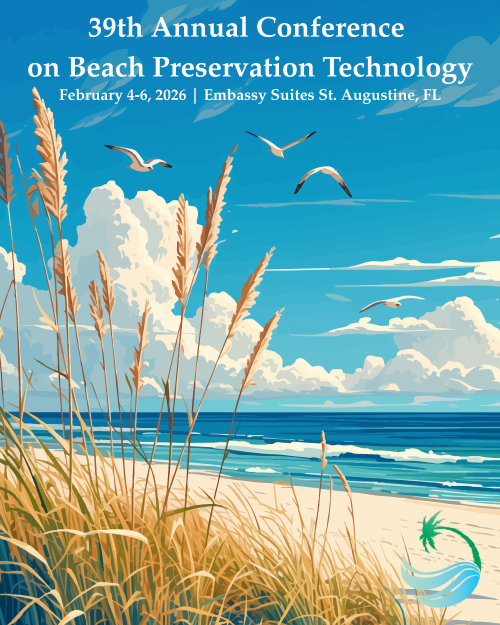
National Conference on Beach Preservation Technology
| |
The 2026 National Conference on Beach Preservation Technology will take place February 4–6, 2026, at the Embassy Suites in St. Augustine Beach, Florida.
Organized by the Florida Shore & Beach Preservation Association (FSBPA), this annual conference brings together coastal professionals, scientists, engineers, planners, and policymakers to share cutting-edge ideas and tools for protecting Florida’s beaches and coastal resources.
Focused on the latest advancements in coastal science and practical beach management, the conference serves as a bridge between research and real-world practice. Attendees hear from experts about shoreline protection techniques, resilience planning, sediment management, environmental science, and technological innovations that support effective coastal project design and policy decisions.
This event is especially valuable for state and local government officials, engineers, environmental resource managers, academic researchers, and community leaders. It also offers professional development hours for participants.
We encourage our members and partners focused on coastal resilience and sustainable ocean use to consider attending. Details on registration, hotel accommodations, and program updates are available HERE.
| |
2025 St. Johns River Report Highlights Ongoing Challenges
and Need for Continued Action
| |
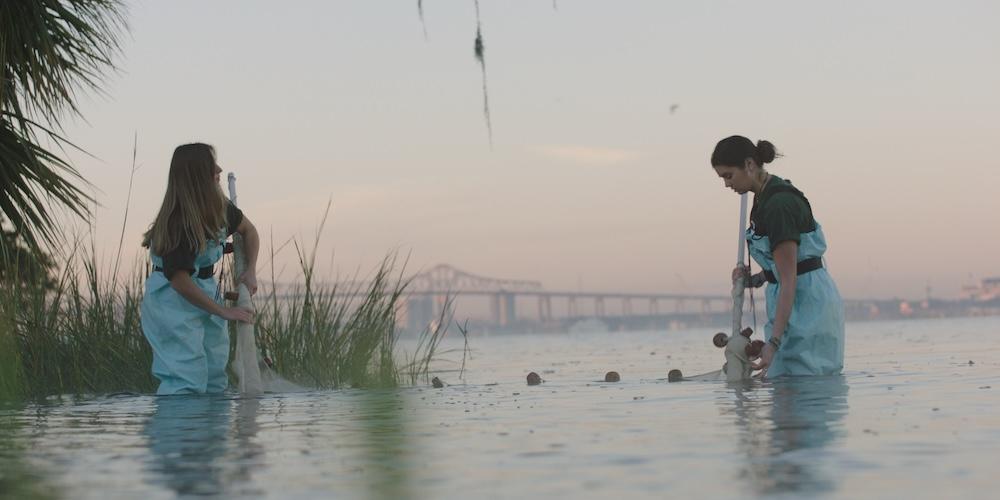
The 2025 St. Johns River Report is now available, offering a comprehensive, science-based assessment of conditions in the Lower St. Johns River Basin. Produced by an interdisciplinary team from the University of North Florida, Jacksonville University, and Penn State Berks, the report is updated annually to track both progress and persistent challenges affecting this vital watershed.
The 18th State of the River Report reveals mixed results. While some indicators remain stable, significant concerns continue, including elevated fecal bacteria levels in many tributaries, recurring harmful algal blooms, rising phosphorus in parts of the river, declining commercial blue crab catches, and severely depleted submerged aquatic vegetation since 2017. Accelerating development is also increasing pressure on wetlands, contributing to habitat loss and altered ecosystem function.
Researchers confirmed that most impaired tributaries are affected by human-sourced contamination, often linked to failing septic systems. Septic phase-out projects are underway in several Jacksonville neighborhoods as part of broader restoration efforts. Climate change is expected to further amplify these stressors through altered rainfall, storm activity, and water quality impacts.
Despite challenges, protected species are generally faring well, underscoring the value of sustained conservation efforts. Overall, the report emphasizes the importance of long-term monitoring, data-driven decision-making, and continued investment in restoration to improve the health and resilience of the Lower St. Johns River Basin. Read the Report HERE.
| |
STATEMENT:
Ocean Conservancy Calls Plans to Reopen Gulf Waters to Oil and Gas Leasing “A Terrible Step Backward"
| |
The Bureau of Ocean Energy Management released its five-year plan, moving to reopen federal waters off the coast of Florida to new oil and gas leasing.
Ocean Conservancy’s Director of Florida Conservation J.P. Brooker released the following statement:
“Regardless of political party, Floridians have spoken with one clear voice for decades that they strongly oppose drilling off the Gulf Coast. Opening federal waters in the eastern Gulf to drilling as the White House administration proposes would be a terrible step backward and put at serious risk our marine life, our Gulf waters, our beautiful beaches and the Florida economy.”
|
|
Tampa Bay & Southwest
(Tampa Bay, Sarasota, Fort Myers, Naples)
| | Fish and Wildlife Foundation of Florida |
Announcing Leadership Transition
| |
After nearly a decade of dedicated service, Andrew Walker, a long-time leader at the Fish & Wildlife Foundation of Florida, has retired, marking an important transition for the organization.
The Foundation, a 501(c)(3) nonprofit committed to conserving Florida’s fish, wildlife, lands, and waters, has named Tindl Rainey as Interim Executive Director while continuing its mission to protect Florida’s natural heritage.
Ms. Rainey brings extensive conservation experience to her new role. Previously serving as the Director of Conservation & Strategic Initiatives, she has worked statewide with partners to protect critical habitat, restore ecosystems, and generate real conservation outcomes for both wildlife and communities. Rainey’s leadership reflects decades of commitment to safeguarding Florida’s biodiversity and outdoor legacy.
Will Bradford, the Foundation’s Chief Operating Officer, remains in his role, providing continuity in operations during the transition. Together, Rainey and Bradford will guide the Foundation’s efforts to support wildlife conservation, outdoor education, and habitat protection across Florida.
|
|
Professional & Research Preparation Program:
Marine Science Undergraduate Research Experience
| |
Mote Marine Laboratory & Aquarium is pleased to announce that applications are now open for the Marine Science Undergraduate Research Experience: Professional and Research Preparation (MarSci-URE PReP) program, taking place January 4–11, 2026 in Sarasota, Florida.
Learn more HERE.
|
|
Save the Date: 2026 Anchor Ball
| |
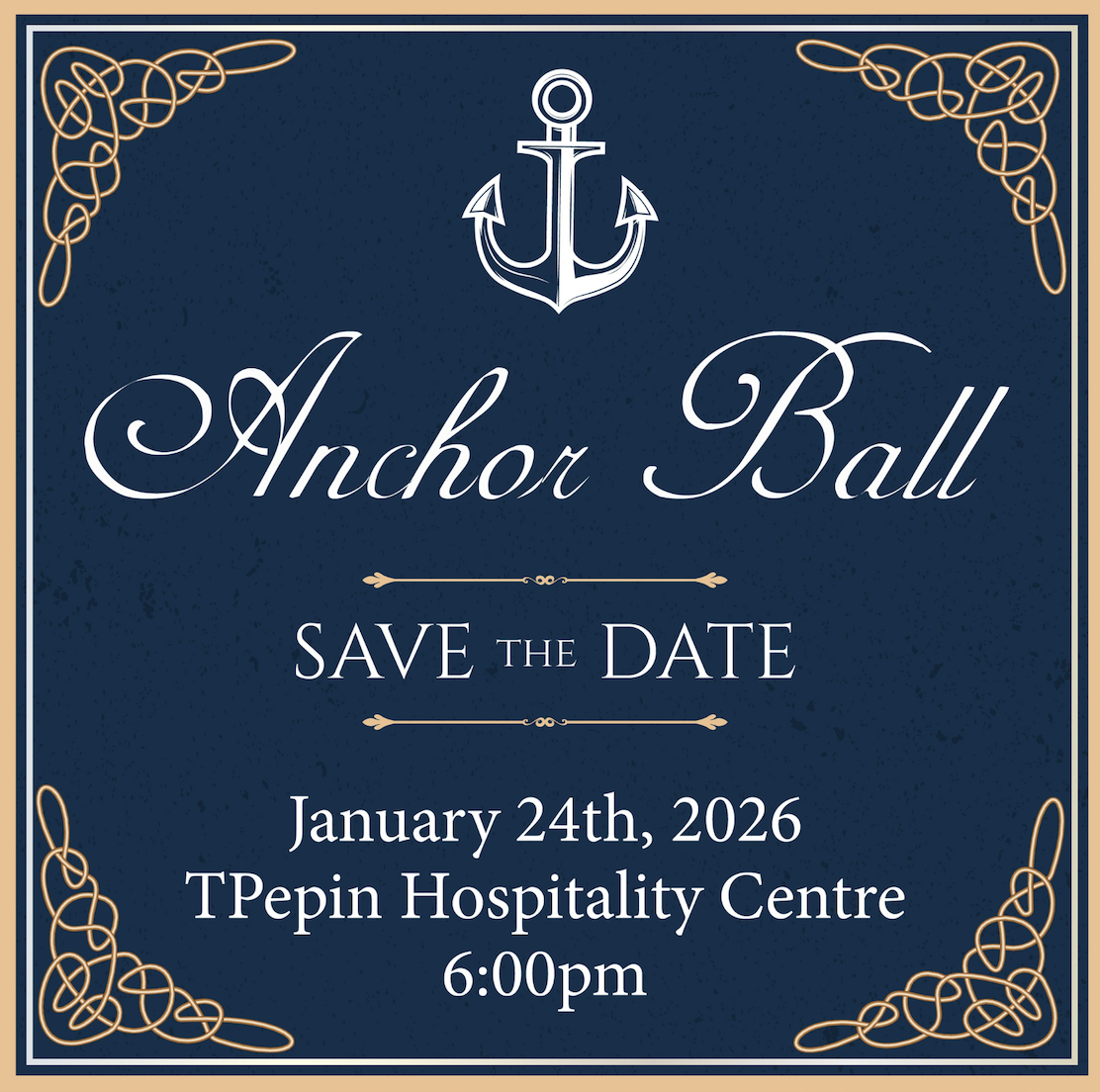
Port Tampa Bay is hosting a gala fundraising event, supporting seafarers and students interested in the maritime industry. This year’s Port Tampa Bay Anchor Ball takes place on January 24, 2026 at TPepin’s Hospitality Centre and brings together individuals, organizations, and businesses in the maritime industry.
The event features a wide range of exciting activities, including a silent & live auction, dinner, music, and dancing, with all proceeds going towards Tampa Port Ministries and Tampa Bay Maritime Scholarship Foundation.
Register HERE.
|
|
Central & East Central
(Orlando, Space Coast, Daytona, Indian River Lagoon region)
| | Funding for Regional Water Quality Projects will Help Farmers, Wildlife, and the Northern Everglades | | |
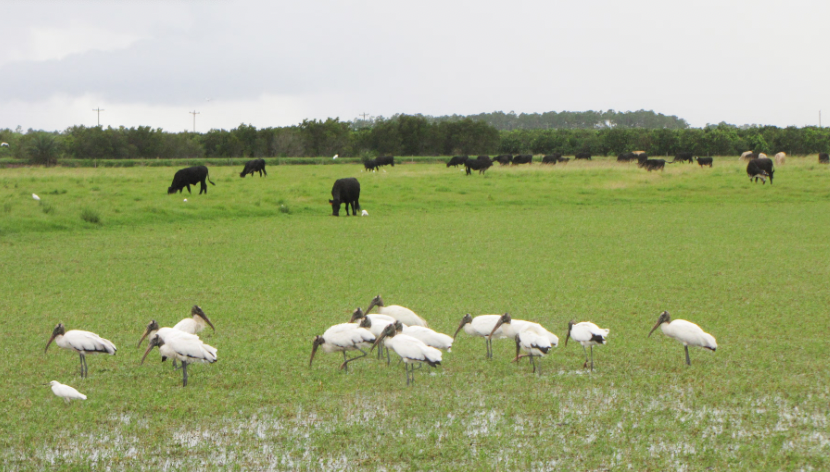
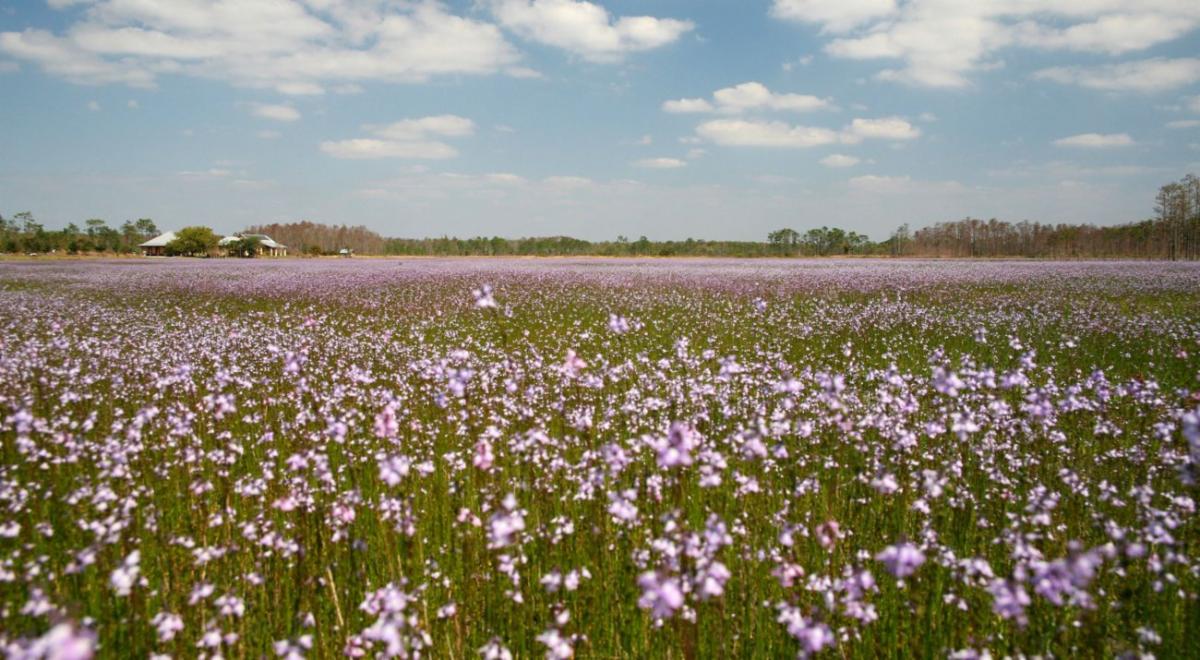
The Office of Agriculture Water Policy has allocated $25 million for regional water quality improvement projects. Supported by Commissioner Wilton Simpson, the Agricultural Regional Projects Program addresses nonpoint pollution in areas with heavy agricultural use. This funding allows applicants to apply for projects that promote nutrient management in selected Basin Management Action Plan areas, including the Lake Okeechobee watershed.
Five million of the $25 million is required to be spend in the Lake Okeechobee watershed.
| |
Photo: Paul Gray/Audubon Florida. | | |
This allows landowners and agencies to provide nutrient reduction projects, thus improving the water quality and quantity downstream. Because phosphorus and nitrogen move off the landscape through stormwater flows to Lake Okeechobee, nutrient levels there are magnified. These high nutrient levels cause harmful algal blooms, which can then cause both loss of submerged aquatic vegetation and fish kills.
Audubon has commended the Office of Agriculture Water Policy for this commitment to advancing the restoration of the Everglades headwaters. Landowners can locate more suitable land in the Okeechobee basin through the Wetland Evaluation Tool.
| |
Hubbs-SeaWorld Research Institute
| Study Links Harmful Algal Blooms to Alzheimer's-Like Brain Changes in Florida Dolphins | |
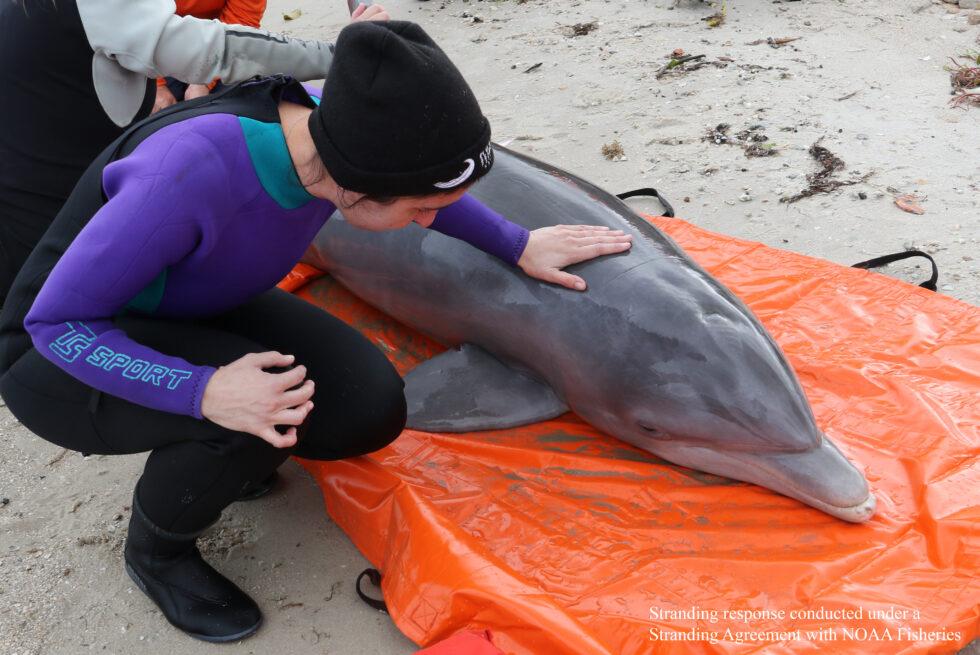
A new study published in Nature Communications Biology has found that dolphins living in Florida’s Indian River Lagoon exhibit brain changes similar to those seen in Alzheimer’s disease in humans. The research, conducted by scientists from Hubbs-SeaWorld Research Institute, Brain Chemistry Labs, the University of Miami Rosenstiel School, and Blue World Research Institute, provides some of the strongest evidence yet linking harmful algal bloom toxins to neurodegeneration in a wild marine mammal.
Researchers discovered that dolphins exposed to algal bloom conditions carried dramatically elevated levels of the neurotoxin 2,4-diaminobutyric acid (2,4-DAB) in their brains—up to 2,900 times higher than dolphins stranded outside bloom seasons. These dolphins also showed molecular and tissue changes associated with early Alzheimer’s disease, including abnormal protein buildup and altered gene expression linked to memory and brain health.
Scientists emphasize that dolphins serve as a sentinel species, offering early warnings about environmental risks that may also affect human health. The findings suggest that warming waters and nutrient pollution—key drivers of harmful algal blooms—can have profound neurological impacts on marine life.
The study also highlights broader ecosystem stress in the Indian River Lagoon, where habitat loss and seagrass decline have forced dolphins to shift to lower-energy prey, compounding physiological stress. Together, these results underscore the deep connection between ecosystem health, wildlife well-being, and human communities—reinforcing the importance of protecting Florida’s coastal waters through science-based management and restoration efforts.
Read more HERE.
|
|
Indian River Lagoon Council
| De Freese Awarded Top Recognition by Florida Tech | |
On October 17th Duane De Freese was honored to receive the Jerome P. Keuper Distinguished Alumni Award from the President of Florida Institute of Technology, Dr. John Nicklow. Dr. Keuper was the university founder and served as its first President from 1958-1986.
The JPK award recognizes an alumnus whose career accomplishments honor the university's legacy of excellence. Duane joined 13 other FL Tech Alumni and JPK award winners since 2011 that include Tom Folliard, former CEO of CarMax, General Ann Dunwoody, America’s first female four-star Army general, Sunita Williams, NASA astronaut and Navy Captain, and the late Tim Wakefield, legendary Boston Red Sox pitcher.
|
|
Port, Inlet, & Beaches St. Lucie County
| St. Lucie County Port, Inlet & Beaches Director
Named Florida Engineer of Distinction | |
The American Council of Engineering Companies of Florida (ACEC) recently named St. Lucie County’s Port, Inlet and Beaches Department Director Joshua Revord as the Florida Engineer of Distinction.
The agency’s quarterly magazine, Engineering Florida, features a four-page article in the winter edition, highlighting Revord’s accomplishments working for St. Lucie County and focusing on his recent election as Chair of the Florida Seaport Transportation and Economic Development Council. A graduate of Port St. Lucie High School, Revord earned degrees from Florida Institute of Technology and the University of Florida before returning home to work as a stormwater engineer with St. Lucie County in 2016. Since that time, Revord has served as the county’s coastal engineer, before being tapped to lead the recently created Port, Inlet and Beaches Department.
“It’s an honor to be recognized as the ACEC’s Engineer of Distinction, but it’s an even greater honor that I get the chance to work in the same area I grew up, protecting the beaches and waterways that I loved as a kid growing up in St. Lucie County,” said Revord. “I feel privileged to be able to share the same experiences I had growing up with my children. I come to work every day to protect these resources for them and their future children and grandchildren.”
|
| New Osceola Greenprint Tool Supports
Smart Growth and Climate Resilience | |
The Nature Conservancy (TNC) in Florida has launched the Osceola Greenprint, a publicly available, interactive mapping tool designed to help communities better understand the value of nature and natural infrastructure in Osceola County. The online resource visualizes data on population growth, flood risk, freshwater resources, wildlife corridors, development pressure, and planned construction—producing a downloadable report to support informed land-use and planning decisions.
“The Osceola Greenprint can help chart a resilient path forward for Osceola County,” said Christianah Oyenuga, Ph.D., Sustainable Cities Manager at TNC in Florida. “It reinforces the conservation of natural, agricultural, and water resource lands that support rural economies, protect wildlife, and strengthen community resilience.”
The tool is designed for planners, government agencies, academic partners, community organizations, and advocates navigating the challenges of rapid growth and climate impacts. Its launch follows strong voter support for conservation in Osceola County, where residents recently renewed the environmentally sensitive lands program with 83% approval—helping conserve more than 3,300 acres to protect water quality, habitat, and recreation.
The Osceola Greenprint builds on similar efforts in Central Florida, including Orange County’s EcoResource, and reflects growing momentum for data-driven, sustainable development across the region.
The project is a collaboration between The Nature Conservancy and GreenInfo Network, with support from ADS Foundation, Disney, and Duke Energy Foundation.
Photo: TNC
|
| Rescue to Recovery: Barber the Manatee Returns Home | |
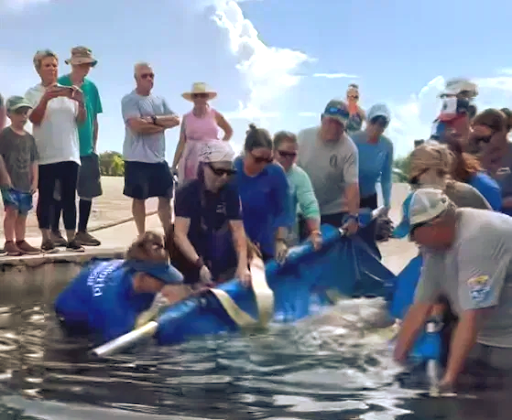
Last month, our team partnered with the Florida Fish and Wildlife Conservation Commission to return Barber the manatee to Round Island Riverside Park. Rescued in July after a boat strike, Barber spent two months receiving specialized care at our facility where he grew stronger, gained 155 pounds, and was ready to return to his home waters.
SeaWorld Orlando is one of four federally permitted critical care facilities and remains committed to protecting and caring for sick, injured, and orphaned manatees.
To learn more about Barber’s journey, read HERE.
|
|
Treasure Coast & South Florida
(Fort Pierce, Palm Beach, Fort Lauderdale, Miami, Keys, Everglades)
| | Florida FWC Votes to Protect Bonefish
Pre-Spawning Site Discovered by BTT | |
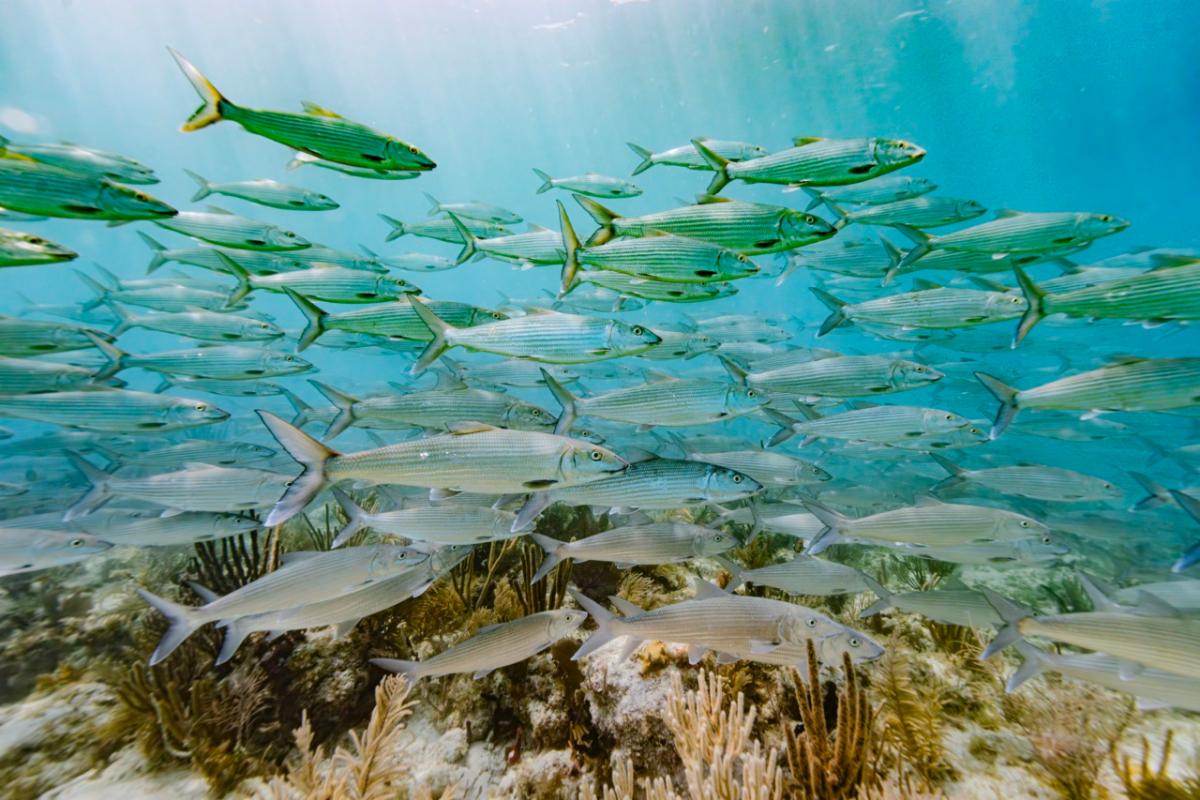
Bonefish & Tarpon Trust is celebrating a major conservation victory for Florida’s bonefish fishery!
The Florida Fish and Wildlife Conservation Commission (FWC) voted on August 14 to pass a targeted, three-month closure of a bonefish pre-spawning aggregation (PSA) site discovered by Bonefish & Tarpon Trust scientists in Biscayne Bay National Park (BNP). This action effectively closes a sensitive 1.74-square mile area to all fishing from March through May over the next five years.
“This aggregation discovery is a milestone in the recovery of this iconic fishery,” said FWC Chairman Rodney Barreto. “We recognize this site’s importance and are committed to continuing the protection for this significant species.”
The Biscayne Bay PSA site is the first to be scientifically documented in Florida waters and was identified after more than three years of BTT’s research, in collaboration with FWC and BNP scientists. Tracking data show that migrating bonefish return to this patch-reef location year after year, where they form large schools before swimming offshore to spawn in deep water.
“Protecting this site during peak spawning season is critical to the continued recovery of Florida’s bonefish population,” said BTT President and CEO Jim McDuffie. “We thank FWC Commissioners for their leadership and commitment as well as the guides, anglers, partner organizations, and fishing industry leaders for raising their voices in support of this science-based conservation measure.”
BTT remains committed to balancing access to the resource with effective conservation measures. BTT, FWC and BNP will monitor the site and measure the effectiveness of the closure over the next five years, after which time it will be reviewed.
Photo: The newly protected bonefish pre-spawning aggregation site discovered by BTT. PC: Ian Wilson
| | Driving Change: Helping The Reefline Take Shape | |
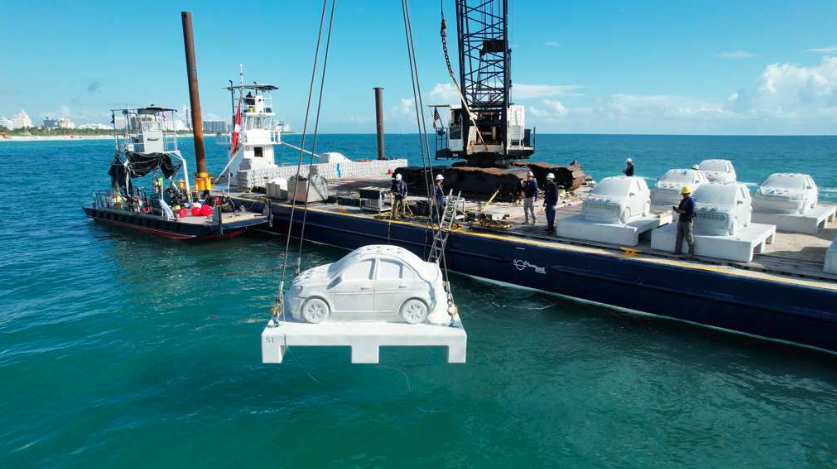
A groundbreaking blend of art, science, and coastal resilience is underway off the coast of Miami Beach. This year marked a major milestone for The Reefline with the deployment of the first concrete, car-shaped reef modules—launching an underwater art installation designed to function as both marine habitat and a public snorkel trail.
Once complete, The Reefline will form a series of artist-designed sculptures that double as artificial reef structures, supporting coral and fish growth while offering a unique experience for snorkelers and divers. The project represents a new model for public space—one that exists beneath the waves and contributes directly to ecosystem restoration.
Cummins Cederberg played a critical role in bringing this vision to life, providing coastal engineering design, environmental and regulatory permitting, benthic and bathymetric analyses, and reef design guidelines to ensure stability, environmental compatibility, and long-term performance. The firm also supported construction administration and grant management, including assistance in securing $5 million through the Miami Beach GO Bond.
The deployment of these first modules marks the beginning of a multi-phase effort that will continue to expand offshore, demonstrating how innovation can align art, ecology, and coastal resilience to benefit both marine life and coastal communities.
Photo: Cummins Cederberg
|
|
FAU Harbor Branch Oceanographic Institute
| Strengthening Sea Sponge Populations: FAU Research to Improve Oceanic Eco-Resilience in Florida Bay | |
Florida Atlantic University received a five-year, $720,446 grant from the U.S. Environmental Protection Agency to pioneer a new approach to restore sponge communities in Florida Bay.
Unlike traditional restoration methods (which simply transplant sponge cuttings), this new approach will use genetic tools – methods that analyze DNA to ensure restored sponges have the diversity needed to reproduce, adapt and survive environmental pressures. This effort marks the first time genetic science will be applied to sponge restoration in the region, aiming to strengthen the long-term resilience of one of the nation’s most vulnerable marine environments.
By giving restored sponges the genetic variety to thrive alongside wild populations, researchers hope to build stronger and more adaptable ecosystems. Florida’s coral reef systems, where sponges play a critical role, fuel more than $1 billion annually in tourism and recreational activities. Reef-related fishing generates more than $150 million in sales each year, supporting thousands of jobs across the state.
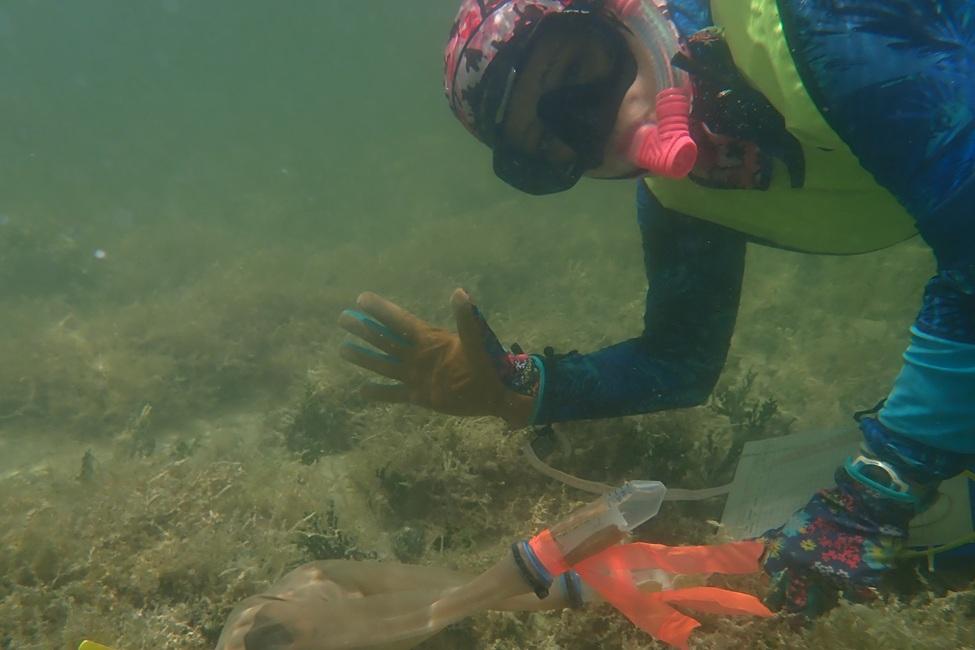
Photo: Andia Chaves-Fonnegra, Ph.D., principal investigator, conducting research in the field.
| | Florida Port Council Announces Strategic Transition | |
The Florida Ports Council (FPC) has announced a significant organizational transition as it evolves to meet the growing demands of global commerce and modern maritime logistics. For decades, FPC has served as the unifying voice for Florida’s 16 deepwater seaports, providing leadership, advocacy, and coordination to ensure the state’s ports remain competitive, secure, and economically vital.
Through strong partnerships with public and private stakeholders, the Council has helped drive major infrastructure investments, shape policy, and elevate Florida’s ports on national and international stages. As supply chains shift and Florida’s ports expand their role in global trade, FPC leadership has determined that a strategic transformation is needed to support the next era of growth.
The transition marks a new chapter—one that builds on FPC’s legacy while aligning with today’s interconnected maritime economy. The new organization will continue advancing collaboration and innovation, with a renewed focus on sustainable growth, technological advancement, and global connectivity across Florida’s port network.
“We are proud of the Florida Ports Council’s remarkable history of service,” said Michael Meekins, Chairman of the Florida Ports Council. “As our seaports evolve, so too must the structure that supports them. This transition is not an end, but a bold new beginning, one that ensures Florida remains a leader in maritime commerce for generations to come.”
Additional details about the organization’s new structure and leadership will be shared in the coming weeks.
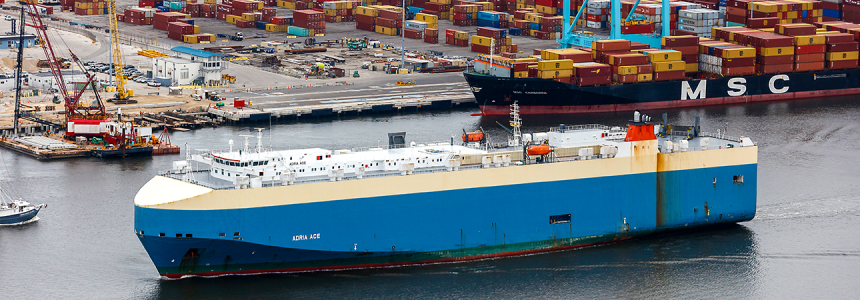
Photo: JAXPORT is Florida’s largest container port by volume. PC: Florida Ports Council
| | Strengthening Sea Sponge Populations: FAU Research to Improve Oceanic Eco-Resilience in Florida Bay | |
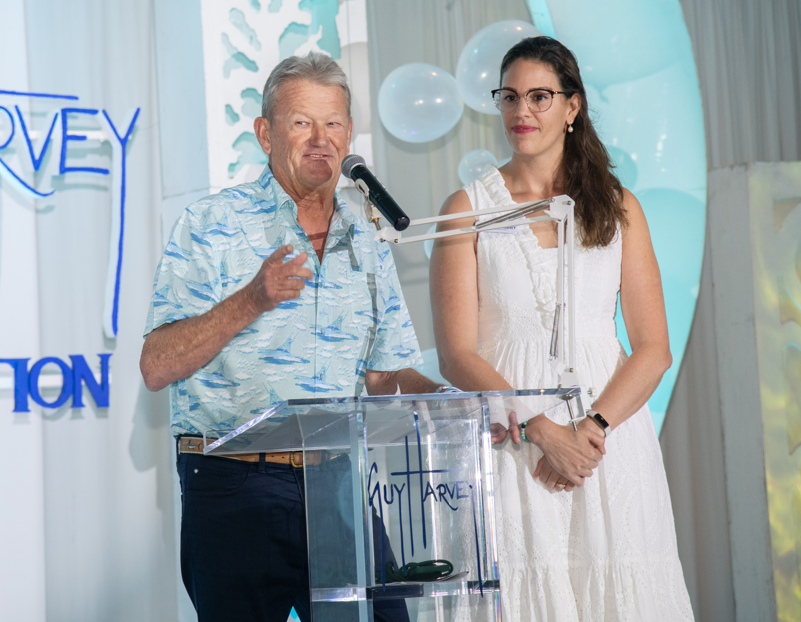
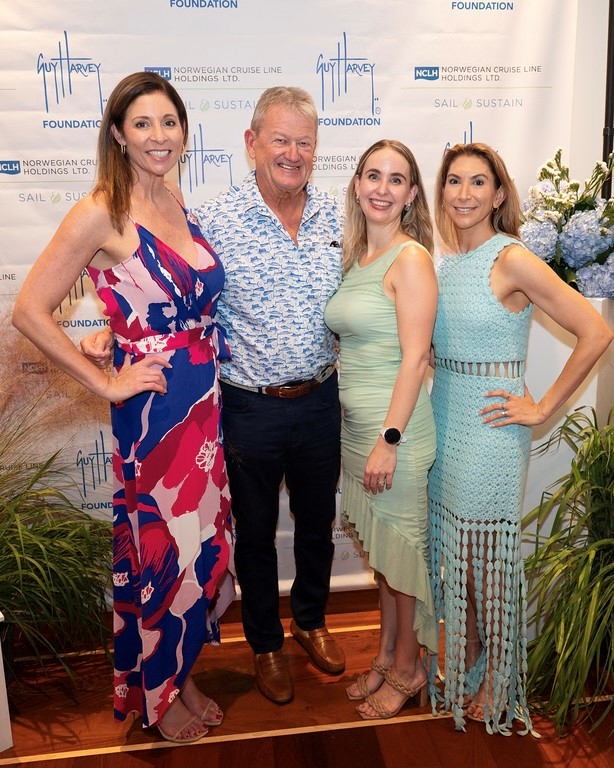
The 17th Annual Guy Harvey Foundation's (GHF) “Love the Blue” Gala celebrated outstanding leaders and recent advances in marine science research, education and ocean conservation while raising funds for the GHF which develops and hosts cutting-edge educational programs that help educators to foster the next generation of marine conservationists, collaborates with local, national and international organizations to conduct scientific research and provides funding to affiliated researchers who share this objective.
The evening at the Lauderdale Yacht Club kicked off with a cocktail reception where guests had the chance to mingle, meet and take photos with world-renowned artist, conservationist and GHF Founder and Chair Emeritus Dr. Guy Harvey and bid during the silent auction. During dinner, GHF CEO Jessica Harvey updated the audience on the Foundation’s transformative educational programs and initiatives and introduced an exciting new trailer for the upcoming Guy Harvey documentary to be released in 2026. A dynamic live auction featured original Guy Harvey artwork, one-of-a-kind exclusive trips and unique gift items.
The Guy Harvey Foundation’s 2025 “Love the Blue” Gala was supported by Presenting Sponsor Norwegian Cruise Line; Blue Marlin Sponsor Rick Case Automotive Group; Sailfish Sponsor Florida Crystals; Signature Drink Sponsor Resolve Marine; Dessert Sponsor Makers Air; Valet Sponsor CohnReznick; and Photo Booth Sponsor Panza Maurer.
Photo: Guy and Jessica Harvey. PC: GHF
| |
Marine Industries Associate of South Florida
| Building Florida's Future Marine Workforce | |
The Marine Industries Association of South Florida (MIASF) continues to strengthen Florida’s marine workforce through its expanding Yacht Service Technician Apprenticeship Program (YSTAP)—a registered, two-year initiative designed to meet growing industry demand for skilled labor. With a third cohort launching in January, YSTAP combines paid, on-the-job training with technical classroom instruction, offering a clear, high-wage career pathway into the maritime trades.
Developed in partnership with the Florida Department of Education and Atlantic Technical College, the program supports both workforce development and long-term industry growth.
Apprentices receive hands-on training across a wide range of marine skills, including rigging, welding, HVAC, hydraulics, carpentry, and marine systems. Graduates earn nationally recognized credentials such as OSHA Maritime-10, AED/CPR, forklift operation certification, and a technical diploma.
More than 35 marine employers now participate in the program, benefiting from a steady pipeline of trained talent and access to up to 75% wage reimbursement for eligible apprentices through CareerSource Broward.
As South Florida remains a global hub for yachting and marine services, programs like YSTAP play a critical role in sustaining economic growth and ensuring the industry’s future workforce is prepared, certified, and job-ready.
For more information, click HERE or contact apprentice@miasf.org
| | 9th Annual MRH Summit Brings Together
Ocean Economy Leaders | |
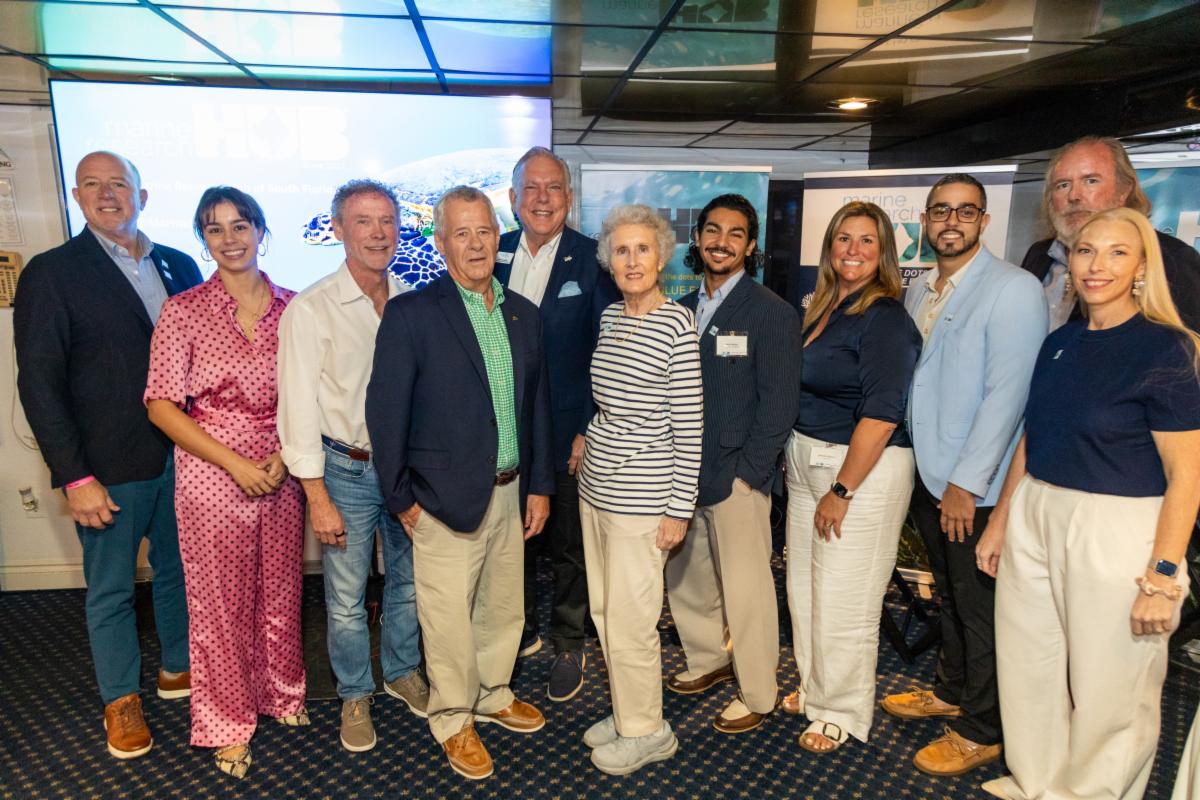
This year’s Marine Research Hub (MRH) Summit welcomed a packed house aboard the South Beach Lady, setting the stage for a memorable morning of insight, innovation, and connection.
The day began with a scenic Water Taxi ride, courtesy of Bill Walker and his team, and continued with engaging presentations and meaningful conversations focused on the future of the blue economy.
The program featured strategic updates from MRH, along with highlights from the Blue Economy Podcast, offering attendees a pulse on emerging trends and initiatives shaping marine innovation in South Florida and beyond.
Attendees also heard insightful remarks from Florida Atlantic University’s Dr. Steve Vollmer and Nova Southeastern University’s Dr. Ken Dawson-Scully, underscoring the critical role of research and education in advancing ocean solutions.
Innovation took center stage with recognition of Ignition Packaging, the 2025 Ocean Exchange Collegiate Award Winner, and solution-focused presentations from SOS Biotech (Ocean Exchange Finalist 2025) and Soarce (Ocean Exchange Finalist 2024).The program concluded with a powerful reef restoration update from Coral Vita, highlighting scalable approaches to ecosystem recovery.
MRH extends its sincere thanks to all who joined, supported the event, and shared their expertise.
Photo: Attendees of the MRH Summit. PC: MRH
| |
MarineLab Marine Resources Development Foundation
| MarineLab Expands Marine Science Education Across Florida | |
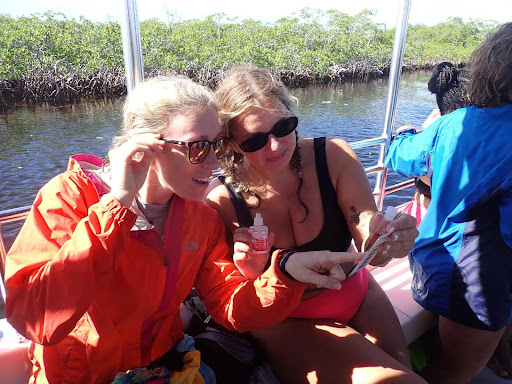
This September, 51 educators from schools across Florida gathered in Key Largo for MarineLab’s Teacher Workshop Weekend, a professional development program designed to introduce first-time visitors to the marine ecosystems of the Florida Keys.
Over the course of the weekend, teachers explored the seagrass, mangrove, and coral reef habitats that make the Florida Keys such a unique classroom.
They snorkeled alongside MarineLab instructors, collected water quality data, and experienced the same field-based science their students learn during school programs. Evening labs delved into local geology and marine chemistry, offering tools and inspiration to make science more engaging and experiential for their students.
For many, it was their first time seeing these ecosystems up close—sparking new ideas for how to connect classroom lessons to the real-world science happening right here in Florida. Teachers left with new resources, fresh perspectives, and a renewed excitement for bringing marine science into their classrooms.
Photo: MarineLab
| | Community Science Advances Understanding of Sea Level Rise at FIU’s Sea Level Solutions Day | |
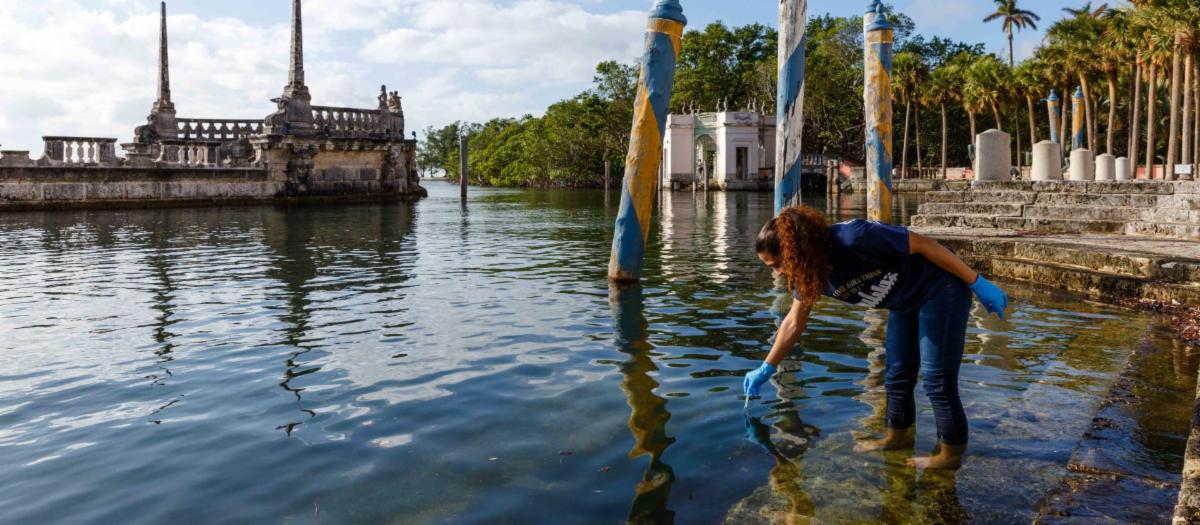
Florida International University (FIU) marked its 10th annual Sea Level Solutions Day on October 8, 2025, bringing together South Florida residents, students, and researchers to document the impacts of king tide flooding across Miami-Dade County.
The event focused on “sunny day” flooding—flooding that occurs without rainfall due to lunar-driven high tides increasingly intensified by sea level rise. Participants collected critical data on water depth, salinity, nutrient levels, and harmful bacteria at multiple locations, including FIU’s Biscayne Bay Campus, Legion Park, Miami-Dade College’s Wolfson Campus, Vizcaya, and the Deering Estate. This collaborative, hands-on effort allowed researchers to gather a large volume of data in a short time span while engaging the public directly in climate science.
Following the fieldwork, samples were analyzed at FIU’s Modesto Maidique Campus laboratory. Results will be added to FIU’s long-term flooding database, strengthening the scientific foundation needed to inform resilience planning and adaptation strategies.
Sea Level Solutions Day continues to demonstrate the value of community science in advancing research, education, and coastal resilience across South Florida.
Photo: FIU News
| | Job Opportunity: Environmental Scientist - Tallahassee | | |
Moffatt & Nichol, a global leader in waterfront and coastal infrastructure, is seeking an experienced Environmental Scientist to join its Tallahassee office.
This role is ideal for a motivated professional passionate about environmental resilience, permitting, and coastal restoration. The position offers the opportunity to work on complex projects nationwide, collaborating with engineers, planners, and scientists to deliver solutions that protect and shape our coasts and waterways.
Key Responsibilities:
- Lead environmental permitting and regulatory compliance at local, state, and federal levels.
- Conduct environmental and climate risk assessments, technical analyses, and impact studies.
- Develop reports, NEPA documents, and public engagement strategies.
- Support project management, proposal development, and business development in coastal resilience.
Why Join?
Moffatt & Nichol is ranked #1 in Marine & Port Facilities by Engineering News-Record and offers industry-leading benefits, including free employee healthcare, generous paid time off, 401(k) match, professional development programs, and wellness incentives.
This is a unique opportunity to grow your career with a firm shaping the future of coastal resilience and infrastructure worldwide.
Location: Tallahassee, FL
Learn more and apply: Moffatt & Nichol Careers
| |
Nova Southeastern University National Coral Reef Institute
|
Study Links Inland Runoff to Coral Reef Water Quality
in Southeast Florida
| |
Nova Southeastern University Rising Seas Institute
| "When Ice Melts" Details NSU's Greenland Research Expedition | |
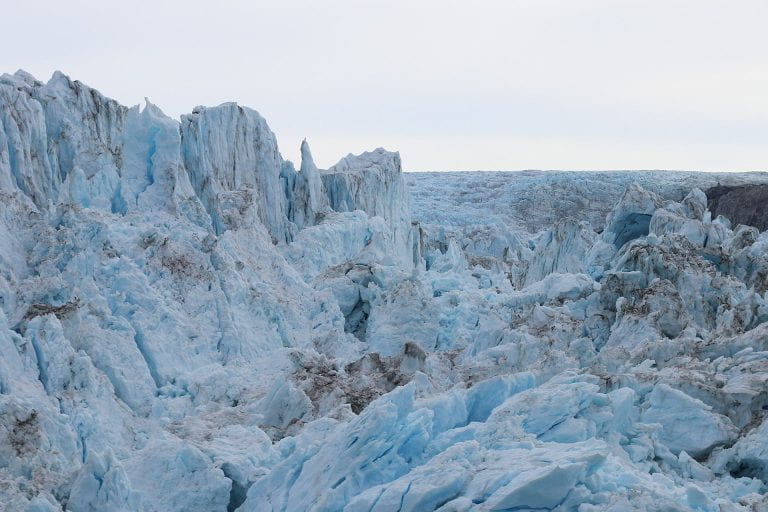
NSU President Dr. Harry Moon and John Englander, founding director of the NSU Rising Seas Institute, recently led an expedition of researchers, business leaders, and others to Greenland where they witnessed how record ice melts can affect sea level rise in Florida and other coastal areas. Florida Trend reporter Brittney Miller covered the excursion, capturing dramatic images and a detailed account of this transformative journey.
Read the full story HERE.
| |
Ocean Exchange Awards $330,000 in Prizes
to Blue Economy Startups
| |
The Ocean Exchange, a leader in supporting the acceleration of innovative solutions for healthy oceans and the sustainable blue economy announces the winners of three Neptune awards for $100,000 each, plus three $10,000 Collegiate Awards.
“Now in our 14th year, this award competition continues to attract deserving startups from
around the globe. This year, two of our awards went to solutions that advance our
understanding of the ocean and help to minimize our impact on these resources; new this year, thanks to a generous sponsor, we added an Ocean Enterprise award that was given to a solution that supports ocean observations and delivers improved intelligence and services”. We are so fortunate to have the support of sponsors who support our mission of accelerating the adoption of innovative solutions for healthy oceans and the sustainable blue economy.” said Millicent Pitts, Executive Director of Ocean Exchange, now a featured program of the Marine Technology Society.
The winners were selected from an international list of 15 finalists at the Ocean Exchange event held October 26-28 in Fort Lauderdale, Florida. 120 voting delegates from around the world registered and attended to vote for the winning solutions.
The 2025 award recipients are:
-
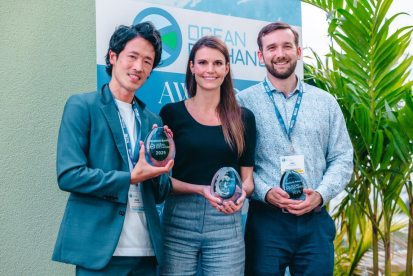
Ocean Enterprise Neptune Award: NeuralX, represented by Masake Nakada, Founder and CEO. NeuralX has AI-enabled insights to measure biomass, count fish, and monitor fish behavior for improved aquaculture productivity.
-
Neptune Award: Cecilia, represented by Kathryn Carpenter, Founder and CEO. Cecilia upcycles plastic waste into high performance carbon materials and hydrogen.
-
Neptune Award: Orpheus Ocean, represented by Jake Russell, CEO and Co-Founder. They have developed an autonomous underwater vehicle to unlock scalable seafloor access.
In addition, the event marked the 10th anniversary of the Ocean Exchange Collegiate awards. Eight finalists competed for the Guy Harvey Foundation Collegiate Award for $10,000 and two Ocean Exchange Collegiate Awards for $10,000.
The 2025 recipient of the Guy Harvey Collegiate Award is Iluminar el Mar, Callie Veelenturf, COO. The two Ocean Exchange Collegiate Awards went to, Ignition Packaging, Abdu Bejjaj, CEO and OctaPulse, Paul Grech, Co-Founder and CEO.
Photo: Winners of the 2025 Ocean Exchange Awards (Left to Right): Ocean Enterprise Award: NeuralX, Masake Nakada, and Neptune Awards: Cecilia, Kathryn Carpenter, and Orpheus Ocean, Jake Russell
| | Panza Maurer - A Sponsor of the 2025 Guy Harvey Foundation Love the Blue Gala | |
Panza Maurer was honored to sponsor and attend the 2025 Guy Harvey Foundation Love the Blue Gala, an inspiring evening dedicated to ocean conservation and education.
The team had the pleasure of joining Guy Harvey, Jessica Harvey and many others who share a deep commitment to protecting the planet’s marine ecosystems. Funds raised through the Guy Harvey Foundation directly support groundbreaking research, education, and conservation programs— helping protect our oceans and inspire the next generation of ocean stewards. The Panza Maurer firm was proud to play a part in advancing this critical mission and looks forward to continuing their partnerships in preserving the health of our oceans for generations to come.
Photo: Dana Macdonald, Guy Harvey, Samantha Evans Saltzburg, and Jen Bean. PC: Panza Maurer
| | Steering Sustainable Practices One Ship at a Time | |
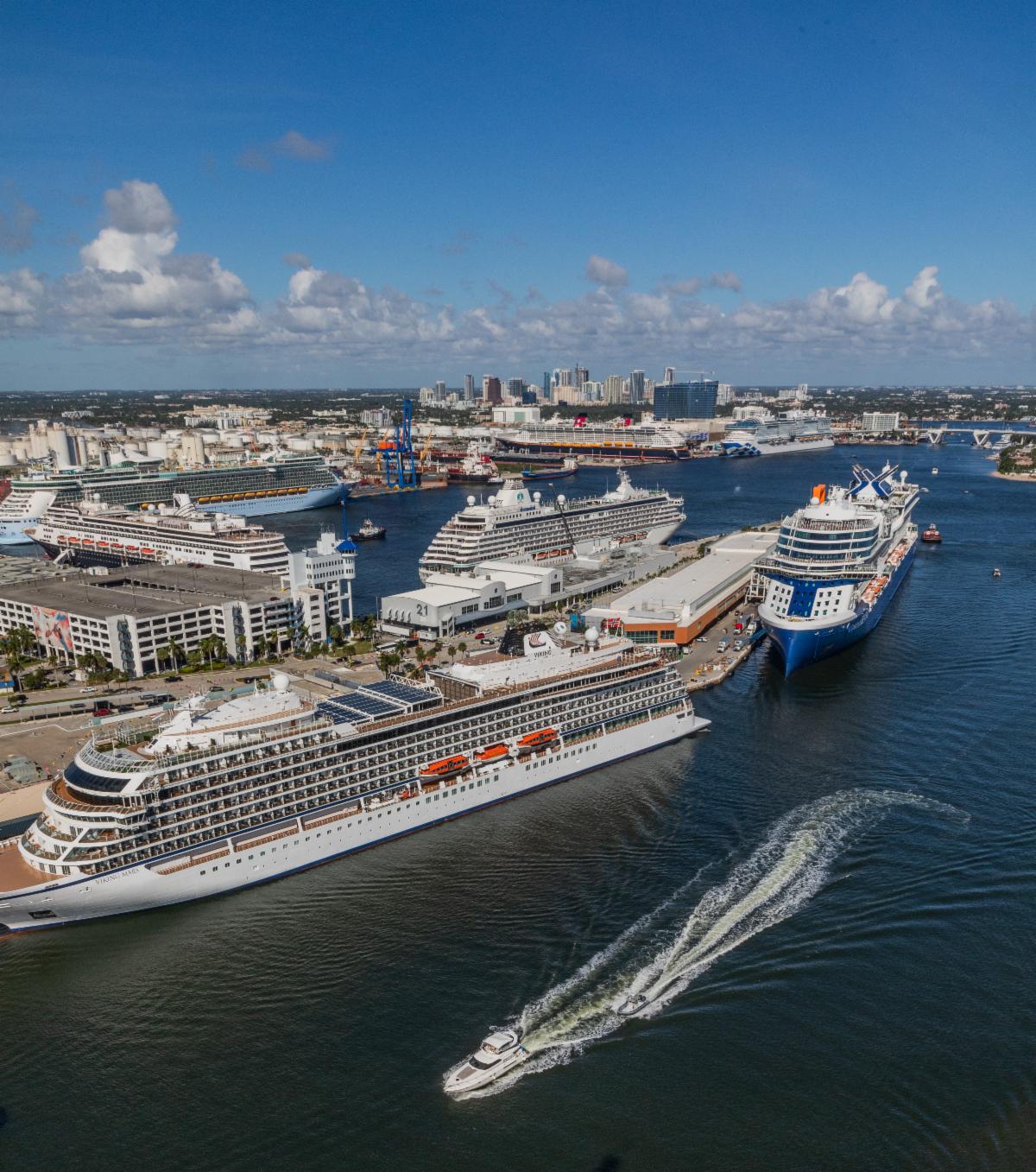
At Broward County’s Port Everglades, some cruise ships are getting bigger. Others are
curating intimate spaces.
However, there is one constant: They are striving to be better stewards of the Earth.
According to Cruise Lines International Association (CLIA), 310 cruise ships have
environmental technologies and practices to reduce their impact. There are 19 cruise
ships on the seas capable of using Liquified Natural Gas (LNG), the leading alternative
fuel for cruise and cargo ships to reduce air emissions. Not far behind are 25 new-build cruise ships that will be equipped to use LNG. In all, CLIA reports that 48% of new-build cruise ship capacity will be designed with LNG engines and fuel supply systems.
Based on analyses by SEA-LNG and others, LNG has virtually zero sulfur emissions and particulate emissions. It reduces nitrous oxide emissions by approximately 85% and achieves up to a 20% reduction in greenhouse gas emissions compared to fuels currently used in ocean-going vessels.
When Cruise Season 2026 kicks off at Port Everglades next month, the South Florida port will welcome two new-build cruise ships powered by LNG and one new-build capable of using green methanol and LNG. Methanol from renewable sources reduces greenhouse gases, according to the trade association Methanol Institute.
Celebrity Cruises’ Celebrity Xcel is equipped to use three types of fuel, including LNG and methanol, to power its Edge-class ship. Disney Cruise Line’s heroes and villains-themed Disney Destiny and Princess Cruises’ Sphere-class Star Princess are engineered to use LNG to ply local and international waters.
In Fall 2026, Royal Caribbean International’s Icon-class vessel Legend of the Seas is scheduled to debut at Port Everglades with LNG-powered engines.
These cruise ships aren’t the only ones at the port propelled with cleaner fuel. A number
of cargo ships with LNG capability, such as Crowley's new Avance-class vessels, regularly call the port.
As the cruise industry charts a more sustainable course, Port Everglades is encouraged by the growing commitment of its cruise and cargo partners to cleaner operations. From LNG and methanol-powered vessels to advanced emissions-reduction technologies, these efforts reflect a shared responsibility to protect our oceans and communities.
Photo: Port Everglades
| | |
Follow FOA on social media for more industry news and information.
| | |
|
Glenn Wiltshire, President
Port Everglades
| |
Jackie Larson, Secretary
Florida Shore & Beach Preservation Association
|
|
|
Jim Sullivan, Ph.D., Vice President
Florida Atlantic University- Harbor Branch Oceanographic Institute
| |
Jeff Eble, Ph.D., Treasurer
Hubbs-Sea World Research Institute
| | |
Kumar Mahadevan, Ph.D.
Founding Member
Florida Ocean Alliance,
FOA Director Emeritus
| | |
Julie Wraithmell
Audubon of Florida
| |
Kellie Ralston
Bonefish & Tarpon Trust
| |
Bradley Watson
The Everglades Foundation
| |
Captain Michael Kahle
Florida Institute of Oceanography
| |
Gretchen Winters
Florida Harbor Pilots Association
| |
John B. Hutton
Greenbert Traurig, P.A.
| |
Spencer Crowley
Akerman LLP
| |
Phil Purcell
Marine Industries Association of South Florida
| |
James F. Murley, Esq.
Miami-Dade County,
Florida Ocean Alliance
Founding Member and
Executive Committee
| |
David McDonald
McDonald, Miller & Coleman LLC
FOA Director Emeritus
| |
Becky Prado
Moffatt & Nichol
| | |
John Englander
Nova Southeastern University
| |
Richard Dodge, Ph.D.
Director Emeritus
| |
Susan Zellers
Ocean Exchange
| |
Jeff Watters
The Ocean Conservancy
| |
Duane E. De Freese, Ph.D.
Indian River Lagoon Council
FOA Executive Committee
| |
Alexis Meschelle
Organized Fishermen of Florida
| |
Paul Anderson
Port Tampa Bay
| |
Matthew Upton
Roffer's Ocean Fishing Forecasting Service
| |
Sherry Larkin, Ph.D.
Florida Sea Grant College Program
| |
Jon Peterson
SeaWorld Orlando
| |
Lenore Alpert, Ph.D.
Executive Director
| | | |
Florida Ocean News is published by the Florida Ocean Alliance, a nonprofit, nonpartisan, private-public partnership of private industry, trade, academic and environmental organizations promoting awareness and understanding of the ocean’s importance to the economy and environment of Florida. | | | | |