Your Health Matters
Digital Newsletter - 4th Quarter 2026
| | |
A Message from our Administrator:
80 Years of the Power of Public Health
| | |
2026 is a hallmark anniversary year for McLean County Health Department. As we celebrate our department’s 80th anniversary, I am honored to reflect on the remarkable journey that has brought us to this milestone. Our health department has stood as a trusted partner in protecting and promoting the wellbeing of our community for eight decades.
That work began in 1946, when McLean County voters overwhelmingly approved the creation of a county health department by a two-to-one margin. The challenges in the early years were significant. Infectious diseases remained major causes of illness and death, foodborne illness was common, infant mortality was a serious concern, and vaccines were limited. According to our 1947 Annual Report, 43 McLean County infants died before their first birthday in that year alone.
Throughout history, public health professionals in our community have remained steadfast in their commitment to ensuring a safer, healthier future for all. Health officials helped establish standards for Grade A milk and required milk sold to the public to be pasteurized. Restaurants came under stronger sanitation standards. Public health nurses visited families in their homes, schools received health screenings and education, and dental health programs were introduced.
The Health Department also became a partner in one of the greatest public health successes in American history: vaccination.
During the polio epidemics of the late 1940s and 1950s, communities faced school closures, restrictions on swimming pools and limits on public gatherings. The arrival of the Salk vaccine in 1955, followed by an oral vaccine in the early 1960s, changed the course of the disease. Through surveillance, education and mass vaccination clinics, polio declined dramatically and was ultimately eliminated in the United States.
The same story unfolded with diseases such as smallpox, diphtheria, tetanus, measles, rubella, whooping cough and typhoid fever. Diseases that once shaped childhood are now largely remembered only as chapters in history.
In the 1950s, McLean County addressed contaminated private wells and improved sewage systems around Lake Bloomington to protect the water supply. Over the decades, the McLean County Health Department expanded its work to include HIV/AIDS response, childhood immunization, chronic disease prevention, emergency preparedness, community health planning and electronic disease surveillance.
Then came 2020 and the COVID-19 pandemic, which demonstrated something that has been true for all 80 years: public health depends on people working together.
McLean County has grown from approximately 74,500 residents in 1946 to about 171,000 today. Americans are not only living longer lives, they are living healthier lives. While that progress reflects the dedication of many people in many fields, public health measures remain an essential part of the story.
As the McLean County Health Department celebrates 80 years, our commitment to future generations is unwavering, and we look forward to building upon this strong foundation for many years to come.
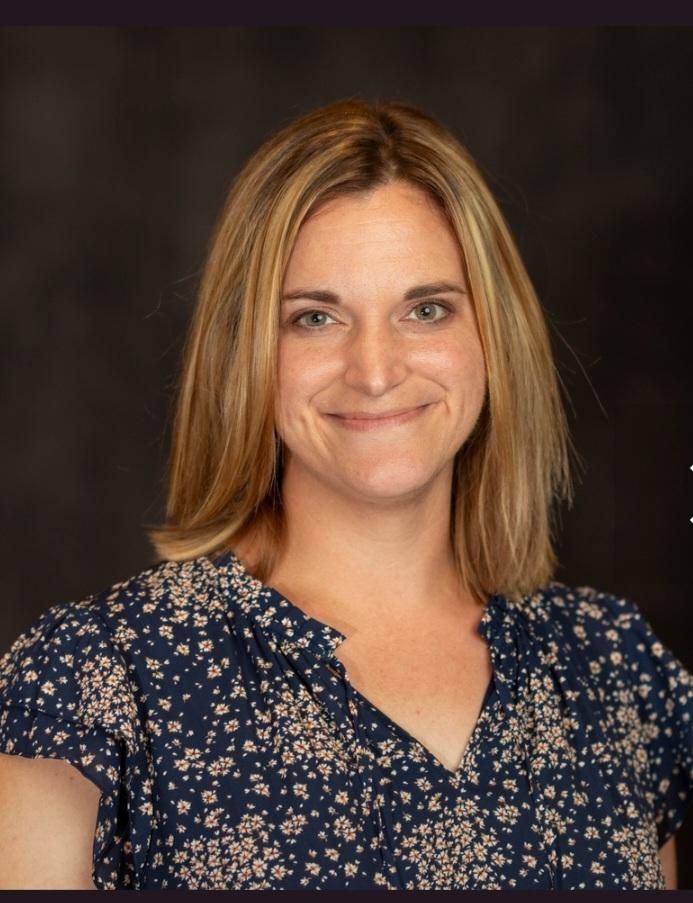
Jessica McKnight, Administrator, McLean County Health Department (MCHD)
| | |
Setting Yourself up for Success:
Planning a Food-Safe Holiday Dinner
| | |
The holiday season is about gathering around the table, sharing favorite recipes, and enjoying time with family and friends. Did you know that about 1 in 6 Americans—or roughly 16.6% of the population—get sick from food poisoning or a foodborne illness every year? Following (and teaching) basic food safety principles can go a long way.
“Keeping your holiday feast safe doesn’t have to be complicated. Just remember four simple words: Clean, Separate, Cook, and Chill,” says Angie Crawford, Environmental Health Food Safety Program Supervisor at McLean County Health Department.
CLEAN: Start with clean hands and surfaces
Before the cooking begins, wash your hands with soap and water for at least 20 seconds. This may sound like a no-brainer. But washing your hands thoroughly and often - especially after handling raw meat, poultry, seafood, or eggs – is one of the top methods to prevent cross contamination. Clean cutting boards, utensils, countertops, and other food-contact surfaces with hot, soapy water.
And remember: wash your produce, not your turkey! Rinsing raw poultry does little to reduce the risk of food-borne illness, yet it spreads harmful germs around your sink and kitchen.
SEPARATE: Keep raw foods away from ready-to-eat foods
Cross-contamination can turn a delicious meal into an unwanted holiday surprise. Use separate cutting boards and plates for raw meat and foods that will be eaten without cooking. Keep raw meat, poultry, and seafood in sealed containers or leak-proof bags on a lower shelf in the refrigerator so their juices don't drip onto other foods.
COOK: Don’t guess. Check!
A beautifully browned turkey isn't necessarily a safely cooked turkey. “The only real way to know for sure that your turkey is cooked to a safe 165°F is to use a food thermometer. Check the thickest part of the food without touching bone, fat, or gristle,” adds Crawford.
And if you're keeping food warm while guests mingle, hot foods should stay at 140°F or above.
CHILL: Give leftovers a safe home
Holiday meals often mean plenty of leftovers, which is a wonderful thing! Just don't let them linger on the table. Perishable foods should be refrigerated within two hours. Divide large amounts of food into shallow containers so they cool quickly, and keep your refrigerator at 40°F or below.
Planning ahead? The safest way to thaw frozen meat and poultry is slowly defrosting in the refrigerator.
“Food safety is part of being a great host. A little extra attention in the kitchen can help ensure that your guests leave your home with happy memories, full stomachs, and plenty of leftovers - not a case of foodborne illness,” says Crawford.
Before the holiday: set yourself up for success
-
Buy a reliable digital food thermometer. This is one of the best tools in a holiday kitchen. Look for one that’s easy to read with a temperature range of 0˚F - 220˚F.
-
Make room in the refrigerator and freezer. Clean out old or expired foods ahead of time. You’ll need space for raw turkey, hams, casseroles, desserts, beverages, and leftovers.
-
Plan your thawing schedule. A large frozen turkey can take several days to thaw safely in the refrigerator. Put a reminder on your phone or calendar. Waiting until Thanksgiving morning is a rookie mistake.
-
Make a food-safety calendar. Add reminders for ordering food, grocery shopping, picking up prepared foods, thawing frozen items, and preparing dishes. A little planning can prevent a lot of last-minute scrambling.
-
Stock up on towels and cleaning supplies. Holiday cooking means spills, splashes, sticky hands, and lots of dishes. Have plenty of clean dish towels, paper towels, soap, and kitchen sanitizer available. Having just one or two clean kitchen towels on hand is another rookie blunder.
-
Plan for the trash. More people + more cooking = more trash. Make sure you have enough garbage bags and know when your household's trash or recycling will be collected around the holiday.
-
Plan your cooking order. Decide ahead of time which foods can be prepared early, which need refrigeration, and which should be cooked just before serving. Slow cookers and other portable appliances can be a lifesaver.
-
Give yourself extra time. Holiday meals involve more dishes, more ingredients, more people, and more distractions than an ordinary meal. Building extra time into your schedule makes it easier to follow food-safety practices instead of rushing.
For more holiday food safety tips, visit FoodSafety.gov’s 4 Steps to Food Safety.
| | Why Vaccine Confidence Still Matters | | |
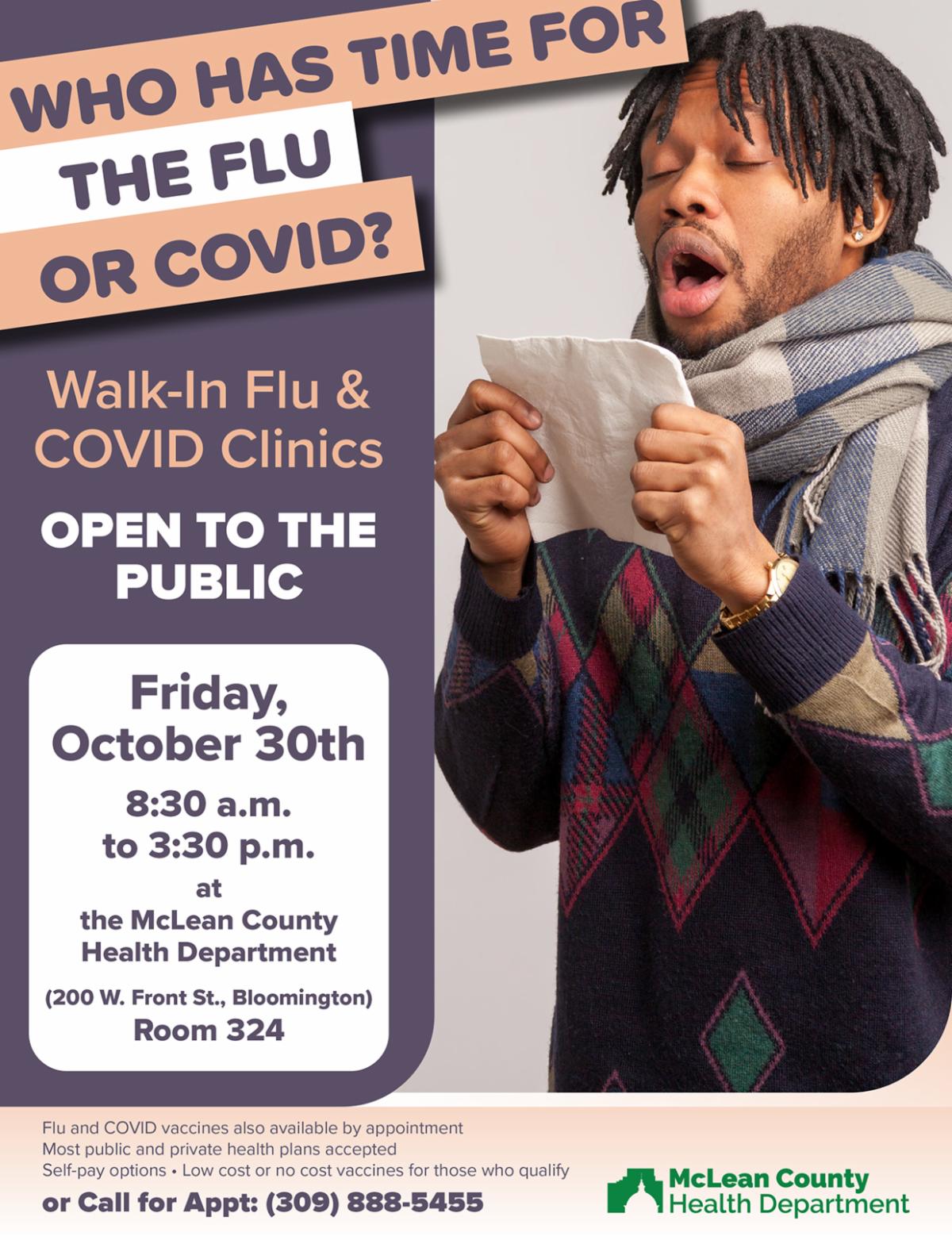
Every fall, respiratory viruses like influenza, COVID-19, and RSV begin to circulate more widely in our communities. Good hand hygiene, staying home when you're sick, and knowing what's spreading locally are all important ways to protect yourself and those around you. But one of the most effective tools we have to prevent severe illness continues to be vaccination.
Recently, many people have heard conflicting claims about flu and COVID-19 vaccines. It's reasonable to have questions. The challenge is knowing which information is based on careful scientific research and which information is based on opinions, isolated stories, or misinformation.
One way to separate fact from fiction is to ask: How do we know?
“Vaccines are among the most carefully studied medical products available. Before they are approved, they undergo years of laboratory research and multiple phases of clinical trials involving thousands of volunteers. Independent scientists, physicians, and regulatory experts review the results before a vaccine is authorized for public use,” says Casie Smith, Community Health Services Director at McLean County Health Department (MCHD).
The evaluation doesn't stop there.
After approval, vaccine safety is monitored continuously through several surveillance systems that detect even very rare side effects. Researchers around the world study vaccine safety and effectiveness using health records from millions of people. If a safety concern is identified, it is investigated openly and recommendations are updated when needed. This ongoing monitoring is one reason vaccines continue to have an excellent safety record.
COVID-19 vaccines have now been administered billions of times worldwide, and seasonal influenza vaccines have been given every year for decades. Few medical interventions have been studied in as many people or monitored as closely. The evidence consistently shows that these vaccines greatly reduce the risk of hospitalization, serious complications, and death, especially for older adults, young children, pregnant people, and those with chronic medical conditions.
“No vaccine is perfect. Some vaccinated people will still become infected because viruses change over time and immunity naturally decreases. However, vaccination helps your immune system recognize the virus quickly, making severe illness much less likely,” says Jamie Anderson, MCHD Clinic Nurse Manager.
“Our goal in public health is not simply to prevent infection. It is to keep people out of the hospital, reduce serious illnesses, protect those at highest risk, and help our entire community remain healthy. Vaccination is one of the most important tools we have to do that with great success,” adds Jessica McKnight, MCHD Administrator.
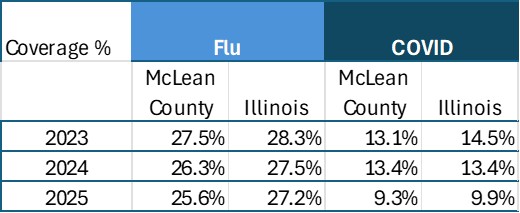
According to the CDC, uncertainty about false claims regarding fertility and altered DNA, much of it bred during the COVID-19 pandemic, has generalized into skepticism toward other routine immunizations, including seasonal flu shots. “McLean County’s vaccine level basically mirrors statewide levels, showing a slight decrease in Flu and COVID vaccines over the past three years,” added Kristina Kaput, MCHD Epidemiologist.
| | |
“When you come across a surprising claim online or in the news, consider where it came from. Is it supported by multiple independent studies? Do major medical organizations agree with it? Has the information been published in a peer-reviewed scientific journal? Science becomes stronger when many researchers reach the same conclusions using different methods,” McKnight said.
This respiratory virus season, practice those habits that help prevent illness: wash your hands frequently, reduce exposure to those who are sick, stay home when you're sick, and seek medical advice early on when symptoms begin. And if you're eligible, staying up to date on your influenza and COVID-19 vaccinations continues to be one of the safest and most effective ways to protect yourself, your family, and your community.
For more evidence-based vaccine information online, visit:
| | |
Bullying and Children’s Mental Health
October is National Bullying Prevention Month
| | |
When we think about bullying, we often picture a child being picked on at school. But bullying can take many forms, and it can happen between peers, online, or even within families. Being repeatedly targeted, left out, threatened, embarrassed, or hurt can take a real toll on a child’s mental health and sense of self.
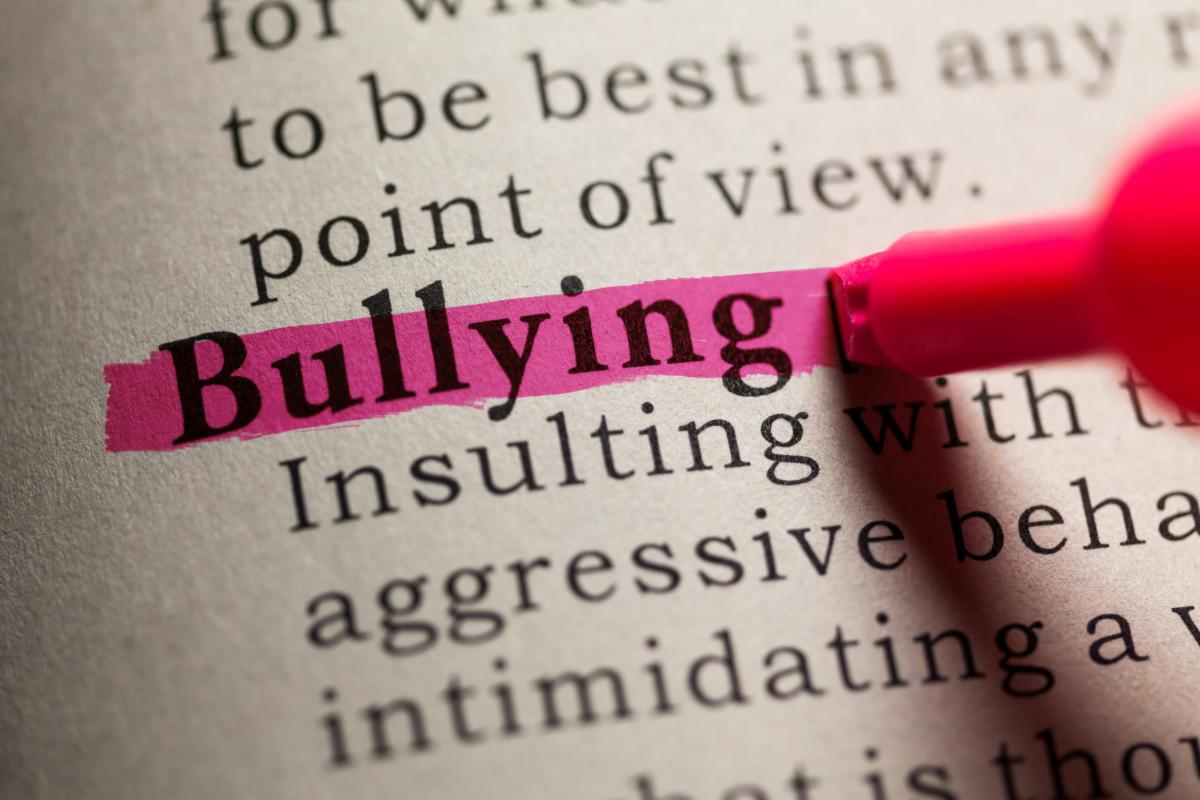
The Centers for Disease Control and Prevention (CDC) defines bullying as "repeated unwanted aggressive behavior involving a real or perceived power imbalance." It can be physical or verbal, but it can also be social—like spreading rumors or intentionally leaving someone out. Today, bullying can also happen online through texts, social media, and other digital platforms.
“Young people are already dealing with so much! They’re trying to figure out who they are, and there’s a lot of pressure to fit in. When someone’s bullying them, that can make it hard to feel safe or supported, and they might start to feel like they’re not good enough. If someone starts questioning their own worth— whether they’re a child or an adult—that can have a serious impact on their mental health,” says Colleen O’Connor, CPS, CADC, the Lead Mental Health Education Specialist at Project Oz.
The signs of bullying aren't always obvious. A child may become quieter or more withdrawn. They may seem anxious, angry, or irritable, or stop wanting to do things they used to enjoy. Changes in sleep, appetite, school attendance, grades, friendships, or self-esteem can also be signs.
O’Connor points to a CDC study that found higher rates of anxiety and depression symptoms among teens who experienced bullying. In the study, 29.8% of teens who were bullied showed signs of anxiety and 28.5% showed signs of depression, while only 14.5% of teens who had not been bullied showed signs of anxiety and 12.1% showed signs of depression. Another study, published by the NIH National Library of Medicine, found that adolescents who experienced cyberbullying were 11.5 times more likely to report suicidal ideation than their peers who had not experienced bullying. Similarly, teens who experienced verbal bullying were 8.4 times more likely to report suicidal ideation.
So, what can adults do? Start by asking open-ended questions, listening without judgment, and reminding children that being bullied is not their fault. Sometimes a child won't come right out and say, “I'm being bullied.” That's why paying attention to changes in their behavior can be so important.
“Sometimes, the most important thing that you can do is trust your gut. If you’re worried about a child, but you’re not sure how to bring it up, try starting with the phrase ‘I’ve noticed.’ For example, you could say, ‘Hey, I’ve noticed you’ve been spending more time on your own lately. How have you been feeling?’ This lets them know that you’re paying attention, that you care about them, and that you’re there to listen,” O’Connor adds.
It's also important to take changes in a child's mental health seriously. If a child seems hopeless, talks about wanting to die or hurt themselves, or shows other concerning changes, stay calm, listen, and get help. Asking a child directly about suicide does not put the idea in their head. It can give them a chance to talk about what they're experiencing.
Adults can also make a difference by taking reports of bullying seriously, reaching out to schools and other community resources, connecting children with mental health professionals when needed, and continuing to check in.
“If you get the sense that a child might be thinking about suicide, it’s important to ask them directly. For example, ‘Are you thinking about suicide? Are you thinking about ending your life?’ If they say yes, or if you’re worried about their safety, stay with them while you contact a resource like 988.”
You can also reach out to Project Oz to learn about mental health education resources or visit the Project Oz mental health resource hub.
More Resources:
About Colleen O’Connor and Project Oz:
Colleen O’Connor, CPS, CADC, is the Lead Mental Health Education Specialist at Project Oz and the Executive Director of the National Alliance on Mental Illness (NAMI) Mid Central Illinois. She coordinates McLean County’s youth suicide prevention and mental health education program (NAMI Ending the Silence). She is a past winner of the McLean County Health Department’s Public Health Award, and she has taught tens of thousands of local students how to help when someone is struggling with their mental health.
Since 1973, Project Oz has partnered with young people in McLean and Livingston Counties to build a foundation that promotes safety, opportunities, and well-being in their lives. Through counseling, education, career planning, school-based support, and other services, Project Oz helps young people stay in school, strengthen relationships, build skills, and make healthy choices. Project Oz also provides shelter, safety, and support for runaway and homeless youth ages 10–23. Each year, its programs reach more than 8,000 young people. Learn more at projectoz.org.
| | Bringing Health Services Closer to Home | | |
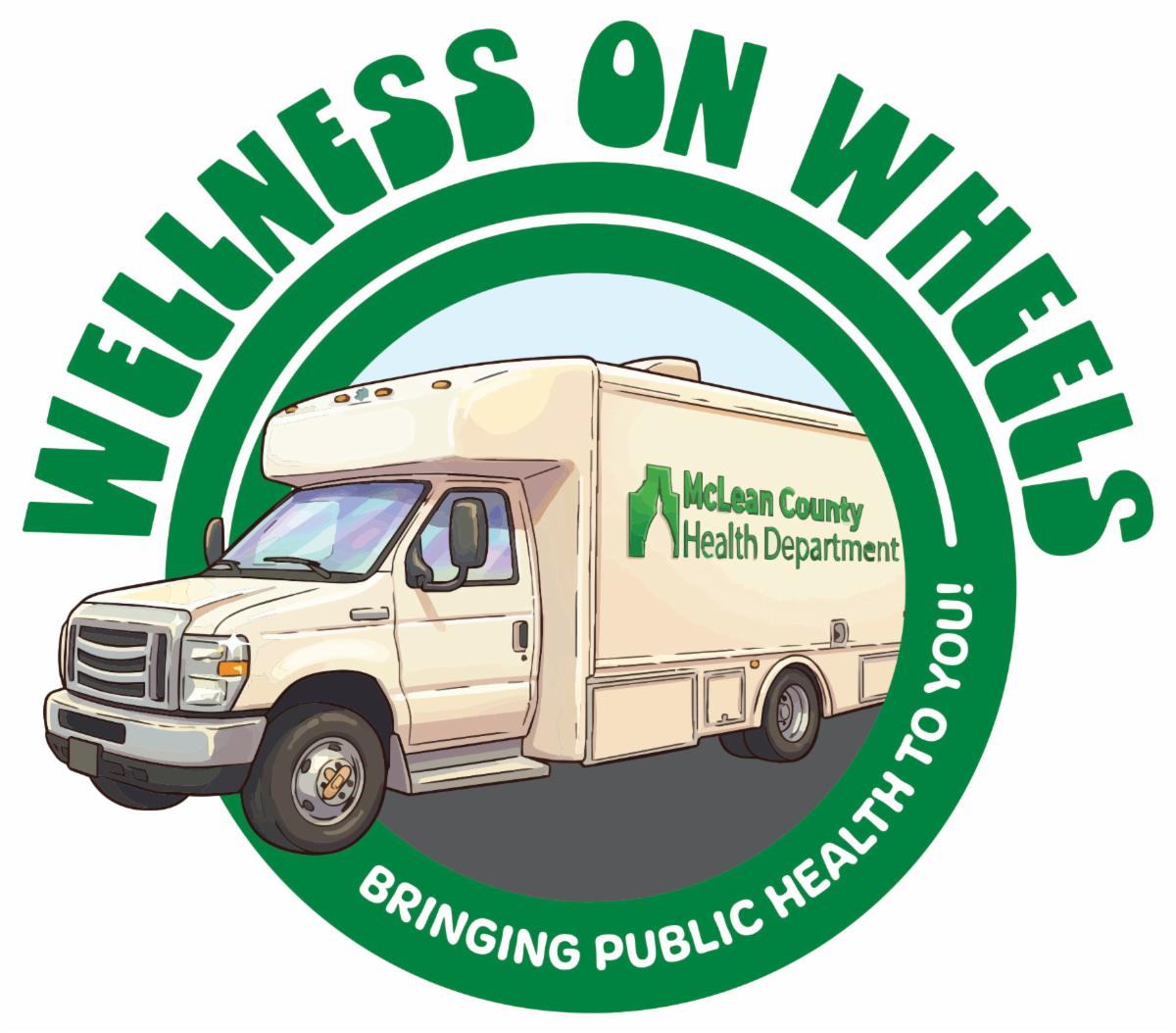
In 2026, McLean County Health Department (MCHD) officially named its Mobile Health Clinic Wellness on Wheels, reflecting its commitment to bringing preventive health services directly to rural communities. The free mobile clinic helps make essential screenings and health education more accessible to residents who might otherwise face barriers to care.
“As the largest county in Illinois by land area, McLean County presents unique challenges in reaching residents throughout its rural communities. With the overwhelming majority of medical services located in Bloomington-Normal, some residents must travel 40 minutes or more each way to access care,” said Megan Wilson, MCHD Health Promotion Program Manager. “Distance, transportation challenges, and financial barriers can make routine screenings difficult to prioritize. Because prevention is a cornerstone of public health, MCHD works to help residents identify potential health concerns early so they can take steps toward better long-term health.”
The vision for the mobile clinic began before the COVID-19 pandemic, and funding through the American Rescue Plan Act (ARPA) helped make it a reality. After the unit arrived in late 2023, MCHD staff trained and prepared to begin services in 2024. Operations expanded significantly in 2025, its first full year of service.
In 2026, Wellness on Wheels made 24 stops in 17 rural communities, interacted with approximately 450 residents, and provided specific health services to approximately 200 people. Through quick A1C blood tests that require no fasting, staff identified approximately two dozen residents with elevated A1C levels who may qualify for MCHD's free Diabetes Prevention Program or the Diabetes Empowerment Education Program (DEEP™), which supports people living with diabetes in better managing their condition.
Wellness on Wheels, which operated primarily in warm-weather months, offers a variety of free services, including:
- Height, weight, and body mass index (BMI) measurements
- Blood pressure checks
- A1C testing
- Heart health and healthy lifestyle education
- Car seat checks
- Tobacco support resources
These services help residents learn more about their health, identify potential concerns, and connect with additional resources. Although screenings do not replace a medical diagnosis, they can be an important first step toward appropriate follow-up and support.
“As a local government agency, we are committed to using public resources thoughtfully while serving the entire community. Wellness on Wheels is free to all McLean County residents, regardless of income or insurance status,” added Jessica McKnight, Administrator at MCHD.
To learn more about services and the mobile clinic, visit the MCHD Mobile Health Clinic webpage.
| | McLean County Health Department Website | | | | |